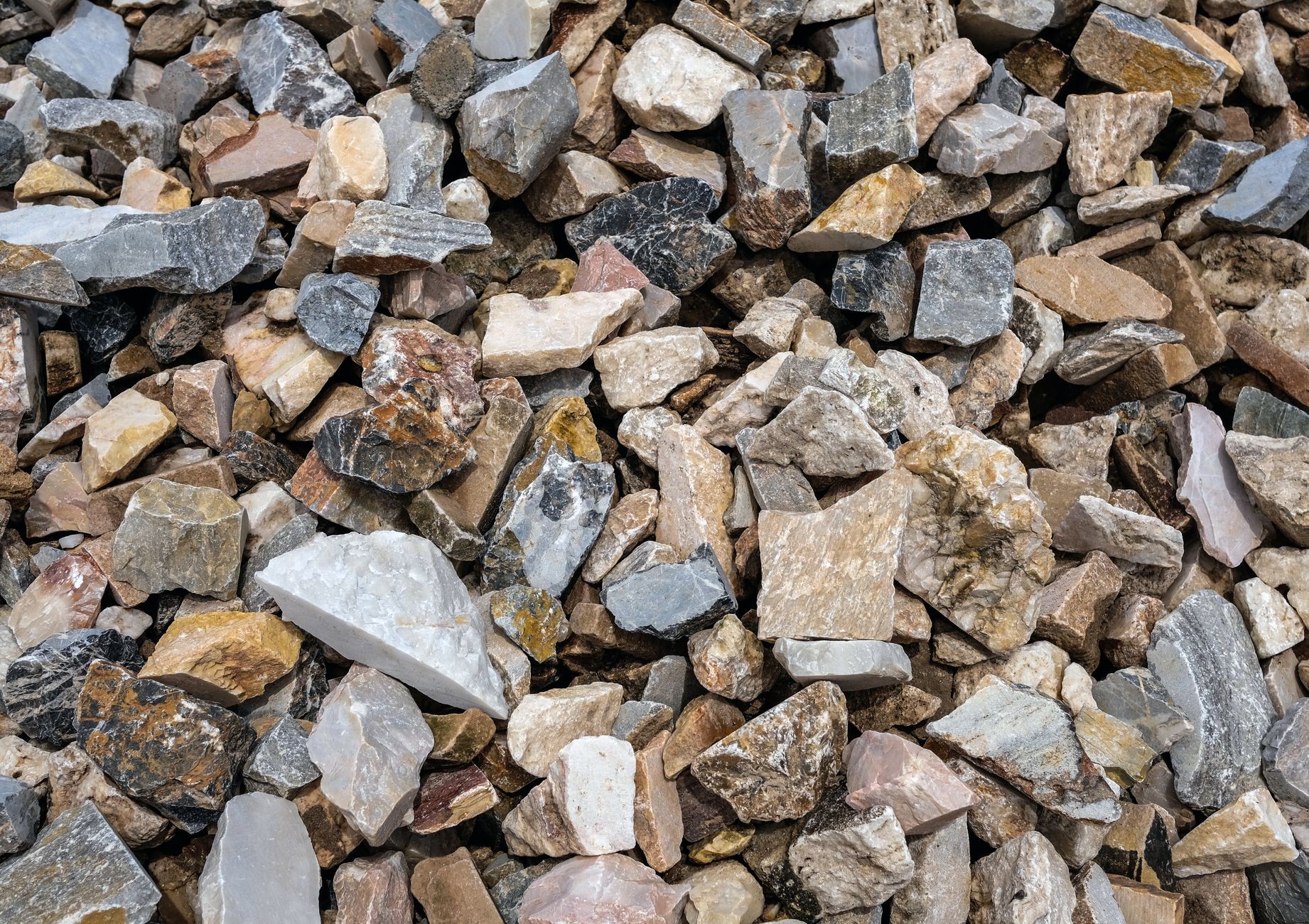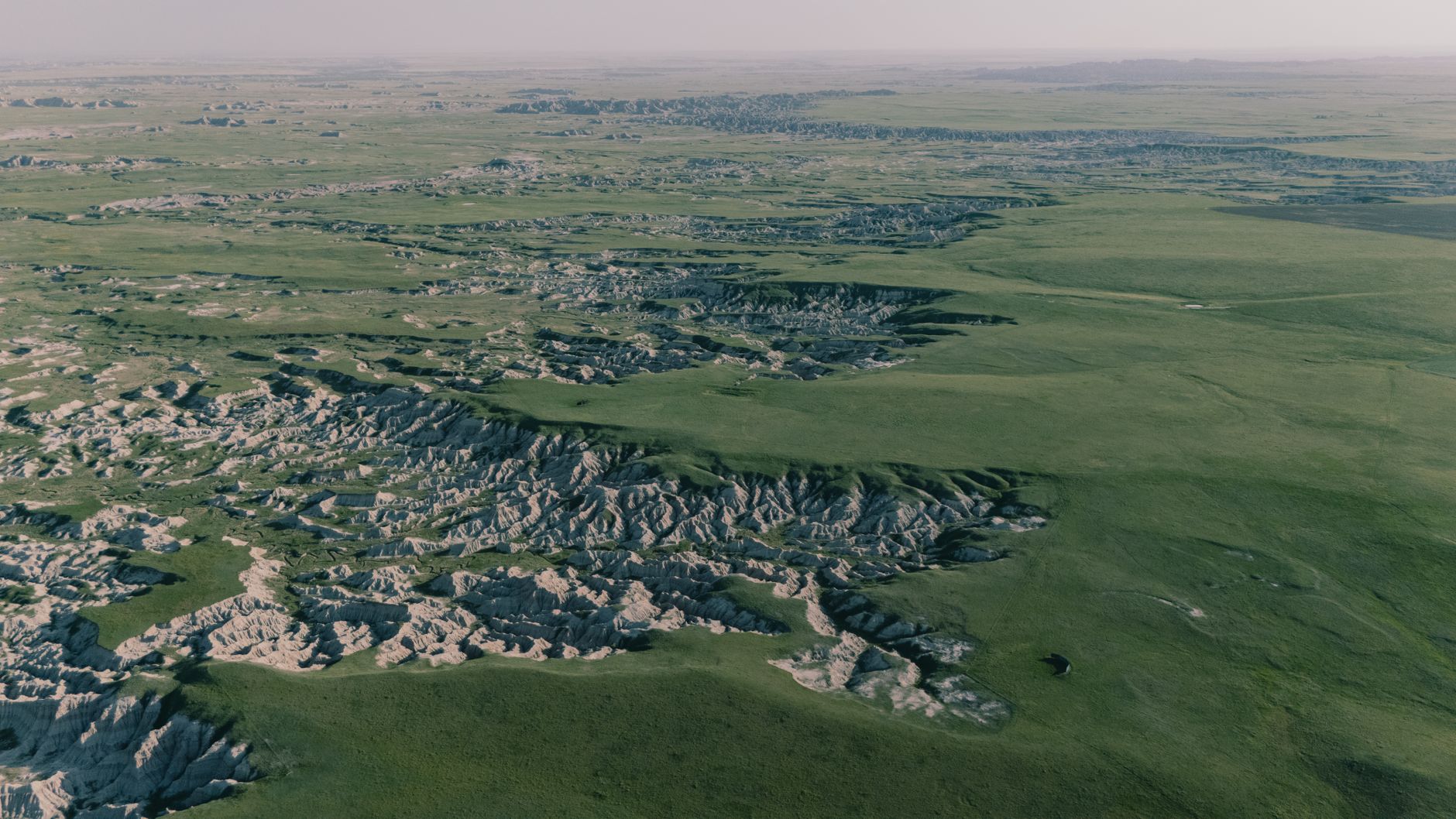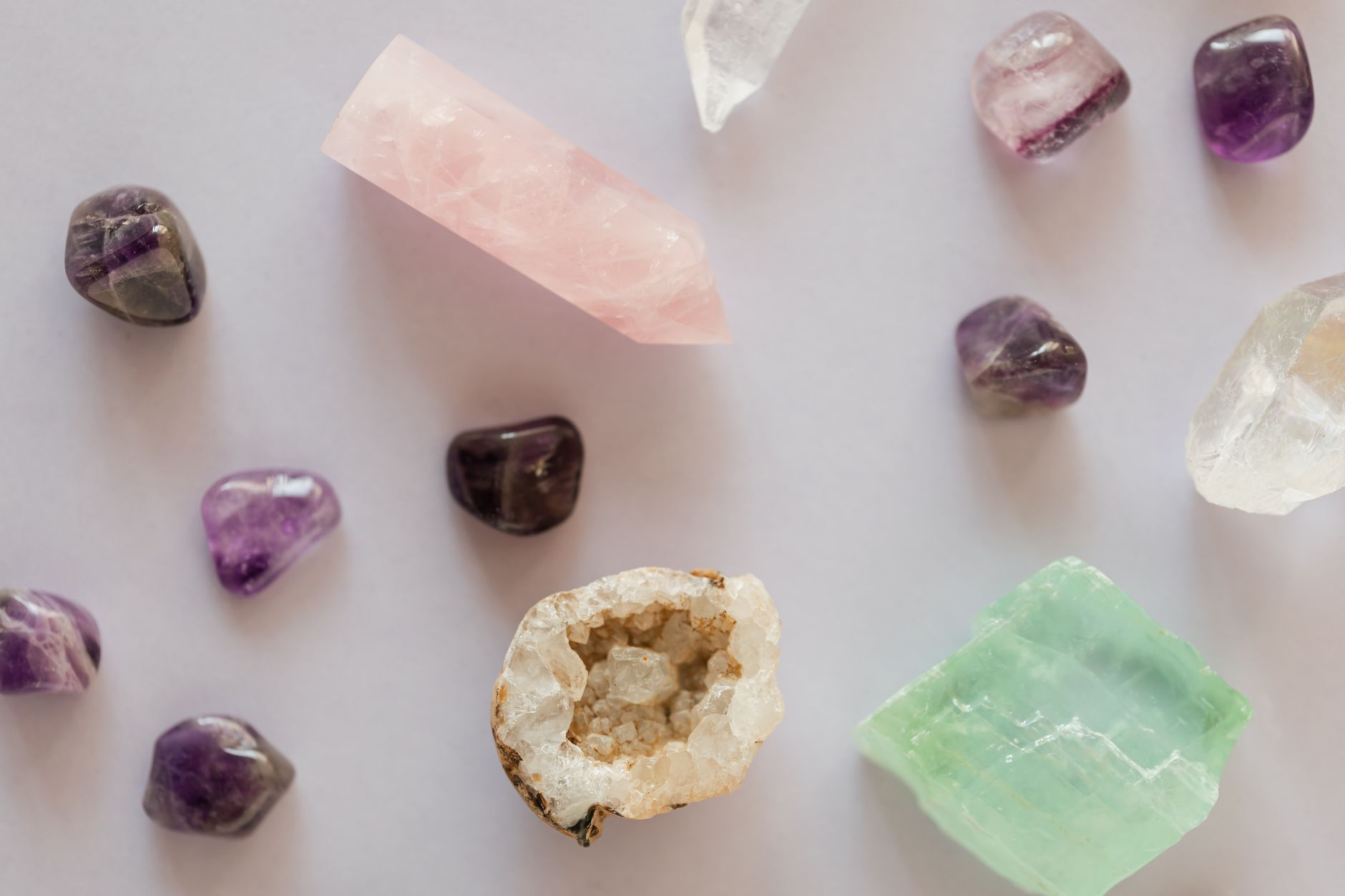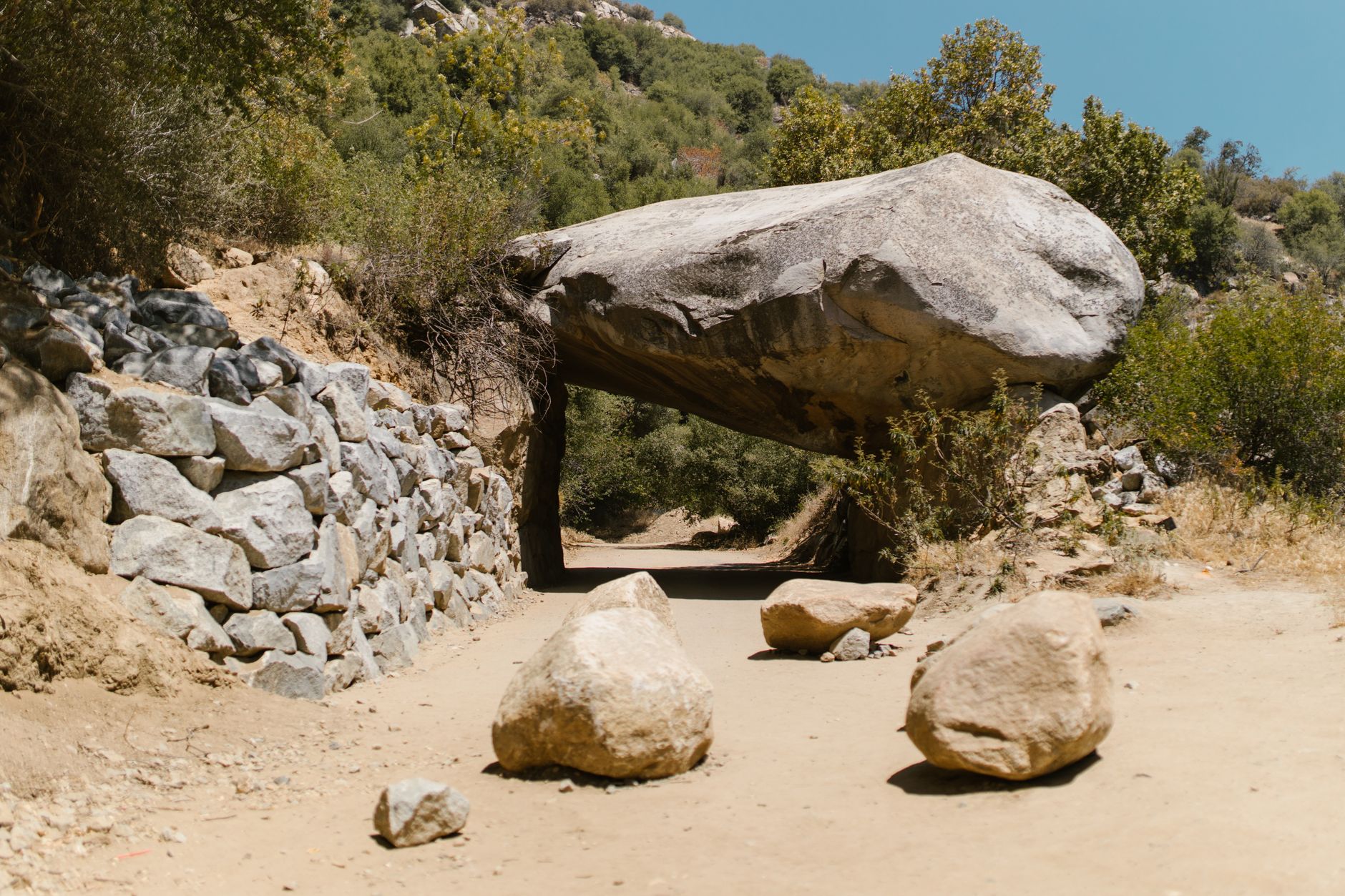
California packs more rockhounding variety into one state than almost anywhere else in North America. The geology ranges from the granitic Sierra Nevada to the volcanic Modoc Plateau, the desert basins of the Mojave, and the serpentine belts of the Coast Ranges. That mix produces gold, benitoite, tourmaline, agate, jasper, petrified wood, and rare minerals. If you are comparing destinations, California consistently ranks near the top in our best rockhounding states guide. The key is knowing which region to visit for the material you want.
Rockhounding in California in 2026 is not a free-for-all. Public land rules are tight after wildfire closures and an increase in active mining claims. The Bureau of Land Management manages most open collecting on federal land, but not all BLM land is open. Wilderness areas, national monuments, and some Areas of Critical Environmental Concern are off-limits. State parks and private property almost always prohibit removing rocks, minerals, or fossils. Before you pack your truck, verify the exact land status of your target site.
Gold panning remains one of the easiest ways to start rockhounding in California. The Mother Lode counties still produce fine gold in rivers and dry washes. You do not need heavy equipment to find color in your pan. If you are new to panning, review our how to pan for gold guide before you leave. For gem hunters, San Benito County gives you benitoite, a blue barium titanium silicate with a hardness of 6 to 6.5 on the Mohs scale. Use Mindat.org to check specific dig site records and mineral lists before you spend a day hiking.
This guide walks through the California land rules, the best gold and gem sites, and the gear you need for 2026. You will also learn how to stay safe in desert heat and how to document your finds. Whether you want to pan the American River or search for agate in the Mojave, a little planning makes the trip legal and productive. Let’s start with the foundation: land status and permits.
What You’ll Need
- Estwing rock hammer
- Rock chisel or gad bar
- Safety glasses
- Work gloves
- 10x triplet loupe
- Gold pan
- Sturdy bucket
- Spray bottle
- Offline GPS map
How Do You Rockhound in California 2026?
- Identify legal collecting land before you travel
The first step for any California rockhounding trip is to confirm who owns the land and what collecting rules apply. Federal land managed by the Bureau of Land Management and the U.S. Forest Service is the most common starting point. Casual collecting of small amounts of rocks and minerals is usually allowed on BLM land, but the rules change if the land is inside a wilderness area, national monument, or designated critical habitat. Use the BLM’s land records and the Forest Service motor vehicle use maps to find open roads and legal access. A good field habit is to mark your route on a downloaded map because cell service disappears in many desert and mountain sites.
Private land and patented mining claims are a different world. A patented claim is legally private property, even if it looks like open desert. Entering without permission can get you cited for trespassing. Unpatented claims on public land still belong to the claimant for mineral rights, so collecting there without permission can violate federal mining law. Check the county recorder and the BLM’s LR2000 system for active claims near your target. If you want a broad introduction to legal field collecting, read our mineral collecting field guide.
Do not assume that a dry wash or an old mine dump is open just because it looks abandoned. Many famous California sites sit on a mix of private parcels, road easements, and patented claims. The best strategy is to visit fee-dig sites or known public collecting areas that are well documented by clubs and local rockhound groups. Those sites often have clear access and fewer legal surprises. Once you confirm land status, you can focus on the fun part: finding minerals.
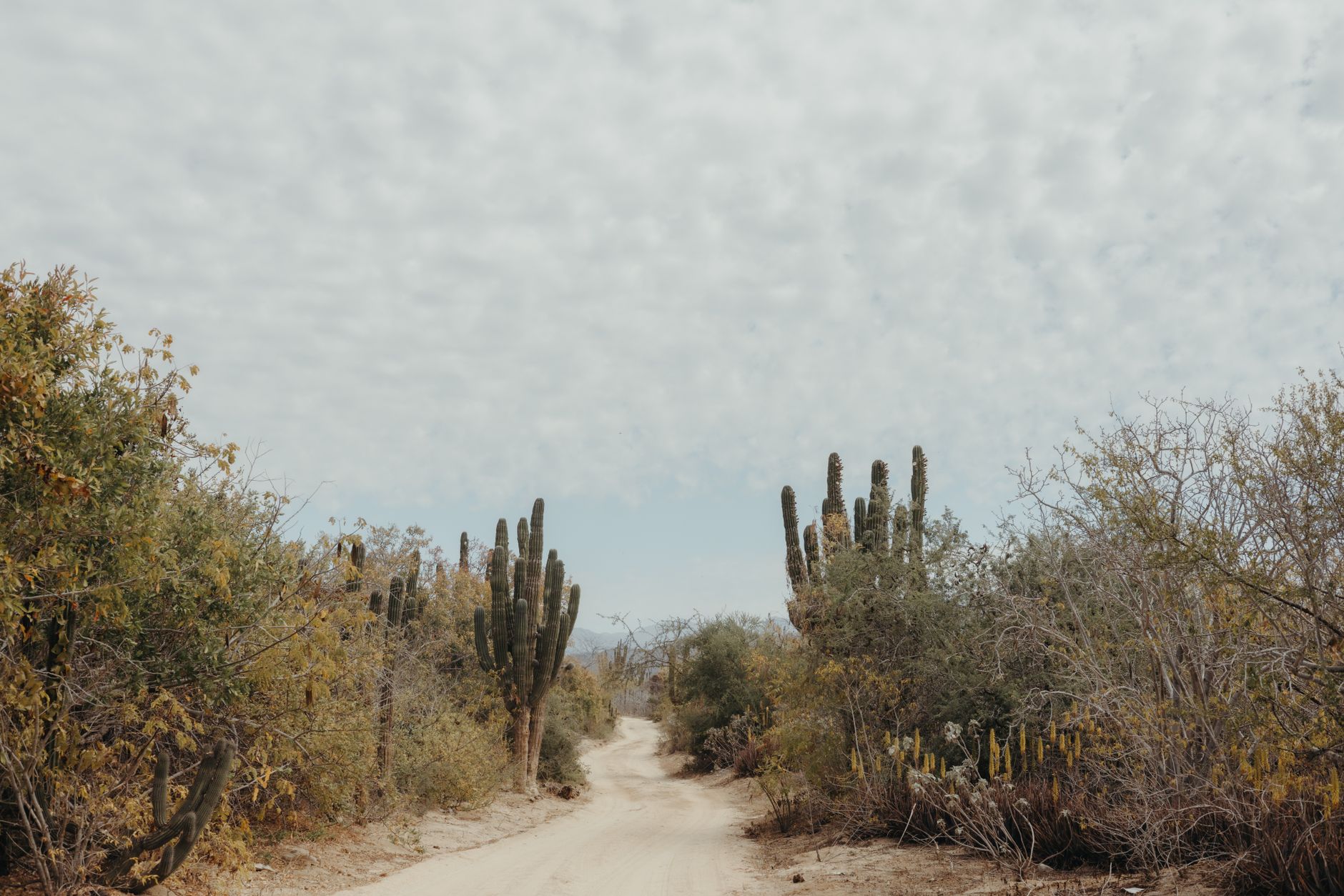
- Assemble California rockhounding gear that handles heat and hard rock
California collecting areas range from river gravel to hard rock pegmatites. A good rock hammer is the anchor of your kit. I carry an Estwing rock hammer because the one-piece steel handle can take hard swings without loosening. Check the estwing rock hammer on Amazon. Add a small chisel or gad bar for prying crystals from pockets. Safety glasses are not optional. Sharp rock chips fly fast when you hit quartz or granite. Work gloves protect your hands from broken glass, sharp edges, and desert plants.
You also need a way to see what you are collecting. A 10x triplet loupe helps you spot crystal faces, banding in agate, and tiny gold flakes. Check the 10x triplet loupe on Amazon. For a detailed look at field loupes, see our best magnifying loupes guide. A small spray bottle is useful for wetting rocks to reveal color and pattern. Carry a sturdy bucket and some newspaper or cloth to wrap fragile specimens. A backpack with a waist belt helps distribute the weight of rocks on long hikes.
Maps and water are gear too. Download offline maps before you leave because many California rockhounding sites are outside cell range. A GPS unit or phone with satellite view will keep you out of closed roads. Carry more water than you think you need. One gallon per person per hour is the rule for desert collecting in summer. I also keep a small first aid kit, a hat, sunscreen, and a headlamp. If you need a full gear list, start with our best rockhounding gear guide.
- Start with gold panning in the Mother Lode and northern rivers
Gold has a specific gravity of 19.3, which means it sinks fast in moving water. That simple fact makes panning work. California’s gold country stretches along the western slope of the Sierra Nevada from Mariposa County north to Plumas County. The American River, Yuba River, Feather River, and their forks still produce fine gold for patient panners. Look for inside bends, behind boulders, and in low-pressure zones where heavy minerals drop out of the current. Dig down to bedrock when possible because gold settles in cracks and false bedrock.
You do not need a permit for casual gold panning on most BLM and Forest Service land, but suction dredging and other motorized equipment require state permits and are restricted in many rivers to protect fish habitat. Hand panning and a shovel are usually allowed. If you are new to the process, follow our how to pan for gold guide step by step. A basic gold pan with riffles traps black sand and gold. Check the garrett gold pan on Amazon.
The Mother Lode counties include Placer, Nevada, Sierra, Amador, Calaveras, Tuolumne, and Mariposa. Many public panning spots are along river access points managed by the Forest Service or local parks. Avoid private claims, which are common along the South Yuba and American rivers. You can usually identify claim markers or posted signs, but outdated signs get pulled down. Check the BLM LR2000 system before you dig. Even if you only find small flakes, gold panning teaches you to read stream hydraulics, a skill that helps you find heavy mineral deposits anywhere.
- Hunt for benitoite and gem crystals in San Benito and pegmatite districts
Benitoite is California’s state gem and one of the rarest gem minerals in the world. It is a blue barium titanium silicate with a hardness of 6 to 6.5 on the Mohs scale. That means it is softer than quartz, so it requires careful handling. The best-known source is the Dallas Gem Mine area in San Benito County, but collecting there is restricted to fee digs and organized trips. The rockhounding club and the mine owner set the rules. Most benitoite specimens sit in white natrolite and gray crossite matrix, so look for blue triangular crystals under bright sunlight.
Southern California’s pegmatite districts are another high-value target. The Himalaya Mine near Mesa Grande and the Pala Chief Mine in San Diego County produced world-class tourmaline. Colors range from pink and green to watermelon tourmaline with a pink core and green rim. Tourmaline has a hardness of 7 to 7.5 on the Mohs scale and often grows in elongated crystals. Many fee-dig sites in Pala and Ramona let you screen leftover mine tailings for small crystals. Use our gemstone identification guide to learn how crystals form and what clues to look for.
Mindat locality pages are invaluable for gem hunters in California. Search for a mine name or a county to see mineral lists, maps, and old collecting reports. That data helps you avoid wasted trips to closed claims. For pegmatite work, carry a rock hammer, chisel, and a good loupe because fine tourmaline can hide inside feldspar and mica pockets. Never use power tools or heavy equipment at fee digs unless the operator says it is allowed. Hand tools keep the site open for future collectors.
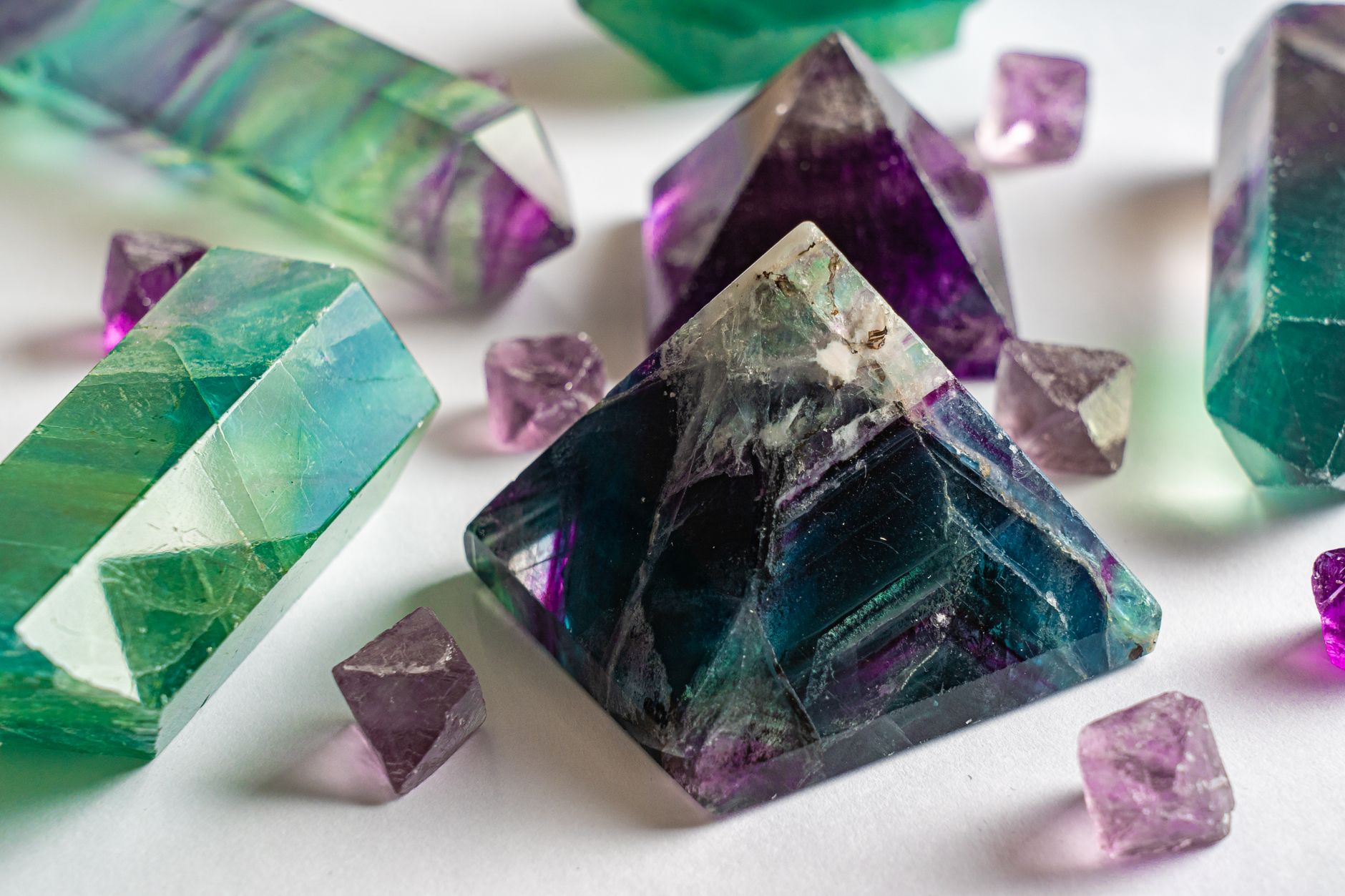
- Collect agates, jasper, and petrified wood across the deserts and coast
California’s deserts offer some of the most accessible collecting in the state. The Mojave Desert is famous for agate, jasper, and chalcedony. The Cady Mountains and the Lavic Siding area near Ludlow are known for colorful jasper and agate nodules. Agate is a microcrystalline quartz with a hardness of 7 on the Mohs scale. Jasper is typically 6.5 to 7. Both take a great polish, which makes them favorites for tumbling. If you want to identify agate in the field, read our how to identify agates guide.
Petrified wood occurs in several California locations, but many are protected. Do not collect inside national parks or national monuments. BLM land near the Mojave has petrified wood in limited quantities. Personal-use collection is sometimes allowed up to 25 pounds per day plus one piece, but check local rules because some areas have stricter limits. The wood in the Mojave is often replaced by silica with a hardness near 7, so it holds up well in a rock tumbler.
Coastal California has agates and jaspers too, especially along beaches in Humboldt and Mendocino counties. Beach collecting is easier on the body than desert hiking, but you still need to respect state park rules. Many state beaches prohibit removing rocks, so look for county or federal beaches that allow collecting. Agates on the coast often show banding when wet. Carry a spray bottle to reveal patterns. For lapidary work later, see our best rocks to tumble guide.
- Follow BLM, Forest Service, and claim rules on every trip
The legal side of California rockhounding comes down to three layers: federal land rules, state rules, and mining claim boundaries. On BLM land, casual collecting is generally allowed for personal use, but not for commercial sale without a permit. You can usually take reasonable amounts, which many BLM offices define as a five-gallon bucket full per day. If you plan to sell specimens, you need a separate permit. The Forest Service has similar rules but often limits collecting in designated wilderness and research natural areas.
Mining claims are the biggest trap for unwary rockhounds. An unpatented claim gives the holder exclusive rights to locatable minerals on that land. Even if the land is federal, the mineral rights belong to the claimant. Collecting on an active claim is mineral trespass. The BLM LR2000 database lets you search claims by state, township, and range. Use it before every trip. For more on proper field practices, our mineral collecting field guide covers claim etiquette and landowner permission.
Nevada and Arizona share borders with California and often have more relaxed collecting on some BLM districts. If you are near the eastern deserts, a quick detour into Nevada rockhounding areas or Arizona rockhounding sites can add variety. But the same claim and closure rules apply. Always check current fire restrictions, because a rock hammer strike can create sparks in dry grass. Hand tools are fine in most areas, but no mechanized equipment without permits.
- Document, clean, and identify your California finds
The moment you find a good specimen, take a photo in place before you move it. Use your phone’s GPS or a handheld GPS to record the exact coordinates. Write a short note with the date, land status, and nearby road or creek. This documentation turns a pretty rock into a useful collection specimen. Photograph both the wet and dry surface because color and banding can change. A small field notebook or a notes app works fine. If you are collecting for lapidary purposes, mark which pieces you plan to cut or tumble.
Cleaning California minerals requires patience. Most common finds can be rinsed with water and a soft brush. Do not use acid on unknown minerals unless you know exactly what you have. Some California minerals, like calcite and gypsum, are soft and can be ruined by aggressive cleaning. Start with gentle methods. Our how to clean rocks and minerals guide explains when to use water, soap, or specialized treatments. For hardness testing, use the Mohs hardness scale guide to avoid damaging a specimen.
Identification is the most rewarding part after the dig. Use a loupe to inspect crystal shape, cleavage, and fracture. Check streak by rubbing the mineral on a piece of unglazed porcelain. Common California finds include quartz, chalcedony, calcite, gypsum, barite, garnet, and epidote. Mindat and USGS geologic maps can tell you what minerals are expected in the host rock. If you plan to cut slabs or polish cabochons, learn the basics with our how to cut rocks with a tile saw guide.
- Plan a safe multi-day California rockhounding trip
A multi-day trip lets you cover two or three regions without rushing. Pair a gold panning day in the Sierra foothills with a desert agate day in the Mojave. Or combine San Benito benitoite hunting with coastal agate collecting. The key is to plan driving times realistically. California is huge, and mountain roads are slow. Gas stations and water are scarce in the desert, so fill up before you leave a main highway. Tell someone your itinerary and expected return time.
Heat is the biggest safety risk. Desert temperatures in June through September often exceed 100 degrees Fahrenheit. Hike early in the morning and rest in shade during midday. Carry one gallon of water per person per hour and salty snacks to replace electrolytes. In mountain areas, afternoon thunderstorms can create flash floods in dry washes. Never camp in a wash, even if the sky is clear. Check the National Weather Service and the local BLM or Forest Service office for fire restrictions before you build a campfire.
Backup sites matter because closures happen. A road can wash out, a claim can be posted, or a fire can close an entire district. Keep at least two or three target areas within an hour of each other. Use our best rockhounding states guide if you want to compare California with nearby options. After the trip, clean and sort your finds. If you tumbled agates or jasper, review our rock tumbling step by step guide before you start the next batch.
Red Flags & Warnings
- 🚨 Never assume open access. Check BLM or Forest Service status before entering burned or restricted areas.
- 🚨 Do not dig in national parks or national monuments. Collecting is illegal and can bring federal fines.
- 🚨 Respect active mining claims. A pile of rocks may look abandoned but still be patented or claimed.
- 🚨 Heat kills. Carry at least one gallon of water per person per hour in desert sites.
- 🚨 Do not use power tools on public land without permits. Hand tools only in most areas.
- 🚨 Private land is not open to rockhounds. Get written permission before crossing fences or collecting.
Frequently Asked Questions
Do I need a permit to rockhound in California?
It depends on the land. Casual collecting on most BLM and Forest Service land does not require a permit, but some sites have day-use fees or special restrictions. State parks, national parks, and private land generally prohibit collecting without specific permission. Always check the local land management office before you dig.
Where are the best places to find gold in California?
The Mother Lode region on the western Sierra Nevada slope is the classic gold area. Public panning spots exist along the American, Yuba, Feather, and Kern rivers and their forks. Look for inside bends and bedrock cracks. Hand panning is usually allowed, but check claim status first.
Can I still find benitoite in California?
Yes, benitoite is still found in San Benito County, primarily at fee digs and through organized tours near the Dallas Gem Mine. It is California’s state gem and has a hardness of 6 to 6.5. Most specimens are small blue crystals in white natrolite, so use a loupe and handle carefully.
What tools should I bring for California rockhounding?
A rock hammer, chisel, safety glasses, work gloves, spray bottle, bucket, and a 10x loupe are the basics. Gold panners should add a quality pan and a small shovel. Desert trips require extra water, a hat, sunscreen, and offline maps.
Is petrified wood collection legal in California?
It is allowed on some BLM land in limited personal-use amounts, often up to 25 pounds per day plus one piece. It is illegal in national parks and many state parks. Always verify local limits because some areas have stricter rules or require permits.
How do I identify minerals I find in California?
Start with hardness, streak, crystal shape, and color. A 10x loupe helps you see cleavage and fracture. Use Mindat locality pages and USGS geologic maps to see what minerals occur in the area. A good field guide and the Mohs hardness scale make identification much easier.
What Should You Remember?
- Check land status first: BLM and Forest Service land may allow casual collecting, but claims, wilderness, and private land require permission.
- Gold panning is beginner friendly: The Mother Lode and northern rivers still produce fine gold; hand panning is usually legal without a permit.
- Benitoite is a California specialty: San Benito County offers the rare blue gem; handle it gently because its hardness is only 6 to 6.5.
- Agate and jasper are widespread: The Mojave Desert and coastal beaches produce tumble-ready quartz family stones with hardness near 7.
- Respect mining claims: Check BLM LR2000 before you collect; mineral trespass can lead to fines.
- Prepare for heat and isolation: Carry one gallon of water per person per hour, download offline maps, and tell someone your route.
This article is for general information only. Rockhounding and collecting carry land-access, safety, and legal obligations , always verify claim status, land ownership, and collecting rules before removing material, and get landowner or land-agency permission where required. Field collecting involves physical hazards; use proper safety gear and never enter mines or unstable terrain.