Arizona remains one of the top rockhounding destinations in the US in 2026. Its volcanic terrain and desert washes expose agate, jasper, quartz, and the state’s famous fire agate. This guide covers the best public sites, permit basics, and field techniques. For a broader overview of the state’s mineral wealth, see our complete Arizona rockhounding guide.
Fire agate is the big draw for many collectors. The stone’s iridescent layers form in volcanic gas pockets. Fire agate is a form of chalcedony with a hardness of 6.5 to 7 on the Mohs scale. That makes it tough enough for jewelry but still tricky to cut without losing the color layer.
You can collect limited amounts of common rocks and minerals on most BLM-managed public land for personal use. There are important exceptions. Active mining claims, wilderness areas, and tribal land require special permission or are off limits. Always verify before you remove material.
This step-by-step guide walks through planning, field identification, heat safety, and cleanup. You will learn where to look, what to bring, and how to avoid the most common mistakes Arizona collectors make.
What You’ll Need
- rock hammer
- 10x triplet loupe
- safety glasses
- leather gloves
- wide-brim hat
- GPS or phone with offline maps
- one gallon water per person
- collection bags and marker
How Do You Rockhound in Arizona 2026?
- Check current land status and permit rules before you dig
On Bureau of Land Management land, casual collection of reasonable amounts of common rocks, minerals, and invertebrate fossils is often allowed without a permit for personal noncommercial use. That does not mean all BLM land is open. Some areas have mineral withdrawals, recreation fees, or seasonal closures. The Bureau of Land Management (BLM) updates district-level rules. Check the field office that manages the specific area before you drive far.
National Park Service land, national monuments, tribal reservations, and state parks have different rules. Many prohibit surface collecting entirely. Removing even a small rock from a national park is illegal. If you are not sure, assume you need written permission. Private property requires owner consent. Active mining claims on public land are also private mineral rights. You cannot collect from a staked claim without the claim holder’s permission.
In Arizona, a reasonable amount generally means small hand specimens for personal use. Commercial sale, heavy equipment use, or collecting petrified wood over set limits can require additional permits. The state’s petrified wood rules are some of the strictest in the country. If you plan to sell any material, treat your trip as a commercial operation. This is a common mistake new rockhounds make.
- Research Arizona rockhounding sites with Mindat and local sources
Before heading out, build a short list of specific locations and the minerals they are known for. Mindat.org is the best free database for mineral locality data. Search for an Arizona county or a mineral name like fire agate Arizona. Mindat often lists historical sites, associated minerals, and map coordinates. Some entries are on private land, so cross-check with current land status.
Local rockhounding clubs and Facebook groups share updated access information. A site that was open five years ago may now be closed or under claim. Call the nearest BLM field office and ask directly. Ask whether the road is passable for a standard vehicle. Also ask about recent flash flood damage or fire restrictions. Good research can save you a long wasted drive. See our best rockhounding states 2026 for how Arizona compares to other US states.
When you research a site, note the ideal season. Many Arizona desert collecting areas are best from October through April. Summer visits are dangerous. Elevation also matters. Mountain sites may stay cooler, but monsoon storms can wash out roads in minutes. Check local weather and road conditions in the days before your trip.

- Pack the right field gear for Arizona heat and terrain
Arizona’s dry heat and sharp volcanic rock punish cheap gear. Start with a quality rock hammer. A 22-ounce flat nose or point tip works for most surface collecting. The Estwing rock pick is a classic choice. Bring safety glasses or goggles. Chips fly fast and can damage an eye in a second. Also carry leather gloves to protect your hands from sharp agate edges.
A 10x triplet loupe is the most underrated tool in an Arizona rockhound’s kit. It helps you see fire agate color bands, tiny quartz crystals, and the difference between solid material and weathered rinds. A BelOMO 10x triplet loupe gives a clear, flat field. You will use it more than your hammer on some trips. See our best rock hammers 2026 guide for more hammer options.
Water is the real gear priority. Carry at least one gallon per person per day. In summer, carry two or more. A wide-brim hat, sun shirt, sunscreen, and sturdy hiking boots are essential. A GPS app with offline maps works better than phone service in remote areas. A small first aid kit and a whistle round out a safe field pack.
- Target fire agate locations in southern Arizona
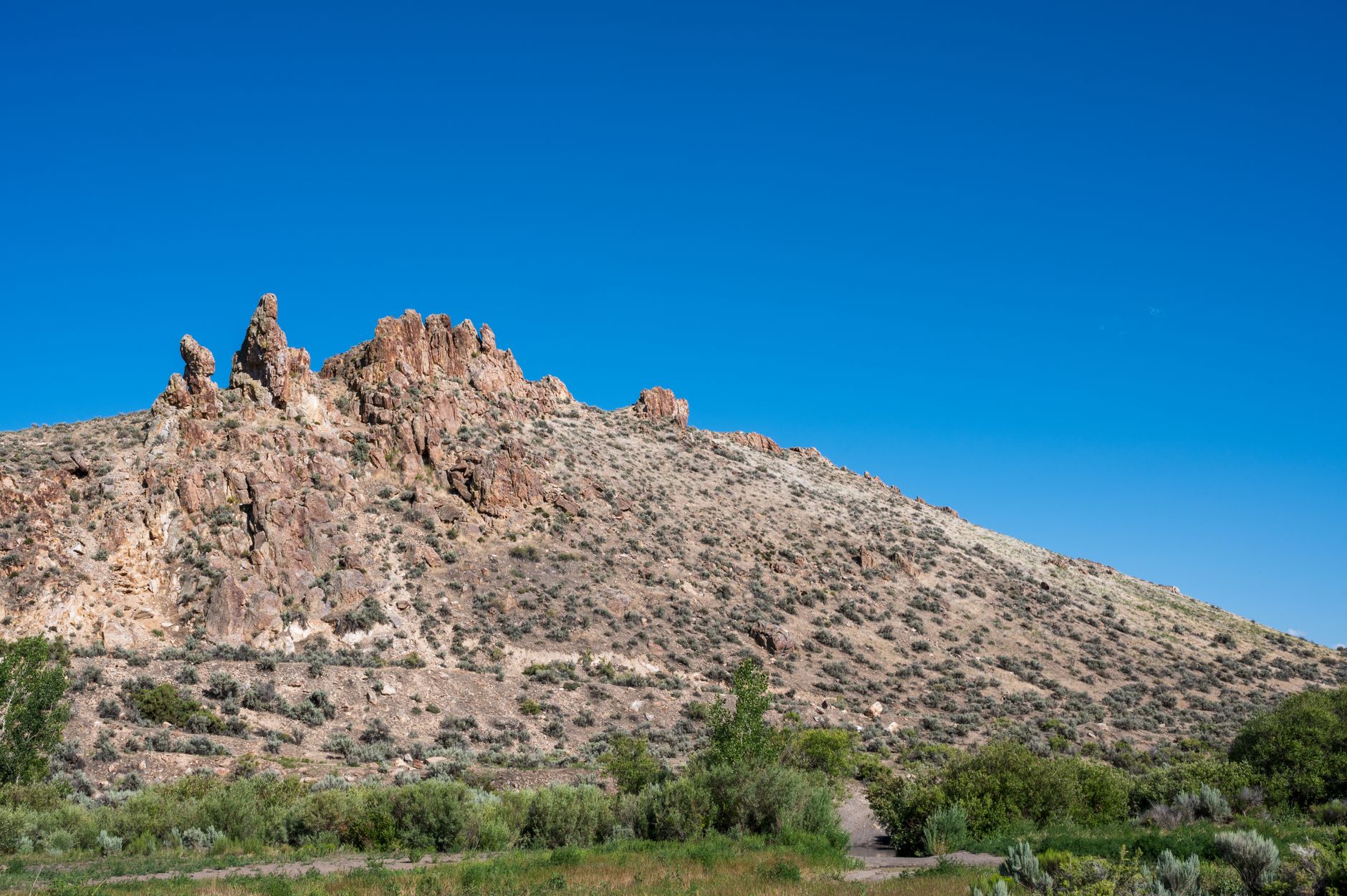
Fire agate is a layered chalcedony that shows vivid red, green, and gold reflections. The effect comes from thin layers of iron oxide between silica layers. Fire agate forms in volcanic areas, often in andesite or rhyolite. In Arizona, the Black Hills Rockhound Area near Safford is a public collecting site known for fire agates. The Saddle Mountain area west of Phoenix also produces good pieces. On the Mohs scale, fire agate sits at 6.5 to 7, so it can take a polish but chips if hit hard.
Look for dark gray to brown botryoidal masses on the surface or just below. The iridescent layer is often hidden under a dull rind. Use your hammer gently. Heavy blows can shatter the thin color layer. A small hand pick or chisel works better for extracting pieces from hard matrix. Search the tops and sides of small hills, not just the washes. Surface specimens can weather out after rains.
The best time to collect fire agate is after a winter or monsoon storm has moved loose material. Always scan with your loupe before discarding a chipped piece. Sometimes a perfect color flash hides in an ugly nodule. How to identify agates is a useful skill when you are sorting through a pile of chalcedony.
- Collect quartz, chalcedony, and other classic Arizona minerals
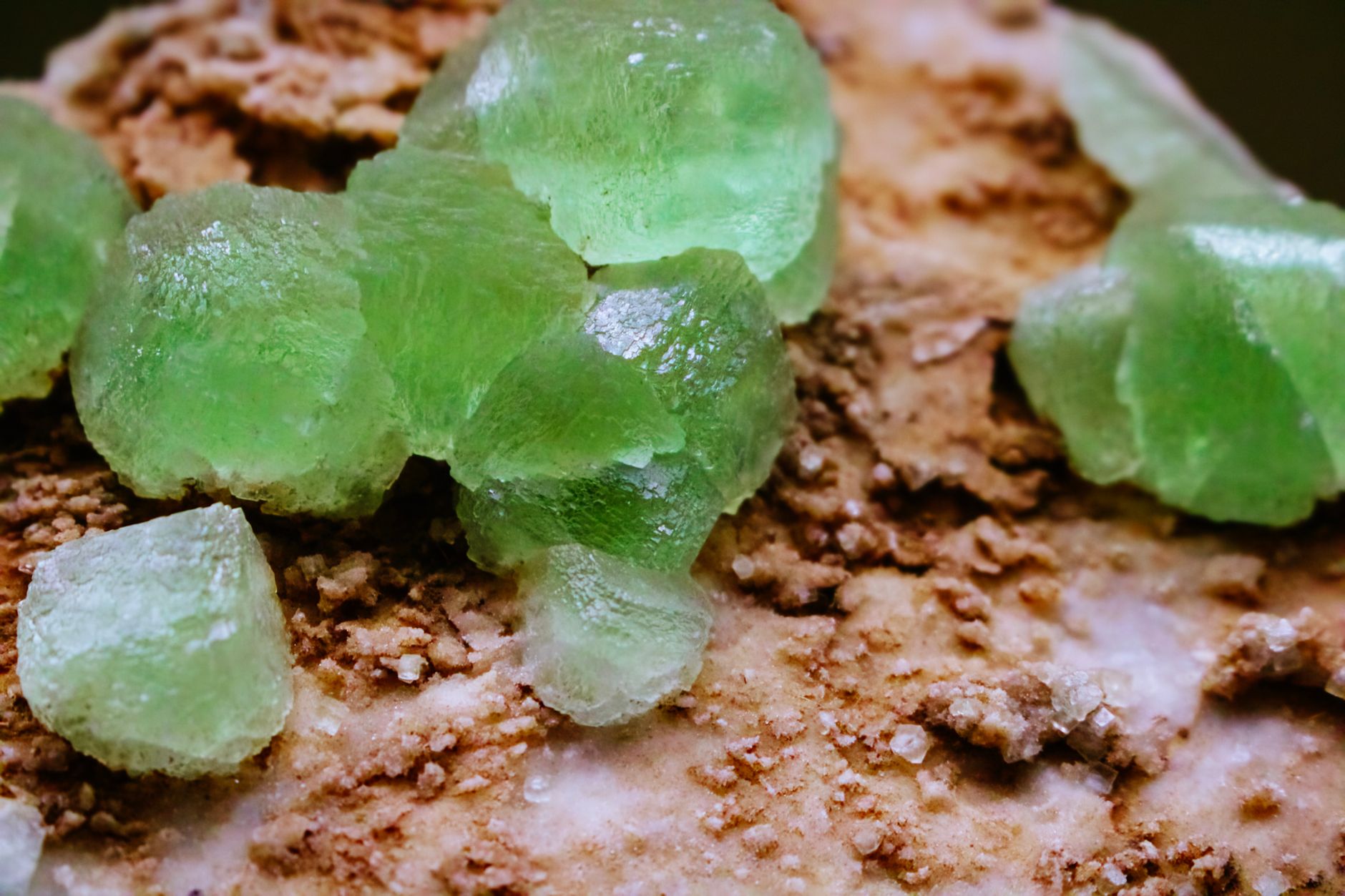
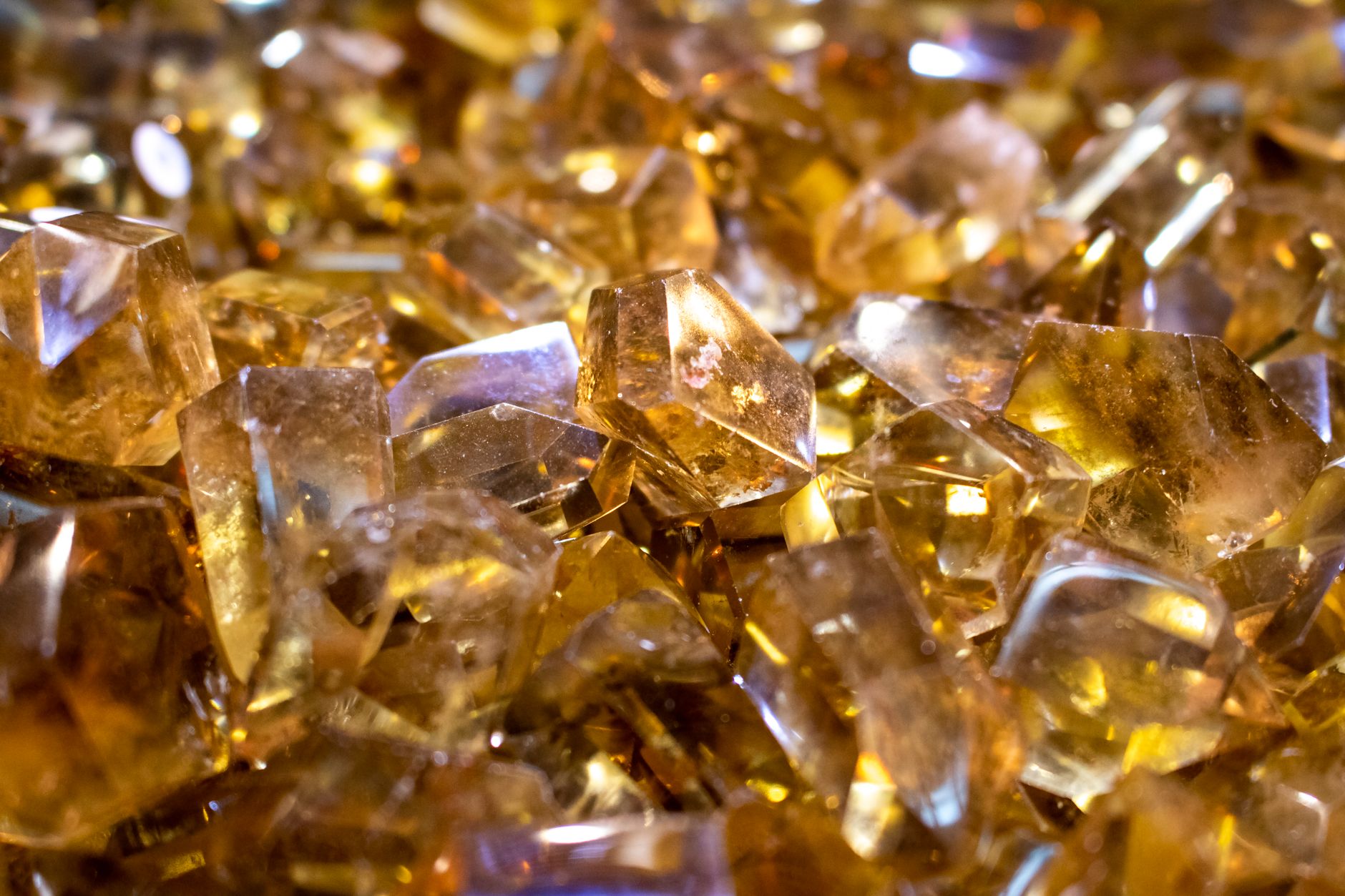
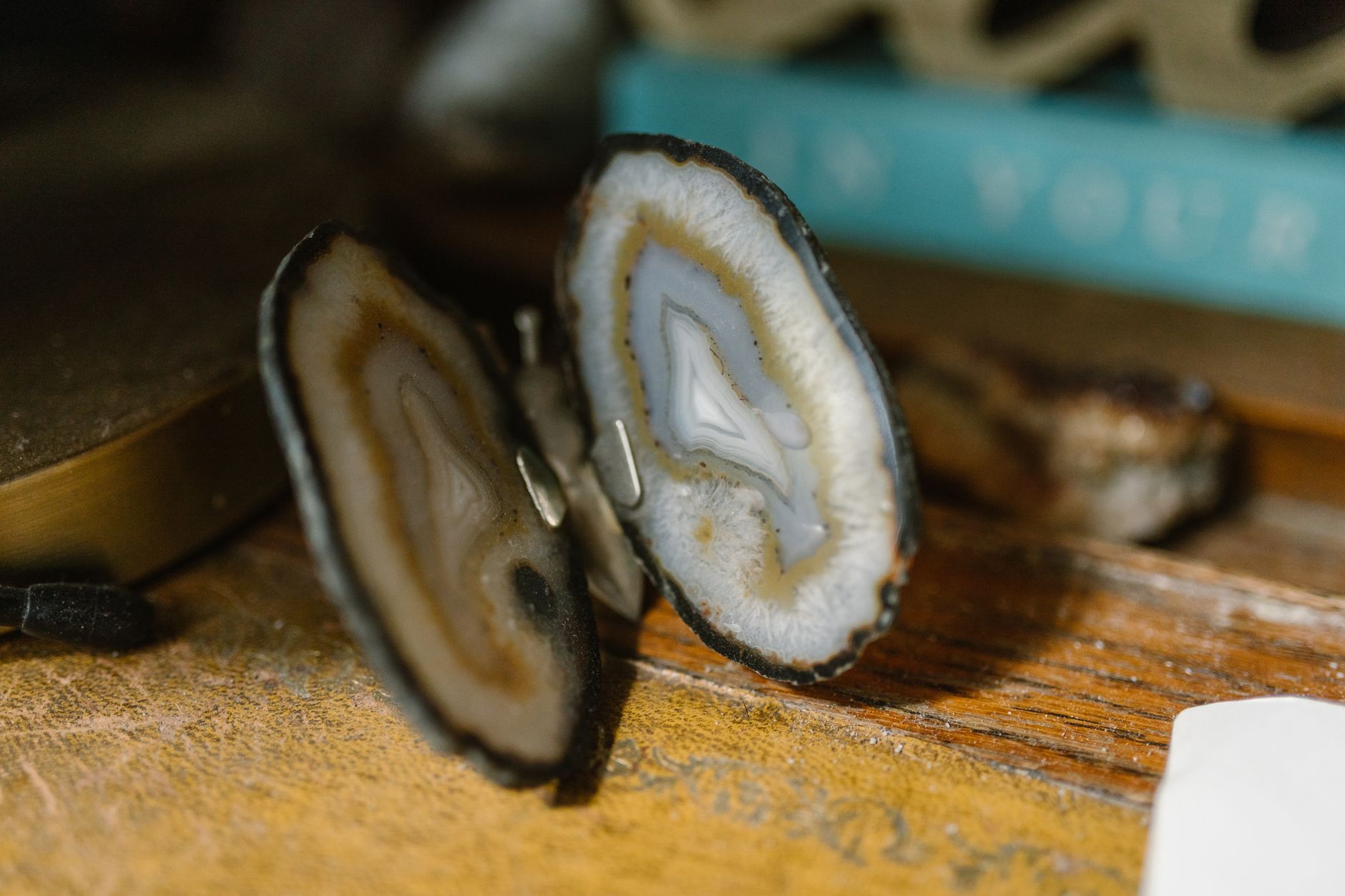
Arizona is not just fire agate. Quartz crystals, amethyst, jasper, perlite, and obsidian occur in many districts. The Four Peaks area is famous for amethyst, though most collecting requires permission. Near Payson and Globe, rockhounds hunt quartz crystals in old mine dumps and washes. Chalcedony roses and geodes show up in southern desert regions. Each area has its own catalog.
Jasper and agate are common in Arizona’s gravels and volcanic fields. Red, yellow, and brown jaspers tumble well and make good beginner material. If you enjoy tumbling, check our best rocks to tumble guide. For a detailed explanation of hardness in minerals, our Mohs hardness scale guide is essential. It will help you avoid wasting time on soft rock that will not polish.
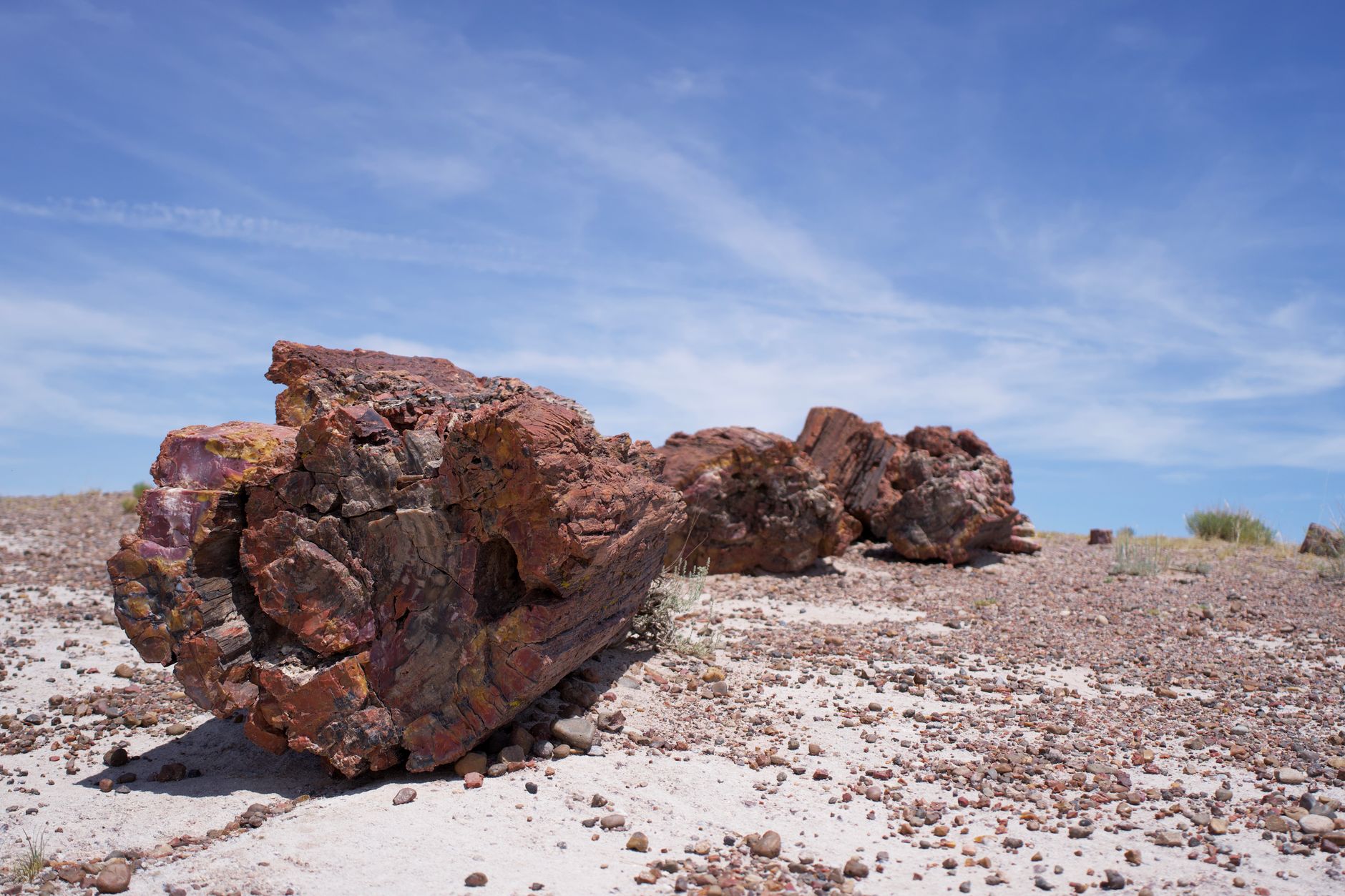
Petrified wood is another Arizona favorite, but rules are strict. Do not collect petrified wood on state land without checking limits. On BLM land, small amounts may be allowed. National Park land is absolutely off limits. The Petrified Forest National Park protects an enormous deposit. The penalty for removing wood there is serious.
- Identify and test your finds in the field
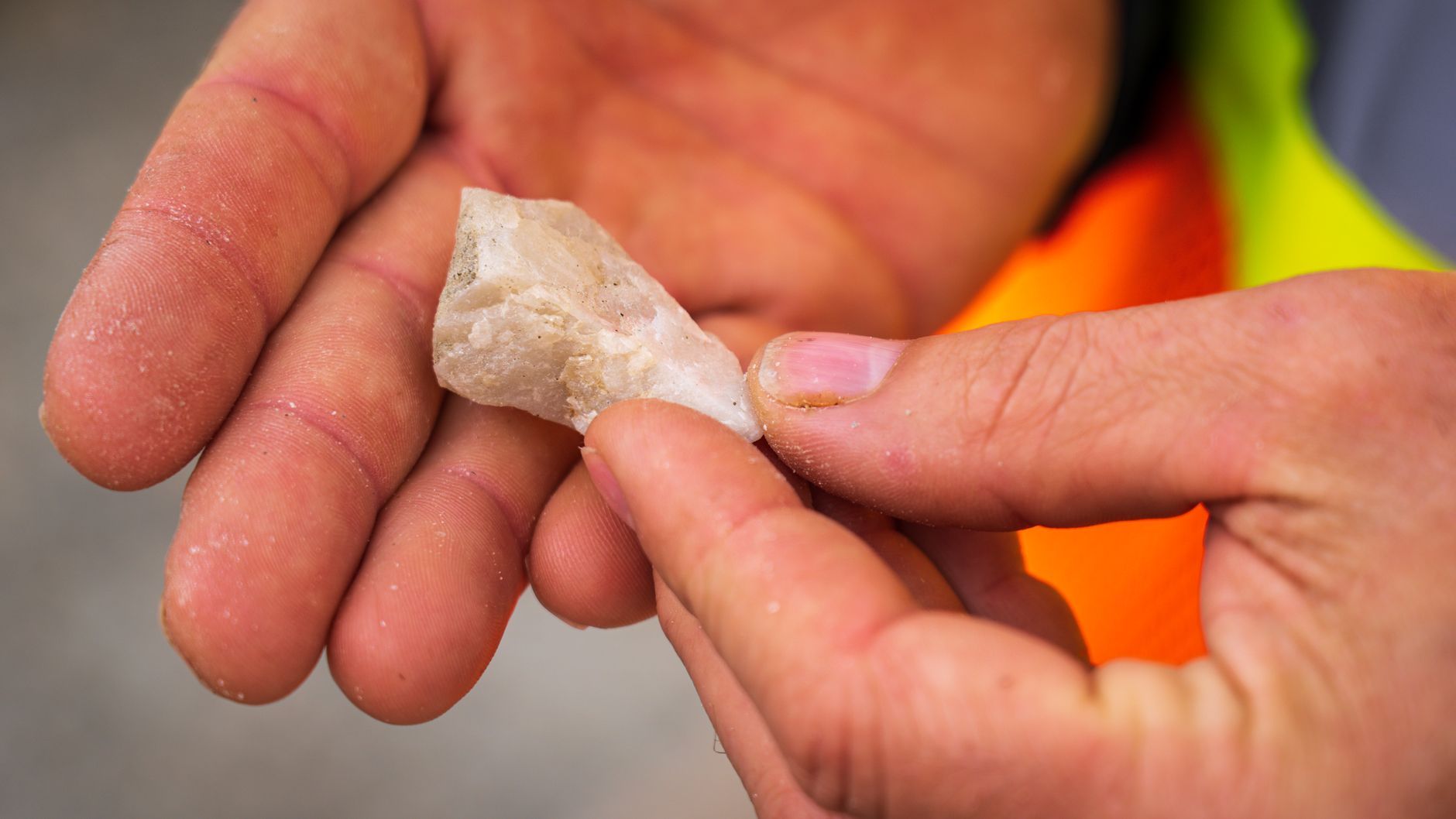
A quick field ID can prevent you from hauling home 50 pounds of worthless stone. Use your loupe to look for crystal faces, botryoidal habit, and flat fracture. Quartz, chalcedony, and agate all have a hardness of about 7. They will scratch glass. If a rock fizzes in vinegar, it is usually calcite or another carbonate, not silica. A streak plate can test color on harder minerals.
Carry a small spray bottle and a lens cloth. A wet rock often reveals fire agate color or banding that is invisible when dry. If you have a UV light, some Arizona minerals like willemite or fluorite will fluoresce. The gemstone identification guide covers the basics in more detail. Do not guess on high-value material. A local rock club can help with a second opinion.
Keep separate bags for different locations. Label them with a site name and date. This matters if you later want to trim, trade, or sell. A find with no location data loses most of its value to serious collectors.
- Stay safe in desert heat, flash floods, and old mine areas
Arizona heat is the leading danger. In summer, plan to collect only in early morning. Stop hiking by late morning. Drink before you feel thirsty. If you stop sweating and feel confused, you are in heat stroke territory. Get to shade and call for help. Spring and fall are far better seasons.
Do not enter washes during monsoon season unless the sky is clear. Flash floods can form miles away and arrive as a wall of water. Even a clear day upstream can become dangerous downstream in minutes. Park your vehicle above the high water line, not in a wash bottom. Check the National Weather Service before you go.
Old mine shafts, adits, and vertical openings are scattered across Arizona. Never enter them. They contain bad air, unstable rock, and hidden winzes. Collect only on the surface dumps nearby. Rattlesnakes and scorpions hide under shaded rocks. Turn rocks away from your body and do not put your hands where you cannot see.
- Clean, trim, and prep your rocks at home
After the trip, wash your finds with water and a soft brush. Do not use acid on fire agate or other silica minerals until you know what you are doing. Oxalic acid can remove iron staining but also damage calcite-based rocks. Soap and water plus a dental pick are enough for most field finds. Our how to clean rocks and minerals guide covers safe cleaning.
If you plan to cut or polish fire agate, use a lapidary saw or trim saw with a thin blade. The color layer is often only a few millimeters thick. Cutting too deep removes the fire. Many beginners start with a tile saw and a fine diamond blade. Our how to cut rocks tile saw guide explains the basics. For tumble-friendly material, use our rock tumbling step by step guide to get a good polish.
Store labeled specimens in a cool, dry place. Direct sunlight can fade some minerals. Fire agate is stable, but labels and plastic bags degrade. Transfer important pieces to small boxes with acid-free labels. If you want to display your best Arizona finds, a little cleaning goes a long way.
Red Flags & Warnings
- 🚨 Never collect on active mining claims without written permission. Claim markers are not always visible, so check land status maps before you enter.
- 🚨 Do not remove rocks from national parks, monuments, tribal land, or state parks. Penalties include large fines and possible jail time.
- 🚨 Do not enter abandoned mine workings. Bad air and collapse kill people every year. Collect surface dumps only.
- 🚨 Heat kills. Carry one gallon of water per person per day and stop collecting before midday in summer.
- 🚨 Flash floods can occur even when it is sunny where you are standing. Do not camp or park in a dry wash.
- 🚨 Watch for rattlesnakes and scorpions. Use a walking stick and turn rocks away from your body.
Frequently Asked Questions
Do I need a permit to rockhound in Arizona?
On many BLM lands, casual collecting of small amounts for personal use does not require a permit. Some districts and special management areas do require one. Always contact the local BLM field office before collecting. Commercial collecting always requires permission.
Where are the best places to find fire agates in Arizona?
The Black Hills Rockhound Area near Safford and the Saddle Mountain area west of Phoenix are two well-known public or mostly public fire agate localities. Check current access before you go. A 10x loupe helps spot hidden fire in dark chalcedony.
What is fire agate worth?
Top-quality fire agate with bright red, green, and gold flash can be valuable, especially in cut cabochons. Most field-collected pieces are lower or middle grade. Value depends on color intensity, pattern, and how easily the stone can be cut without losing the fire layer.
What time of year is best for Arizona rockhounding?
October through April is ideal for most desert areas. Summer is dangerous due to extreme heat. Monsoon season from late June through September can bring flash floods that make washes unsafe.
Can I use a rock tumbler for Arizona agates and jasper?
Yes. Agate, jasper, and chalcedony are some of the best tumbling materials because their hardness is around 7. They produce a great polish with proper grit progression. Softer rocks will not survive a tumbler with these harder stones.
How do I tell fire agate from regular agate?
Fire agate has a botryoidal or bubbly surface and shows iridescent color from thin layers. Regular agate has banding but not the metallic rainbow effect. Wet the stone and view it under strong light with a loupe. The color flash is the key difference.
What Should You Remember?
- Check land status first. Public land does not mean open to collecting. Verify with BLM and avoid active claims, parks, and private land.
- Target known fire agate zones. The Black Hills Rockhound Area near Safford and Saddle Mountain produce fire agates with patience and careful searching.
- Bring the right tools. A rock hammer, 10x loupe, safety glasses, and gloves make desert collecting safer and more productive.
- Respect the heat. Collect from October through April, carry at least one gallon of water per person, and start early in summer.
- Identify before you haul. Use hardness, streak, and wet-surface tests to avoid loading up on low-value stone.
- Prep for display or tumbling. Clean, label, and trim your finds properly to keep their value and beauty.
This article is for general information only. Rockhounding and collecting carry land-access, safety, and legal obligations , always verify claim status, land ownership, and collecting rules before removing material, and get landowner or land-agency permission where required. Field collecting involves physical hazards; use proper safety gear and never enter mines or unstable terrain.