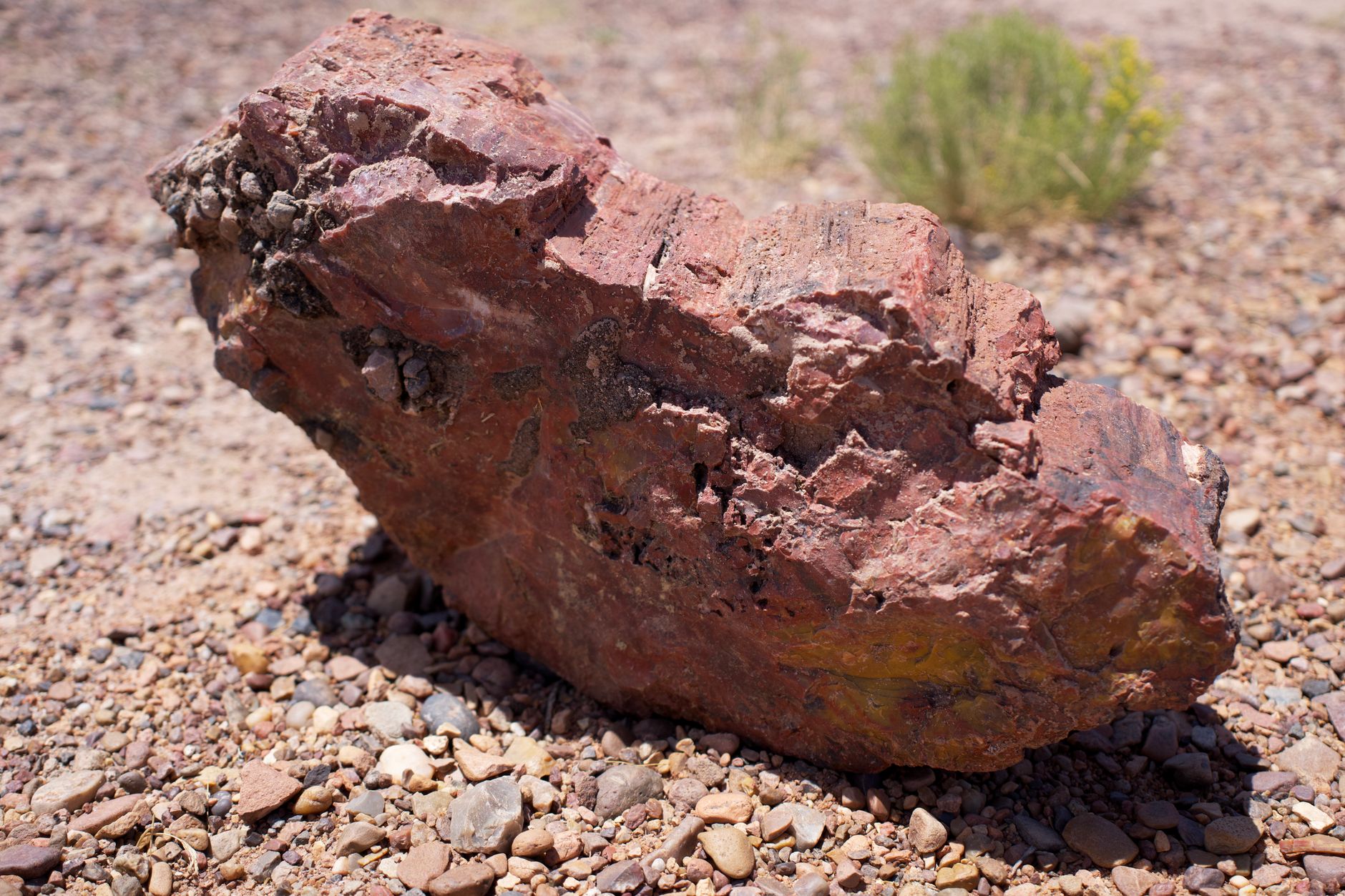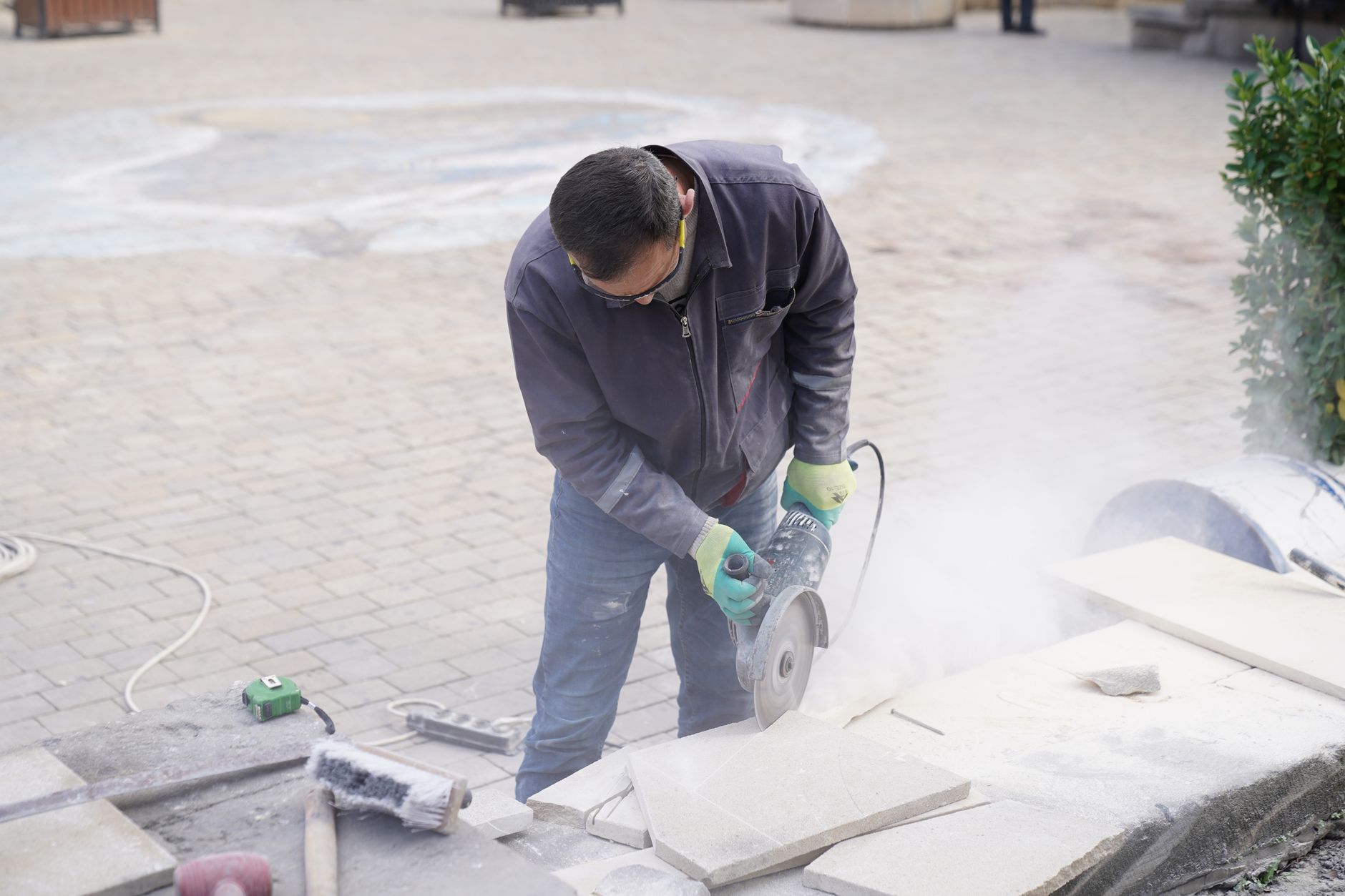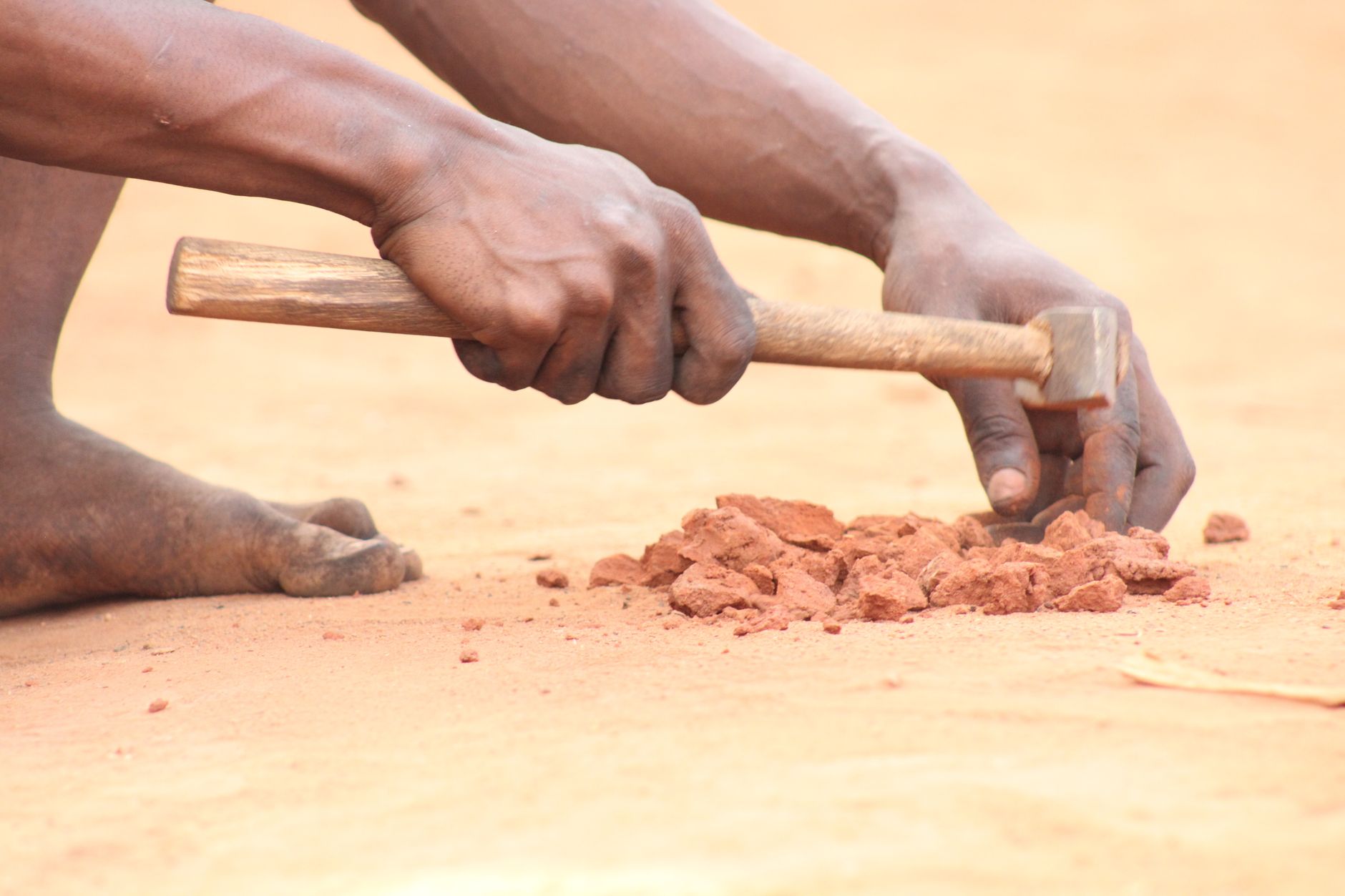
A rock hammer is the first serious tool a rockhound buys. It does more than break rock. It pries open outcrops, trims specimens, and helps you test hardness in the field. In 2026, the market is dominated by forged one-piece steel picks, but the best choice still depends on where you collect and what you are after. Before you load up, read our best rockhounding gear guide to see how hammers fit into a full kit. A bad hammer wastes energy, chips easily, and can ruin a pocket of agates before noon. The right hammer saves your wrist and your specimens.
We tested these hammers in real collecting conditions across the western and midwestern United States. We compared head style, handle length, overall weight, grip comfort, and how each tool handled common collecting targets. A pointed tip works best for cracking open weathered granite where quartz is Mohs 7 and feldspar is Mohs 6. A flat face drives chisels through basalt and limestone. The Mohs hardness scale guide explains why hardness matters before you swing. Mindat’s mineral database backs up our field observations on hardness and fracture behavior. Use the Mindat mineral database to check mineral IDs before and after collecting.
Land access rules matter more than hammer choice. On Bureau of Land Management land, casual collecting of reasonable amounts of invertebrate fossils and minerals is often allowed, but petrified wood limits apply. Always check local field offices before you dig. The BLM public land rules provide a solid starting point for federal land. State and private land rules can be stricter. For example, collecting rules vary widely from one field district to another. USGS geological maps also help you locate pegmatite and volcanic terranes where a rock hammer gets real use. See USGS geology research for maps and mineral resource data.
New rockhounds often overbuy. A heavy sledge feels powerful, but it tires your wrist after half an hour. A chisel edge hammer is excellent for shale and limestone, but less useful in hard granite. Start with one 22-ounce all-purpose pick, then add a crack hammer after you know your local rock. The best beginner rockhounding sites list places where a basic pick will work fine. You can also start with a budget pick and upgrade later, but do not buy a toy hammer meant for nails.
How Do the Top Options Compare?
| Product | Best For | Weight | Head Style | Price |
|---|---|---|---|---|
| Estwing E3-22P Rock Pick | Best Overall | 22 oz | Pointed tip | Check price |
| Estwing Long Handle Rock Pick | Best for Leverage | 22 oz | Pointed tip with long handle | Check price |
| Estwing B3-3LB Crack Hammer | Best for Hard Rock | 3 lb | Square face | Check price |
| SE 22 oz Rock Pick | Best Budget | 22 oz | Pointed tip | Check price |
| Estwing E3-20PC Chisel Edge | Best for Sedimentary | 22 oz | Chisel edge | Check price |
Affiliate links support our testing work. Confirm local ownership and collecting limits before removing any material.
1. Estwing E3-22P 22 oz Rock Pick , Best Overall Rock Hammer
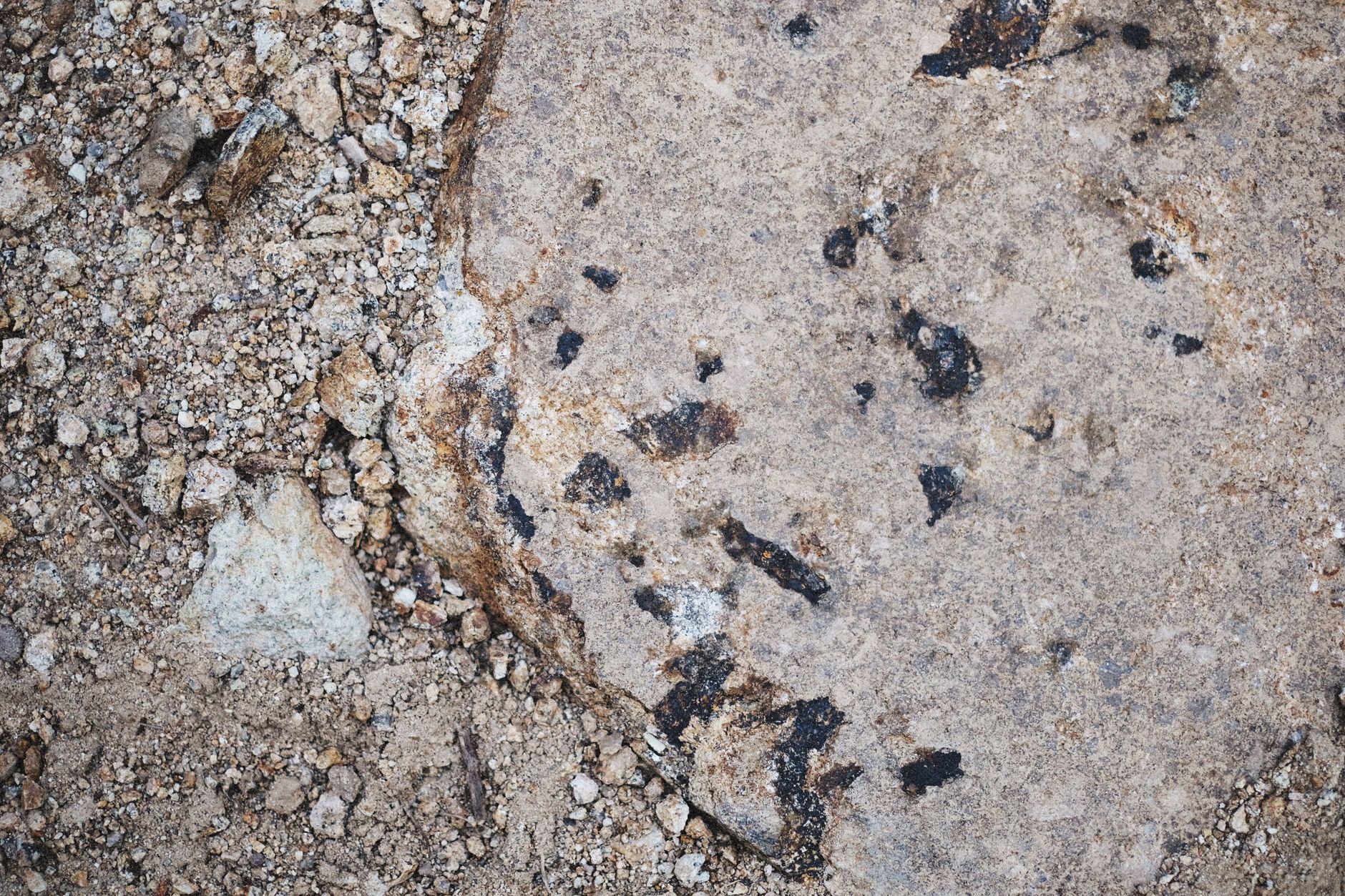
The Estwing E3-22P is the standard against which other rock hammers get judged. It weighs 22 ounces, heavy enough to split shale and trim specimens, but light enough for a long day on a slope. The head is forged from one piece of steel with a pointed tip and a square face. The pointed tip picks at cracks in weathered granite and rhyolite. The square face delivers controlled blows to break limestone and sandstone. Check the Estwing E3-22P on Amazon for current pricing and grip options. The shock reduction grip reduces vibration better than older leather handles. You can use the pointed tip to test hardness in a rough way. Quartz at Mohs 7 resists scratching from a steel point, while calcite at Mohs 3 powders quickly. Pair it with a hand lens from our best magnifying loupes rockhounds article to see grain size. This pick works well in many western collecting areas, especially where surface rock is already fractured by freeze thaw cycles.
Key strengths:
- ✅ Forged one-piece steel head stays tight
- ✅ Pointed tip opens cracks and pries well
- ✅ Shock reduction grip cuts vibration
- ✅ Good weight for all-day use
- ✅ Works for shale, limestone, and moderate granite
- ❌ Pointed tip can chip if you strike hardened steel
- ❌ Short handle limits reach and leverage
Who it’s for: Rockhounds who want one dependable all-purpose hammer for most collecting sites.
2. Estwing Long Handle Rock Pick , Best for Leverage and Reach
Long handle rock hammers trade some control for reach and prying power. The Estwing long handle pick uses the same 22-ounce head as the standard model, but the 14-inch handle gives you a longer lever. That extra length matters when you need to pop a rock out of a tight outcrop or reach a pocket above your head. In layered metamorphic rock along road cuts, the extra reach keeps you off the slope. The downside is control. A longer handle magnifies small aiming errors. You will feel the miss in your wrist if you hit the side of a rock instead of the face. The long handle also fits into a pack less easily. Still, for roadside outcrops and lake shore exposures, it is a better tool than a short pick. Hard minerals like corundum at Mohs 9 will resist most hand tools anyway. Check the Estwing Long Handle Rock Pick on Amazon for current pricing.
Key strengths:
- ✅ Long 14-inch handle adds leverage
- ✅ Reaches pockets and cracks in outcrops
- ✅ Same strong 22-ounce forged head
- ✅ Good for road cut and cliff work
- ✅ Reduced bent-over fatigue
- ❌ Less precise for small trimming
- ❌ Harder to pack in a day bag
- ❌ Wrist fatigue increases with repeated full swings
Who it’s for: Collectors who work road cuts, cliff faces, and outcrops where reach matters.
3. Estwing B3-3LB 3-Pound Crack Hammer , Best for Hard Rock and Geodes
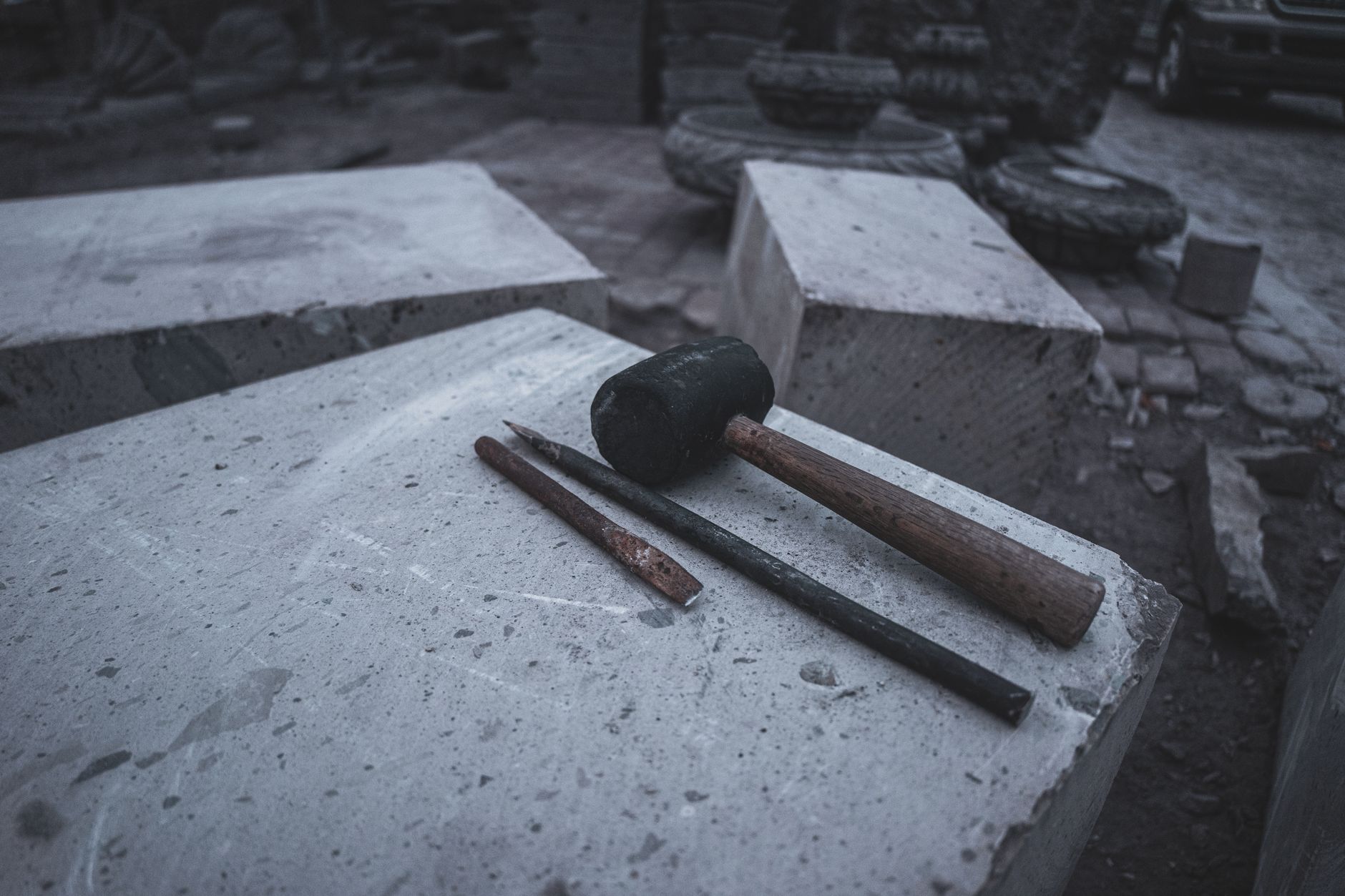
A 3-pound crack hammer is the tool you reach for when a rock pick bounces off. The Estwing B3-3LB has a short handle and a compact square face that drives chisels with authority. It is not meant for long swinging. It is meant for controlled, short strikes on a chisel head. Use it to split basalt, open small geodes, or trim quartz veins. Quartz at Mohs 7 is tough, but a crack hammer and cold chisel can break it along natural fractures. The short handle keeps the head close to your hand, which improves accuracy but reduces impact radius. It works best with a heavy chisel and a solid rock base. Check the Estwing B3-3LB on Amazon for current pricing. After you break a geode, iron and clay stains often remain, so plan to clean specimens before you store them.
Key strengths:
- ✅ 3-pound head drives chisels through hard rock
- ✅ Short handle gives precise strikes
- ✅ One-piece forged construction lasts
- ✅ Pairs well with cold chisels
- ✅ Opens small geodes effectively
- ❌ Heavy for all-day single-handed use
- ❌ Not suited for prying or picking
- ❌ Requires a separate chisel for most work
Who it’s for: Rockhounds working hard igneous rocks, geodes, and chisel splitting.
4. SE 22 oz Rock Pick Hammer , Best Budget Rock Hammer
The SE 22-ounce rock pick is a lower-cost alternative that still does the basic job. The head is forged with a pointed tip and square face. The handle has a rubber grip, though it does not damp vibration as well as premium models. For beginners testing whether rockhounding is for them, this hammer keeps entry costs low. It can split shale and crack limestone without much trouble. The main tradeoff is finish quality. The point is slightly less sharp out of the box, and the grip can shift after heavy use. That said, it is still a legitimate field tool. Calcite at Mohs 3 will powder quickly under this hammer’s face, and the same technique helps identify fine grained limestone in the field.
Key strengths:
- ✅ Low price lowers entry cost
- ✅ Forged steel head handles basic collecting
- ✅ Pointed tip and square face included
- ✅ Rubber grip is comfortable enough
- ✅ Good backup hammer for a group
- ❌ Grip quality lower than premium picks
- ❌ Point dulls faster with hard use
- ❌ Vibration damping is minimal
Who it’s for: Beginners and casual collectors who want a usable hammer without a big investment.
5. Estwing E3-20PC 22 oz Chisel Edge Rock Hammer , Best for Sedimentary and Chisel Work
The Estwing E3-20PC replaces the pointed tip with a chisel edge. That single change makes it better for splitting layered sedimentary rock. In shale, limestone, and mudstone, a chisel edge slides between bedding planes and pops slabs apart. It is also safer for trimming flat specimens because the edge concentrates force along a line. If you hunt fossils, this is a strong choice. The chisel edge struggles in massive granite or quartz veins. Instead of prying into a crack, it can skate off hard surfaces. The steel is still tough, but the geometry is wrong for hard igneous rock. Use it where fossils and sedimentary minerals dominate. Before you head out, check our where to find fossils near me article to locate productive ground.
Key strengths:
- ✅ Chisel edge splits layered rock cleanly
- ✅ Good for shale, limestone, and mudstone
- ✅ Trims flat specimens with less breakage
- ✅ Same forged construction as Estwing picks
- ✅ Works well for fossil extraction
- ❌ Poor choice for hard igneous rock
- ❌ Chisel edge can skate on smooth hard surfaces
- ❌ Pointed tip missing for crack prying
Who it’s for: Fossil hunters and rockhounds working layered sedimentary formations.
Frequently Asked Questions
What is the best all-around rock hammer for beginners?
A 22-ounce Estwing rock pick with a pointed tip and square face is the best starting tool. It is light enough to carry all day and strong enough for common sedimentary and weathered rocks.
Do I need a pointed tip or chisel edge rock hammer?
A pointed tip is more versatile for prying and general collecting. A chisel edge works better for splitting layered sedimentary rock and trimming flat specimens. Many rockhounds start with a pointed tip.
What size hammer is best for hard rock?
For hard igneous rock and geodes, a 3-pound crack hammer used with a chisel is best. The short handle gives accurate, powerful strikes that can split basalt and quartz along natural fractures.
Can I use a regular claw hammer for rockhounding?
No. Claw hammers are hardened differently and can chip, sending metal fragments toward your eyes. Rock hammers are forged for impact against hard stone and have the right head geometry.
How do I safely split rocks with a rock hammer?
Wear safety glasses and leather gloves. Strike away from your body, and keep other people clear. Use a crack hammer and chisel for hard rock instead of swinging harder with a pick.
Are rock hammers allowed on public land?
It depends on the agency and location. On many BLM lands, casual collecting of reasonable amounts of minerals and invertebrate fossils is allowed with limits. Always check local rules before collecting.
What Should You Remember?
- 22-ounce rock pick: The most useful first hammer for most rockhounds.
- Crack hammer and chisel: Needed for hard igneous rock and geodes.
- Hardness testing: Quartz at Mohs 7 can guide your tool choice.
- Land rules first: Verify BLM, state, or private rules before collecting.
- Chisel edge: Better for sedimentary and fossil layers.
- Long handle: Helps with reach but reduces accuracy.
This article is for general information only. Rockhounding and collecting carry land-access, safety, and legal obligations , always verify claim status, land ownership, and collecting rules before removing material, and get landowner or land-agency permission where required. Field collecting involves physical hazards; use proper safety gear and never enter mines or unstable terrain.