Canada spans more than 3.8 million square miles of ancient shield rock, mountain belts, and gem-bearing pegmatites. For rockhounds, that means enormous variety, but also enormous distances. A collecting trip near Bancroft, Ontario, can produce gemmy apatite and titanite in a weekend. A Yukon emerald expedition might demand helicopter access and a full backcountry plan. The Mindat database lists thousands of Canadian mineral localities, and it is the first place I check when planning a new area. This article picks five proven regions where beginners and experienced collectors can legally find gemstones. You still need to confirm current land ownership, claim boundaries, and collecting rules before you swing a hammer.
I selected these locations using three criteria. First, documented gemstone or gem mineral occurrences with public collecting history. Second, access that a regular rockhound can manage, though some sites are remote. Third, enough variety to make a trip worthwhile for both lapidary work and display specimens. Hardness matters for what you plan to do with the find. Quartz family gems like amethyst sit at Mohs 7, which makes them durable in a tumbler. Labradorite sits around 6 to 6.5, better for cabochons than pocket carry. Check our Mohs hardness scale guide before you decide what to collect. Also review the best rockhounding gear guide so you bring the right tools.
Canada’s collecting rules are a patchwork. Ontario allows collecting on some Crown land for personal use, but you cannot sell without a permit. British Columbia treats jade as a placer mineral in some areas, and commercial extraction requires a claim. Newfoundland and Labrador has designated fossicking zones. The GIA is a useful reference for understanding gemstone identification once you get home. I will not give exact GPS pins where a claim may exist. Instead, I will point you to well-known districts and public access areas. Always check with provincial or territorial mining recorders. Road access can change after spring melt, and a locked gate is not an invitation.
If you are just getting started, pair one of these destinations with a simple collecting kit. A rock hammer, safety glasses, a loupe, and a sturdy bucket cover most surface collecting. The locations below are not ranked as one best overall. They are ranked by what each does best.
How Do the Top Options Compare?
| Location | Best For | Notable Gemstones | Essential Gear |
|---|---|---|---|
| Bancroft, Ontario | Apatite, titanite, sodalite | Apatite, titanite, sodalite | Estwing rock hammer |
| Thunder Bay, Ontario | Amethyst collectors and lapidary artists | Amethyst, quartz | rock chisel set |
| Yukon | Remote alpine emerald hunting | Emerald, beryl | Estwing rock pick |
| British Columbia | Jade and rhodonite collecting | Nephrite jade, rhodonite | Estwing rock hammer |
| Newfoundland and Labrador | Labradorite float collecting | Labradorite, feldspar | 10x magnifying loupe |
Always verify land ownership and collecting rules before removing material. Product links are Amazon affiliate links.
1. Bancroft, Ontario , Mineral collectors who want apatite, titanite, and rare-earth minerals
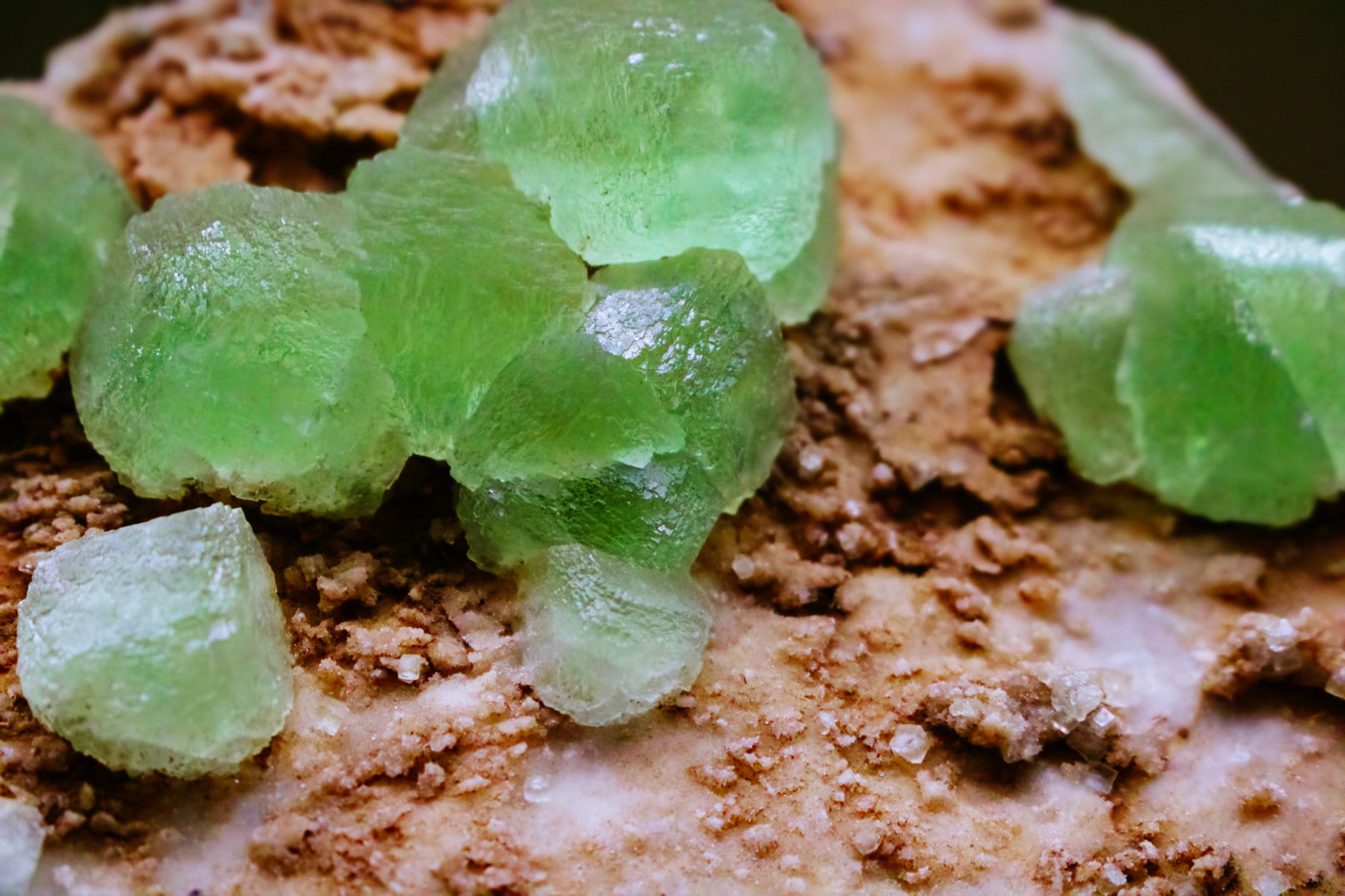
Bancroft is often called the mineral capital of Canada. The area sits in the Grenville Province of the Canadian Shield, which formed under intense metamorphic heat and pressure. That geology pushed rare elements into pegmatites. The result is an unusual mix of gemmy minerals like green and blue fluorapatite, titanite, and occasional zircon. Apatite is soft at Mohs 5, so it scratches more easily than quartz. That makes it better for display specimens and careful cabochons than for tumbling. You can find collecting sites on public Crown land, but many classic pits are now private or claim-held. Details are in our rockhounding in Ontario guide.
The best-known public collecting areas include the CN Rock Dump and the Bear Lake diggings, though access changes. Sodalite, a blue and white ornamental rock, is also common near Bancroft and takes a decent polish. The Princess Sodalite Mine has a rock farm where you can pay to collect. That is a family-friendly option if you want a guaranteed target. For self-guided collecting, a Estwing rock hammer and a spray bottle help expose crystal faces.
Key strengths:
- ✅ Abundant pegmatite minerals within short driving distance
- ✅ Several fee-dig sites offer guaranteed collecting
- ✅ Good for beginners learning mineral identification
- ✅ The town has rockhound-friendly shops and museums
- ❌ Classic localities are often private or claim-held
- ❌ Apatite is soft at Mohs 5 and damages easily
- ❌ Some rock dumps require permission or fees
Who it’s for: Beginners and mineral collectors who want a weekend trip with multiple collecting styles.
2. Thunder Bay, Ontario , Amethyst collectors and lapidary artists
Thunder Bay is Canada’s amethyst capital. The area around Lake Superior has produced gem-quality amethyst for over a century. Amethyst is a purple variety of quartz, hardness 7 on the Mohs scale, so it stands up to tumbling and cabochon work. Several commercial mines, including the Amethyst Mine Panorama and Blue Points Amethyst, allow collecting for a fee. You can also find float material on public Crown land, but many productive veins are under claim.
The amethyst occurs in veins and vugs within ancient volcanic rocks. The best crystals show deep purple zones with red hematite inclusions. Some pieces have scepters and druzy pockets. A good magnifying loupe helps you spot internal fractures before you haul a heavy rock home. For hard rock extraction, a rock chisel set is more useful than a bare hammer. Because amethyst is hard and takes a glassy polish, it is a favorite for tumbling.
Key strengths:
- ✅ Durable amethyst at Mohs 7 is great for lapidary work
- ✅ Fee-dig mines offer easy, legal collecting
- ✅ Large crystal clusters are common in the district
- ✅ Scenic Lake Superior shoreline adds a second collecting opportunity
- ❌ Hard rock extraction often needs chisels and heavy hammers
- ❌ Many remote veins are under mining claim
- ❌ Summer bugs and wet rock can slow surface hunting
Who it’s for: Lapidary artists and families who want dependable fee-dig amethyst.
3. Yukon , Emerald and remote alpine gem hunting
The Yukon’s Regal Ridge and Tsa da Glisza areas have produced emeralds since the late 1990s. These emeralds occur in alpine pegmatites at high elevation. Access is genuinely hard. Helicopter-supported or backpacking trips are the norm, and the terrain is steep. Emerald is beryl with a Mohs hardness of 7.5 to 8, tough enough for jewelry. The green color comes from trace chromium and vanadium. The Mindat locality pages for the Yukon show the limited number of documented emerald occurrences, which tells you how rare they are. This is not a beginner destination.
Collecting in the Yukon requires careful land status checks. Some areas are within First Nations settlement lands or under mineral claims. The territory’s mining recorder can tell you what is open for hand panning or surface collecting. You will need a solid backcountry plan and gear that can handle cold rain, even in summer. The reward is the chance to find a Canadian emerald in its source rock. If you go, a lightweight rock hammer and a chisel set are essential, but weight matters more than usual.
Key strengths:
- ✅ True gem-quality emerald occurrences
- ✅ Dramatic alpine scenery
- ✅ Low collecting pressure compared to southern sites
- ✅ High potential for rare associated minerals
- ❌ Remote helicopter or multi-day backpack access
- ❌ Claims and settlement land restrictions are complex
- ❌ Short alpine collecting season
Who it’s for: Experienced backcountry rockhounds with time, fitness, and a taste for rare emerald.
4. British Columbia , Jade and rhodonite collecting
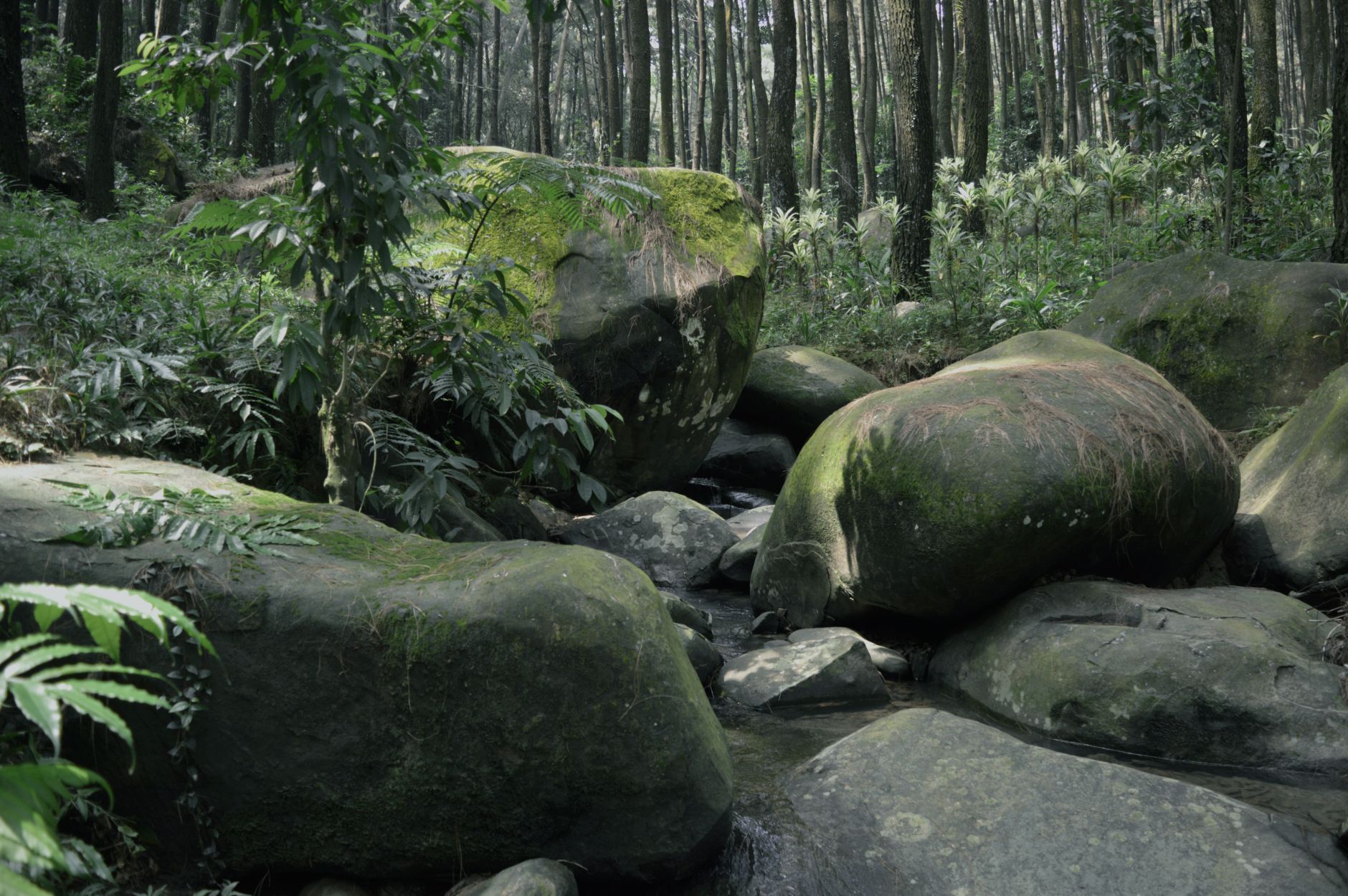
British Columbia is home to large nephrite jade deposits, particularly in the Cassiar, Dease Lake, and Fraser River areas. Nephrite is a tough, fibrous amphibole with a Mohs hardness of 6 to 6.5. It is more resistant to breaking than most gemstones, which is why it works well for carvings and cabochons. The province also produces pink rhodonite and common opal. Many jade localities are on placer claims, and the commercial jade industry is active. For recreational collecting, focus on public river bars and roadcuts away from staked ground.
Recreational jade collecting is possible on some Fraser River gravel bars and in the Bridge River area, but it is not a free-for-all. Many prime stretches are placer claims. The GIA explains how to separate nephrite from jadeite using specific gravity and refractive index. That matters because most BC material is nephrite, while jadeite comes mainly from Burma and Guatemala. For a rockhound, the distinction changes value and identification. Wet jade boulders are slick, and river access can be dangerous in high water. A reliable rock hammer and safety glasses are a minimum.
Key strengths:
- ✅ Tough nephrite jade is excellent for carving
- ✅ Public river bars offer collecting without digging
- ✅ Rhodonite and opal add variety
- ✅ Strong lapidary community in BC
- ❌ Placer claims cover many productive river bars
- ❌ Jade boulders can be extremely heavy
- ❌ Remote northern localities require serious logistics
Who it’s for: Lapidary artists who want tough jade and pink rhodonite.
5. Newfoundland and Labrador , Labradorite and fluorescent minerals
Labradorite is the province’s signature gemstone. It is a feldspar mineral with a Mohs hardness of 6 to 6.5. The famous labradorescence, a play of blue, green, gold, and purple, comes from light interference within thin lamellae. The type locality is on the coast of Labrador near Nain, but most commercial material comes from nearby sources. For rockhounds, the island of Newfoundland offers accessible beach cobbles and roadcuts where you can find labradorite float. Some areas near the town of Labrador City and along the Trans-Labrador Highway are known for showing good flash.
Collecting weathered cobbles is easier than breaking fresh rock. Labradorite is soft enough to scratch with a knife blade but hard enough for cabochons. It is not ideal for tumbling because the flash can be lost if the stone is too small or over-polished. Our gemstone identification guide covers how to test feldspar hardness and cleavage. The province has designated fossicking areas, but you must confirm the rules before collecting. Atlantic Canada weather is wet and windy, so pack for changing conditions.
Key strengths:
- ✅ Distinctive labradorescence makes identification easy
- ✅ Float cobbles mean little or no heavy digging
- ✅ Roadcuts and beaches provide accessible collecting
- ✅ Less crowded than Ontario or BC sites
- ❌ Labradorite scratches at Mohs 6 and chips easily
- ❌ Remote Labrador requires long drives
- ❌ Weather can be harsh even in summer
Who it’s for: Rockhounds who want a unique feldspar gemstone and do not mind wet Atlantic weather.
Frequently Asked Questions
Where can I find gemstones in Canada without a mining claim?
Many Ontario Crown land sites allow personal collecting in small amounts, and fee-dig operations in Thunder Bay and Bancroft offer legal access without a claim. British Columbia has public river bars for jade, but you must avoid staked placer ground. Newfoundland and Labrador also has designated fossicking areas open to the public.
What is the best gemstone for beginners to collect in Canada?
Amethyst from Thunder Bay, Ontario is the best beginner gemstone. It is hard at Mohs 7, easy to identify, and available at fee-dig mines. Quartz family amethyst also tumbles and polishes well.
Do I need a permit to collect gemstones in Ontario?
Most recreational collecting on Ontario Crown land does not require a permit for personal use, but you cannot sell what you find without a mineral dealer license. Fee-dig sites charge an entrance or per-pound fee. Check current rules with the Ministry of Natural Resources before collecting.
Is jade collecting legal in British Columbia?
Recreational jade collecting is legal on public land that is not under a placer claim or protected area. Many productive river bars in BC are staked, so you must check the mineral titles online map before removing material.
Can I tumble Canadian amethyst?
Yes. Amethyst is quartz with a Mohs hardness of 7, so it tumbles well with standard silicon carbide grit. Start with broken pieces under an inch and sort by hardness to avoid bruising crystals.
What is labradorite and why does it flash?
Labradorite is a feldspar mineral with a Mohs hardness of 6 to 6.5. Its flash, called labradorescence, comes from light interference inside thin layers of different feldspar compositions. Blue and green flashes are most common in Newfoundland and Labrador material.
What Should You Remember?
- Ontario amethyst is hard at Mohs 7 and ideal for tumbling and cabochons.
- Bancroft apatite is soft at Mohs 5, so treat it as a display mineral, not a pocket stone.
- Yukon emeralds are remote and rare, best left to experienced backcountry collectors.
- BC nephrite jade is tough but you must check placer claims before collecting river bars.
- Newfoundland labradorite shows flash best on wet beach cobbles and roadcuts.
- Always verify land ownership and claim boundaries before removing any material.
This article is for general information only. Rockhounding and collecting carry land-access, safety, and legal obligations , always verify claim status, land ownership, and collecting rules before removing material, and get landowner or land-agency permission where required. Field collecting involves physical hazards; use proper safety gear and never enter mines or unstable terrain.