Rocks · Minerals · Fossils · Adventure

Your guide to the world beneath your feet.

Gear reviews, collecting locations, and field guides for rockhounds of all levels. Whether you're tumbling your first agate or mapping a mineral claim, we've got the resources you need.

Best Rock Tumblers 2026 Browse All Guides
Start Here

Our most popular gear reviews and collecting guides — updated regularly with new locations and products.

Built by collectors, for collectors.

Rockhounding is one of those hobbies that grabs you and doesn't let go. One day you pick up an interesting rock on a trail. The next, you're driving 6 hours to a fee-dig site with a rock hammer and 5-gallon buckets.
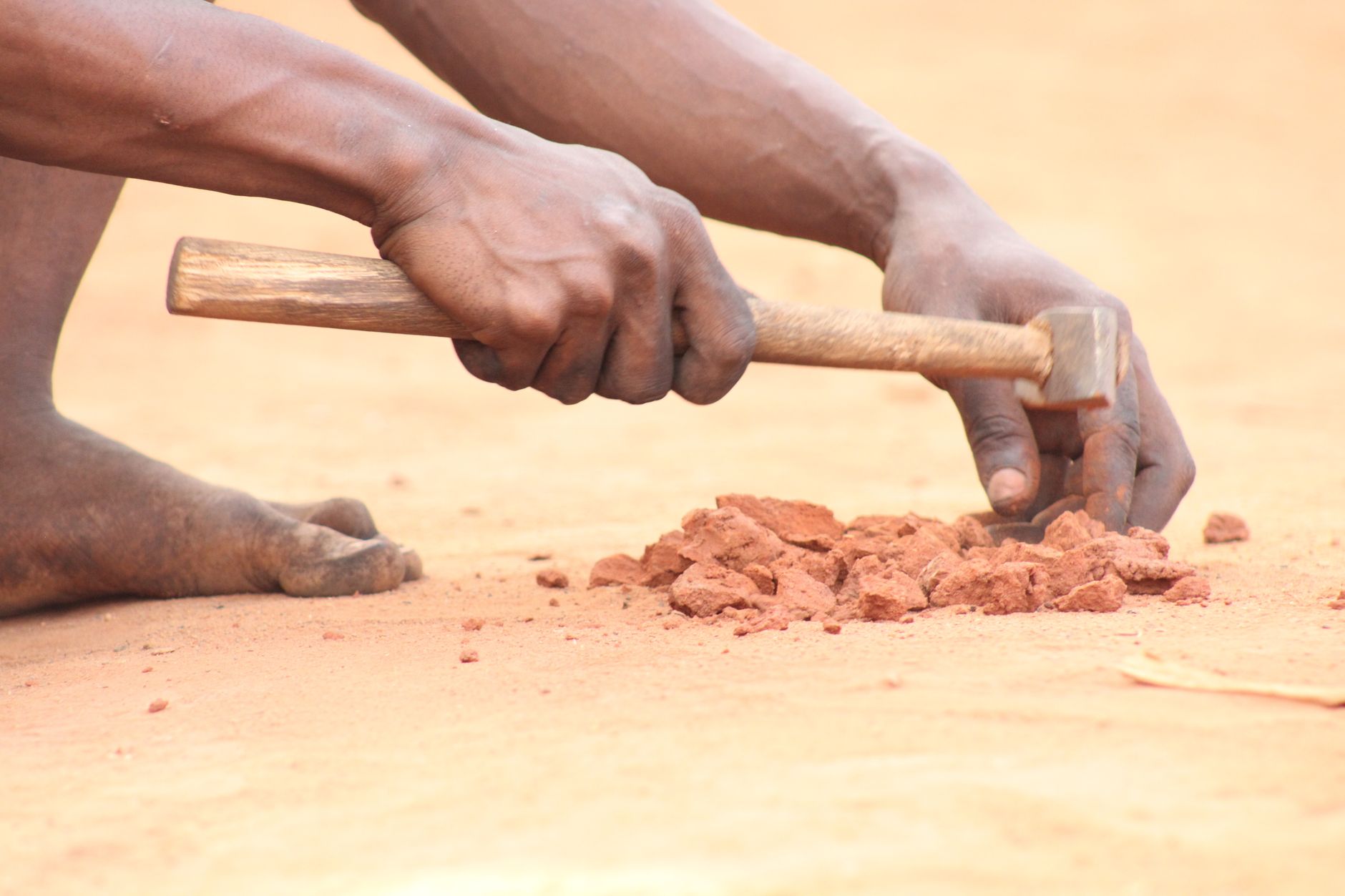
RockhoundGuide exists to help you get the most out of every trip and every specimen. We review the gear that matters, map the best collecting locations, and teach identification skills that turn random rocks into recognized minerals.

When you buy through our links, we may earn a commission at no extra cost to you. This keeps the site free and independent.

60M+ Rockhounds in North America
$3.2B Hobby geology market
30+ Products reviewed
100% Independent reviews

Rockhounding Questions Answered

What is the best rock tumbler for beginners?

The National Geographic Hobby Rock Tumbler Kit is best for beginners: includes tumbler, grit, polish, and rocks for under $70. For serious beginners, the Thumler's Model B is more durable and handles 3-6 lbs of material. Both offer good results with proper grit progression.

Where can I legally collect rocks and minerals?

Public lands (BLM, National Forests) allow casual collecting for personal use. Always check local regulations. Rockhounding clubs often have access to private claims. Avoid national parks, monuments, and protected areas. Our location guides include specific permission details for each site.

How long does rock tumbling take?

Complete tumbling cycle: 4-8 weeks. Stage 1 (coarse grit): 7-10 days. Stage 2 (medium grit): 7-10 days. Stage 3 (fine/pre-polish): 7-10 days. Stage 4 (polish): 7-10 days. Each stage requires cleaning between grits. Patience is key — rushing produces poor results.

What tools do I need for field collecting?

Essential field kit: rock hammer (Estwing), safety glasses, chisels, gloves, collecting bag, field notebook, GPS/map, and magnifying loupe. For serious collecting: pry bar, shovel, sieve, and mineral identification tools. Always prioritize safety and proper permissions.

View All FAQs

Dig deeper. Weekly. ⛏️

New gear reviews, collecting locations, and mineral profiles — delivered every Friday. No spam. Unsubscribe anytime.

Get Our Rockhounding Field Guide

Free PDF: Essential gear checklist, 25 best collecting locations, mineral identification chart, and safety protocols.

No spam. Unsubscribe anytime.