North Carolina has a long rockhounding tradition built on emeralds, hiddenite, garnets, quartz, and gold. The state is one of the few significant emerald producers in North America, and many sites let beginners keep what they find. But not all land is open to collecting. Before you plan a 2026 trip, review public land rules and fee-dig mine policies. Start with our guide to best beginner rockhounding sites so you understand how legal collecting works.
Emeralds in North Carolina occur mainly in the Hiddenite and Spruce Pine districts, where metamorphic rocks and pegmatites create the right conditions. The mineral is a green variety of beryl with a Mohs hardness of 7.5 to 8. The small town of Hiddenite gave its name to hiddenite, the green spodumene variety first described from the area in the late 1800s. Use Mindat.org to check current locality records before you head out.
Several sites in North Carolina are open to public digging for a fee or through national forest land. Emerald Hollow Mine in Hiddenite is a popular fee operation that gives visitors access to native mine dumps and a creek. Little Pine Garnet Mine near Marshall is a public collecting area in Pisgah National Forest where garnets are abundant. Always call ahead in 2026 because access can change after storms or road work. Our mineral collecting field guide covers more about collecting etiquette and land status.
This guide walks you through where to dig, what tools to bring, how to identify emeralds, and how to clean your finds safely. You will need a few basic tools and a good eye for color and crystal shape. We also recommend reviewing how to clean rocks and minerals before you take anything home, especially if you find iron-stained quartz or mica-covered specimens.
What You’ll Need
- Rock hammer
- Safety glasses
- Work gloves
- Small shovel or hand trowel
- Sifting screen
- 5-gallon bucket
- 10x triplet loupe
- Zip-top bags and permanent marker
- Sturdy boots and long pants
- Backpack with water, snacks, and first aid kit
How Do You Rockhound North Carolina in 2026?
- Learn North Carolina’s emerald geology and target minerals
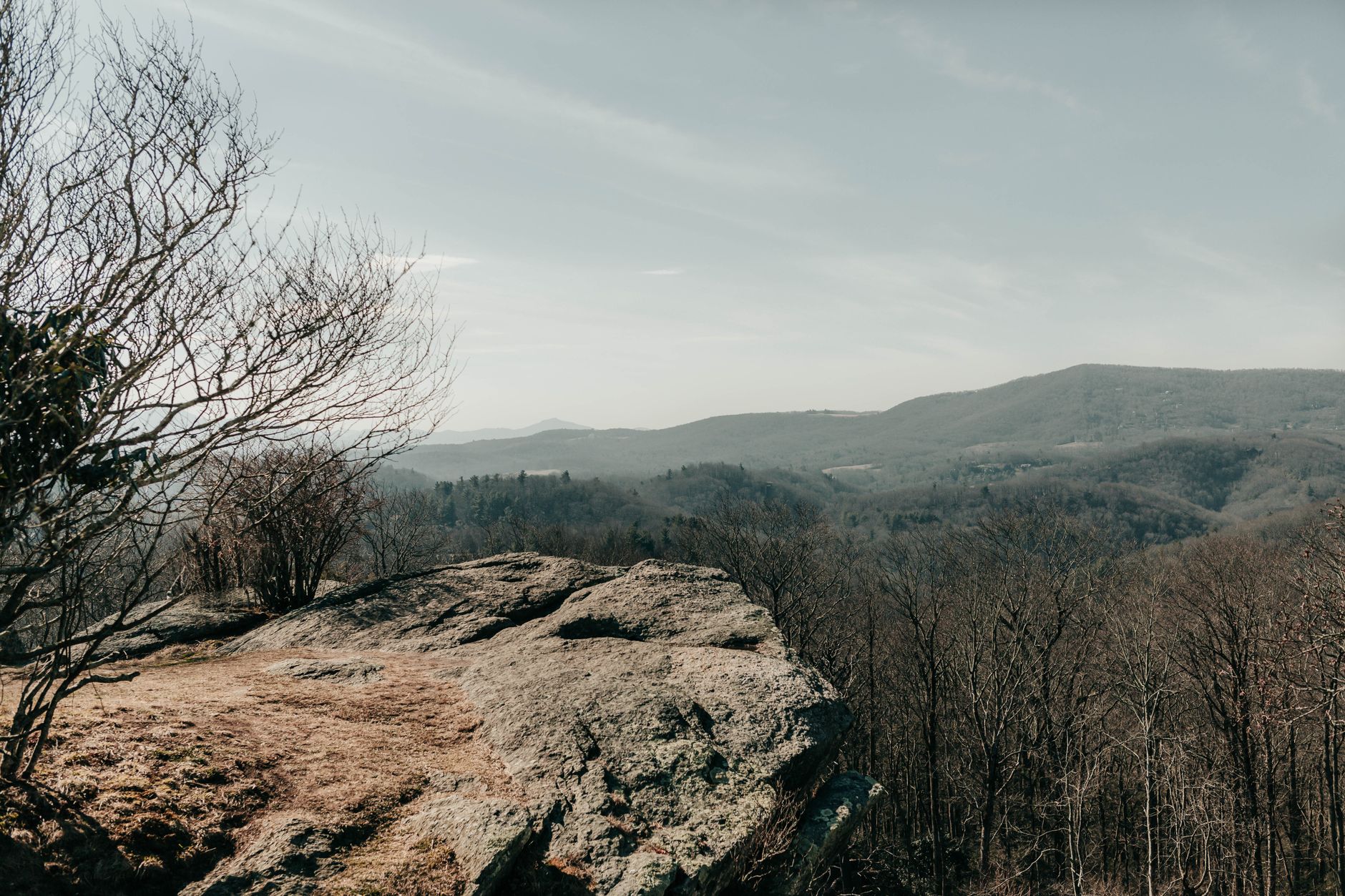
North Carolina is not a single mineral site. The best emerald hunting centers on the Hiddenite area in Alexander County and the Spruce Pine district in Mitchell, Yancey, and Avery counties. The rocks there include mica schist, gneiss, and pegmatite veins. These rocks formed deep in the Blue Ridge and were later uplifted. Mindat.org has locality pages for many of these mines, including historical names and minerals reported.
Emerald is the green gem variety of beryl. Its color comes from trace amounts of chromium or vanadium. It has a Mohs hardness of 7.5 to 8, so it is slightly harder than quartz at hardness 7. That hardness is useful in the field. Our Mohs hardness scale guide explains simple scratch tests you can do with a pocket knife or a piece of quartz.
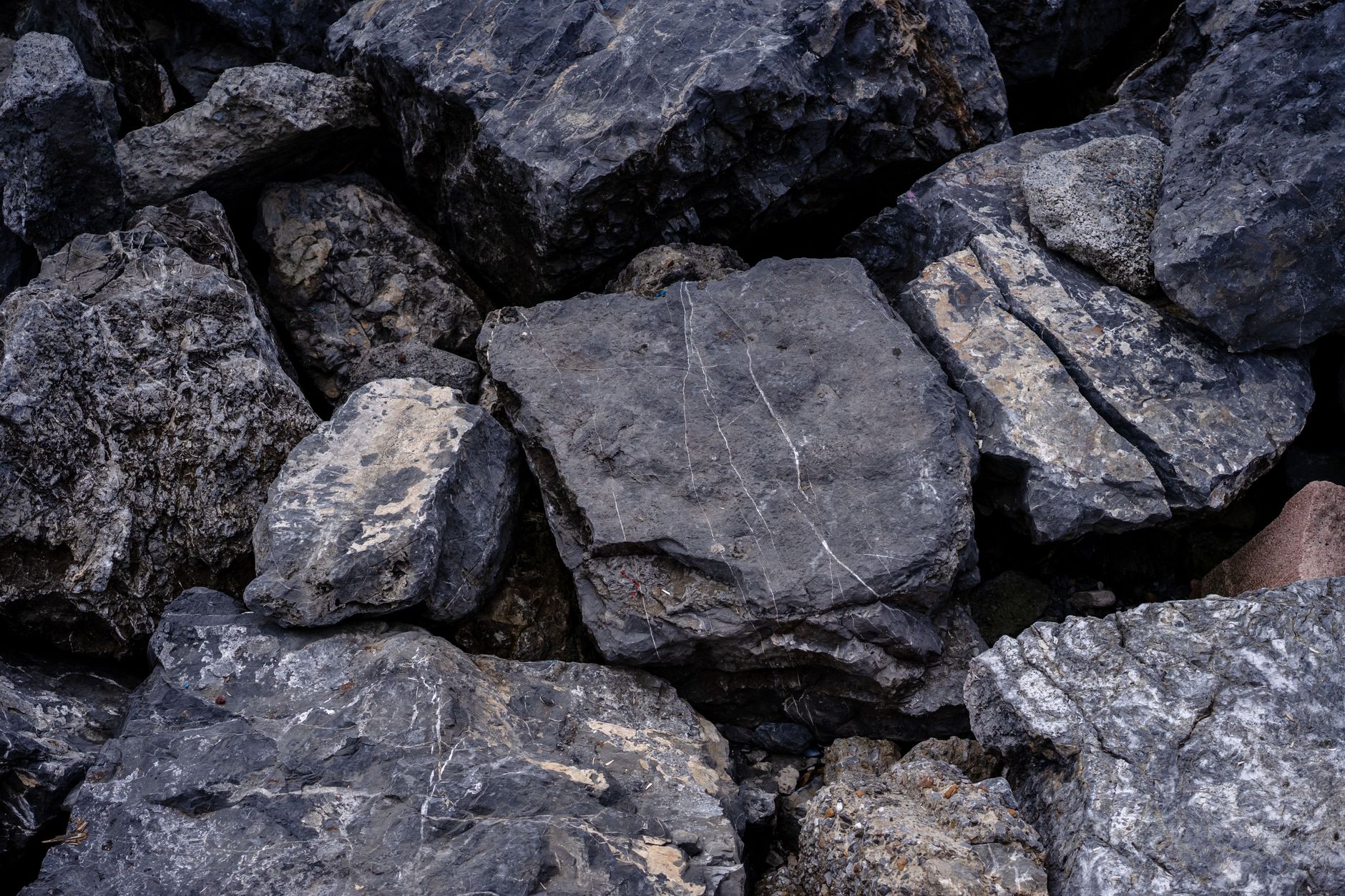
Associated minerals include quartz, feldspar, mica, garnet, black tourmaline, and sometimes hiddenite. Reddish-brown garnets are far more common than emeralds at many sites, so do not ignore them. If you know what the host rock looks like, you can search the right dump piles. Look for dark mica-rich rock with white quartz veins and small green or red crystal sections.
Before you go, pick two target species: one rare goal like emerald and one common goal like garnet or quartz. This keeps the trip fun. It also helps you learn the local geology instead of only chasing a scarce stone.
- Choose legal fee-dig mines and public collecting sites
Public land in North Carolina is managed mostly by the U.S. Forest Service, not the BLM. The Pisgah and Nantahala National Forests have many old mines and prospects. Small-scale personal collecting is sometimes allowed on forest land, but rules vary by ranger district. State parks, wildlife refuges, and historic sites generally prohibit rock collecting. Check with the local district office before you dig. The best beginner rockhounding sites article lists how to verify land ownership.
Fee mines remove much of the permission work. Emerald Hollow Mine in Hiddenite is one of the best known. It calls itself the only emerald mine in the world open to public prospecting. You pay for a day pass and can use sluice buckets, creek digging, or native mine dumps. Keep everything you find unless the site posts a different rule. Other fee mines and gem sluices operate near Franklin, Spruce Pine, and Boone, but many use enriched or seeded buckets. Ask whether material is native before paying.
For public native collecting, Little Pine Garnet Mine in Madison County is a classic stop. It sits in the Pisgah National Forest and produces dark red almandine garnets in mica schist. The site is free to enter, but the forest service may close it after heavy rain or for maintenance. A short uphill walk leads to the old dump and pit.
Always match the site to your skill level. A seeded sluice is easy for families. Native dump digging at Emerald Hollow is better if you want to find true North Carolina emeralds. Public forest collecting is the cheapest option but requires more research and more careful digging. For 2026, call or check each site’s website before you drive.
- Pack the right rockhounding gear and maps
You do not need expensive equipment to start. A rock hammer, safety glasses, work gloves, and a bucket handle most fee-dig and creek work. Add a small shovel or hand trowel for digging. Use a best rock hammers 2026 guide if you need help choosing. An Estwing 22-ounce rock hammer is a durable choice. Check the Estwing rock hammer on Amazon
A 10x triplet loupe helps you spot crystal faces, color zones, and fractures before you lug heavy rocks home. Several affordable models work well in the field. Check the 10x triplet loupe on Amazon Carry a five gallon bucket for wet screening. Check the 5 gallon bucket on Amazon
Wear sturdy boots with good tread. Creeks are slippery, and mine dumps often have loose rock. Long pants and long sleeves reduce scratches and tick exposure. Bring water, snacks, sunscreen, and a first aid kit. A GPS app or paper map helps on forest roads where phone signal drops.
Do not forget bags for wrapping specimens. Use newspaper, zip-top bags, and a permanent marker to label each location. A backpack for tools keeps your hands free on steep trails. Review our best rockhounding gear guide for a full checklist before packing.
- Time your North Carolina dig and check access
Spring and fall are the most comfortable seasons for North Carolina rockhounding. Daytime temperatures are mild, and insect pressure is lower than in summer. Late March through May and September through early November work well. Summer thunderstorms can create flash flooding in creek drainages, especially in the mountains.
Recent rain can expose new cobbles and wash away dust, which helps collectors. But too much rain makes creeks dangerous and turns mine dump roads into mud. Check the forecast before you go. In 2026, after heavy storm seasons, some forest service roads may still be under repair. Call the ranger district or fee mine the day before.
Weekdays are less crowded at Emerald Hollow Mine and other popular sites. On weekends, sluice areas and creek beds can fill by late morning. Arrive when the gate opens if you want first access to fresh material. Some fee mines reduce hours in winter or close for private events.
If you plan to visit several sites, map a loop instead of backtracking. Hiddenite, Spruce Pine, and Little Pine are not close together. A two or three day trip with a base in Morganton, Hickory, or Asheville works well. Build in extra time because collecting is slow and you will stop often.
- Identify emerald and companion minerals in the field
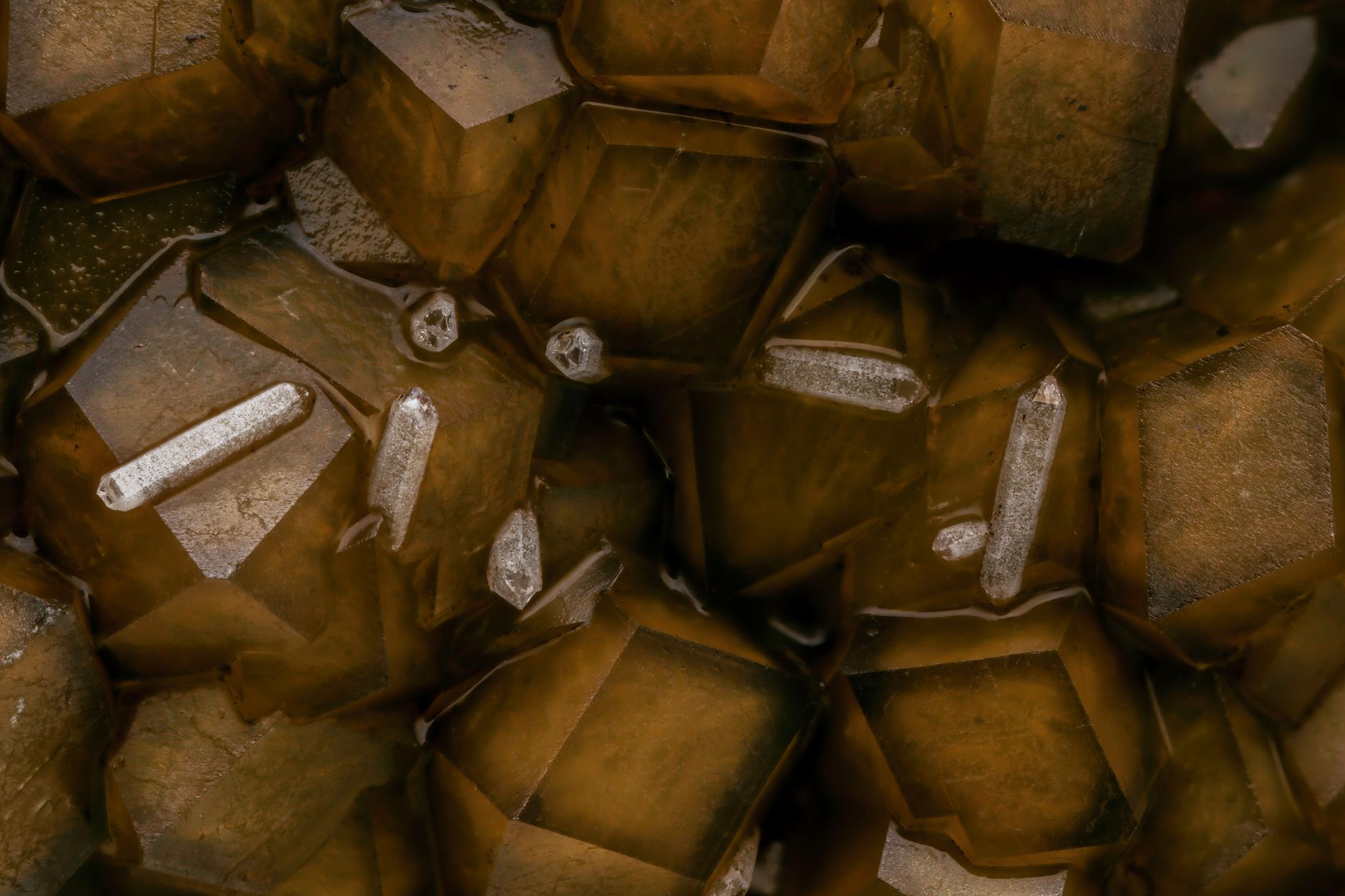
Emerald forms hexagonal prismatic crystals with flat ends. Color ranges from pale green to deep bluish green. It has a white streak and a vitreous luster. Because emerald is beryl, its hardness is 7.5 to 8 on the Mohs scale. The GIA offers educational guides on emerald properties and treatments if you want to learn more.
Green quartz and green garnet can fool you. Quartz is usually translucent to transparent with conchoidal fracture and hardness 7. Garnet crystals are often rounded or dodecahedral and hardness 6.5 to 7.5. Hiddenite is green spodumene. It is softer at Mohs 6.5 to 7 and shows strong cleavage. Use a hand lens to check for typical crystal shapes instead of color alone.
When you find a candidate, look at the whole rock before breaking it. Emerald crystals may be small and embedded in mica schist or associated with quartz and calcite. Do a quick hardness test if you have a ceramic tile or quartz point. Be gentle. A damaged surface reduces value and makes identification harder.
Keep specimens with original matrix intact until you are sure what they are. A tiny green crystal in a host rock is often worth more to collectors than a broken shard. Our gemstone identification guide walks through color, luster, streak, and hardness. Also review how to identify rocks and minerals in the field for more field clues.

- Dig, screen, and inspect material safely at the site
At a fee mine like Emerald Hollow, you can buy native buckets or dig directly in designated areas. Fill a screen about half full with creek gravel or mine dump dirt. Submerge the screen in water and shake it side to side. This washes away clay and sand, leaving larger stones. Work in small batches so you do not miss small emeralds or garnets.
On a mine dump, use your rock hammer to break open softer rock that shows mica, quartz, or colored zones. Do not strike glassy hard rock with all your force. Instead, tap around the edges and look for seams. If a rock looks promising but hard, set it aside for later. You can inspect it more carefully at home with better light.
Safety matters more than speed. Wear safety glasses when hammering. Keep your free hand away from the strike zone. Loose rock on steep dump slopes can roll. Watch your footing in creeks. In warm months, be alert for snakes and ticks. Do not enter mine adits or tunnels. Old mines can have bad air, unstable roofs, and hidden shafts.
Label every find with the site name, date, and specific spot. Use small zip-top bags and a permanent marker. If you are at a public forest site, follow the daily personal-use limit if one is posted. Many national forest districts allow only a small hand-dug amount for personal use. When in doubt, take fewer rocks and more pictures.
- Clean, preserve, and verify your North Carolina finds
Start with water and a soft brush. Most North Carolina material is mica schist and quartz that can be cleaned gently. Do not use acid on emerald or hiddenite. Some emeralds have natural fractures that can worsen with harsh cleaning. Our guide to how to clean rocks and minerals gives safe methods by mineral type.
For iron-stained quartz, a product like Iron Out can help, but test it on a small area first. Wear gloves and work outside. For garnets and emeralds, just remove mud and loose mica. Avoid wire brushes on soft minerals. If you are not sure what you have, leave it dirty until you can identify it.
Use a loupe and good lighting at home. Compare your find to online photos from Mindat.org or take it to a local mineral club. Many North Carolina gem and mineral clubs offer free identification tables at shows. If you think you found a genuine emerald, a gemologist can confirm it. Keep the original label with the specimen.
Once identified, decide how to store or display the piece. Small specimens can go in perky boxes or padded trays. If you want to polish or cut, research lapidary work separately. Some North Carolina emeralds are gemmy but small, and cutting can reduce their value if you are not experienced. Keep the best natural crystals as found.
Red Flags & Warnings
- 🚨 Always verify land ownership and collecting rules before removing material. Private property, state parks, and many historic sites are off limits without permission.
- 🚨 Never enter abandoned mine adits, shafts, or prospects. Bad air, unstable rock, and hidden openings can be deadly.
- 🚨 Do not collect in national parks or designated wilderness areas unless expressly allowed. In North Carolina, the Great Smoky Mountains National Park prohibits rock collecting.
- 🚨 Watch for summer heat, thunderstorms, snakes, and ticks. Carry water and check the forecast before entering creek drainages.
- 🚨 Read each fee mine’s rules carefully. Some sites sell seeded buckets, limit dig areas, or restrict tools like screens and shovels.
- 🚨 Respect personal-use limits on national forest land. Large-scale removal can require permits and may be considered commercial use.
Frequently Asked Questions
Where can I dig for emeralds in North Carolina?
The best public access is at Emerald Hollow Mine in Hiddenite, which offers native digging and sluicing. You can also search public national forest sites like Little Pine Garnet Mine for garnets, but native emerald spots are limited. Always confirm current access before traveling.
Do I need a permit to rockhound in North Carolina?
It depends on the land. Many fee mines require a day pass but no separate state permit. National forest collecting may require checking district rules, and some sites have personal-use limits. State parks and national parks generally prohibit collecting.
What tools should I bring for North Carolina rockhounding?
Start with a rock hammer, safety glasses, gloves, a small shovel, a screen, and a five gallon bucket. A 10x triplet loupe helps you inspect small crystals. Sturdy boots and a backpack are also essential for creek and dump digging.
What other minerals can I find in North Carolina?
North Carolina is rich in almandine garnets, quartz, feldspar, mica, beryl, hiddenite, amethyst, and gold. The Spruce Pine district is known for high purity quartz and feldspar used in industry. Many sites produce more garnets than emeralds.
When is the best time to rockhound in North Carolina?
Spring and fall are best for mild weather and lower insect pressure. Avoid summer afternoon thunderstorms and winter ice on mountain roads. A weekday visit also helps you avoid crowds at fee mines.
Can I keep the emeralds I find at a fee mine?
Yes, at most fee-dig operations like Emerald Hollow Mine, you keep what you find as part of the admission. But always check the site’s posted rules. Public forest land may have personal-use limits that restrict how much material you can remove.
What Should You Remember?
- Emeralds: North Carolina is one of the only places in the U.S. to find native emeralds, especially around Hiddenite.
- Fee mines: Emerald Hollow Mine offers legal public digging and is the easiest way to hunt emeralds.
- Public land: Check Pisgah and Nantahala National Forest rules before collecting; state and national parks often prohibit digging.
- Tools: Bring a rock hammer, loupe, gloves, screen, and bucket to work creek gravel and mine dumps.
- Identification: Use hardness, crystal habit, and color to separate emerald from green quartz, garnet, and hiddenite.
- Timing: Go in spring or fall, arrive early on weekdays, and call sites ahead in 2026.
This article is for general information only. Rockhounding and collecting carry land-access, safety, and legal obligations , always verify claim status, land ownership, and collecting rules before removing material, and get landowner or land-agency permission where required. Field collecting involves physical hazards; use proper safety gear and never enter mines or unstable terrain.