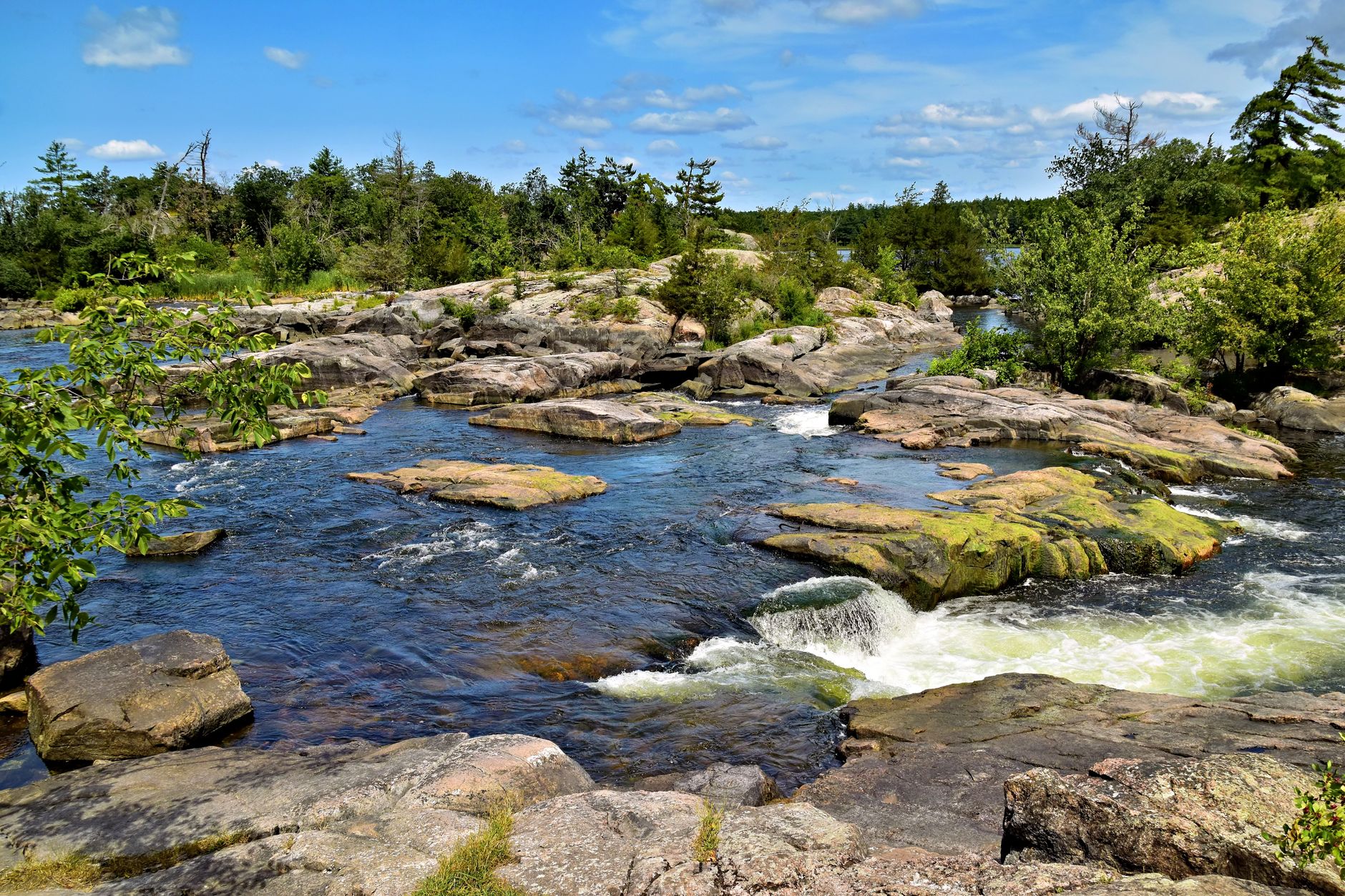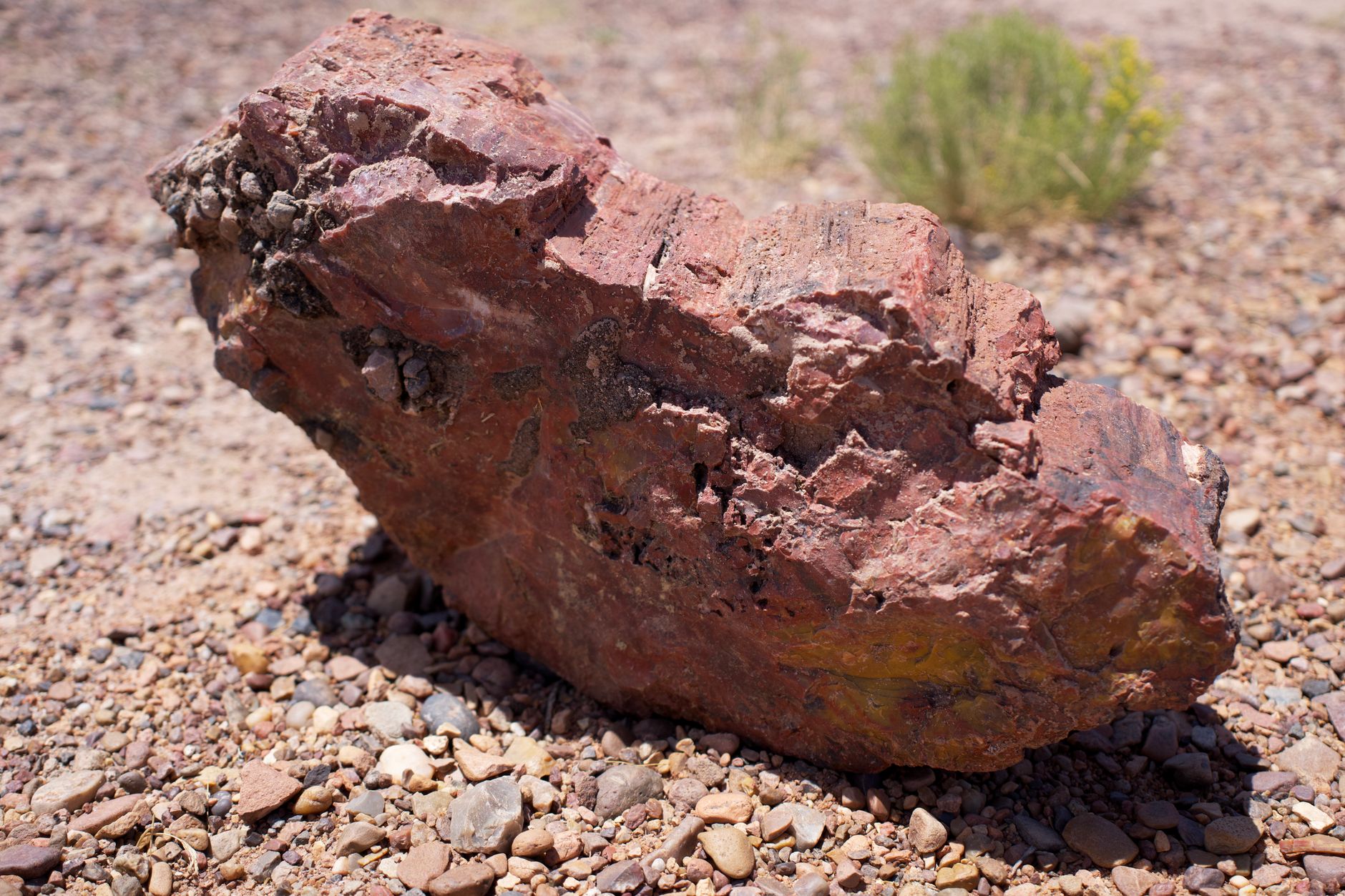
Most new rockhounds get burned by vague directions, locked gates, or long drives to a picked-over site. The best beginner rockhounding spots are different. They have clear legal access, loose material on the surface, simple geology, and enough specimens to keep a new collector coming back. Public land managed by the Bureau of Land Management is often the easiest place to start, but not every BLM parcel is open to collecting. Always check the local field office before you swing a hammer.
To build this comparison, I judged sites on four beginner-friendly tests. You can reach the site in a standard car. You can collect without a mining claim or advanced permit in most cases. The material is easy to identify with basic gear. And the site has a long track record for producing hand-sized specimens. This is not a list of secret honey holes. It is a list of places where you can learn the craft legally and come home with material worth keeping. For help reading minerals, start with our Mohs hardness scale guide.
You do not need a truckload of gear to start. A short-handled rock hammer, a 5-gallon bucket, safety glasses, and a hand lens will handle most of these sites. Later, you can add a rock tumbler or lapidary saw. But early trips should focus on collecting, not equipment anxiety. If you want a broader checklist before you buy anything, read our best rockhounding gear guide. The picks below assume you already know the core safety rule: never collect where signs, claim markers, or land managers say no.
One more note before the list. North American rockhounding rules are not uniform. State parks, national forests, BLM land, private fee digs, and tribal lands all have different rules. Some sites prohibit digging but allow surface collection. Others allow small hammers but not power tools. A good habit is to check the official site or call the office before you travel. That single phone call prevents most beginner mistakes.
How Do the Top Options Compare?
| Site | Best For | Access | Top Finds | Difficulty |
|---|---|---|---|---|
| Herkimer Diamond Mines, NY | Hard crystal pocket digging | Private fee dig | Double-terminated quartz, dolostone | Moderate |
| Crater of Diamonds State Park, AR | Surface searching for real diamonds | State park day pass | Diamond, jasper, quartz | Easy |
| Glass Butte, OR | Free obsidian surface collecting | BLM public land | Obsidian, mahogany sheen, snowflake | Easy |
| Lake Superior Beaches, MI/WI/MN | Wave-polished agate hunting | Free public beaches | Lake Superior agate, jasper, quartz | Easy |
| Jade Cove, CA | Ocean-tumbled jade picking | Public access, steep trail | Nephrite jade, serpentine | Moderate |
| Rockhound State Park, NM | Desert surface collecting | State park, free entry | Agate, jasper, quartz | Easy |
Fees and limits change. Verify with the official land manager or BLM before collecting. Mindat locality pages help confirm current finds.
1. Herkimer Diamond Mines, New York , Hard crystal pocket digging
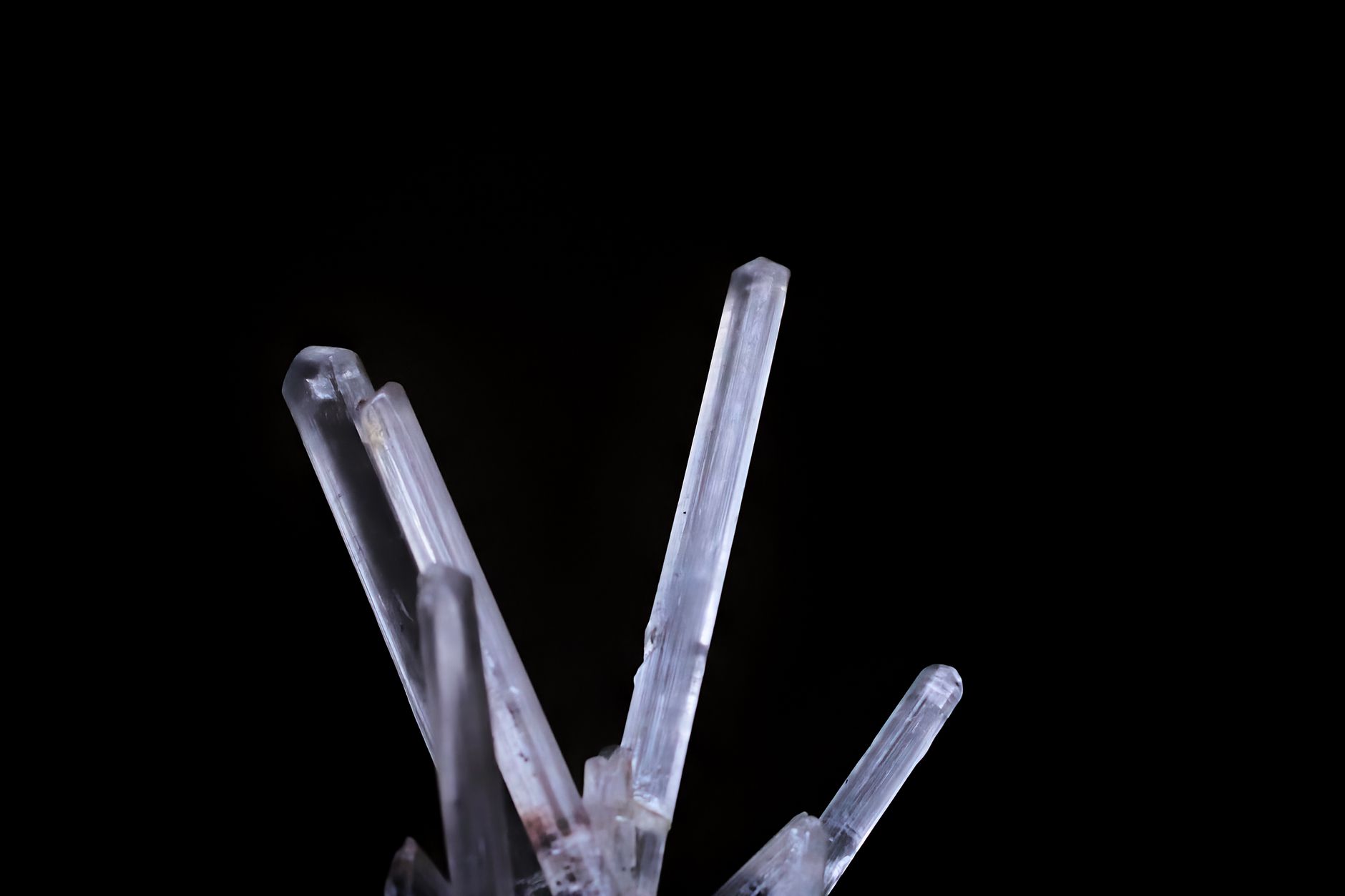
Herkimer Diamond Mines near Middleville, New York, is a private fee-dig operation that lets beginners crack open dolostone for double-terminated quartz crystals. These are not real diamonds. The Mindat.org locality page lists Herkimer diamonds as quartz with a Mohs hardness of 7. The crystals form as short, doubly terminated prisms inside vugs, so a single split of the rock can expose a cluster.
Plan to spend a full day because the work is physical. The mine staff generally provides basic instruction, and you can rent or buy tools on site. If you bring your own, a Check the Estwing rock hammer on Amazon with a square face works better than a claw hammer. Expect to get dusty. For more on identifying crystal shapes, see our gemstone identification guide.
The biggest beginner mistake is hammering randomly. Look for vugs, drill holes, and weathered pockets. When you find a pocket, tap around the edges instead of crushing the center. Small crystals often survive just fine.
Key strengths:
- ✅ Clear legal access through a fee-dig operation.
- ✅ Double-terminated quartz is easy to identify.
- ✅ Staff instruction helps new collectors.
- ✅ Consistent pocket finds are possible.
- ❌ Daily fee applies.
- ❌ Physical hammering work can be tiring.
- ❌ Weekends can be crowded.
Who it’s for: Beginners who want guaranteed access and a real chance at pocket crystals.
2. Crater of Diamonds State Park, Arkansas , Finding a real diamond in soil
Crater of Diamonds State Park near Murfreesboro is the only public diamond mine in the United States where visitors keep what they find. The diamonds formed in a lamproite pipe, and the USGS has documented the geology in detail. Diamond is a 10 on the Mohs scale, so it survives weathering while surrounding rock breaks down into soil. The park plows the field regularly to expose fresh material.
Beginners do best after heavy rain, when runoff cleans the surface. Walk the rows with a small trowel and a screen. Look for rounded crystals with a greasy or metallic surface. Most diamonds here are small, yellow, brown, or white. Our rockhounding in Arkansas guide covers more about the area’s quartz and jasper spots.
Rental gear is available, but bringing a Check the 5-gallon bucket on Amazon and a garden screen keeps costs low. Expect to dig and sift. Finding a diamond is rare, but the park reports hundreds each year, including stones over one carat.
Key strengths:
- ✅ Real diamond potential with keep-what-you-find rule.
- ✅ Rainy-day surface hunting reveals fresh stones.
- ✅ State park facilities and camping nearby.
- ✅ Family-friendly with basic sifting only.
- ❌ Diamonds are rare even at this site.
- ❌ Summer heat and full sun exposure.
- ❌ Sifting is slow physical work.
Who it’s for: Families and first-timers who want a real diamond chance with state park amenities.
3. Glass Butte, Oregon , Free obsidian surface collecting
Glass Butte in central Oregon is a massive flow of high-quality obsidian. Obsidian is natural volcanic glass with a Mohs hardness of 5 to 5.5 and a distinctive conchoidal fracture. That fracture pattern is why it flakes into sharp edges and why knappers prize it. The BLM manages the area, and personal-use collecting is allowed in most spots, but you must verify current limits and any mining claims before you load up.
Pick a safe pullout and walk slowly. Surface obsidian is everywhere. Beginners often fill buckets with mahogany, black, and snowflake obsidian without swinging a hammer. For cutting and polishing later, a tile saw works, but few beginners need that on day one. The biggest risk is not the collecting, it is the remote setting. Carry water, fuel, and a spare tire.
Limit yourself to loose surface rock. Digging into the hillside is often unnecessary and may be restricted. Good specimens show clean fracture surfaces and color banding. Bring leather gloves because obsidian shards are sharp enough to cut skin.
Key strengths:
- ✅ Free public land access.
- ✅ Abundant easy surface collecting.
- ✅ Multiple obsidian varieties.
- ✅ No fee dig required.
- ❌ Remote location with limited services.
- ❌ Sharp obsidian shards cut skin.
- ❌ Some areas may have mining claims.
Who it’s for: Beginners who want free, high-volume collecting on public land without a fee dig.
4. Lake Superior Agate Beaches, Michigan, Wisconsin, Minnesota , Wave-polished agate hunting
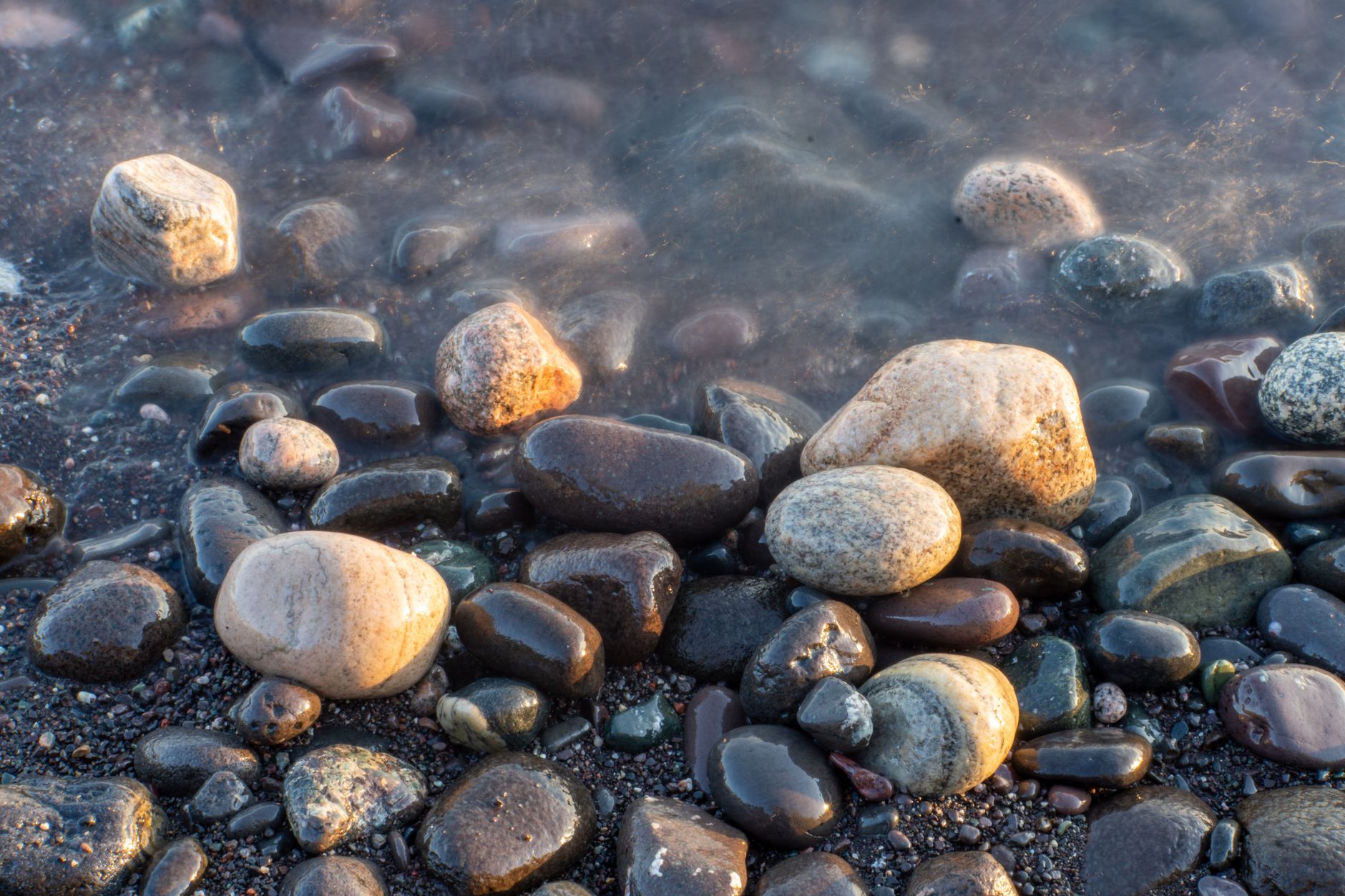
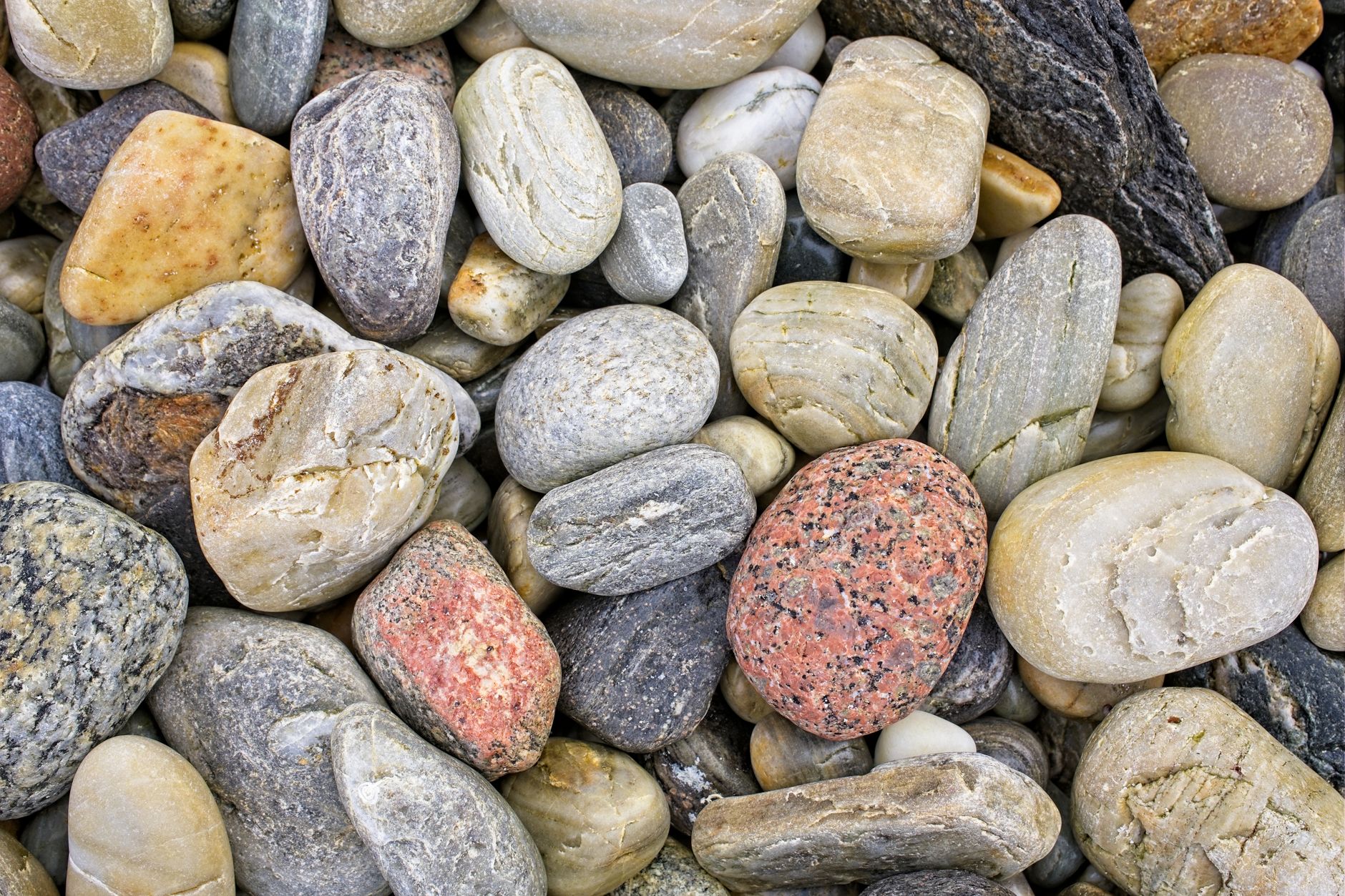
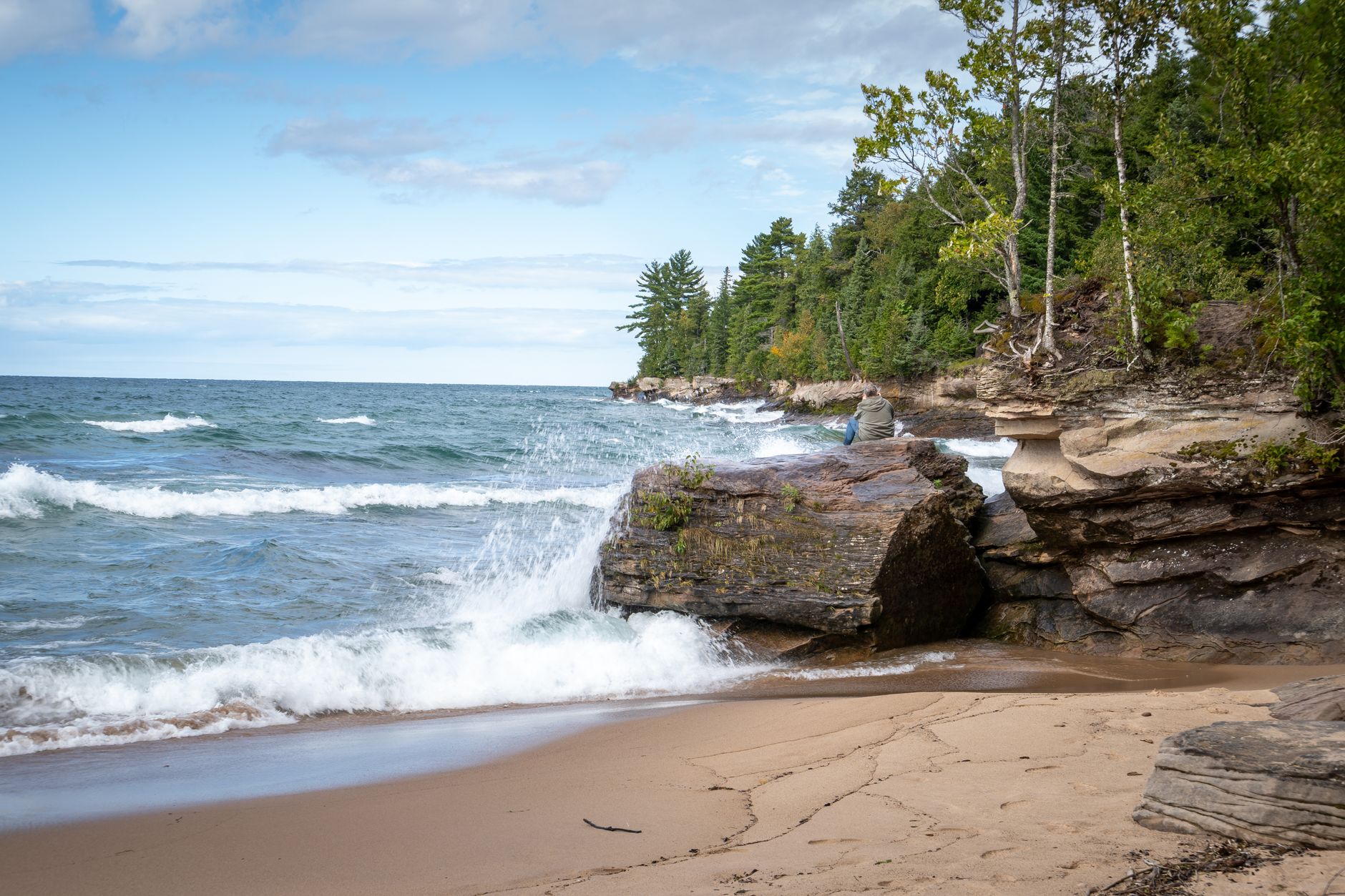
Lake Superior’s public beaches are one of the best beginner rockhounding settings in North America. The target is the Lake Superior agate, a banded variety of chalcedony with a Mohs hardness of 6.5 to 7. Iron staining gives many stones their red, orange, and yellow bands. Unlike pocket digging, beach collecting requires no hammer and no landowner negotiation. Waves do the work for you.
Walk the beach after storms and look for translucent bands, waxy luster, and pitted surfaces. Wet stones are easier to read, so carry a spray bottle. The best hunting happens in spring and fall when wave action turns over fresh gravel. If you collect enough, tumbling a few pieces with a Check the Lortone 3A rock tumbler on Amazon can bring out the banding. For help telling agates from ordinary quartzite, read our how to identify agates guide.
Check local beach rules. State parks and municipal beaches can differ. Some allow only surface collecting. Always collect below the ordinary high-water mark if that is the local rule.
Key strengths:
- ✅ No tools required.
- ✅ Free public beach access.
- ✅ Wave-polished stones ready to clean.
- ✅ Great for children and casual walkers.
- ❌ Crowded after storms.
- ❌ Rules differ by beach.
- ❌ Many lookalike stones without distinct banding.
Who it’s for: Casual beginners and families who prefer walking beaches to breaking rock.
5. Jade Cove, California , Ocean-tumbled nephrite jade
Jade Cove on the Big Sur coast is a public-access spot where beginners can search for nephrite jade in the surf zone. The jade here is nephrite, with a Mohs hardness of 6 to 6.5 and a tough, fibrous structure. It often looks like waxy green or black pebbles among graywacke and serpentine. The ocean does the rounding, so you do not need heavy tools.
Access is from a steep trail, and the collecting window depends on tides. Check the tide chart and never turn your back on the surf. The biggest beginner mistake is filling a pack with serpentine. Serpentine is softer and has a more slippery or soapy feel. A hand lens helps you spot nephrite’s fine-grained texture. For more California locations, see our rockhounding in California guide.
Collect only loose pebbles and small cobbles. Digging or prying in the cliff is dangerous and often restricted. The area has changed over the years, so verify current access rules with the managing agency before you drive down the coast.
Key strengths:
- ✅ Free public access with ocean views.
- ✅ Unique nephrite jade collecting.
- ✅ No digging required.
- ✅ Big Sur setting makes a memorable trip.
- ❌ Steep trail and surf danger.
- ❌ Serpentine lookalikes confuse beginners.
- ❌ Tide and weather limit collecting windows.
Who it’s for: Fit beginners who want something different and can respect ocean safety.
6. Rockhound State Park, New Mexico , Desert surface collecting
Rockhound State Park near Deming is one of the few state parks in the country where visitors can collect rocks and minerals for personal use. The park is set in the Little Florida Mountains, and the surface is loaded with agate, jasper, and quartz. The materials are mostly small, but the access is easy and the weather is mild outside summer.
The park’s geology is volcanic, which explains the agate and jasper. Many specimens are already weathered free, so a rake or trowel is enough. Bring sun protection and water. The park also has camping, which makes it a good first multi-day trip.
Obey the posted collecting limits and stay within the park boundary. The nearby BLM land may have different rules. Beginners like this site because it is low-pressure and the sunset over the desert is a bonus after a day of picking.
Key strengths:
- ✅ State park collecting is legal and clear.
- ✅ Camping available on site.
- ✅ Easy surface picking for quartz family minerals.
- ✅ Low entry cost.
- ❌ Summer heat is extreme.
- ❌ Specimens run small.
- ❌ No fee-dig crystal pockets.
Who it’s for: First-timers who want a legal, low-stress state park trip in the Southwest.
Frequently Asked Questions
Do I need a permit for these beginner rockhounding sites?
Some sites require a fee or day pass, like Crater of Diamonds State Park and Herkimer Diamond Mines. Others are free public land or beaches. Always verify the specific land manager’s rules before collecting because limits and permit rules change.
What tools should a beginner bring?
Start with a rock hammer, safety glasses, leather gloves, a 5-gallon bucket, and a hand lens. A spray bottle helps on beach sites. Avoid power tools until you know the site rules.
Can I keep what I find at these sites?
Yes at most of the listed sites, but personal-use limits apply. Some public lands allow only small amounts. Private fee digs usually include the right to keep finds, but check the fee agreement.
What is the easiest mineral to identify as a beginner?
Quartz-family minerals are easiest because they are common and have a Mohs hardness of 7. Agate, jasper, and chalcedony are all quartz varieties. Obsidian has a glassy look and conchoidal fracture.
Are these sites okay for kids?
Most are family-friendly, especially beach and state park sites. Avoid Jade Cove with small children because of steep trails and waves. Always supervise kids around rock hammers and obsidian shards.
How do I know if collecting is allowed on public land?
Check the agency website first, such as BLM, state park, or national forest. Look for current collecting rules and closure orders. Call the local field office if the rules are unclear.
What Should You Remember?
- Start on public land: Use BLM, state park, or fee-dig sites with clear collecting rules.
- Know the Mohs scale: Hardness helps you separate quartz, agate, obsidian, jade, and diamond.
- Surface collect first: Loose material on beaches and desert ground needs fewer tools and less risk.
- Bring basic gear: A rock hammer, bucket, gloves, and hand lens cover most beginner sites.
- Verify access: Call the land manager before you drive out. Claim boundaries and rules change.
- Respect weather and waves: Tides, extreme heat, and remote roads cause more problems than the rocks themselves.
This article is for general information only. Rockhounding and collecting carry land-access, safety, and legal obligations , always verify claim status, land ownership, and collecting rules before removing material, and get landowner or land-agency permission where required. Field collecting involves physical hazards; use proper safety gear and never enter mines or unstable terrain.