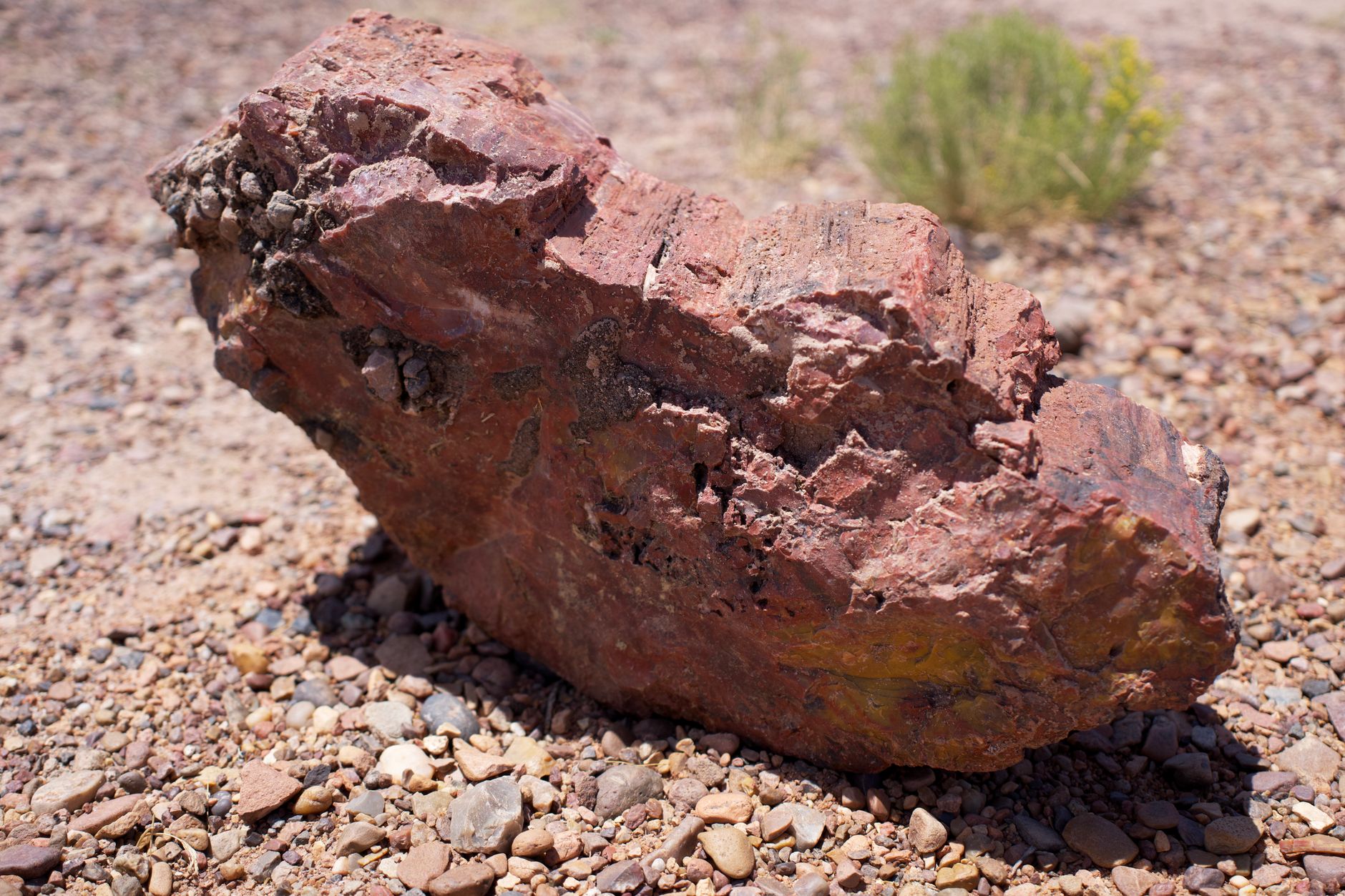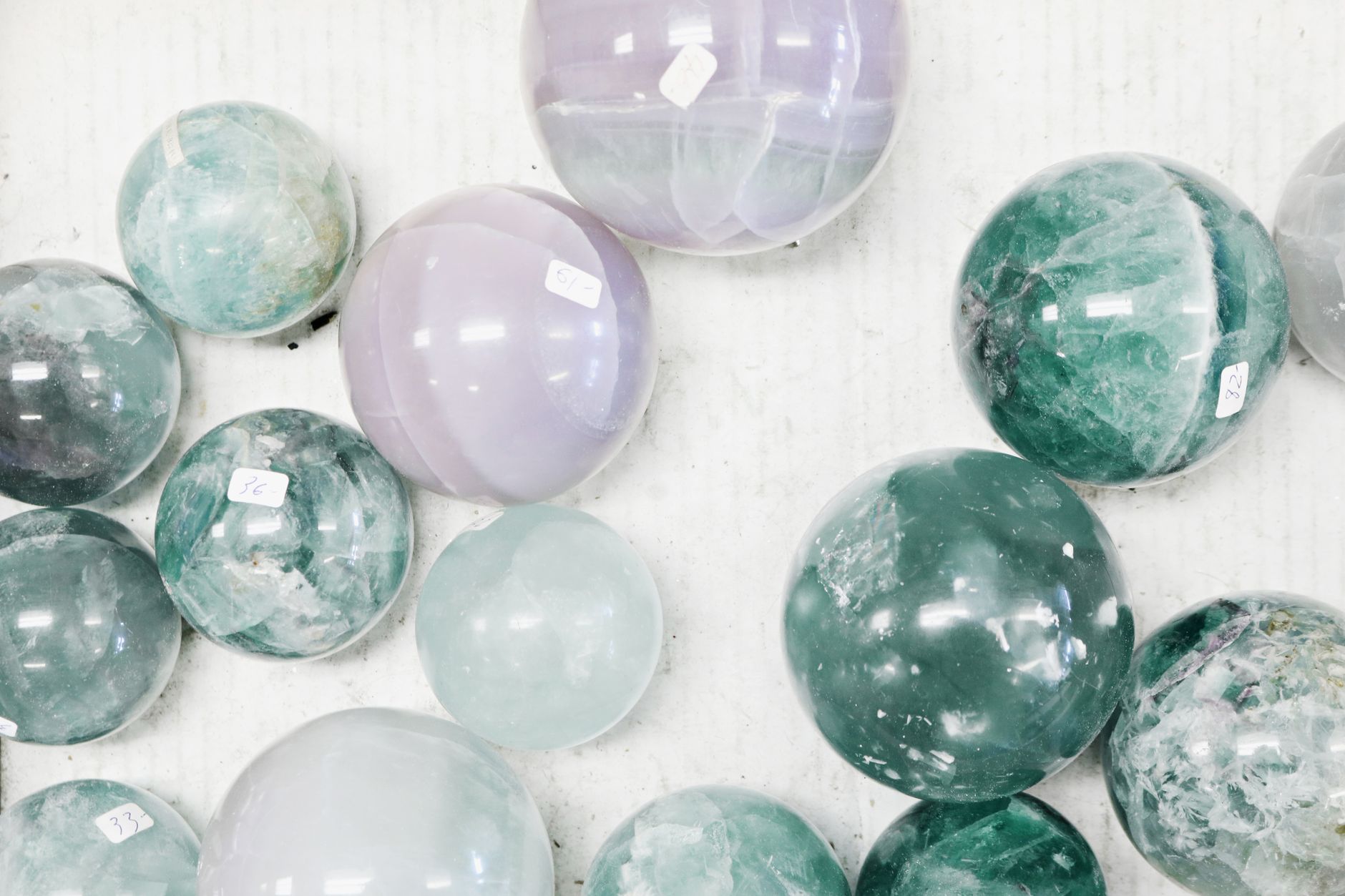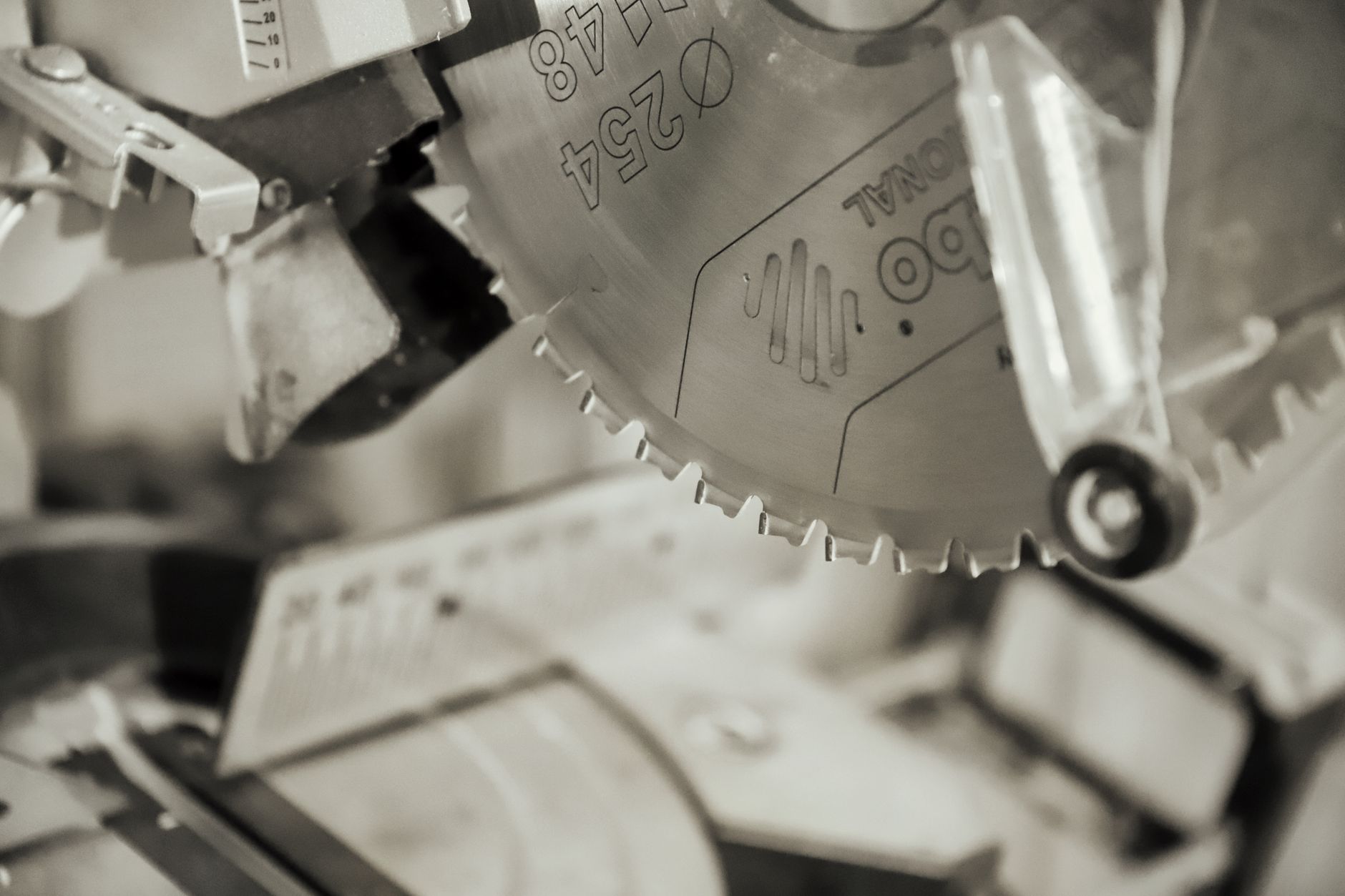
If you have spent any weekend hunting agates in Arizona or jasper on Lake Superior beaches, you know the feeling. Your bucket is heavy, your back is sore, and every rough stone looks like a mystery until it gets cut. The best lapidary equipment in 2026 turns that mystery into a finished cabochon, sphere, or polished slab. This guide compares the saws, cabbing machines, and polishers that actually earn bench space in a serious rock shop. We focus on gear that can handle the minerals rockhounds actually collect, from quartz at Mohs 7 to tougher jaspers and softer opals. Before you buy, check our best rockhounding gear guide for the big-picture setup.
Lapidary work is not one machine. It is a sequence: sawing rough rock into workable slabs, grinding a preform to shape, sanding out saw marks, and polishing to a mirror finish. A trim saw cannot contour a cabochon. A cabbing machine cannot slab a 14-inch boulder. That is why the best bench includes at least two tools, and often three. Our recommendations are based on motor size, arbor runout, wheel quality, and the materials you are most likely to cut. According to Mindat.org, the quartz family includes agate, jasper, and chalcedony, all sitting at Mohs hardness 7. That is the baseline. Your equipment must handle that all day without bogging down.
We looked at 2026 models, current prices, and user feedback from lapidary clubs and online rockhounding forums. We also considered footprint and water management. Many saws and grinders are splashy, heavy, and loud. If you are working in a garage or a spare room, the wrong machine will make you hate the hobby. Our top picks balance power with a realistic home workshop footprint. The Mohs hardness scale guide explains why harder material changes your wheel and blade choices. If you are just starting, how to cut rocks with a tile saw shows a budget path before you commit to a dedicated lapidary saw.
This article is not a list of every machine sold. It is a direct comparison of the five types of equipment that matter in 2026: a 10-inch trim/slab saw, a 6-inch all-in-one cabbing machine, a combo unit with separate grinding and polishing stations, a heavy-duty slab saw for big rocks, and a flat lap/arbor for final polish. Each machine gets an honest breakdown, including cons. Many lapidary workers overbuy horsepower or underbuy water containment. We tell you where each pick fits and where it fails. The USGS emphasizes proper water and dust control around silica-based minerals. Whether you are prepping Lake Superior agates or cutting Montana sapphire rough, you need the right tool for the stage.
How Do the Top Options Compare?
| Model | Type | Best For | Max Blade/Wheel | Motor | Price |
|---|---|---|---|---|---|
| Hi-Tech Diamond 10" Lapidary Saw | Lapidary saw | Trimming slabs and preforming cabochons | 10 in blade | 1/3 hp | Check on Amazon |
| CabKing 6" Cabbing Machine | Cabbing machine | Full cabbing from preform to polish | 6 in wheels | 1/4 hp | Check on Amazon |
| Diamond Pacific Genie | Combo cabber/polisher | Versatile cabbing and polishing | 6 in wheels | 1/3 hp | Check on Amazon |
| Covington 14" Heavy-Duty Slab Saw | Slab saw | Large rocks and slabbing | 14 in blade | 1/2 hp | Check on Amazon |
| Lortone 45C Flat Lap/Arbor | Flat lap/arbor | Final polishing and flat surfaces | 8 in discs | 1/3 hp | Check on Amazon |
Prices are current as of early 2026 and will fluctuate. Always verify land ownership and collecting rules before removing material.
1. Hi-Tech Diamond 10" Lapidary Saw , Trimming slabs and preforming cabochons
The Hi-Tech Diamond 10 inch saw is the most practical first saw for a home lapidary bench in 2026. It uses a 10-inch thin rim diamond blade that cuts through agate, jasper, and obsidian without kicking up the mess of a larger slab saw. The vise and sliding table are basic but stable enough for preforming cabochons from slabs up to about 1/4 inch thick. You can see what you are doing, which matters when a slab has fractures or crystal pockets. Check the Hi-Tech Diamond 10" Lapidary Saw on Amazon.
This saw is not for big rocks. The blade clearance and vise opening keep you to small slabs and preforms. That is an honest limitation. Use it after a trip to best beginner rockhounding sites when you bring home a pocketful of agates, not a bucket of 10-pound boulders. The 1/3 hp motor runs quietly enough for a garage bench, but water spray control is on you. A simple plastic splash guard and a catch pan are necessary. Blade changes take minutes, and the arbor has less runout than cheap generic tile saws.
Key strengths:
- ✅ Cuts clean, thin kerf lines in agate and jasper
- ✅ Compact footprint fits a small workbench
- ✅ Simple blade swap without special tools
- ✅ Enough torque for quartz at Mohs 7 without stalling
- ❌ Not designed for rocks over about 4 inches thick
- ❌ Water containment is minimal out of the box
- ❌ Plastic vise can flex on irregular-shaped rough
Who it’s for: A home lapidary worker who needs a clean trim saw for slabs and preforms without dedicating half a garage to a floor-model slab saw.
2. CabKing 6" Cabbing Machine , All-in-one cabbing from preform to polish
The CabKing 6 inch cabbing machine is the best value in 2026 if you want one machine that takes a preform all the way to a polished cab. It packs six diamond wheels onto a single arbor: two hard wheels for shaping, two soft resin wheels for sanding, and a final polishing pad. You work through the stages without changing machines. That is a huge time saver for rockhounds who cab dozens of stones in a weekend. The 1/4 hp motor is not the most powerful, but it spins the 6-inch wheels with enough speed for quartz, agate, and even some garnet. Check the CabKing 6" Cabbing Machine on Amazon.
The built-in water system is better than most. Each wheel gets a drip line, and the drainage keeps the shop reasonably dry. However, the arbor length means wheel spacing is tight for larger cabs. If you are slabbing a 40 mm cab, your knuckles will feel it. For beginners moving up from a tumbler, this machine teaches the grind-sand-polish sequence faster than anything else at the price. We recommend reading the rock tumbling step-by-step guide to understand grit progression before you start, because the same principle applies, only faster.
The CabKing’s main weakness is wheel replacement cost. Diamond wheels are consumables, and running dry for even a few seconds can trash a resin wheel. Keep a water bucket full. You will also want a separate trim saw for cutting preforms, because this machine does not saw rock. It shapes. That is not a design flaw; it is how cabbing machines work.
Key strengths:
- ✅ Six diamond wheels on one arbor
- ✅ Splash hood and drip water system included
- ✅ Good introduction to cabbing technique
- ✅ Quieter than many larger combo units
- ❌ Not a saw; you still need a trim saw
- ❌ Resin wheels wear quickly if water runs low
- ❌ Small wheel gap limits large cab sizes
Who it’s for: A rockhound who wants one dedicated cabbing station and already owns a saw or buys pre-cut slabs.
3. Diamond Pacific Genie , Combo grinding and polishing with expandable drum
The Diamond Pacific Genie is a step up from the CabKing in build quality and versatility. It uses Diamond Pacific’s expandable drum system, which lets you swap diamond belts instead of entire wheels. That makes grit changes cheap and fast. The machine has two hard grinding wheels plus a series of belts and a polish pad. A 1/3 hp motor gives enough torque for hard materials like jasper and agate. Check the Diamond Pacific Genie on Amazon.
This is the machine you buy when cabbing is no longer a test hobby. The expandable drum eliminates most wheel alignment problems. It also produces rounder, smoother domes on cabs because the belt flexes slightly under pressure. The water system is drip-fed and functional, though you may need to modify the drain for heavy use. Mindat.org lists agate and jasper as cryptocrystalline quartz. At Mohs 7, they cut well on the Genie’s silicon carbide and diamond belts.
Key strengths:
- ✅ Expandable drum makes grit changes cheap
- ✅ Powerful 1/3 hp motor for hard minerals
- ✅ Less wheel runout than budget machines
- ✅ Long track record with professional cabbers
- ❌ Higher price than basic cabbing machines
- ❌ Water drain needs tinkering
- ❌ Learning curve on belt tension
Who it’s for: A serious cabber who wants a long-term machine with flexible grit options and professional-level results.
4. Covington 14" Heavy-Duty Slab Saw , Slabbing large rocks and geodes
The Covington 14 inch heavy-duty slab saw is the tool for the other end of the process: cutting big rough into slabs you can cab. This is a floor model with a power feed, a locking vise, and a blade that turns at lower RPM with a gravity-fed oil or water coolant system. You can slab a 10-pound Lake Superior agate into 1/4-inch pieces without destroying your wrists. The 1/2 hp motor is rated for continuous use. A 14-inch blade is the practical limit for most home workshops. Check the Covington 14" Heavy-Duty Slab Saw on Amazon.
This saw is messy, heavy, and expensive. It needs a dedicated spot and a sturdy stand. But if you collect big rocks, no trim saw or cabbing machine will replace it. The vice holds irregular shapes better than the small saws. The blade guard and power feed are safety essentials, not extras. For large thunder eggs from Oregon or agates from New Mexico, the saw pays for itself over time.
One data point to keep in mind: agate has a Mohs hardness of 7, but fracture patterns can make large pieces unpredictable. A 14-inch blade with adequate coolant reduces heat-related cracks. The USGS reminds collectors that silica dust from dry cutting is a health risk. Always run wet or oil-cooled.
Key strengths:
- ✅ Handles whole nodules and 10-pound rocks
- ✅ Power feed reduces hand fatigue
- ✅ Locking vise holds irregular rough securely
- ✅ Large blade makes clean slabs quickly
- ❌ Heavy floor unit needs permanent bench space
- ❌ Blades are expensive to replace
- ❌ Oil or water coolant system requires maintenance
Who it’s for: A rockhound who regularly slabs large rough and has a dedicated workshop or garage bay.
5. Lortone 45C Flat Lap/Arbor , Final polishing and flat surfaces
The Lortone 45C flat lap and arbor covers the last stage: flat polishing and final flat laps. It spins 8-inch discs that you change from coarse to fine to polish. This is ideal for polishing the flat back of a cab, finishing a geode half, or flattening a slab before display. It also works for polishing minerals like obsidian or opal that need gentle flat work. The 1/3 hp motor is smooth and quieter than you expect. Check the Lortone 45C Flat Lap on Amazon.
This is not a saw, and it is not a full cabbing machine. It complements your other tools. You can also use it to polish small slabs into touchstones or jewelry components. Grit progression follows the same rules as a tumbler. Our rock tumbling grit guide explains the stages. The flat lap’s main limitation is that it cannot form a dome. That is the cabbing machine’s job. But for flat faces and final luster, it is hard to beat.
Key strengths:
- ✅ Quick disc changes for grit stages
- ✅ Great for flat surfaces and geode halves
- ✅ Light enough to store on a shelf
- ✅ Smooth-running motor for delicate polishing
- ❌ Does not shape domes or cabs
- ❌ Water splash needs a simple drip pan
- ❌ Discs are consumable and add cost
Who it’s for: A lapidary worker who needs a dedicated final polish station for flats, backs, and geode faces.
Frequently Asked Questions
What is the difference between a slab saw and a trim saw?
A slab saw cuts large rough into slabs using a large blade and a vise or power feed. A trim saw is smaller and uses a thin blade to cut slabs into preforms. Most rockhounds start with a trim saw and add a slab saw later if they collect big rocks.
Do I need a cabbing machine if I already have a rock tumbler?
A tumbler rounds rocks randomly over days or weeks. A cabbing machine shapes a preform into a controlled cabochon shape and polishes it in under an hour. You still need a saw to cut preforms. Many people use both.
What grit sequence should I use on a cabbing machine?
Start with a coarse diamond wheel around 80 grit, move to 220 grit, then 280 or 325 grit before resin wheels. Finish with 600 grit, 1200 grit, and a polishing pad with cerium or tin oxide. Always keep wheels wet.
Can I polish rocks without a flat lap or cabbing machine?
Yes. You can flat-polish slabs by hand on a sheet of plate glass with loose grits, but it is slow and tiring. A flat lap or cabbing machine is faster and more consistent. For occasional display pieces, hand polishing is fine.
What safety gear do I need for lapidary work?
Wear safety glasses or a face shield, a splash apron, and nitrile gloves. Use a respirator rated for silica dust if any dry grinding occurs. Keep water flowing to control dust and heat. Never cut rock dry.
How much workshop space does a 10-inch lapidary saw need?
A 10-inch trim saw fits on a 2-foot by 3-foot bench with room for a water bucket. A 14-inch slab saw is a floor unit and needs about 3 feet by 4 feet of floor space plus room for the coolant tank.
What Should You Remember?
- Match the machine to the stage: sawing, shaping, and polishing are separate tasks.
- Mohs 7 quartz is your baseline, and your machine must handle it without stalling.
- Water is not optional: dry grinding destroys wheels and creates dangerous silica dust.
- Start with a trim saw: a 10-inch trim saw covers most home cutting before a big slab saw.
- Size limits matter: a 6-inch cabbing machine cannot comfortably make 40 mm cabs.
- Verify collecting rules: always confirm land ownership and collecting regulations before removing material.
This article is for general information only. Rockhounding and collecting carry land-access, safety, and legal obligations , always verify claim status, land ownership, and collecting rules before removing material, and get landowner or land-agency permission where required. Field collecting involves physical hazards; use proper safety gear and never enter mines or unstable terrain.