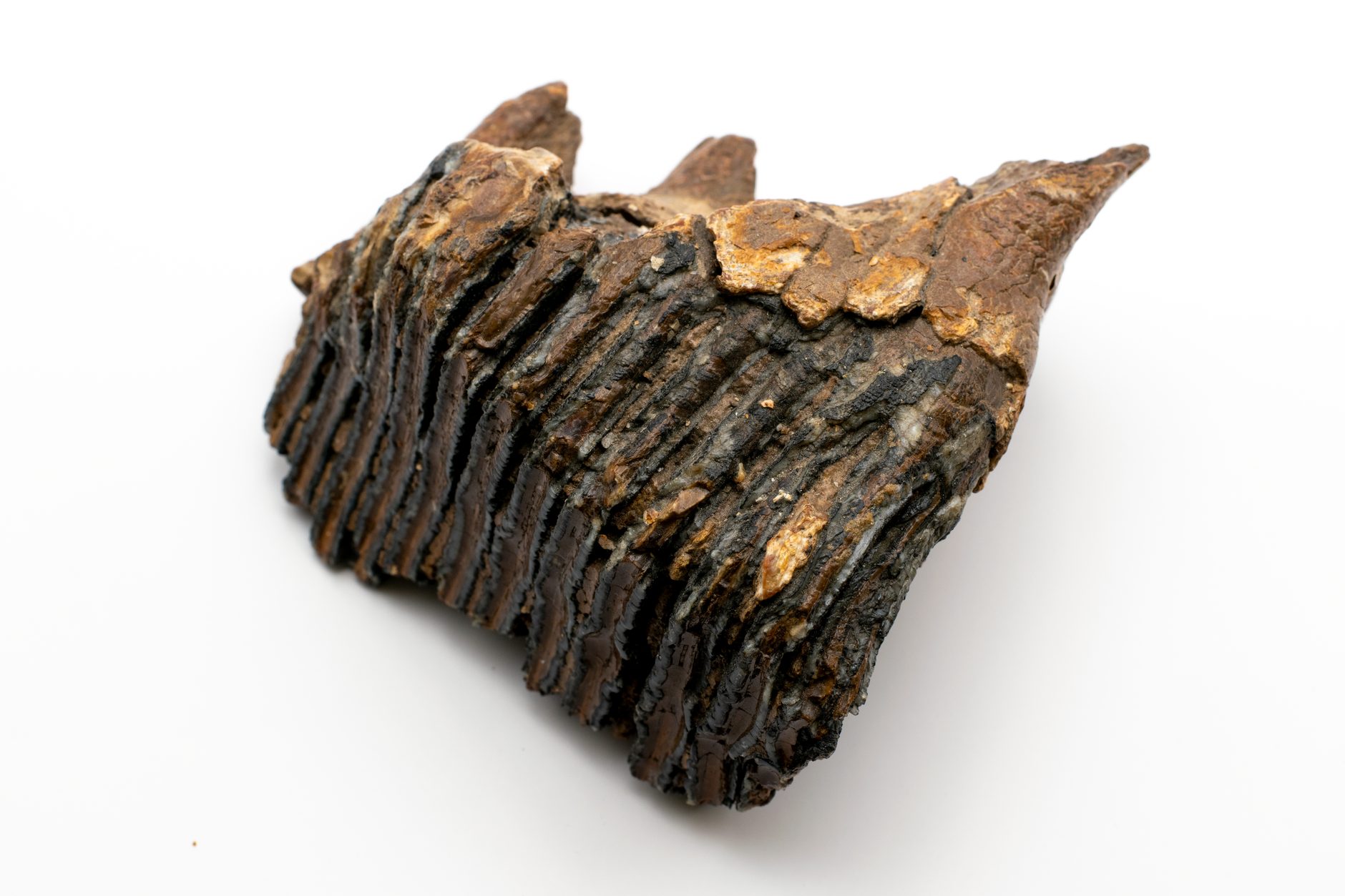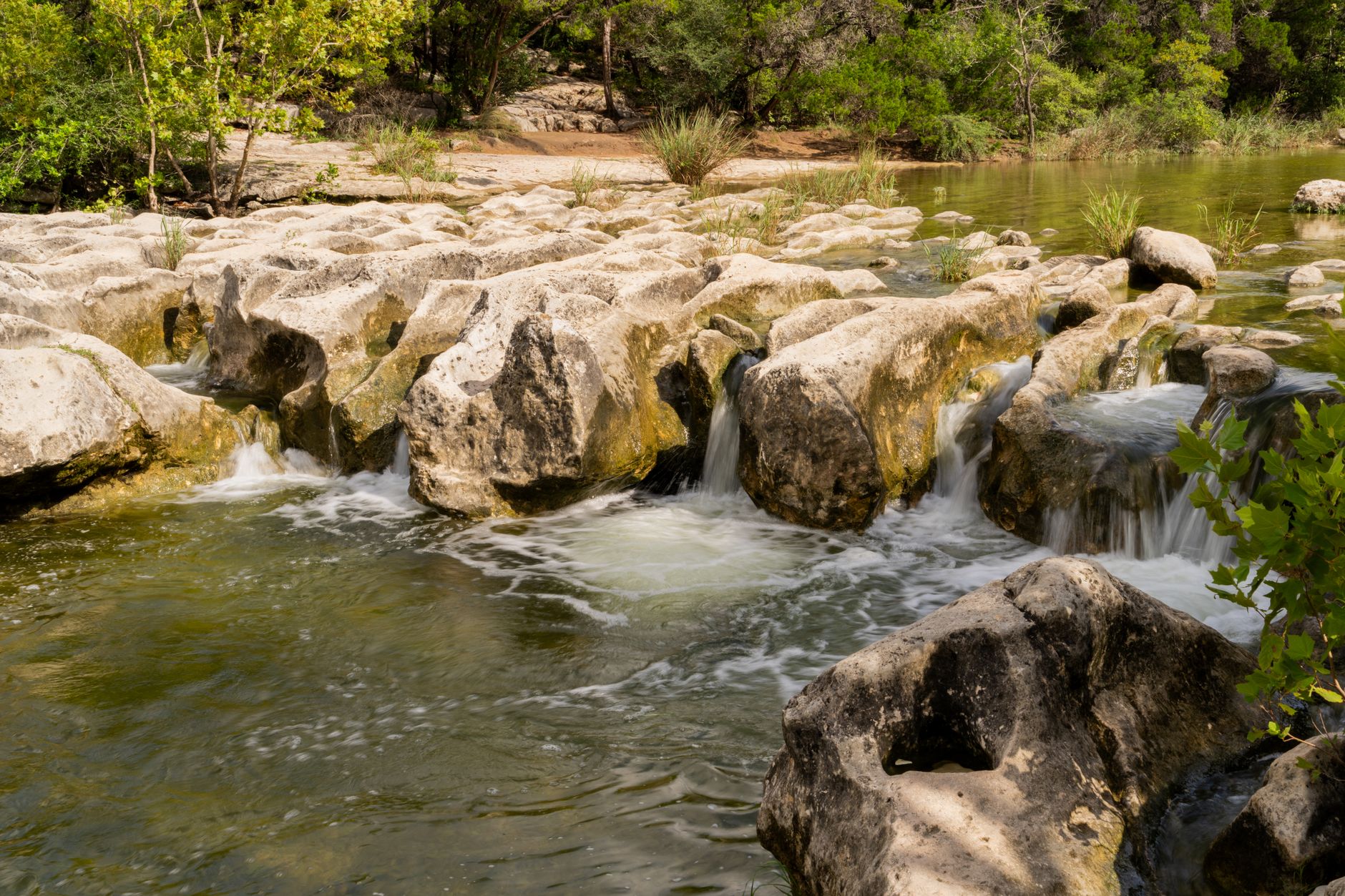
Texas is one of the most underrated rockhounding states. It stretches across volcanic and sedimentary terrains, ancient uplifts, and gravel-rich river systems. You can find blue topaz, agates, jaspers, petrified wood, and even dinosaur bone on the right piece of ground. If you are coming from another state, this guide covers the best sites and current expectations for 2026. I also recommend reviewing the best rockhounding gear guide before you drive long distances.
The state gem is blue topaz, and it is the big reason many collectors head to the Hill Country. Topaz ranks 8 on the Mohs hardness scale, so it scratches quartz and most common field minerals. That hardness does not make it indestructible. Topaz has a perfect basal cleavage, which means one wrong hammer blow can split a crystal. Mindat keeps a useful locality list for Texas topaz and other minerals. Mindat’s Texas mineral locality data is a good first reference when you want exact coordinates and historical finds.
Public land rules are different in Texas than in western states. Texas has little BLM land compared with Arizona or Nevada. Most rockhounding happens on private ranches, county road rights-of-way, and occasional river access points. The Bureau of Land Management does manage some land, but you must check current rules before collecting. The Bureau of Land Management publishes rules for casual use and mineral collection on the lands it administers. Do not assume a fence line or a dry creek is open ground.
For 2026, dry conditions in parts of central and west Texas may expose more gravel and outcrop. That is good for surface collecting, but droughts also make landowners stricter about fire risk and trespassing. Many classic pay-to-dig sites update their hours and fees each season. Some allow screening for topaz, while others focus on agates or fossils. The rest of this guide walks through the exact steps to plan a safe, legal trip.
What You’ll Need
- rock hammer
- cold chisel
- screen classifier
- 10x triplet loupe
- sun hat
- gloves
- water containers
How Do You Rockhound in Texas 2026?
- Learn Texas rockhounding rules and ask permission first
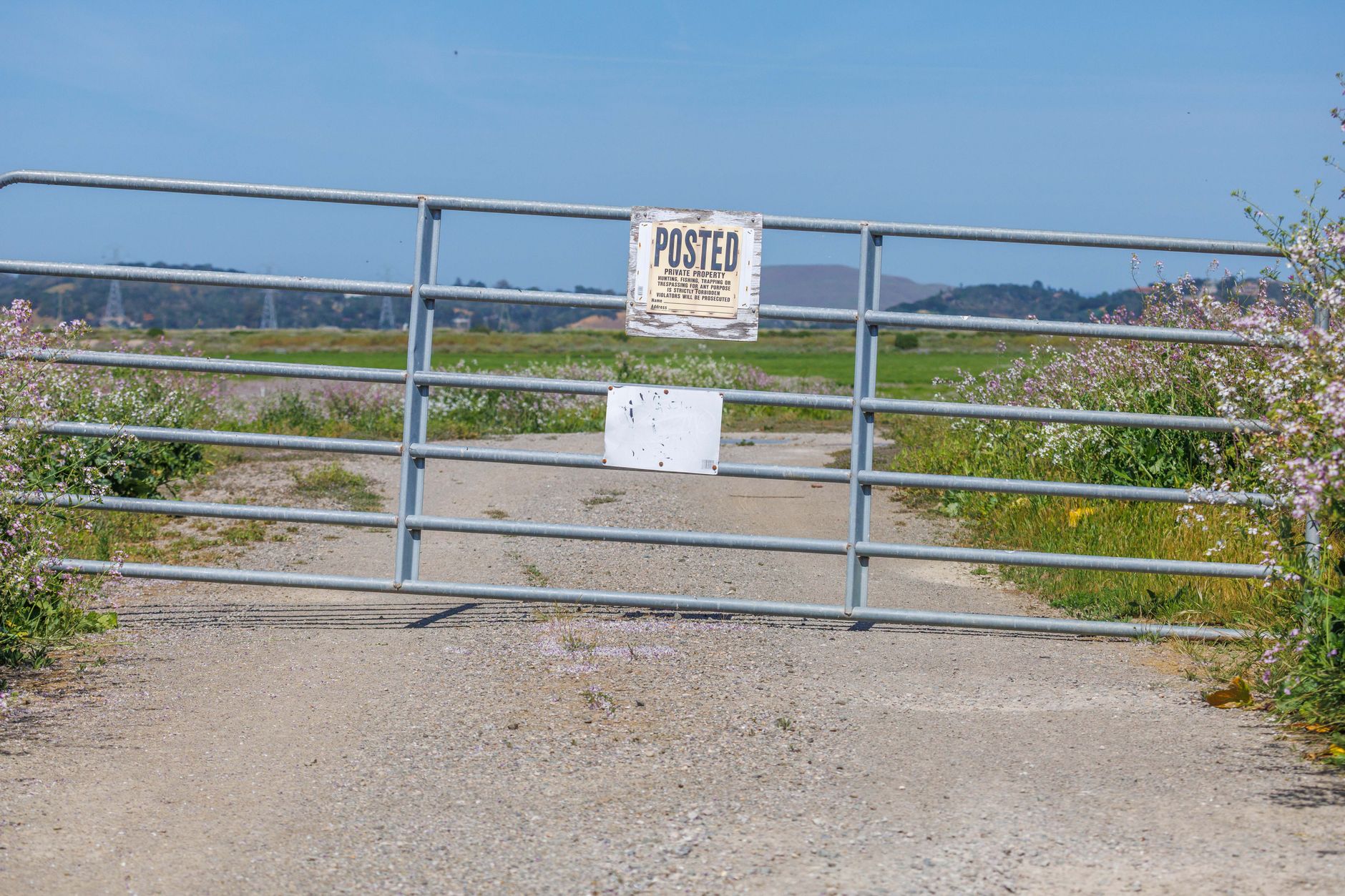
Start with land status. Texas has very little BLM land compared with western states, so federal collecting opportunities are limited. State parks and wildlife management areas generally prohibit removing minerals, fossils, or plants. Before you dig anywhere, confirm ownership and collecting status. Use the county appraisal district website to identify land ownership. For any federal parcel, contact the local Bureau of Land Management field office or the U.S. Forest Service district office for current rules. Do not rely on a map that shows a public land boundary without checking the collecting rules for that parcel.
Private land is the main path for Texas rockhounds. Get permission before entering any creek, gravel pit, or pasture. Ask the landowner directly and describe what you hope to collect. Written permission is best, but a clear recorded conversation can also work. Keep the landowner’s name, the date, and any conditions on your phone. Close all gates, stay on existing tracks, and haul out your trash. This protects access for the whole rockhounding community.
Pay-to-dig ranches are an easier option for beginners. These sites charge a daily fee and usually provide a specific collecting area. Some Mason County ranches offer topaz screening. Others focus on agates, fossils, or petrified wood. Call ahead in 2026 to confirm opening dates, fees, and road conditions. A ranch can close after heavy rain or during drought. Do not rely on outdated posts from past seasons.
- Choose a Texas mineral target and region
Texas is large, so match your target to one region. Classic targets include topaz in Mason County, agate and jasper in West and South Texas, petrified wood in East Texas, and selenite or celestite in North and West Texas. If you try to cover too much ground, you will lose time to driving. Choose one or two related minerals and plan around that region. How to identify rocks and minerals in the field can help you recognize what you find as you move between sites.
For topaz, focus on the Llano Uplift and nearby counties such as Mason, Llano, and McCulloch. These areas produce stream-rounded topaz crystals and pale blue to colorless stones. Many local ranches operate as fee digs with screened gravel. You can also find quartz, feldspar, and occasional pegmatite minerals. Topaz feels heavy and often breaks into flat cleavage plates rather than clean crystal points.
For agates and jaspers, the western and southern parts of the state are better. Big Bend-area ranch lands and some public road crossings can hold agate, jasper, and agatized wood. Do not collect inside Big Bend National Park. Surrounding private land may allow collecting with permission. Ask before you enter. This regional focus will make your weekend far more productive.
- Gather the right rockhounding gear for Texas heat and terrain
Texas collecting can be hard on gear and your body. Bring a heavy rock hammer, a cold chisel, and sturdy gloves. A screen classifier and a small folding shovel help in gravel deposits. Sunglasses, a broad hat, and sunscreen are not optional. Long pants protect against brush, cactus, and snakes. For a dependable general-use tool, Check the rock hammer on Amazon or choose one from your existing kit.
A good loupe will help you identify finds before you haul heavy rocks home. A 10x triplet loupe shows cleavage surfaces, tiny crystal faces, and mineral texture. The better the lens, the more you will see in bright Texas sun. You can compare options in the best magnifying loupes for rockhounds. Check the 10x triplet loupe on Amazon.
Carry more water than you think you need. Heat planning starts with your load. A small bucket with a lid is useful for carrying specimens and for sitting during breaks. An offline GPS app or paper map keeps you oriented in remote West Texas. Keep your collecting bag light enough to carry for a mile or two. You do not need every tool on a short surface hunt.
- Plan around Texas heat, flash floods, and seasonal roads
Heat is the most common trip killer. Summer temperatures in central and west Texas regularly rise above 100 degrees Fahrenheit. Collect in the early morning and late afternoon. Rest in shade during midday. Drink water on a schedule rather than waiting until you feel thirsty. Add electrolytes if you sweat heavily. If you feel dizzy or stop sweating, stop and cool down.
Flash floods turn dry washes into dangerous channels. Storms can form far away and send water downstream fast. Before you enter a creek bed, check the sky and the forecast. If you see dark clouds upstream or hear thunder, leave the drainage immediately. Park on high ground and walk down into the wash. Never drive into moving water, even if it looks shallow.
Road and access conditions change often. Caliche roads become slick after rain and dusty in drought. High clearance helps, but it does not prevent every problem. Ask the landowner or ranch manager about current road access. Carry a tow strap, a shovel, and a full-size spare if you go remote. Tell someone your route and expected return time.
- Work topaz gravels and exposed outcrops with the right technique
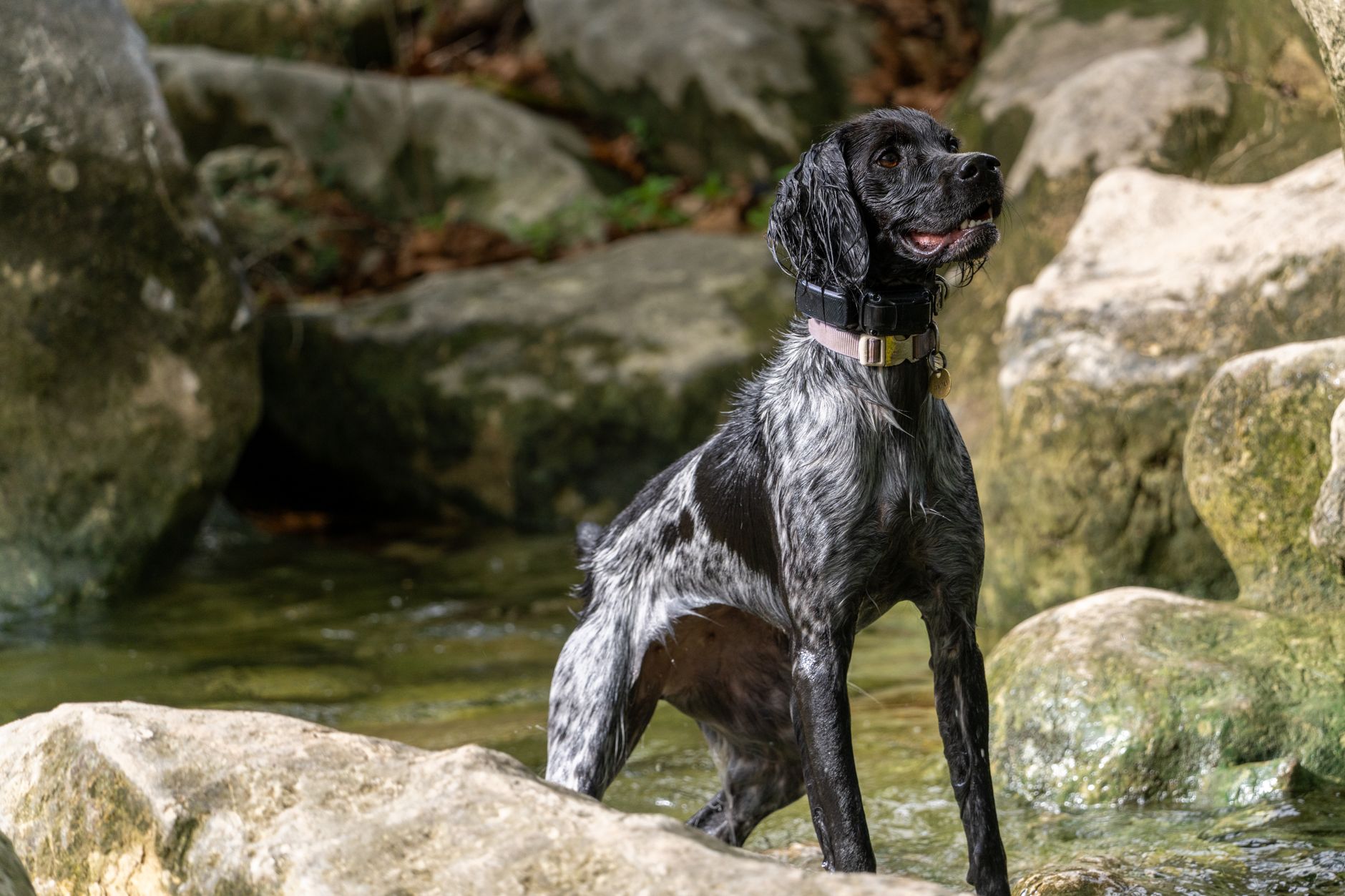
Topaz gravels form where pegmatite weathers and releases crystals. The crystals move downhill into creeks and terraces. The basic technique is to screen loose gravel. Shovel material into a screen and shake it over a tarp or into a pan. Wet screening removes dust and clay. Dry screening works too, but a little water makes topaz and quartz easier to see.
Learn what topaz looks like in rough gravel. It is often water-clear, pale blue, or light brown. It may be rounded but still shows flat cleavage faces. Topaz feels heavier than a quartz pebble of the same size. Hardness is 8, but do not scratch a nice crystal. Instead, use broken pieces for tests. A suspected topaz should scratch quartz and steel. The Mohs hardness scale guide explains how to run that test safely.
At pay digs, ask whether you are working virgin ground or tailings. Tailings are easier and still produce topaz. Virgin ground is harder but can yield larger stones. Fill any holes you dig and avoid undercutting creek banks. Work slowly around a pocket. Many beginners miss topaz because they search too fast and look only for perfectly shaped crystals.
- Identify topaz and common look-alikes in the field
Topaz and quartz look similar, especially when both are clear. Hardness is the fastest field test. Topaz, with a hardness of 8, scratches quartz, which is 7. Use a small chip or an inconspicuous edge so you do not ruin a specimen. The Mohs hardness scale guide explains how to test safely with common reference minerals.
Cleavage is another strong clue. Quartz has no cleavage and breaks with a curved, glassy surface. Topaz has one perfect basal cleavage. That produces flat, mirror-like steps on broken pieces. If you see a crystal with a clean flat break face, think topaz before quartz. Many Texas topaz pieces are rounded in creeks, but the cleavage surfaces survive.
Calcite, gypsum, and pale beryl can also confuse beginners. Calcite is much softer and fizzes in weak acid. Gypsum is even softer and can be scratched with a fingernail. Beryl is harder but rarely common in Texas gravel. Use a hand lens to examine crystal faces and surface texture. When you are unsure, take clear photos and compare them with reference photos in a field guide.
- Clean, trim, and preserve Texas specimens
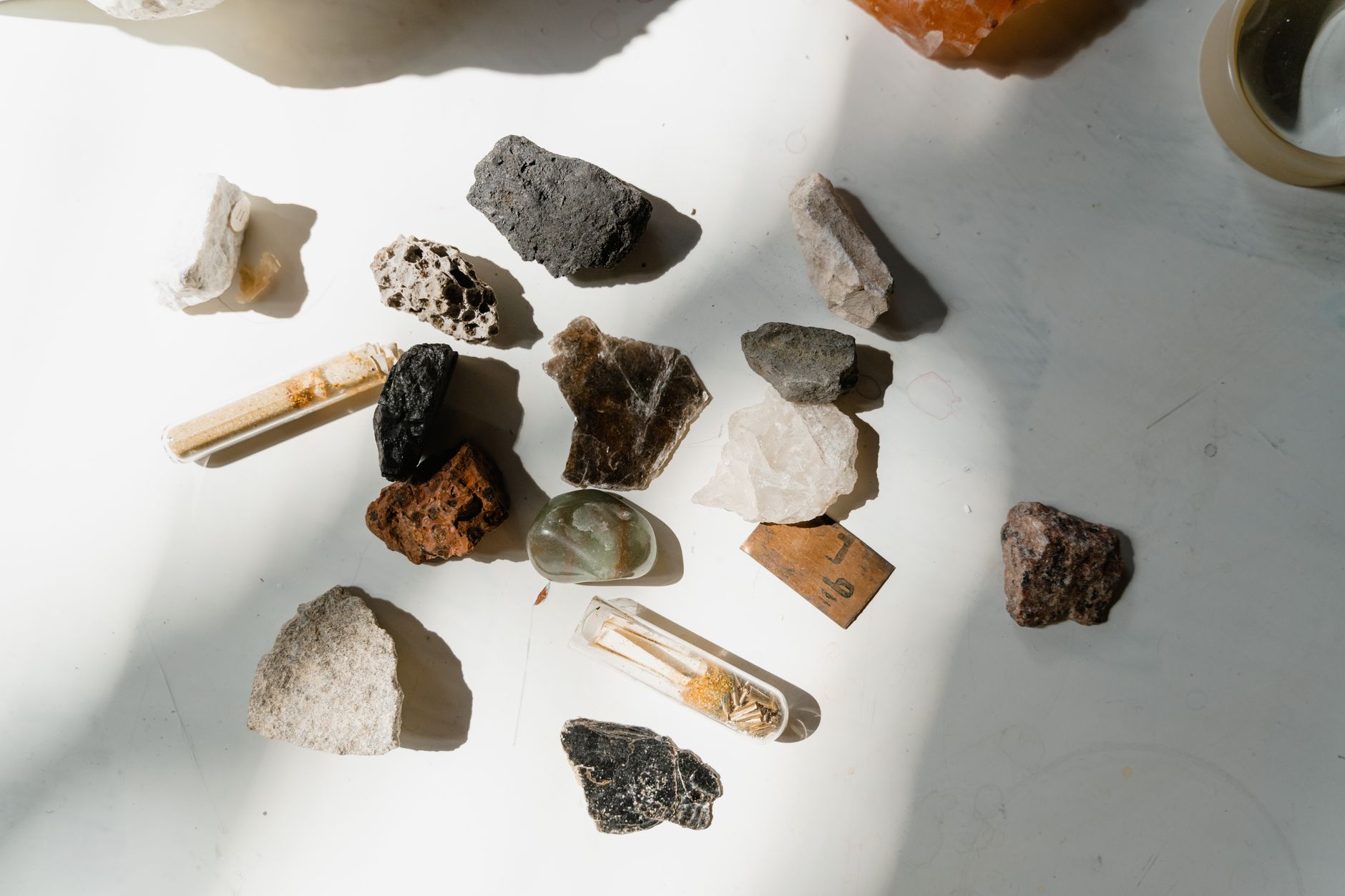
Most surface finds clean up with a soft brush and warm water. Do not soak topaz in acid. Acid can dull crystal faces and damage associated minerals. Calcite and selenite are water sensitive, so keep their cleaning short. Quartz, agate, and petrified wood tolerate longer soaks, but avoid rapid temperature changes. The guide how to clean rocks and minerals covers safe options for common Texas material.
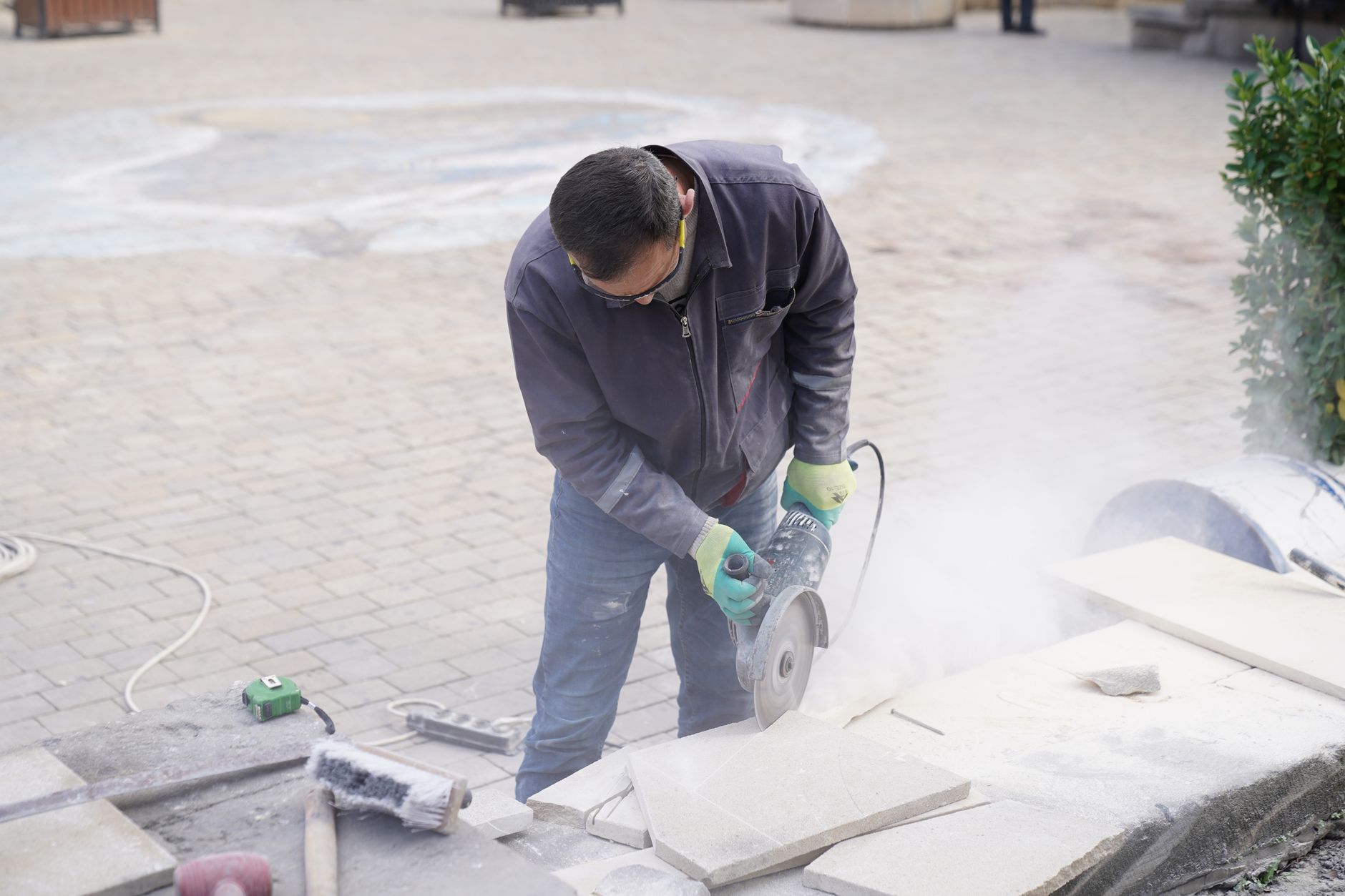
If you plan to trim or cut topaz, use a diamond blade and water. Respect the perfect basal cleavage. Cut parallel to flat surfaces where possible. Do not force a stone through a saw. For small pieces, a tile saw can work if it has a fine continuous diamond blade. Many lapidary clubs have equipment you can use before buying your own.
Label everything with the county, date, and collecting site. This matters more than many beginners think. A specimen without a locality loses much of its value and scientific interest. Store hard stones separately from soft ones. Keep light-sensitive minerals out of direct sun. If you collected on private land, note the landowner’s contact and access conditions.
- Record your finds and connect with Texas rockhound clubs
Document the trip before you leave the area. Take photos of the outcrop, the gravel bar, and the specimens before cleaning. Mark a GPS waypoint if you are allowed, but do not share private locations without permission. Write down the rock type and nearby minerals. These notes will help you compare future finds. A consistent field notebook is one of the most useful tools a collector can build.
Join a local rockhound or lapidary club. Texas clubs often have access to private ranches that are closed to individuals. They also run field trips to Mason County topaz digs, West Texas agate sites, and fossil localities. Club members share current road and access conditions. This local knowledge is hard to replace with online maps. If you are from out of state, reaching out to a club before your trip can save you days of wasted driving.
Leave every site better than you found it. Fill holes, pack out trash, and close gates. If you found good material, offer to show the landowner. That small act often leads to future invitations. If you plan to collect in other states later, compare the access rules in rockhounding in Arizona to see how different public land systems work.
Red Flags & Warnings
- 🚨 Never collect in Texas state parks or wildlife management areas unless you have written permission from the managing agency.
- 🚨 Do not assume a dry creek bed or ranch road is public. Fence lines and grazing land belong to someone, so ask first.
- 🚨 Heat can kill. Carry at least one gallon of water per person for a half day and avoid midday summer collecting.
- 🚨 Flash floods move fast through Texas creeks. Check the sky upstream before entering a wash and leave at the first sign of rising water or distant thunder.
- 🚨 Do not smash suspected topaz crystals. Topaz has a perfect basal cleavage and can split or shatter from a hard hammer blow.
- 🚨 Do not trust old forum posts for access. Pay-to-dig ranches close, fees change, and roads wash out, so call ahead in 2026.
Frequently Asked Questions
Where can I find topaz in Texas?
The classic area is the Llano Uplift, especially Mason, Llano, and McCulloch counties. Many private ranches around Mason offer fee digs where you can screen gravel for topaz. Look for stream-rounded crystals in creek gravels and terrace deposits.
Do I need a permit to rockhound in Texas?
It depends on the land. Most Texas rockhounding happens on private land, where landowner permission is required. State parks and wildlife management areas generally prohibit collecting. On the small amount of federal BLM or national forest land, check the local office for current personal-use rules before you collect.
What is the best time of year to rockhound in Texas?
Fall, winter, and early spring are best. Summer heat is dangerous, and flash floods are common in creek beds from spring through fall. Early morning collecting is the safest approach in hot months.
Can I collect petrified wood in Texas?
Yes, but only where you have legal access. Private land in East Texas and some West Texas gravels can produce petrified wood. Do not collect in state parks, national parks, or marked protected areas without written permission.
How do I tell Texas topaz from quartz?
Topaz is harder, with a Mohs hardness of 8 compared with quartz at 7. It also has a perfect basal cleavage that creates flat, mirror-like break surfaces. Topaz feels heavier than quartz of the same size and often shows a faint blue or brown tint in Texas gravels.
Is rockhounding allowed in Texas state parks?
No. Texas state parks and most state natural areas prohibit collecting minerals, fossils, plants, and artifacts. If you want to collect, seek private land access, a pay-to-dig ranch, or federal land that explicitly allows personal-use surface collection.
What Should You Remember?
- Land status first: Most Texas rockhounding is on private land, so get permission before digging anywhere.
- Topaz target: Mason County and the Llano Uplift are the best-known Texas topaz areas.
- Hardness test: Topaz scratches quartz because topaz is 8 on the Mohs scale and quartz is 7.
- Cleavage clue: Topaz shows flat basal cleavage, while quartz breaks with a curved glassy fracture.
- Heat and floods: Collect early, carry water, and leave dry washes if storms threaten upstream.
- Clean gently: Use water and a soft brush. Avoid acid on topaz and limit soaking for calcite or selenite.
- Label finds: Record the county, date, and site for every specimen to keep its value and context.
This article is for general information only. Rockhounding and collecting carry land-access, safety, and legal obligations , always verify claim status, land ownership, and collecting rules before removing material, and get landowner or land-agency permission where required. Field collecting involves physical hazards; use proper safety gear and never enter mines or unstable terrain.