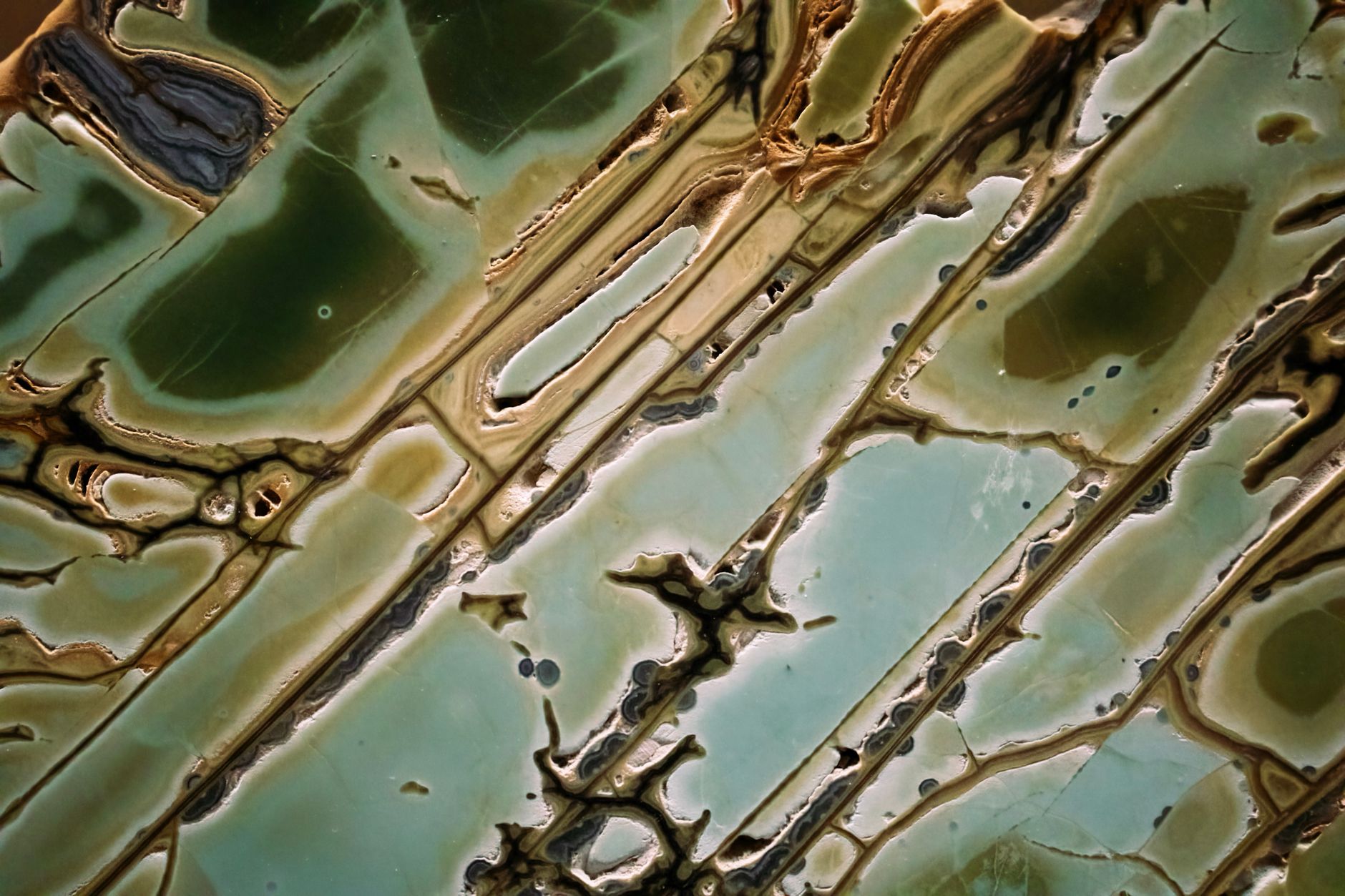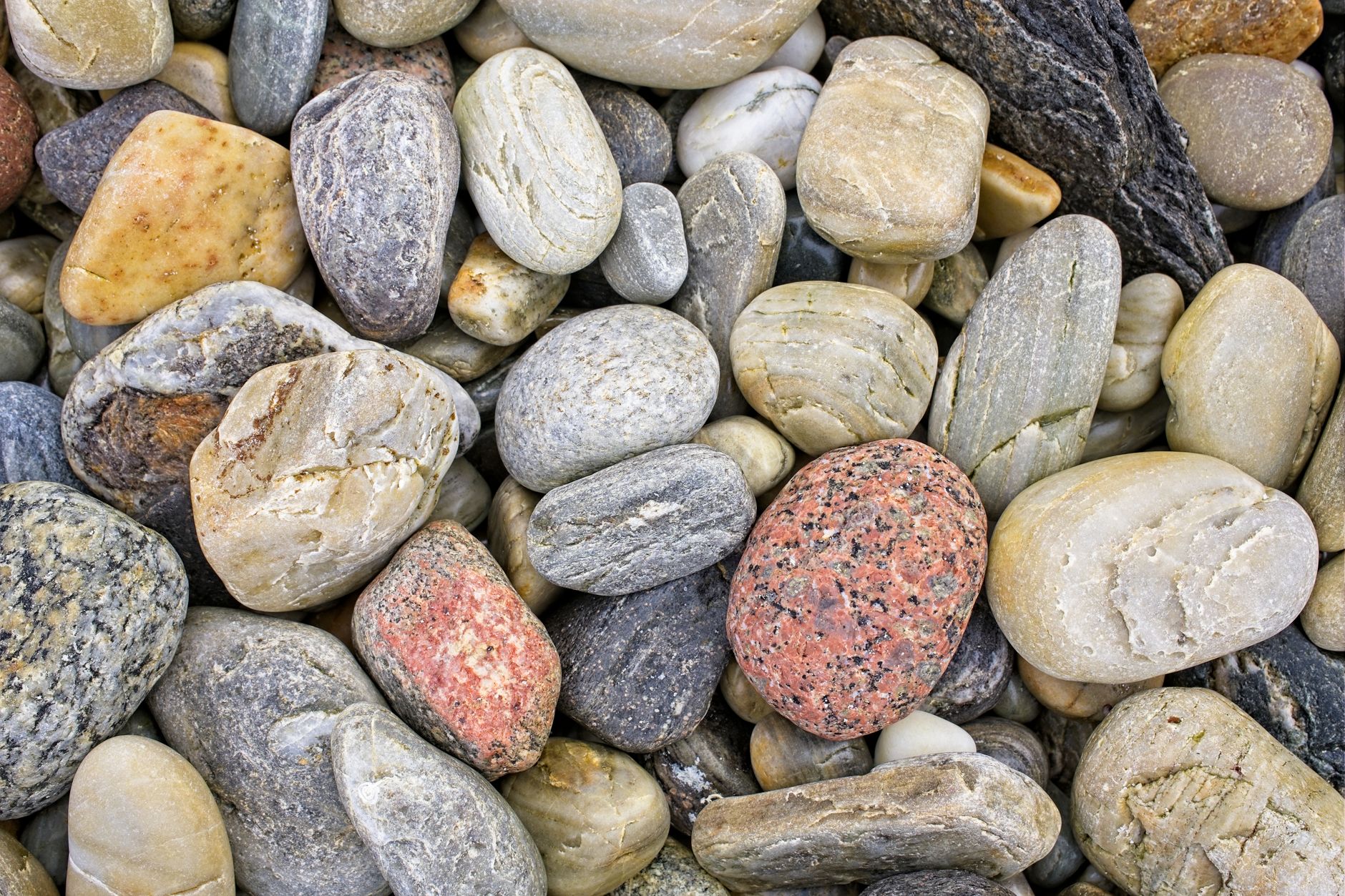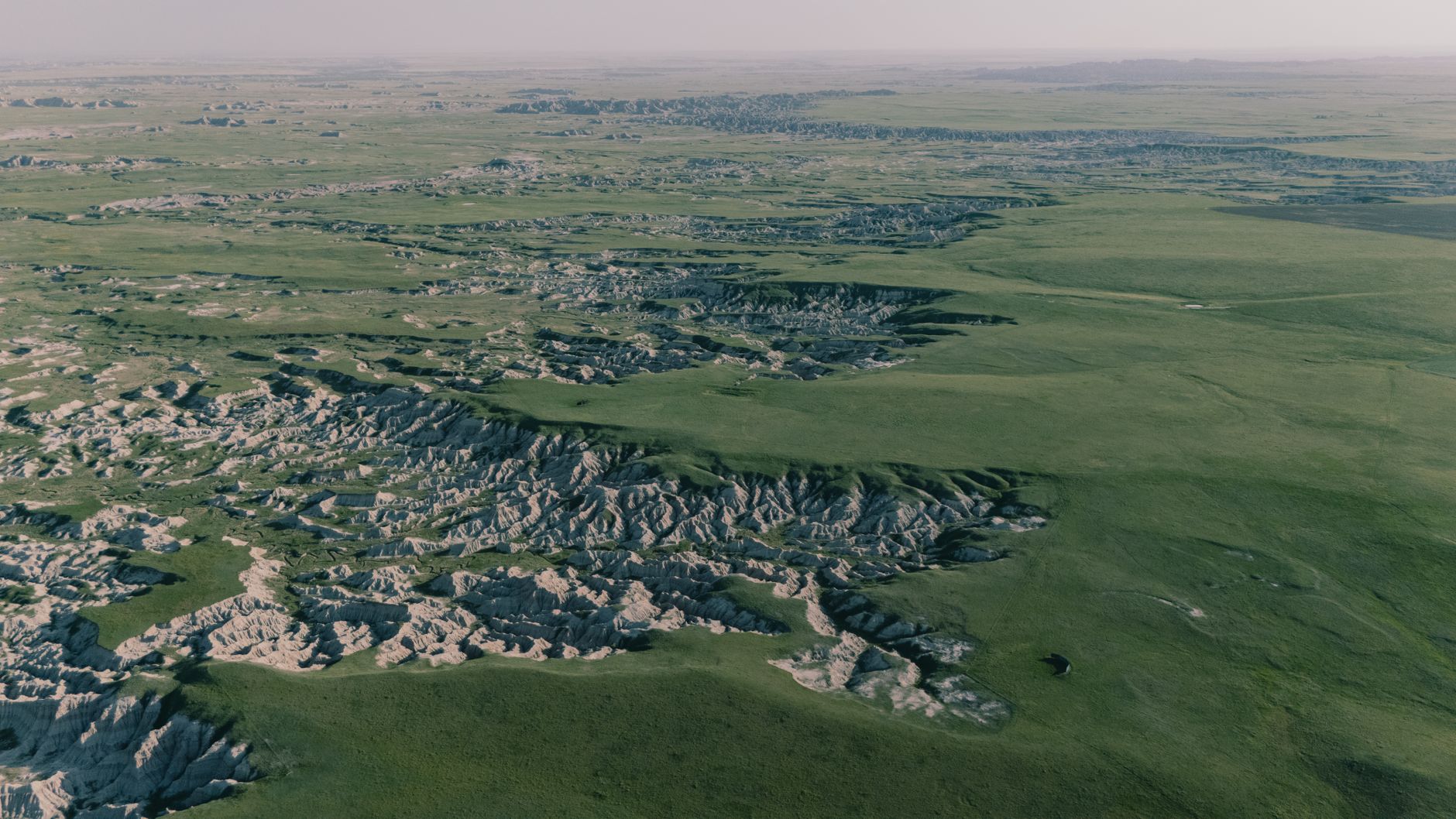
Rockhounding in South Dakota draws collectors for three big reasons: the Black Hills, the Badlands, and rose quartz. The Black Hills hold pegmatite minerals, agates, and old mining dumps. The Badlands expose fossils and colorful sedimentary rocks. Rose quartz from the Custer area is famous worldwide. This guide explains how to plan a legal and productive trip. You will learn where to go, what tools to carry, and how to identify common finds. For general gear suggestions, see our best rockhounding gear guide.
South Dakota has a mining history that left rich rockhounding ground behind. Pegmatites around Custer and Keystone have produced beryl, tourmaline, feldspar, and huge masses of rose quartz. The southern Black Hills also hide Fairburn agates, the official state gemstone. These agates are some of the most sought after lapidary material in the United States. The Badlands region adds a completely different collecting environment with fossil bearing sedimentary rocks. Still, many areas are protected, and collectable land is often adjacent to park boundaries.
One of the most important parts of South Dakota rockhounding is knowing which land is open. National Forest land generally allows small scale surface collecting for personal use. BLM land also permits casual collection in many places, but active mining claims override that right. Private land and state parks usually prohibit collecting without special permission. This article walks you through the steps to find legal spots, choose targets, and collect responsibly. You will also learn how to process your finds at home with basic lapidary techniques.
What You’ll Need
- Rock hammer
- Chisel
- Safety glasses
- Gloves
- Hand lens
- Spray bottle
- Offline map or GPS
- Sturdy bucket or backpack
How Do You Rockhound in South Dakota?
- Learn the lay of the land and the collecting rules
South Dakota’s best rockhounding splits across three zones. The Black Hills in the west contain pegmatite minerals, agates, and old mine dumps. The Badlands to the east expose sedimentary rocks and some fossils. The rose quartz area around Custer sits in the southern Black Hills. Each zone has different ownership and rules. Start by identifying which zone you want to hit before you plan the rest of your trip.
Check land status before you swing a hammer. National Forest land generally allows small scale surface collecting for personal use. BLM land is also open in many places, but active mining claims override that right. A claim means the minerals belong to someone else. Use BLM surface management maps at blm.gov to see federal parcels. For historical locality data, search Mindat.org so you know what has been found near your target area.
Private land and state parks are usually off limits. South Dakota state parks prohibit rock collecting unless posted otherwise. The same goes for tribal lands across the state. Always get written permission on private property. If you are new to public land collecting, our best beginner rockhounding sites article explains how to read land maps and avoid claim conflicts.
A good rule is to call the local land management office before your trip. Ask about fire restrictions, road closures, and special rockhounding rules. This saves hours of driving and keeps you legal. The Black Hills National Forest office can confirm which ranger districts allow casual collection. Never assume a spot is open because someone posted a photo online.
- Choose a base camp and target zone
Pick one or two target areas instead of trying to cover the entire state. Custer works well as a base for rose quartz and Black Hills pegmatites. Rapid City offers quick access to the northern Black Hills and old mining districts. Wall is the gateway to the Badlands and Buffalo Gap National Grassland. Base camp choice affects drive times and what you can legally collect. Camping near your target reduces wasted time and fuel.
The Custer area is famous for rose quartz, beryl, schorl tourmaline, and feldspar. Mindat locality pages for Custer County list dozens of classic pegmatite minerals. Rose quartz has a Mohs hardness of 7, which means it will scratch glass and resist a knife blade. This is a useful field test when you find pink material in granite. Bring a Mohs hardness scale guide if you are new to mineral testing.
The southern Black Hills also produce Fairburn agates in stream gravels and alluvial deposits. These agates often show tight red, orange, and white fortification banding. Fairburn agate is the official state gemstone of South Dakota. The best places to look are public gravel pits and road cuts where natural erosion has concentrated pebbles. Still, many gravels sit on private land, so check first.
If you want fossils and scenic Badlands views, base in Wall or Interior. Most collecting inside Badlands National Park is prohibited. The surrounding Buffalo Gap National Grassland has some public land where surface collecting may be allowed under BLM rules. Research exact boundaries before you search. Good base camp planning keeps you on legal ground and close to the best material.
- Assemble the right rockhounding kit
You do not need a truckload of equipment for most Black Hills surface collecting. A rock hammer, chisel, safety glasses, and gloves cover the basics. A rock hammer with a pick end works well for prying in pegmatite. Crack resistant safety glasses protect your eyes from flying chips. Add a stiff bucket or backpack to carry specimens.
A hand lens or jeweler’s loupe helps you inspect grain, banding, and crystal faces. Many beginners skip this and bring home rocks they later cannot identify. A small spray bottle also helps reveal wet colors and agate banding in dry conditions. These simple tools cost little but save hours of guesswork.
Maps and navigation matter more than any tool. Download offline maps before you lose cell service. The Black Hills have many unmarked forest roads that look similar. A GPS unit or smartphone with offline maps prevents getting lost. Carry paper maps as a backup.
Dress for sharp rock and variable weather. Sturdy boots, long pants, and a hat protect against sun and brush. Bring more water than you think you need. A basic first aid kit should include bandages, antiseptic, and tweezers for cactus spines. Good preparation makes the difference between a fun day and a short trip.
- Find rose quartz near Custer and the southern Black Hills
Rose quartz in South Dakota is not the crystallized pink quartz you see in Brazil. South Dakota rose quartz occurs as massive anhedral masses inside granite pegmatite. The pink color can range from pale blush to deep rose. The mineral has a Mohs hardness of 7, so it is tough enough for jewelry. Look for pegmatite outcrops, old mine dumps, and gravels near Custer.
Some of the classic collecting areas are on public land in the Black Hills National Forest. The Custer area has produced rose quartz for decades. Surface collecting of loose material is generally allowed on National Forest land for personal use. That said, active claim boundaries and private inholdings exist. Check a current land status map before you dig.
When you find rose quartz, look for pieces with uniform color and few fractures. The best lapidary material shows even pink tone without gray streaks. Many pieces contain internal cracks called cleavages. Tap gently with a hammer to test soundness. A clear ringing sound often means solid material. A dull thud can mean hidden fractures.
Do not expect giant open pits full of rose quartz. The best spots are small outcrops and old prospect pits. Search the surrounding soil for float pieces washed downhill. Float is loose rock that has moved from the original source. It saves you from heavy excavation. Bring a garden trowel or rock scoop to work through loose soil. If you want to identify your finds later, our gemstone identification guide covers pink minerals.

- Hunt for Fairburn agates and Black Hills minerals
Fairburn agates are among the most prized South Dakota rockhounding finds. They get their name from the Fairburn area southeast of the Black Hills. These agates often display red, orange, yellow, and white fortification bands. Unlike typical agates, Fairburn agates have a distinctive tight banding pattern and often a waxy luster. Searching for them takes patience and a good eye.
The best places to look are eroding gravel terraces, stream beds, and public gravel pits. After heavy rain, fresh material gets exposed. Walk slowly and scan for round translucent pebbles. Use a spray bottle to wet suspicious pieces. Agate banding jumps out when the surface is wet. Keep in mind that most gravel pits are private property or active extraction sites. Always ask permission first.
The northern and central Black Hills also host many pegmatite minerals. Look for schorl tourmaline, beryl, muscovite mica, and feldspar in old mine dumps. The rock is hard, so use a chisel to split promising material. A heavy crack hammer can help break hard granite, but it adds weight to your pack. Many pegmatite minerals are brittle, so work gently around visible crystals.
When you find agates, do not clean them with acid right away. Field cleaning with water and a soft brush is enough. Too much scrubbing can hide the natural surface that helps with identification. For more on cleaning techniques, read our how to clean rocks and minerals guide. Once you get home, gentle washing reveals true banding.
- Explore Badlands and Buffalo Gap legally
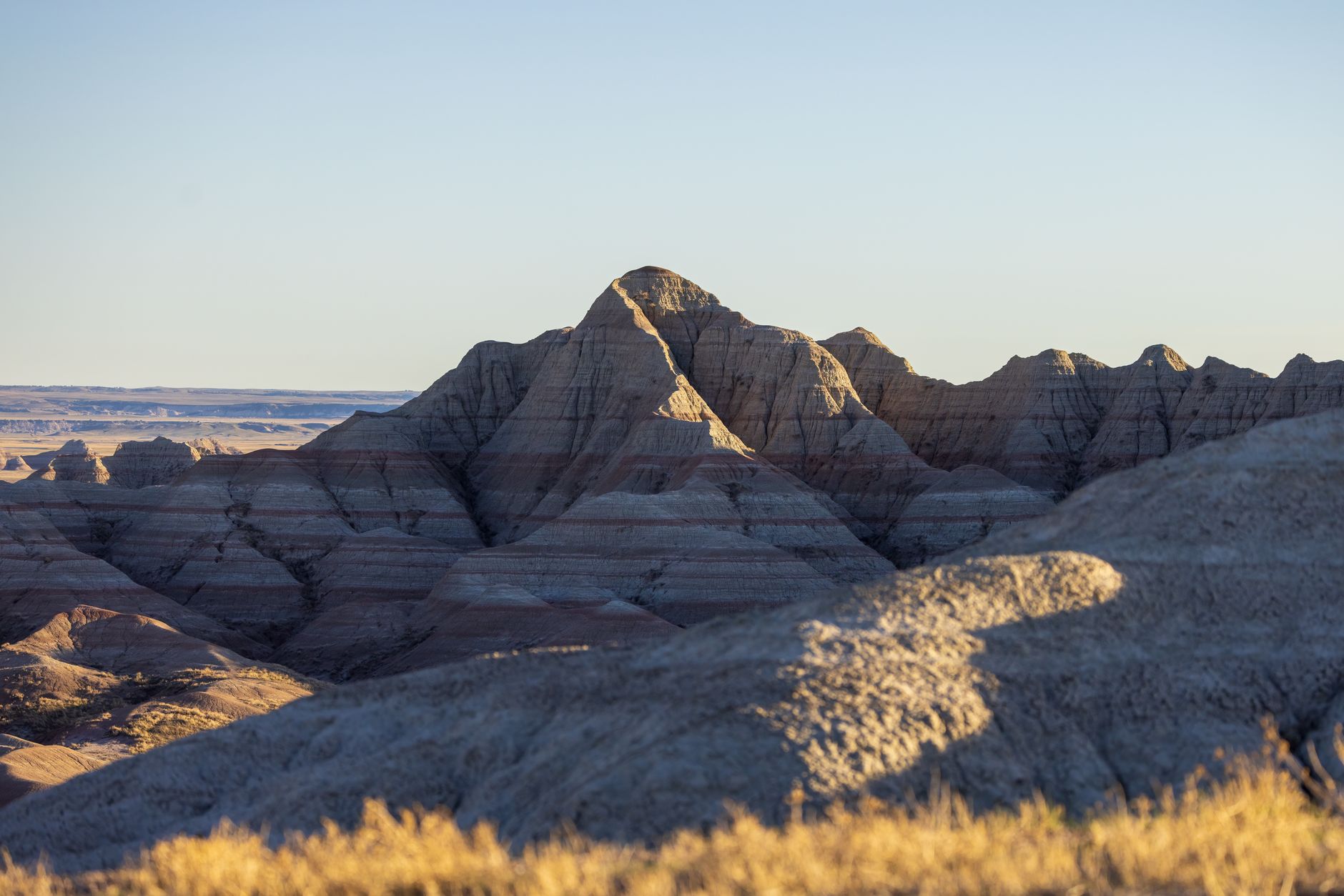
Badlands National Park is a world class scenery site, but collecting inside the park is illegal. Do not pick up rocks, fossils, or even small pebbles within park boundaries. The park protects all natural and cultural features. That rule is strict and enforced. The best legal strategy is to collect on adjacent public land managed by the BLM or the U.S. Forest Service.
Buffalo Gap National Grassland surrounds much of Badlands National Park. Some parts are open to rock collecting under BLM rules, but not all. Check the local BLM field office in South Dakota for current collection limits. The BLM website at blm.gov contains surface management maps and contact numbers. Do not assume every grassy lot is public.
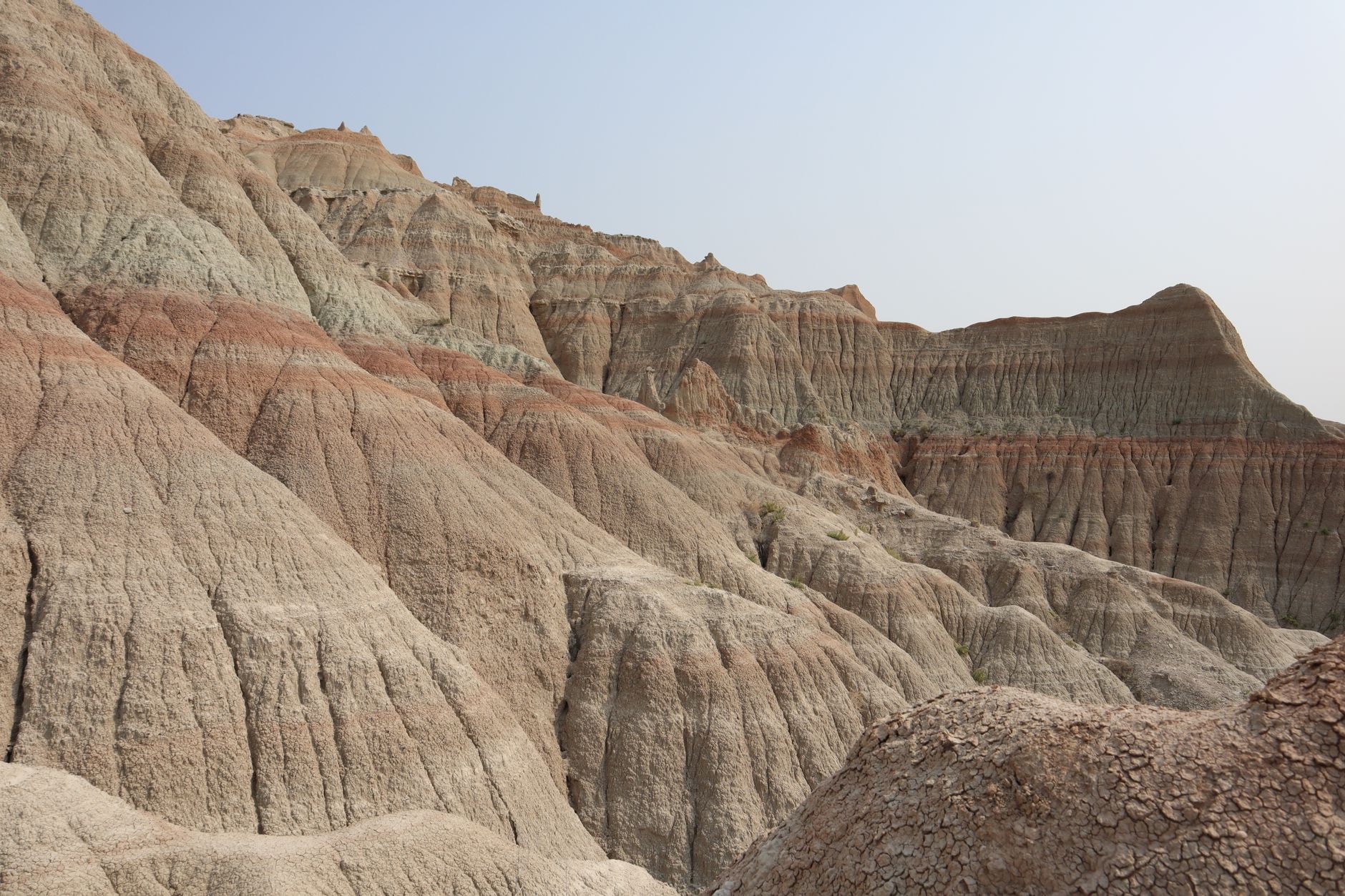
The Badlands region exposes the White River Group and other sedimentary formations. These rocks date back to the late Eocene and Oligocene, roughly 25 to 35 million years old. The fossil beds contain ancient mammals like oreodonts and saber toothed cats. Fossils on federal land are protected by law. Vertebrate fossils require a permit and are typically only for research. Invertebrate fossils and petrified wood may have limited collection allowances on certain BLM lands.
If you want to see fossils without breaking rules, visit the visitor centers and museum exhibits. You can also look at loose gravel on county roads outside the park, but only where road maintenance has exposed material. Collecting right of way gravel may still require county permission. When in doubt, take photos and leave the rocks.
- Identify and preserve your finds
Identification starts in the field with basic tests. Check hardness using common items. A knife blade is about 5.5 on the Mohs scale, so rose quartz at 7 will not be scratched by it. Look at luster, cleavage, and crystal shape. Streak tests help for softer minerals. Record the location and date for each specimen. A simple notebook entry turns a random rock into a documented find.
Many South Dakota rocks come with dirt, iron stains, or lichen. Do not soak everything in acid or detergents right away. Some minerals are damaged by acids. Start with plain water and a soft brush. Soak in water overnight for tough mud. Use a diluted soap solution only when necessary.
Wrap delicate crystals individually in newspaper or cloth. Hard rocks like rose quartz can scratch softer minerals. Separate your bucket by hardness to reduce damage. If you plan to cut or tumble rocks, mark the best face with a small sticker. Photograph specimens with a coin or ruler for scale. Good labeling saves hours later.
Some people want to display rough specimens right away. Others plan to cut, polish, or tumble them. Our rock tumbling step by step guide explains how to process agates and jasper. If you are new to lapidary work, start with less valuable material. Practice on common quartz before you risk a rare Fairburn agate.
- Cut, tumble, or display your South Dakota material
Rose quartz and Fairburn agates are both excellent lapidary materials. Rose quartz polishes to a soft glassy shine. Fairburn agates take a high polish and show their banding beautifully. A rock tumbler is a good entry point if you do not have lapidary saws. Tumbling removes rough edges and produces rounded stones over several weeks.
If you want to cut slabs, use a lapidary saw with a diamond blade. A tile saw works for softer and medium hardness rocks, but lapidary saws give smoother cuts. Always use water to control dust and cool the blade. Dry cutting creates silica dust that is dangerous to breathe. Wear a respirator if you must cut dry.
Tumbling rough rose quartz from South Dakota can be rewarding. Choose pieces that are solid and uniform. Avoid heavily fractured material that may break in the tumbler. Use proper grit steps from coarse to fine. Fairburn agates need patience because their hardness means longer tumble cycles.
If you prefer display, clean and trim specimens with a trim saw or chisel. A simple mineral stand or display case keeps them safe. Label each piece with location and date. South Dakota material has strong state identity, especially Fairburn agate and rose quartz. Whether you cut, tumble, or display, your finds carry a piece of Black Hills geology home.
Red Flags & Warnings
- 🚨 Never collect inside Badlands National Park. Park rangers enforce a zero collection policy, and fines can be steep.
- 🚨 Active mining claims on BLM and National Forest land are private mineral rights. Check claim status before digging.
- 🚨 Rattlesnakes live in rocky Black Hills country. Watch where you place your hands and feet during warm months.
- 🚨 Cell service fails in many Black Hills and Badlands areas. Download offline maps and tell someone your route and return time.
- 🚨 Private land and state parks often ban collecting. Written permission is required on private parcels, and state parks generally prohibit rock removal.
- 🚨 Fossils on federal land have special protections. Vertebrate fossils require permits and are rarely available to casual collectors.
Frequently Asked Questions
Where can I legally collect rose quartz in South Dakota?
You can collect small amounts of rose quartz for personal use on many Black Hills National Forest lands near Custer. Active mining claims and private inholdings are off limits. Always check a current land status map before digging. Surface collecting of loose float is usually safer than excavating.
Can I collect fossils in Badlands National Park?
No. Removing any natural or cultural material inside Badlands National Park is illegal. Some surrounding Buffalo Gap National Grassland areas may allow limited collection under BLM rules. Vertebrate fossils require a permit and are usually restricted to research.
What tools do I need for Black Hills rockhounding?
Start with a rock hammer, chisel, safety glasses, gloves, and a sturdy bucket. A hand lens and spray bottle help identify agates and minerals. Download offline maps and carry more water than you think you need. Sturdy boots and long pants protect against sharp rock and brush.
What is Fairburn agate and where do I find it?
Fairburn agate is South Dakota’s state gemstone. It is a banded agate with tight red, orange, yellow, and white patterns. The best search areas are eroded gravel terraces and stream beds southeast of the Black Hills. Many gravel pits are private, so ask permission before entering.
Do I need a permit to rockhound on BLM land in South Dakota?
Casual collection of small amounts of rocks and minerals for personal use is often allowed on BLM land without a permit. However, limits vary by field office, and active mining claims are not open to collecting. Contact the local BLM office for current rules and maps.
How do I identify rose quartz from other pink minerals?
Rose quartz has a Mohs hardness of 7, so it scratches glass and a knife blade. It usually shows a massive, translucent to opaque pink color without visible crystal faces. Feldspar is softer and has cleavage planes. Test hardness and look for the characteristic waxy to vitreous luster.
What Should You Remember?
- Check land status before every outing. National Forest and BLM land differ from parks and private claims.
- Target specific zones. Custer for rose quartz, southern Black Hills for Fairburn agates, and Buffalo Gap for legal Badlands area collecting.
- Carry essential tools. A rock hammer, chisel, safety glasses, gloves, and a hand lens cover most South Dakota collecting.
- Know the hardness. Rose quartz is Mohs 7, which helps separate it from softer pink feldspar.
- Never collect inside Badlands National Park. All natural features are protected, and penalties are serious.
- Document your finds. Record location, date, and rock type before cleaning or cutting.
- Respect private land and active claims. Written permission and current maps keep you legal.
This article is for general information only. Rockhounding and collecting carry land-access, safety, and legal obligations , always verify claim status, land ownership, and collecting rules before removing material, and get landowner or land-agency permission where required. Field collecting involves physical hazards; use proper safety gear and never enter mines or unstable terrain.