Oregon remains one of the best states for rockhounding in 2026 because its geology is as varied as its landscape. The state rock, the thunderegg, has been official since 1965. You can also find agate, jasper, obsidian, petrified wood, and Oregon sunstone. Public land covers a large portion of the state, which gives collectors many legal places to dig. This guide shows you how to plan a safe and legal trip. Before you go, review the basics in our best rockhounding states guide.
Many newcomers ask whether Oregon requires a permit for casual rock collecting. The short answer is that most personal-use collecting on Bureau of Land Management land is allowed in reasonable amounts. Still, mining claims, private property, and some state parks have their own rules. The best way to avoid trouble is to check land status before you swing a hammer. This article explains the current framework and points you to authoritative sources. I include links to BLM and Mindat so you can verify claims, coordinates, and mineral data.
Thundereggs are the biggest draw for many collectors. These round nodules form in rhyolite ash flows and often contain agate, chalcedony, or opal in their centers. Agate and chalcedony rate 7 on the Mohs hardness scale, which means they cut and polish well. Oregon sunstone is a feldspar mineral that rates 6 to 6.5 on the Mohs scale. That small difference changes how you should handle and cut each stone. Use our gemstone identification guide to separate look-alikes in the field.
In 2026, weather and fire rules will affect many access routes. The high desert can be hot and dry from July through September. Forest roads may be closed during fire season. Rain and snow close some mountain roads from November through May. You need sturdy gear and a flexible plan. Check our rockhounding gear guide to prepare for long days on remote ground. Now let’s break the process into seven clear steps.
What You’ll Need
- Rock hammer or pick
- Chisels and small sledge or crack hammer
- Safety glasses and leather gloves
- Shovel and buckets
- Spray bottle and 10x loupe
- Paper map and GPS
How Do You Rockhound in Oregon 2026?
- Confirm Land Status and Permits Before You Dig
Every Oregon trip starts with a land status check. BLM manages large areas of public land in central and eastern Oregon. You can collect common rocks, minerals, and petrified wood for personal use on many of those lands. Still, personal use does not mean unlimited. Some materials have daily or annual weight limits. Always call the local BLM district office before you drive. The Bureau of Land Management (BLM) website lists district contacts and current closures. Private mining claims are common in areas like Succor Creek and near Madras. A red or yellow claim post means you are on someone else’s minerals. The surface may still be public land, but the minerals belong to the claim holder. You need written permission to collect there. Treat any fenced or posted site as closed unless you have direct permission. The same rule applies to private ranches and fee dig sites. Fee digs often let you collect for a small charge and provide access to productive ground. State parks and national parks have stricter rules. In general, state parks in Oregon prohibit removing rocks and minerals. National parks are fully off limits for collecting. National forests often allow casual collecting with a free use permit or no permit, depending on the ranger district. For 2026, check forest service websites before your trip. A quick call saves you from a ticket or a long wasted drive. If you need help reading land maps, our rockhound field guide covers map basics and field ethics.
- Pick Your Target Material and Best Region
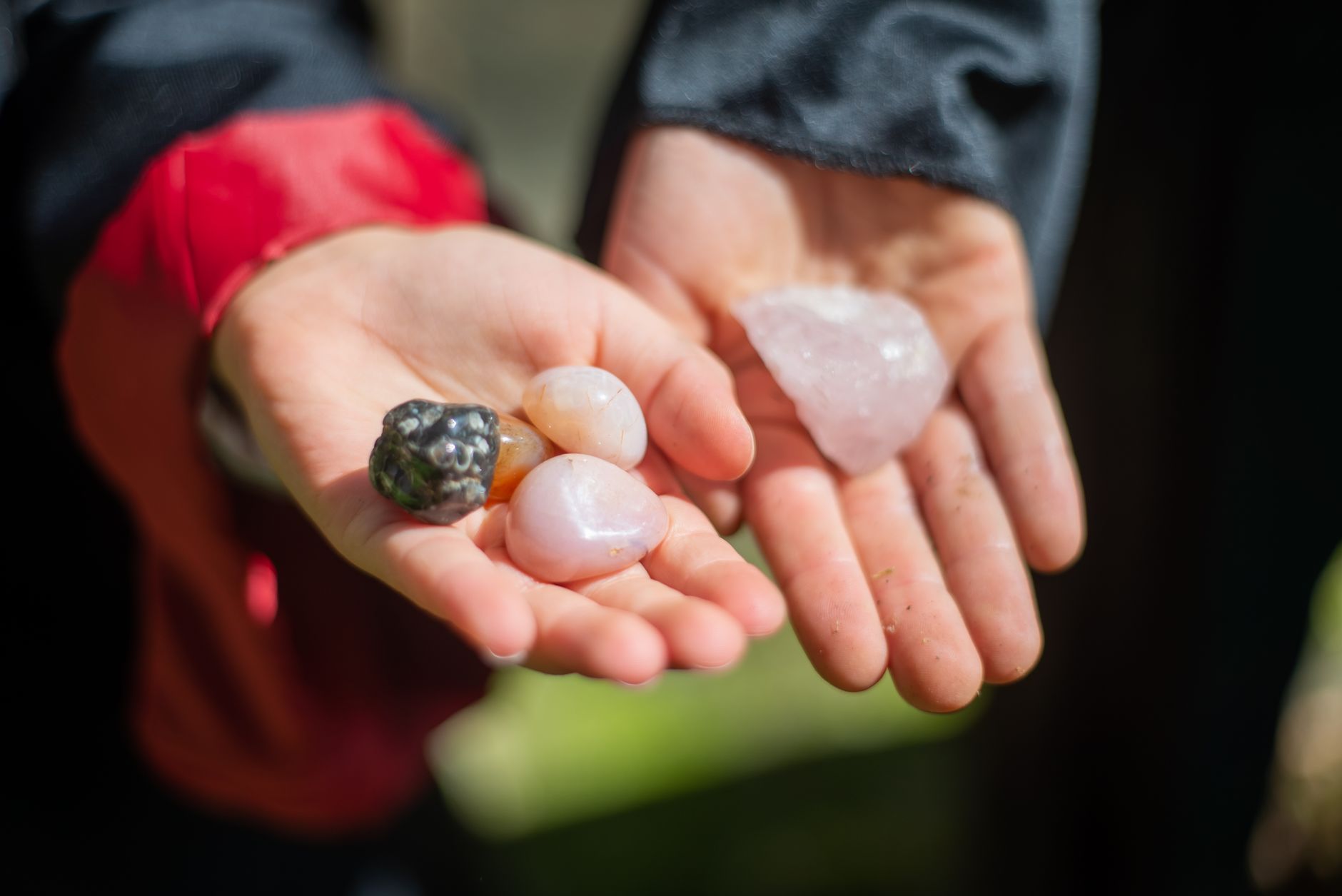
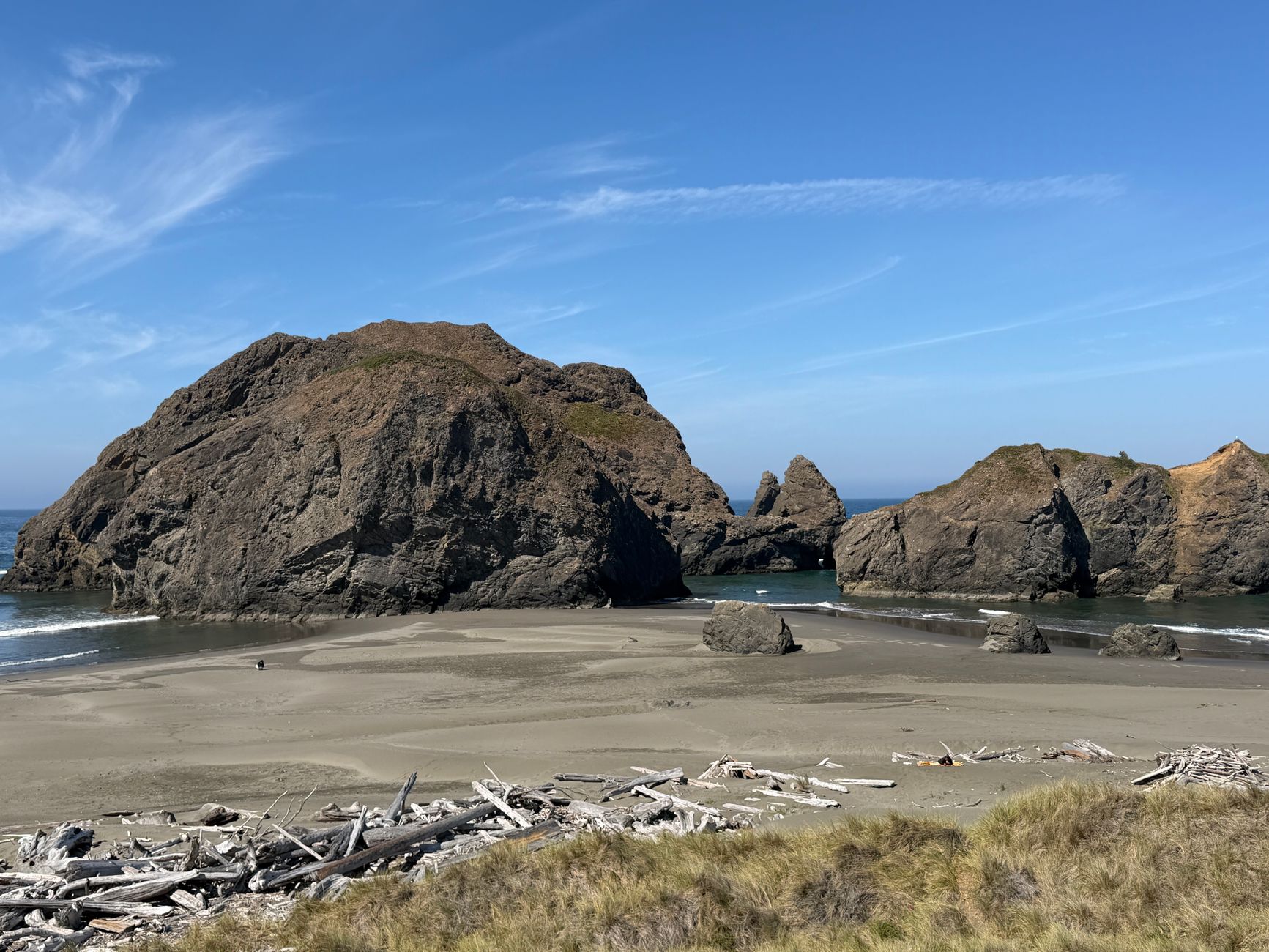
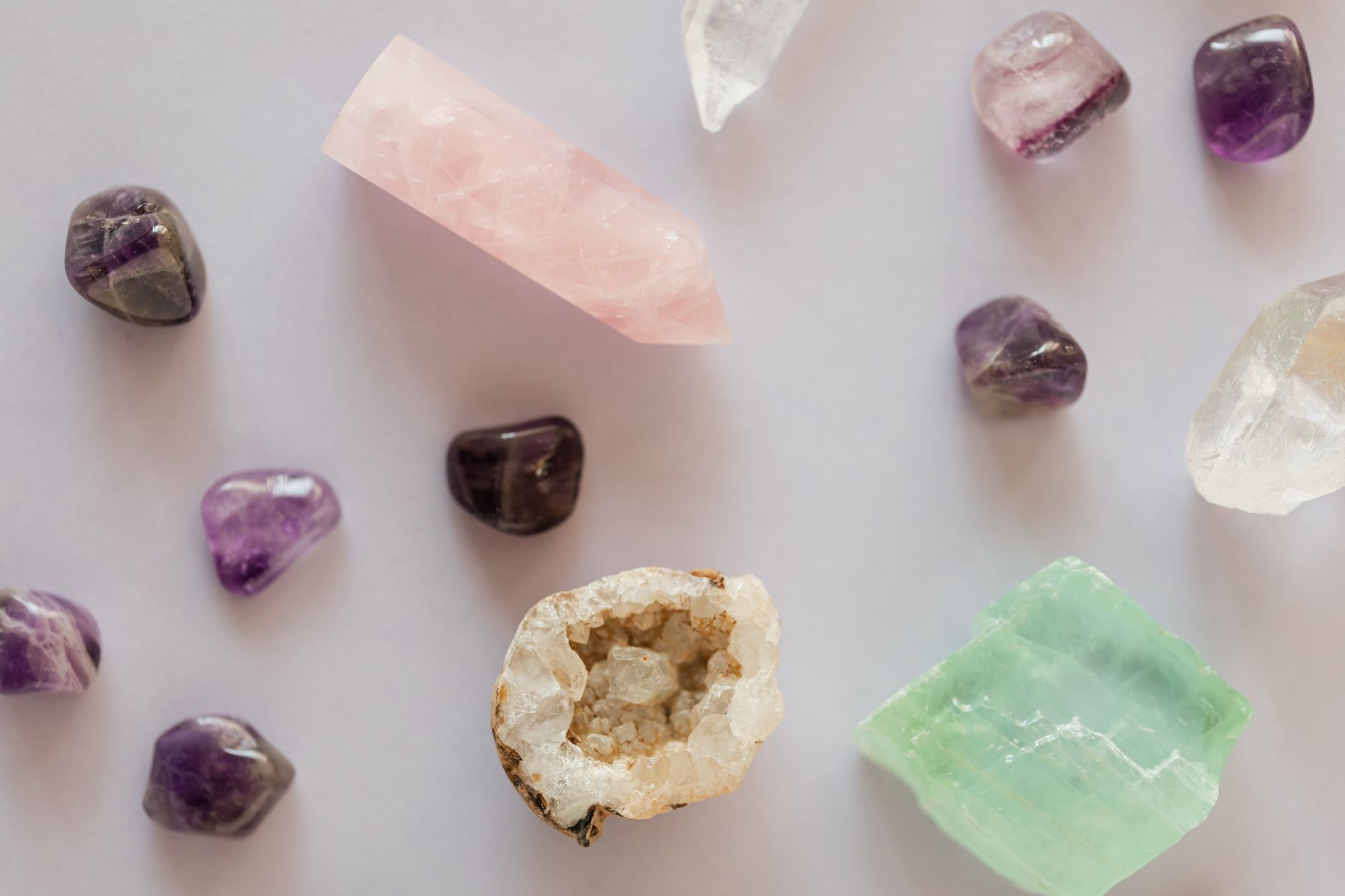
Oregon’s best known rockhounding targets divide by region. Thundereggs cluster around Madras, Prineville, Burns, and the Succor Creek area near the Idaho border. Agates and jaspers appear along ocean beaches, in the Ochoco National Forest, and in the Owyhee country. Obsidian is the main target at Glass Buttes east of Bend. Sunstone is concentrated in the high desert near Plush and Lakeview. Decide what you want to collect first. That choice determines your route, tools, and permits. Thundereggs are the state rock and a true Oregon specialty. They form as gas pockets in rhyolite lava flows. Mineral-rich water fills the pockets over time with chalcedony or agate. The outer shell is often gray or brown and looks unimpressive. The inside may show banded agate, quartz crystals, or blue geodes. Mindat.org lists specific thunderegg localities with mineral data. Use Mindat.org to research a site before you travel. This is a powerful way to avoid dead holes and find the right digging layer. Oregon sunstone is another collector favorite. It is a labradorite feldspar with a hardness of 6 to 6.5 on the Mohs scale. That means it scratches glass but is softer than quartz. Some sunstone contains tiny copper inclusions that create a glitter known as schiller. You can collect sunstone at fee mines or on public land in the high desert. For beach agate, plan for low tide and winter storms. Our agate identification guide helps you spot gem-quality pieces among common beach rock.
- Time Your Trip Around Weather and Roads
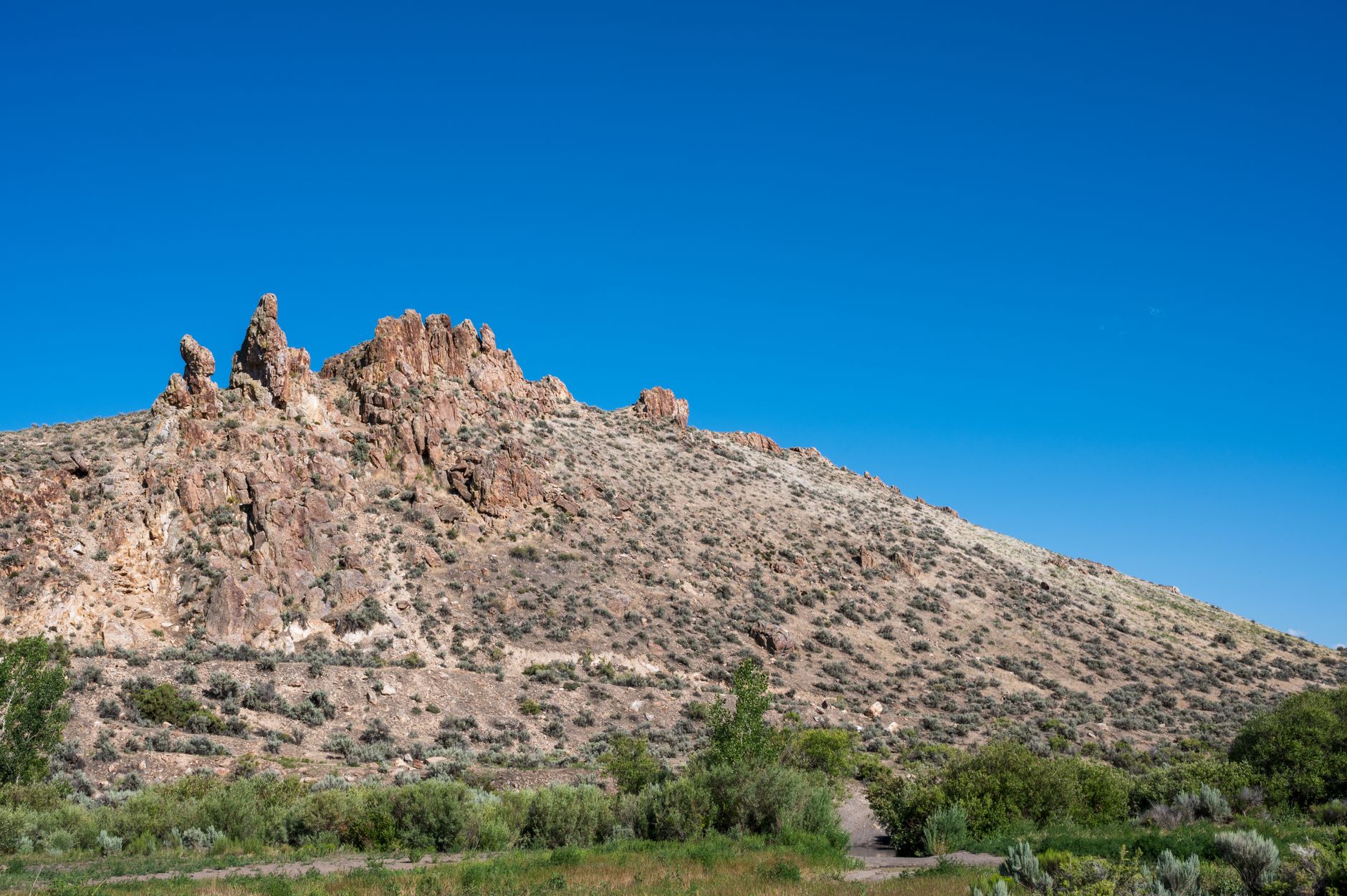
Oregon’s high desert is best in spring and fall. March through May offers cool mornings and stable roads. September through October is also good after fire season. Summer can bring 100-degree heat in the Owyhee and Succor Creek areas. Winter snow blocks access to Glass Buttes and forest roads. Low-elevation beach collecting works year-round, but storms and high tides change the gravel. Many Oregon rockhounding sites sit far from paved roads. A high-clearance vehicle is useful for places like Glass Buttes and Succor Creek. Call the managing agency for road conditions before you commit. In 2026, post-fire recovery areas may have closures. BLM and USFS websites post emergency road and area closures. Do not rely on two-year-old trip reports. Current access is everything. You can use weather windows to your advantage. Light rain washes dust off surface rocks and makes agate shine. Good drainage and layered clothing protect you when the weather shifts. If you are new to western states, check forecasts for the district office nearest your site. Then compare that with rockhounding in Washington if you plan a cross-border trip. Western Oregon and eastern Oregon have very different climates, even on the same day.
- Gear Up for Digging, Cracking, and Safety
A basic Oregon field kit starts with eye protection, gloves, and a rock hammer. A crack hammer or small sledge helps break hard rhyolite. Use chisels made for stone, not wood. A shovel, digging knife, and buckets get you into the tuff layer where thundereggs hide. A Estwing rock hammer is a reliable choice for breaking and prying small seams. Carry a day pack with water, food, a first aid kit, and a paper map. Cell service is poor in large parts of eastern Oregon. GPS is helpful, but batteries die. A physical map of the ranger district or BLM field office keeps you from getting lost. Bring a small spray bottle for wetting rocks. That makes agate banding easier to see. A 10x loupe helps you inspect tiny crystals and surface features. Our loupe guide compares good options for field use. For thunderegg digging, a rock pick and a heavy hammer are not enough. You also need something to protect the specimen. Wrap promising nodules in newspaper or cloth. If you plan to cut them later, bring a marker to label the exact spot. If you tumble beach agate, you will want a good supply for later. That means sorting rough in the field. Our rock tumbling guide explains which pieces are worth keeping.
- Study Locality Data and Learn the Signs
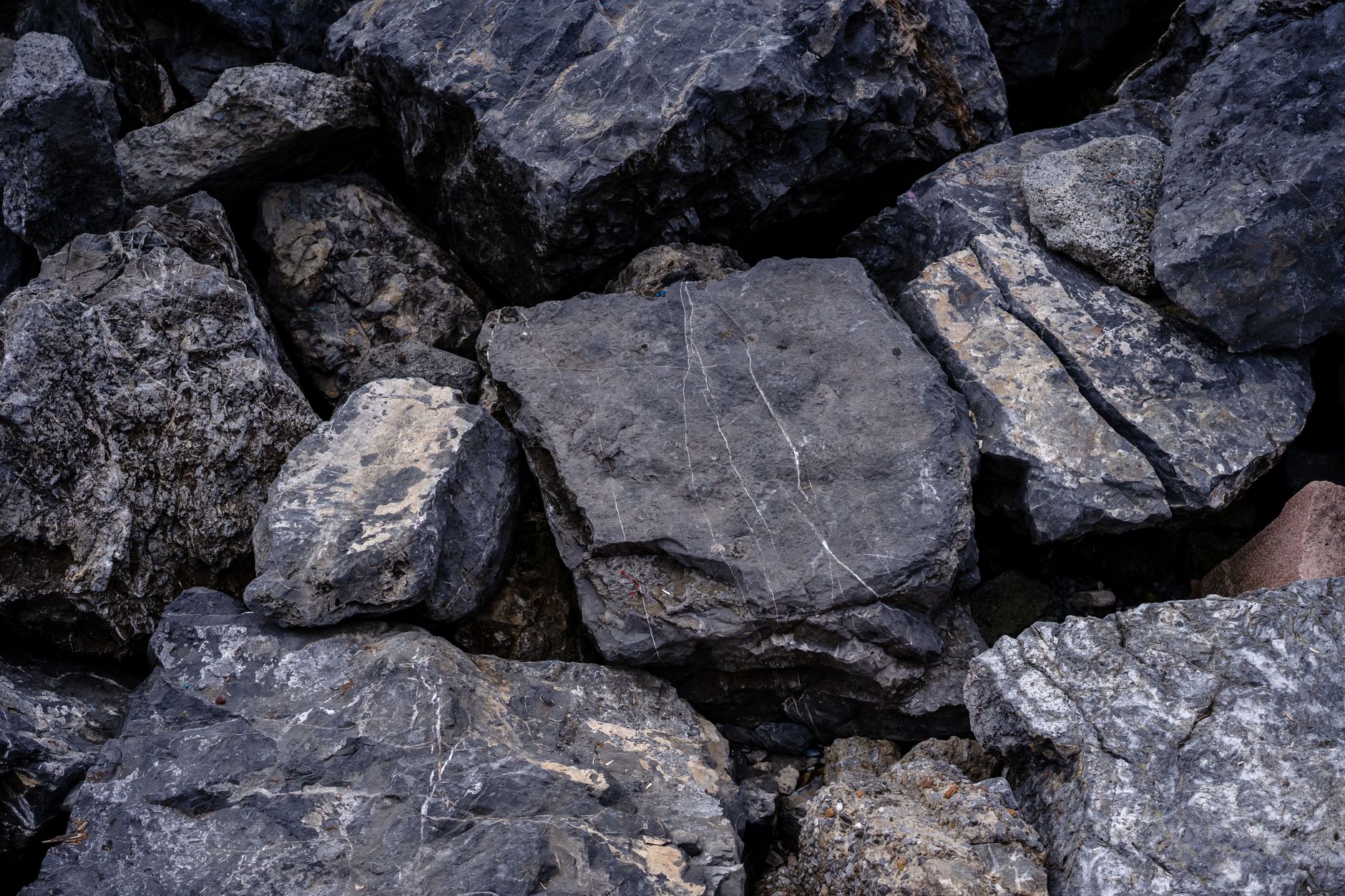
Successful Oregon collectors do more than show up. They study geological maps, mining records, and old dig reports. Mindat.org is the best free mineral locality database. Search by county or mineral and read the reported minerals list. That can tell you whether a site produces thundereggs, agate, or only common basalt. Use USGS topo maps to find roads and contour lines. Together these tools give you a better starting point. Learn to read the rock. Thundereggs often weather out of pale rhyolite tuff. They look like gray to brown spherical lumps. Some have a thin outer rind. Agate and jasper feel smoother and heavier than basalt. They may show a waxy sheen when wet. Obsidian breaks with a sharp conchoidal fracture. It often looks like black glass. Our rock identification guide walks through these field tests. A small spray bottle and a hand lens turn subtle texture into clear clues. Chalcedony will remain smooth and translucent on a broken edge. Common opal has a more pearly or resinous look. When in doubt, collect a small sample and identify it later. Do not fill your pack with junk. Knowing the signs saves energy and reduces impact on the land.
- Dig Thundereggs and Surface Collect the Right Way
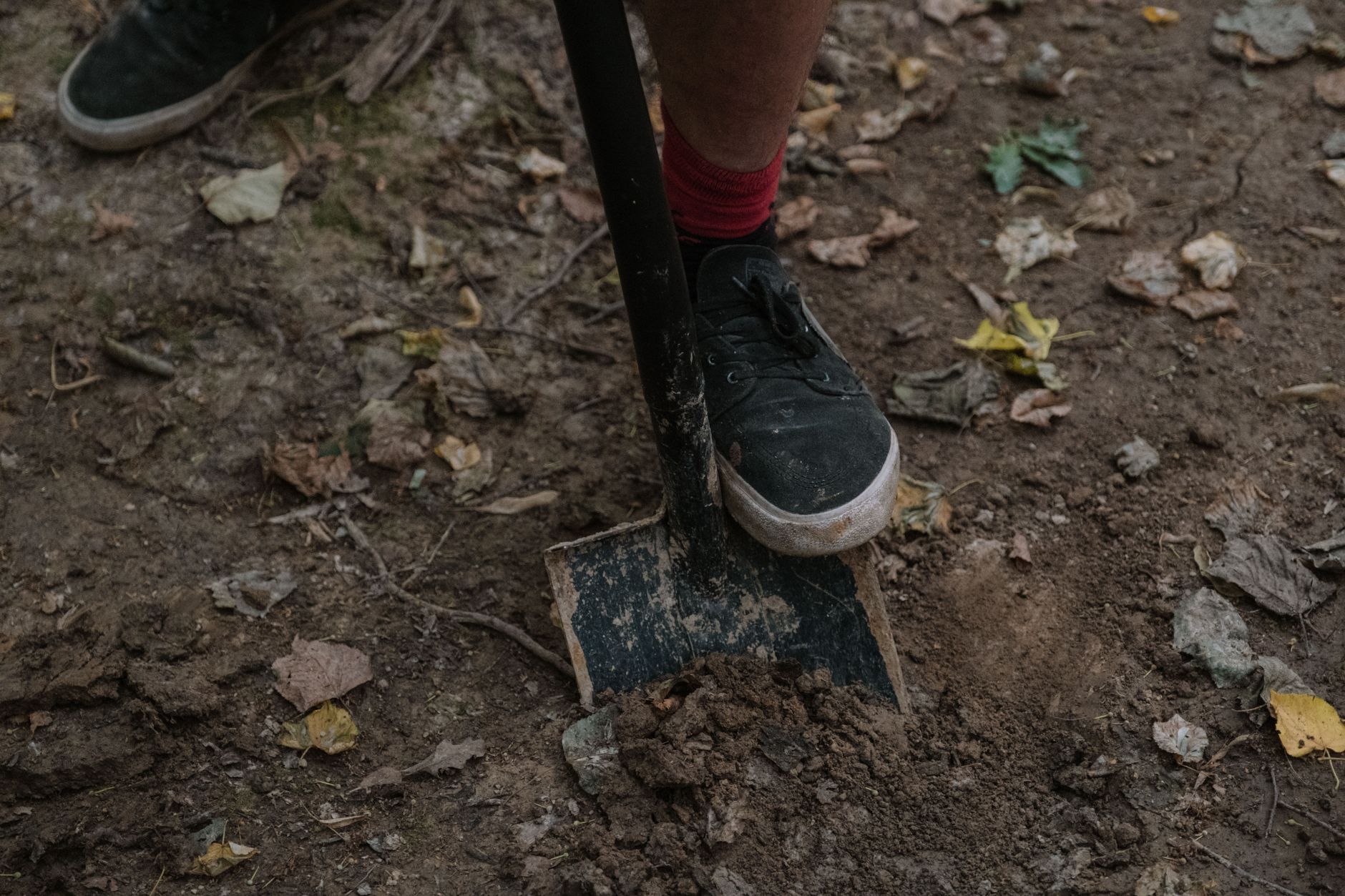
The main thunderegg district around Madras includes fee digs like Richardson’s Rock Ranch and other private claims. At fee digs, staff often show you where to dig. You pay by the pound or for a bucket. That is a great way for beginners to learn. Public thunderegg areas also exist in the Ochoco and Succor Creek regions. Always stay on open ground and leave no trench unfilled. When you find a digging spot, remove loose soil first. Use a rock hammer and chisel to follow the tuff layer. Thundereggs often sit in a horizontal band. Dig gently once you see the first one. They cluster. Smashing blindly can crack specimens. Use a heavy hammer to break large chunks away from the wall. Then use a small pick to free individual nodules. Keep the outer shell intact until you can cut or split them at home. For surface collecting, walk slowly after rain. On beaches, focus on gravel lines near the high tide mark. In the desert, scan washes and low spots where heavy rocks settle. Turn over candidates and wet them with a spray bottle. Agate glows when wet. Obsidian may have a dull surface but a glassy interior. Use a tile saw cutting guide later to open thundereggs cleanly.
- Clean, Grade, and Prep Your Finds
Cleaning starts in the field. Remove heavy mud with a soft brush. Do not scrape crystals with a metal tool. At home, soak specimens in water. For stubborn clay, use a mild detergent. Quartz and chalcedony can handle a short soak in diluted white vinegar. But do not acid wash calcite or sunstone without testing first. Our rock cleaning guide has safe methods for each material. Sort your finds by type and quality. Good thundereggs are solid, with no cracks through the center. Agate should show banding or translucence when held to light. Sunstone should show color or schiller in direct sun. Use a 10x loupe to check for fractures. Hardness testing can confirm quartz and feldspar. Quartz rates 7 on the Mohs scale. Sunstone rates 6 to 6.5. Our Mohs hardness guide explains the test in detail. Now decide what to do with the best pieces. Thundereggs look best cut in half. A lapidary saw gives clean halves. Our tile saw cutting guide shows a low-cost way to start. If you prefer tumbling, choose beach agate and jasper under two inches. For faceting sunstone, send it to a professional or take a class. Label each batch with the locality, date, and land status. Details matter later.
- Record Locality Data and Leave the Site Clean
Good records turn a pile of rocks into a collection. Write the county, site name, GPS coordinates, and date on a paper tag. Put one tag in each bucket or bag. Do not rely on memory. Months later, you will want to know where a special thunderegg came from. This also helps you compare future trips. Our mineral collecting field guide includes a simple data sheet. Photograph the site before and after you dig. That helps you remember the geology and the exact layer. If you use a GPS app, save a waypoint. Paper notes still matter because devices fail. You can also add your find to a mineral database. Mindat.org allows registered users to upload photos and locality details. Your data helps other collectors find the right layer and avoid dead ground. Pack out everything you bring. Fill small holes to prevent erosion and protect livestock. Do not leave broken glass or food trash. If a site looks overused, choose a different spot. Public land collecting depends on good behavior. If we treat the land well, Oregon will stay open for future rockhounds. Many districts already watch for trenching and commercial-scale digging. Keep it personal, small, and respectful.
Red Flags & Warnings
- 🚨 Never collect on active mining claims or private land. Even if a gate is open, you need permission from the claim owner or landowner.
- 🚨 Do not dig in state parks or national parks. Most park lands in Oregon prohibit any rock or mineral removal, even small pieces.
- 🚨 Check fire season road closures before driving into the high desert. Many forest roads close in July and August without posted signs at the turnoff.
- 🚨 Watch for rattlesnakes and scorpions in rocky desert areas. Wear leather gloves and look before you place your hands in cracks or under rocks.
- 🚨 Beach collecting is not legal everywhere. Oregon’s marine reserves and some state parks protect rocks, shells, and driftwood. Check the specific beach rules.
- 🚨 Do not overload your vehicle or buckets. BLM personal-use limits apply to some materials, and commercial use requires a permit.
Frequently Asked Questions
Do I need a permit to rockhound in Oregon in 2026?
Most casual collecting on BLM public land is allowed for personal use without a permit. Some materials have daily or yearly limits, and some ranger districts require free use permits. Always check with the local BLM office or forest service before you dig.
Where is the best place to find thundereggs in Oregon?
The Madras, Prineville, and Succor Creek areas are the best known thunderegg districts. Fee digs like Richardson’s Rock Ranch offer reliable access for beginners. Public land collecting exists in the Ochoco National Forest and near Burns, but verify land status first.
Can I collect Oregon sunstone on public land?
Yes, there are public sunstone collecting areas in the high desert near Plush and Lakeview. Many collectors also use fee mines that provide easier digging and better tools. Sunstone is a feldspar with a Mohs hardness of 6 to 6.5.
What is Glass Buttes known for?
Glass Buttes, east of Bend, is a well-known public obsidian collecting area. It produces black, mahogany, rainbow, silver sheen, and gold sheen obsidian. Roads can be rough, and summer can be very hot, so plan accordingly.
Is it legal to collect agates on Oregon beaches?
Most Oregon beaches allow small-scale agate collecting for personal use. Some areas, including marine reserves and state parks, prohibit taking rocks or other natural items. Check local rules and tide levels before you collect.
What tools do I need for thunderegg digging?
Bring eye protection, leather gloves, a rock hammer, chisels, a shovel, and buckets. A crack hammer or small sledge helps break hard rhyolite. A few old newspapers or cloth bags protect whole thundereggs so they do not crack before you cut them.
What Should You Remember?
- Thundereggs are Oregon’s state rock and top target near Madras, Prineville, and Succor Creek.
- Permits usually allow personal-use collecting on BLM land, but always check local limits and closures.
- Obsidian at Glass Buttes comes in several varieties, including black, rainbow, and gold sheen.
- Sunstone is an Oregon feldspar that rates 6 to 6.5 on the Mohs scale and often shows copper schiller.
- Safety demands eye protection, gloves, water, and a paper map on remote desert roads.
- Records are critical: label every specimen with locality, date, and GPS so your collection keeps its value.
This article is for general information only. Rockhounding and collecting carry land-access, safety, and legal obligations , always verify claim status, land ownership, and collecting rules before removing material, and get landowner or land-agency permission where required. Field collecting involves physical hazards; use proper safety gear and never enter mines or unstable terrain.