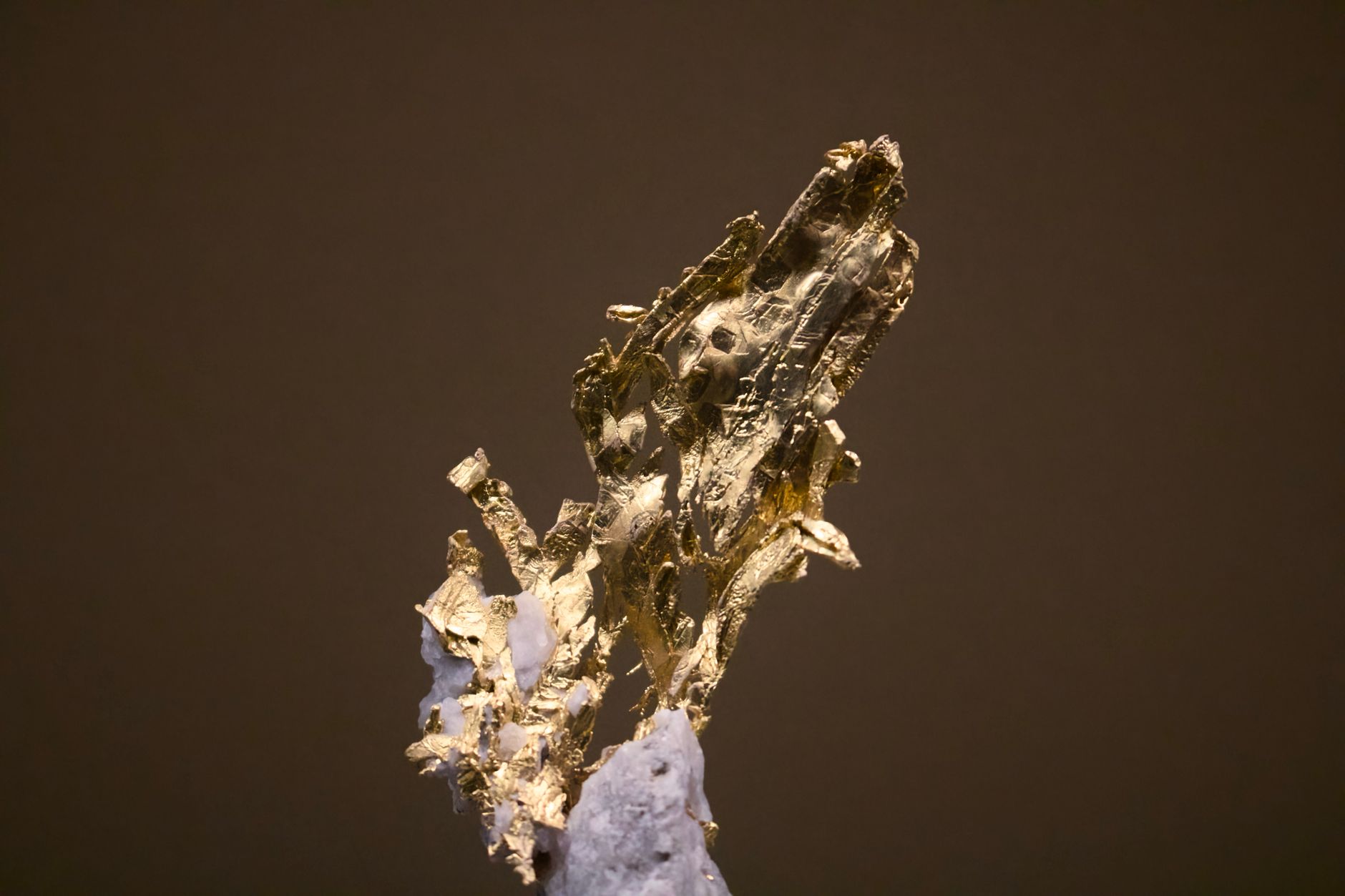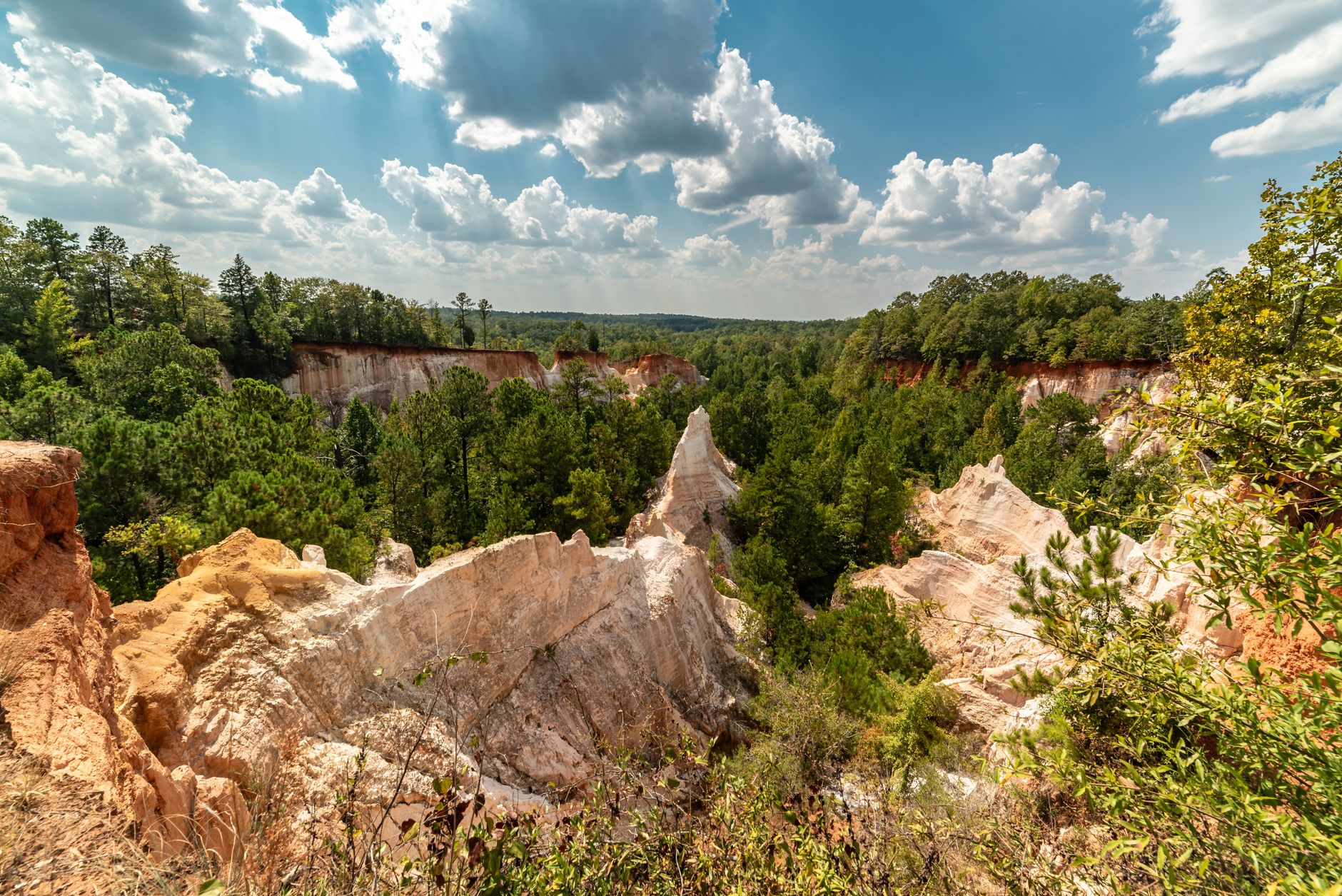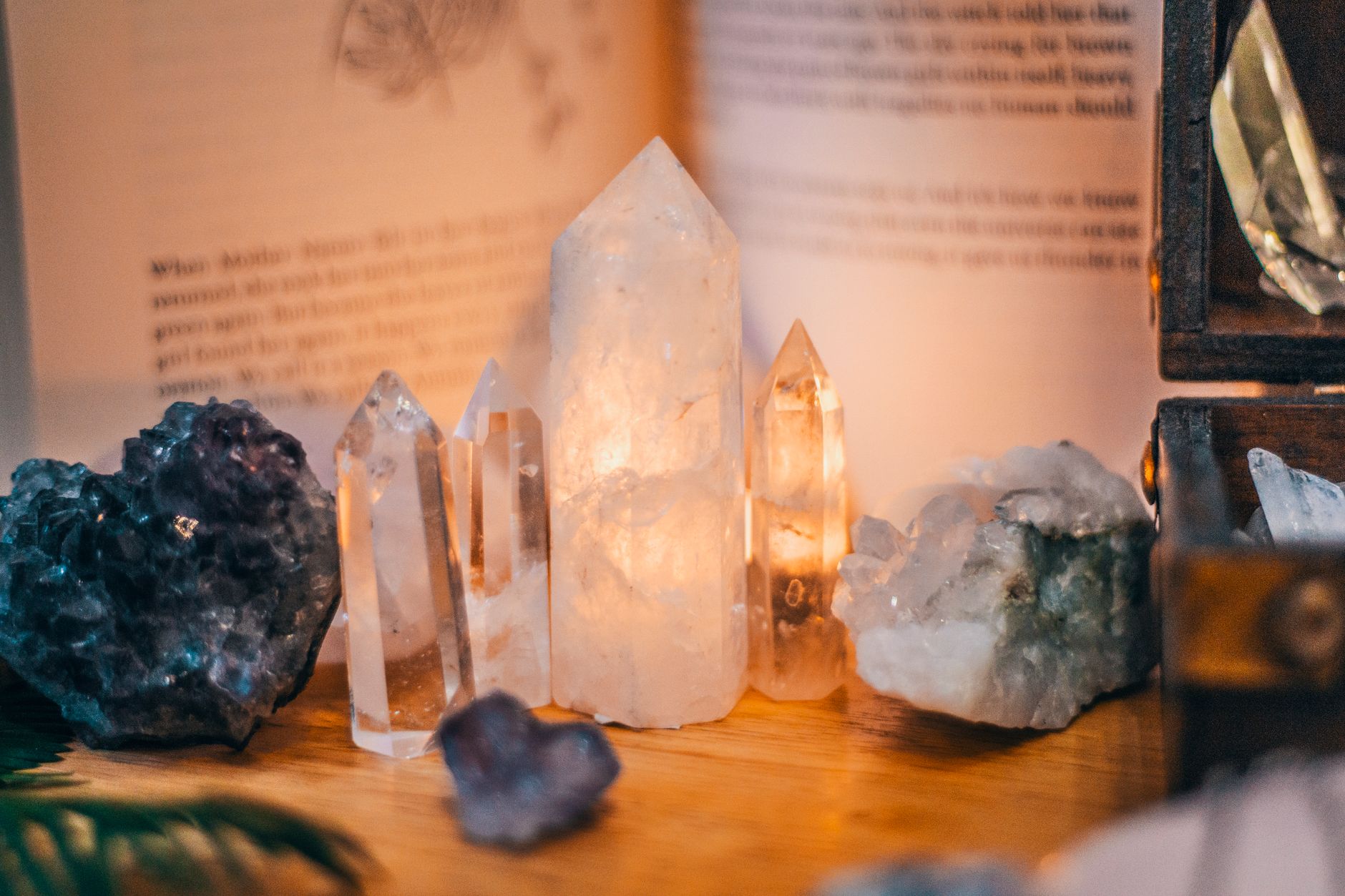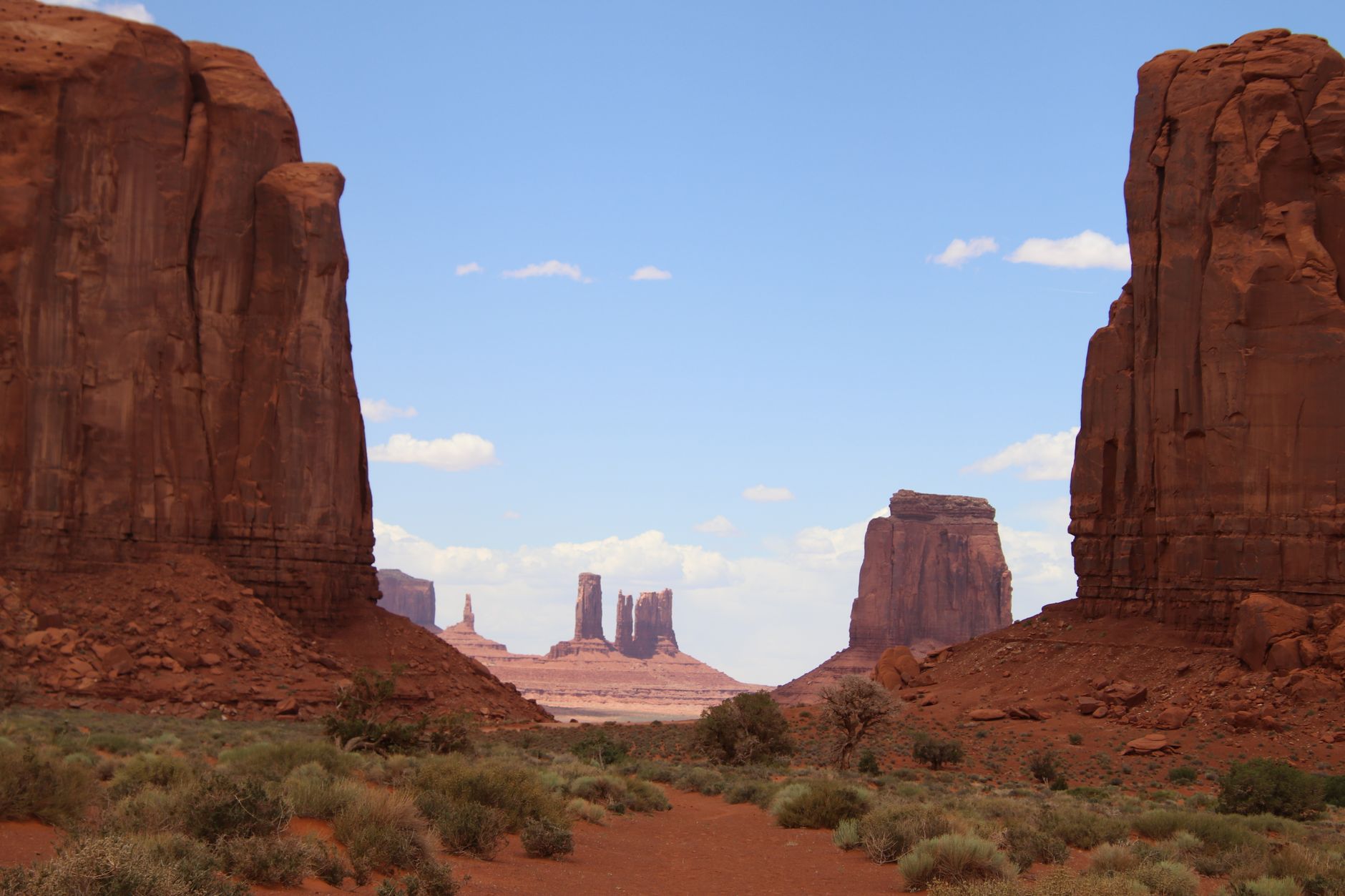
Rockhounding in 2026 rewards collectors who plan around public land access, seasonal closures, and active mining claims. The Bureau of Land Management manages more than 245 million acres of public land, and much of that remains open to casual surface collecting. Rules differ by district. Some areas move from open collecting to permit-only without much notice. I have watched new collectors lose a full day because they skipped the local field office. Check the BLM website before you travel. A quick call saves gas, time, and legal trouble. Land status apps help, but they do not replace checking the master title plat.
To rank the best states, I weighed three things. First, the number of publicly accessible collecting sites. Second, the variety of minerals, gems, and fossils a beginner can actually find. Third, the cost and logistics of a weekend trip. I used locality data from Mindat.org and checked land ownership through Bureau of Land Management records. I also pulled mineral-resource context from the USGS. A state with famous pay-to-dig mines ranks high if a beginner can find good material in one day. A state with only remote wilderness claims ranks lower unless the payoffs are unique. Access wins over rarity.
Most rockhounding mistakes start with the wrong gear. You do not need a truck full of tools. A reliable rock hammer, a small shovel, gloves, safety glasses, and a 10x loupe cover most surface collecting. For dry desert sites, carry twice the water you think you need. For creek and lake sites, check water levels before you go. I recommend starting with our best rockhounding gear guide to avoid buying useless extras. If you plan to identify quartz, feldspar, or garnet in the field, a basic Mohs hardness scale guide helps more than a pricey acid bottle. A simple scratch test answers many identification questions.
The top ten states for 2026 each give you a different reason to pack the truck. Arizona has fire agate and peridot. Oregon has sunstone and agate beds. North Carolina has emerald and ruby. Utah has topaz and dinosaur bone. Montana has sapphire and agate. California has tourmaline and jade. Nevada has opal and turquoise. Idaho has star garnet. Arkansas has quartz and diamonds. South Dakota has Fairburn agate and rose quartz. Use the field identification guide when you are unsure what you found. The next step is deciding how to clean and cut your material.
How Do the Top Options Compare?
| State | Best For | Signature Finds | Public Land Note | Recommended Tool |
|---|---|---|---|---|
| Arizona | Fire agate and peridot | Fire agate, peridot, turquoise, Apache tears | BLM land open in many areas; check claims | Estwing rock hammer |
| Oregon | Sunstone and agate beds | Sunstone, thundereggs, carnelian, jasper | BLM and national forest; some public fee dig sites | Lortone rock tumbler |
| North Carolina | Emerald and ruby mines | Emerald, ruby, sapphire, garnet, hiddenite | Mixed private pay-to-dig and national forest | 10x triplet loupe |
| Utah | Topaz and agate | Topaz, Tiffany stone, variscite, agate | BLM land around Topaz Mountain; claims | Estwing rock hammer |
| Montana | Sapphire and agate | Sapphire, agate, garnet, zircon | National forest and private pay-to-dig | Small sledge |
| California | Tourmaline and jade | Tourmaline, benitoite, jade, borax minerals | Some BLM; many classic fee digs | Chisels |
| Nevada | Opal and turquoise | Opal, turquoise, variscite, agate | BLM open land, but remote roads | Rock hammer |
| Idaho | Star garnet and opal | Star garnet, opal, agate, jasper | National forest and BLM | Sieve |
| Arkansas | Quartz and diamonds | Quartz, diamond, wavellite, novaculite | Crystal mines and Crater of Diamonds State Park | Shovel |
| South Dakota | Fairburn agate and rose quartz | Fairburn agate, rose quartz, barite, tourmaline | Buffalo Gap National Grassland and BLM | Sifting screen |
Go prepared. Public land rules change by district, and many gem-rich spots are active mining claims. Never collect from staked claims without permission. Some pay-to-dig sites provide tools for a fee.
1. Arizona , Fire agate and peridot collecting
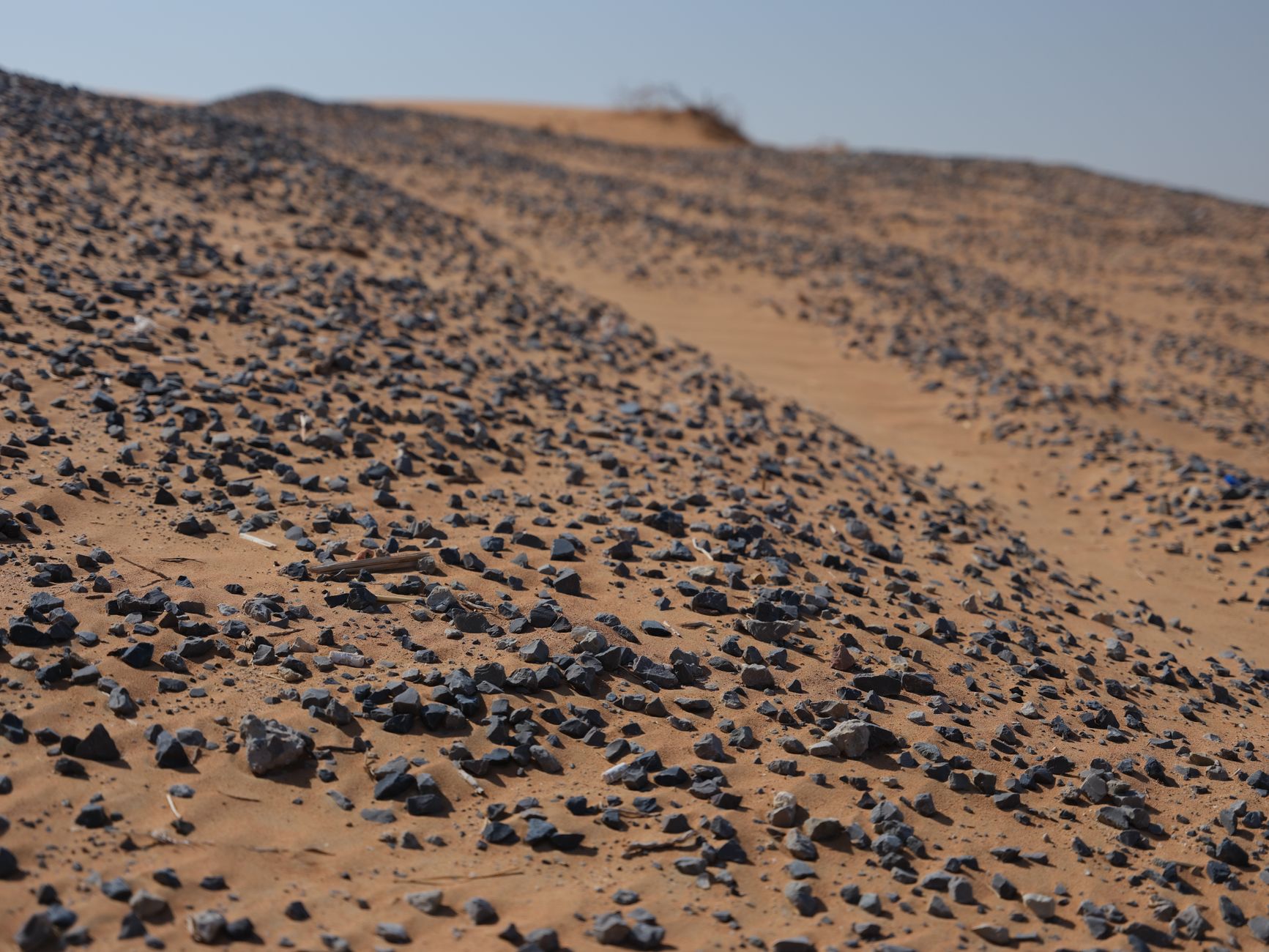
Arizona remains the best all-around state for a new rockhound in 2026. The state has huge BLM acreage, old mine tailings, and collecting districts for fire agate, peridot, turquoise, Apache tears, and petrified wood. Saddle Mountain near Tonopah produces colorful fire agate with flashes of red and green. The material rates 6.5 to 7 on Mohs hardness, so it tumbles and polishes well. Check the rockhounding in Arizona guide for exact roads and current access.
Peridot Mesa on the San Carlos Reservation is a classic spot, but you need tribal permission and sometimes a paid guide. Do not assume open access. The payoff is gemmy olivine that can cut clean stones. An Estwing rock hammer handles most hard rock work here. Bring eye protection. The basalt around peridot bombs is sharp.
The biggest drawback is summer heat. From June through September, surface temperatures exceed 100°F in many areas. Collect early or plan for fall and winter. Flash floods also affect desert washes. Check BLM district offices before heading out.
Key strengths:
- ✅ Large amounts of BLM land open to casual collecting
- ✅ Fire agate and peridot are beginner-friendly finds
- ✅ Year-round collecting in lower desert during fall and spring
- ✅ Old mine tailings offer quick pickings
- ❌ Summer heat can be dangerous from June through September
- ❌ Many gem areas are tribal land or active claims
- ❌ Remote washes flood with little warning
Who it’s for: Arizona is for beginners and experienced collectors who want a warm-weather trip with real gem potential.
2. Oregon , Sunstone and agate beds
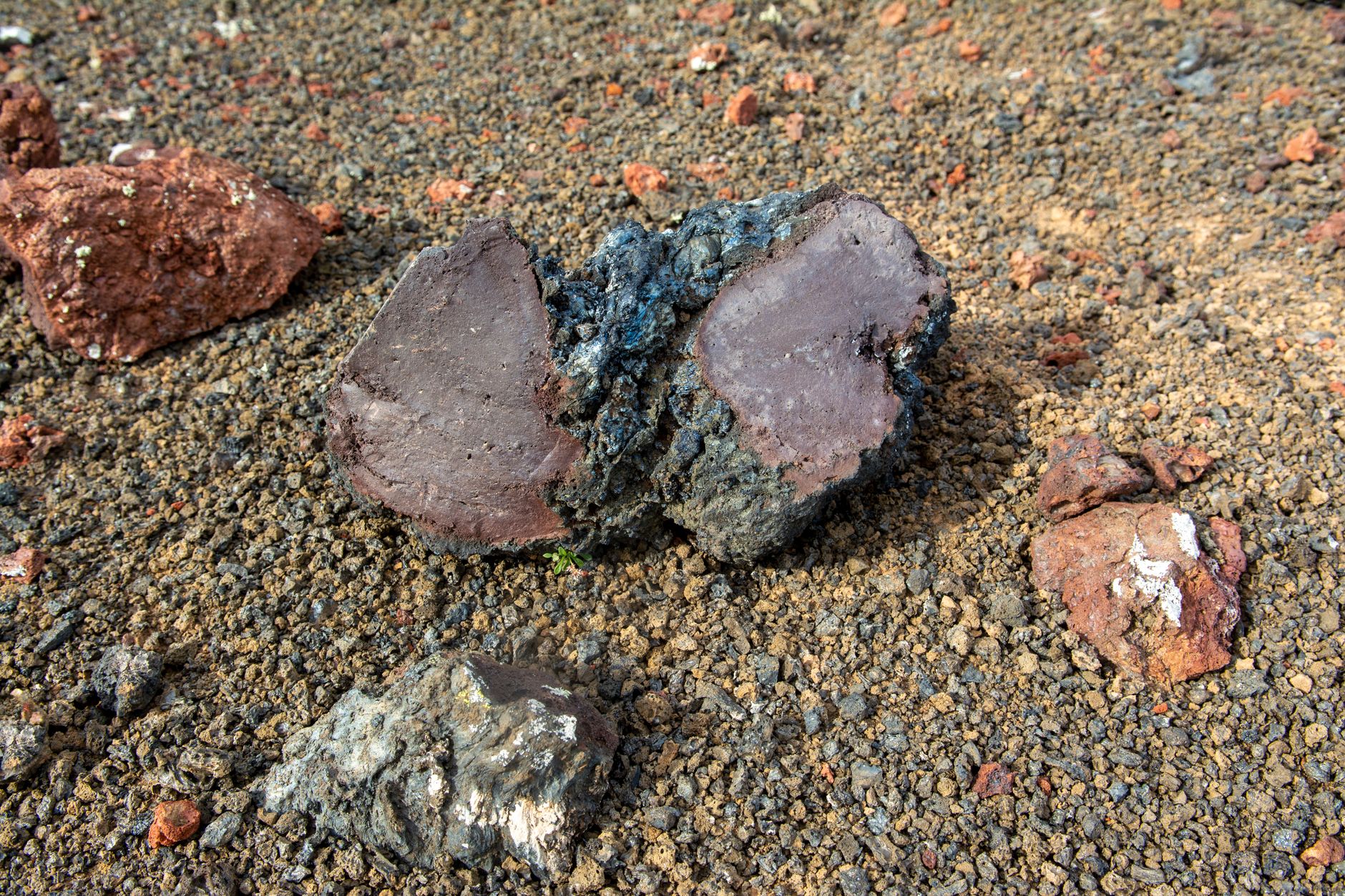
Oregon wins for variety in a single week. The public sunstone area near Plush lets you dig and screen for labradorite sunstone on BLM land for a small daily fee. Stones range from clear to watermelon to deep red. Sunstone sits at 6 to 6.5 on Mohs hardness, so it cuts and tumbles, though faceting is a separate skill. Details in rockhounding in Oregon.
Central Oregon also produces thundereggs, carnelian, and jasper. The Prineville and Madras areas have public rockhounding areas, while the Oregon coast gives you agates after winter storms. Bring a five-gallon bucket for agate beds. If you plan to polish your finds, a Lortone rock tumbler handles agate and jasper well.
The downside is logistics. Sunstone dig sites are remote, and cell service drops long before you arrive. Winter mud and summer heat both cause problems. Check road conditions with the Lakeview BLM field office.
Key strengths:
- ✅ Public sunstone fee dig is accessible in summer
- ✅ Huge variety of agate, jasper, and thundereggs
- ✅ Coast agate hunting is easy after storms
- ✅ Good family-friendly collecting areas around Madras
- ❌ Remote sunstone sites lack cell service and fuel
- ❌ Winter mud can close forest roads
- ❌ Some agate beds are in active fee or claim areas
Who it’s for: Oregon is for campers and families who want gem-grade sunstone plus colorful agate and jasper.
3. North Carolina , Emerald and ruby mines
North Carolina is the best eastern state for colored gemstones. Pay-to-dig sites such as Emerald Hollow Mine, Cherokee Ruby and Sapphire Mine, and Mason’s Ruby and Sapphire Mine let beginners work buckets or native dirt. You can find emerald, ruby, sapphire, garnet, and hiddenite. The state has a long mining history, and some material is world-class. Check rockhounding in North Carolina for fee digs and creek access.
Emerald is beryl, hardness 7.5 to 8. Ruby and sapphire are corundum, hardness 9. That means a pocket loupe matters when you are sorting tiny stones. A 10x triplet loupe helps you spot hexagonal crystal shape, inclusions, and chips. Use a gold pan or screen to wash dirt.
The main downside is cost. Pay-to-dig mines charge $20 to $75 or more per bucket. Many sites are heavily salted with imported stones, so ask if the bucket is native or enhanced. Public national forest land exists, but the best gem localities are private.
Key strengths:
- ✅ Top eastern state for emerald, ruby, and sapphire
- ✅ Mines offer a controlled beginner experience
- ✅ Can find gemmy material in one afternoon
- ✅ Year-round season with mild winters
- ❌ Pay-to-dig buckets can be expensive
- ❌ Some sites salt buckets with imported stones
- ❌ Best localities are mostly private land
Who it’s for: North Carolina is for beginners and families who want immediate colored gemstone finds without rough public land logistics.
4. Utah , Topaz and agate
Utah has public land and oddball material you cannot find elsewhere. Topaz Mountain in the Thomas Range lets you find sherry-colored topaz crystals on BLM land. Topaz is hardness 8, so it survives stream transport and cuts well. You can also find red beryl on private claims nearby, but you must secure permission.
Dugway geode beds produce hollow quartz-lined geodes. Millard County has variscite and Tiffany stone, a purple and white opalized rock. Dinosaur bone and agate are common around Moab. Many beginners start with a rock hammer and a screen. The state’s open land makes it easier to explore without a guide.
The hard parts are distance and claims. Some of the best spots are hours from fuel, water, or help. Summer heat is brutal. Claim markers can be old and hard to read. Never collect on staked ground.
Key strengths:
- ✅ Topaz on public BLM land is a major draw
- ✅ Geodes and Tiffany stone are unusual finds
- ✅ Southern Utah offers dinosaur bone and agate
- ✅ Wide open ground for solo exploration
- ❌ Many top spots are extremely remote
- ❌ Summer heat limits safe collecting
- ❌ Active claims and old markers create confusion
Who it’s for: Utah is for collectors who want topaz, geodes, and desert oddities on open public land.
5. Montana , Sapphire and agate
Montana is a sapphire state. You can screen gravel at pay-to-dig mines near Philipsburg, Rock Creek, and the Missouri River. Sapphire is corundum, hardness 9, so it survives heavy gravel transport and tumbles only if you want broken stones; most rough goes to cutting. The color ranges from teal to pink to yellow.
The Yellowstone River and its tributaries produce Montana agate, jasper, and petrified wood. Forest Service land offers free collecting in some areas, but many river bars are private. Spring runoff covers good gravel, so the season runs from late June through September.
The downside is access. Distances between sites are long, weather changes fast, and good sapphire ground often sits under claims. Check the local Forest Service station before you dig.
Key strengths:
- ✅ Sapphire pay-to-dig sites are beginner-friendly
- ✅ Montana agate and petrified wood are common
- ✅ Cooler mountain collecting in summer
- ❌ Short season due to snow and runoff
- ❌ Many river bars are private
- ❌ Distances between sites are long
Who it’s for: Montana is for sapphire hunters who like pay-to-dig mines and river agate.
6. California , Tourmaline and jade
California is still a top destination for pegmatite minerals in 2026. San Diego County mines produce tourmaline, morganite, kunzite, and aquamarine. The Himalaya Mine and Pala Chief allow fee digging. Tourmaline is hardness 7 to 7.5 and often occurs in gemmy pencils.
The Benitoite Gem Mine in San Benito County is the only commercial source of benitoite, the state gem. Benitoite is hardness 6 to 6.5 and shows strong blue fire under sunlight. Jade collectors head to Big Sur and the Eel River, though many areas now restrict removing stones. Public land collecting is scattered, and private claims dominate. Check BLM and county rules before collecting.
Key strengths:
- ✅ World-class tourmaline and gem pegmatites
- ✅ Benitoite is a rare state gem
- ✅ Fee digs in San Diego County are well-established
- ❌ Access restrictions and private claims are common
- ❌ Many sites require reservations or fees
- ❌ Jade collecting is heavily regulated
Who it’s for: California is for serious gem and mineral collectors who can navigate permits and private fee digs.
7. Nevada , Opal and turquoise
Nevada is sun-bleached, remote, and full of gem-grade material. Virgin Valley produces precious opal in volcanic ash beds. The opal rates 5.5 to 6.5 on Mohs hardness and can craze if it dries too fast. Keep it in water until you know how to stabilize it.
Turquoise, variscite, and agate occur across the state. Some public BLM areas allow surface collecting, but many turquoise and opal mines are private or claimed. Carry extra fuel, water, and a spare tire. The solitude is real. Cell coverage is not. Check district BLM offices for open land.
Key strengths:
- ✅ Precious opal and turquoise are top finds
- ✅ BLM public land covers much of the state
- ✅ Less crowded than Arizona or California
- ❌ Extremely remote roads and no cell coverage
- ❌ Many turquoise and opal mines are private
- ❌ High desert heat and cold nights
Who it’s for: Nevada is for experienced desert collectors who want opal and turquoise without crowds.
8. Idaho , Star garnet and opal
Idaho gives you the six-ray star garnet. The Emerald Creek area in the Idaho Panhandle National Forests requires a permit and a short drive to the garnet area. Garnet rates 7 to 7.5 on Mohs hardness. The star effect appears when the rough is properly oriented and polished.
Spencer, Idaho, lets you dig opal in a public fee area. The opal is often common opal, but some precious pink and white material shows up. Agate, jasper, and quartz are widespread. The season runs from late spring to early fall because snow closes forest roads. The permit system keeps digs organized, but it can book out on summer weekends.
Key strengths:
- ✅ Star garnet is unique to Idaho
- ✅ Public permit system controls access
- ✅ Opal and agate add variety
- ❌ Short collecting season in high country
- ❌ Permits can sell out on summer weekends
- ❌ Remote sites with limited services
Who it’s for: Idaho is for families and collectors who want star garnet and public forest digs.
9. Arkansas , Quartz and diamonds
Arkansas is the quartz capital for a reason. The Mount Ida area has dozens of pay-to-dig crystal mines where you can pull single and clusters of clear quartz. Quartz is hardness 7 and cleans up well. Some pockets produce smoky quartz and phantom crystals.
Crater of Diamonds State Park near Murfreesboro lets you search a 37-acre plowed field for diamonds. Diamond is hardness 10, and the park keeps what you find. It is the only public diamond search site in the United States. Wavellite and novaculite are local bonuses. Expect red clay, hot summers, and mine fees.
Key strengths:
- ✅ Quartz digging is easy and productive
- ✅ Diamond search is unique in the US
- ✅ Mines are concentrated around Mount Ida
- ❌ Hot, humid summers and sticky clay
- ❌ Mine fees add up
- ❌ Diamonds are rare despite park access
Who it’s for: Arkansas is for beginners and families who want quartz crystals and a shot at a diamond.
10. South Dakota , Fairburn agate and rose quartz
South Dakota is a quiet rockhounding state with high-value finds. Fairburn agate occurs in the grasslands east of the Black Hills. The agate has tight banding of red, orange, and white. It rates 7 on Mohs hardness. Buffalo Gap National Grassland allows small personal amounts, but rules change.
The Black Hills also produce rose quartz, barite, galena, and gold. Some areas are private or part of national forest. The collecting season is short because winter comes early. Do not wander across fence lines. Check the Forest Service and National Grassland offices for permits and limits.
Key strengths:
- ✅ Fairburn agate is a high-value collectible
- ✅ Rose quartz and barite are accessible
- ✅ Less crowded than western rockhound hubs
- ❌ Strict collection limits on public grass
- ❌ Short season and early winter
- ❌ Private land and fence lines require care
Who it’s for: South Dakota is for patient collectors who want Fairburn agate and Black Hills minerals.
Frequently Asked Questions
What is the best state for beginners to rockhound in 2026?
Arizona and Arkansas are the easiest starting points. Both have many accessible sites, clear rules, and pay-to-dig options that produce quick results.
Do I need a permit to collect on BLM land?
Casual collecting of small amounts is often allowed without a permit, but rules vary by district. Always check with the local BLM office before you dig.
What gear should I carry on a rockhounding trip?
Bring a rock hammer, small shovel, safety glasses, gloves, water, map, and a 10x loupe. Dry desert sites require extra water and a spare tire.
Are pay-to-dig mines worth it for beginners?
Yes in North Carolina and Montana because you can find gems on your first day. Just ask if the bucket contains native material or salted imported stones.
When is the best time to rockhound in the Southwest?
Fall through early spring is best. Summer heat is dangerous, and late summer can bring flash floods in desert washes.
Can I collect petrified wood or fossils on public land?
Some petrified wood and common invertebrate fossils may be collected in limited amounts. Vertebrate fossils are protected. Check local rules first.
What Should You Remember?
- Public land: Check BLM district rules before you collect anywhere new.
- Top finds: Arizona, Oregon, and North Carolina offer the best beginner-to-gem ratio.
- Essential gear: A rock hammer, shovel, gloves, and 10x loupe cover most surface trips.
- Hardness basics: Learn key Mohs values such as quartz 7, topaz 8, sapphire 9, and diamond 10.
- Pay-to-dig: North Carolina and Montana mines give quick wins for beginners.
- Season planning: Desert states are best in fall and spring, not midsummer.
- Claim awareness: Never collect on staked mining claims without written permission.
This article is for general information only. Rockhounding and collecting carry land-access, safety, and legal obligations , always verify claim status, land ownership, and collecting rules before removing material, and get landowner or land-agency permission where required. Field collecting involves physical hazards; use proper safety gear and never enter mines or unstable terrain.