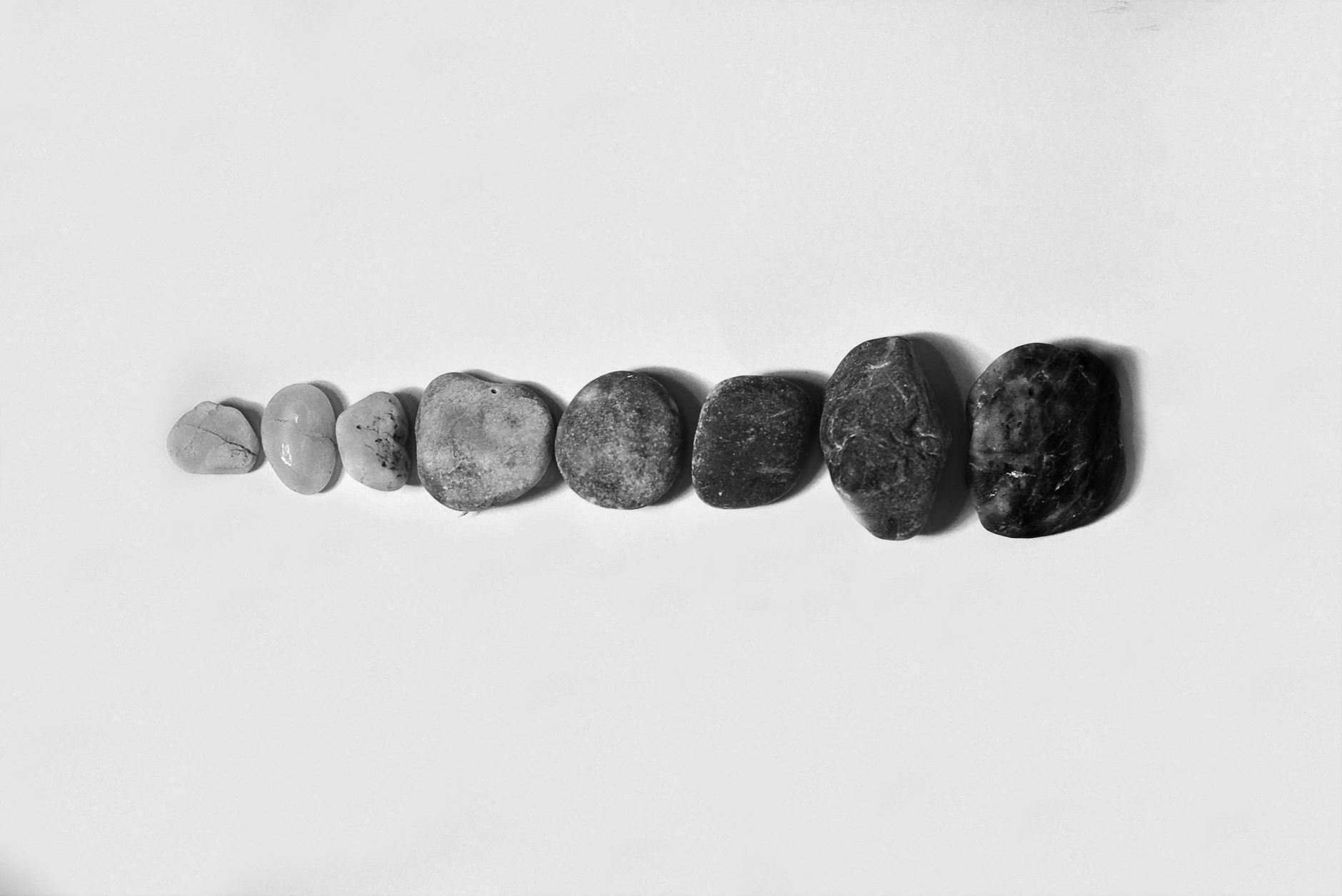
The Mohs Hardness Scale: Your Essential Mineral Identification Guide
Quick Answer: The Mohs hardness scale ranks ten minerals from talc at 1 to diamond at 10. To use it, scratch an unknown mineral with reference tools like a fingernail, copper penny, knife blade, or glass plate. The hardest object it scratches gives an approximate hardness. Match that number to known minerals to narrow your identification. A pale stone sits in your palm. You found it near a dry wash in Arizona. It could be calcite, gypsum, quartz, or something else entirely. Color alone cannot tell you. Hardness can. The Mohs hardness scale is the fastest first test for a new specimen. In 1812, German mineralogist Friedrich Mohs arranged ten common minerals by their ability to scratch one another. That simple list became the standard field method for mineral identification. The scale orders minerals from talc at 1 to diamond at 10. Mindat.org lists hardness values for nearly every mineral species, which makes the scale even more useful. It has helped rockhounds for over two centuries. Once you learn the scale, a pocketknife and a copper penny become powerful diagnostic tools. ...