Agate is one of the most sought-after finds for rockhounds, lapidary artists, and mineral collectors. It is a banded variety of chalcedony, which itself is microcrystalline quartz. The problem is that agates often look like ordinary rocks until you know what to look for. In the field, the signs are subtle. You need to train your eye for waxy surfaces, soft color glows, and rounded rind textures. This guide will walk through six practical signs that separate agate from common quartz, chert, jasper, and host rock. Before heading out, review basic field identification methods in our how to identify rocks and minerals in the field guide.
Agates form when silica-rich fluids fill open spaces in volcanic rocks, especially basalt and rhyolite. They also form in sedimentary limestone and shale. Over millions of years, layers of microcrystalline quartz deposit inside the cavity. Trace elements like iron and manganese create the bands of red, orange, brown, black, and blue. According to Mindat.org, agate is a variety of chalcedony that is typically banded. Not all agates show obvious banding on the outside, though. Some are hidden inside a rough, pitted skin. That is why field identification relies on a mix of luster, hardness, translucency, and fracture.
The two most useful field data points are hardness and fracture. Agate has a Mohs hardness of 6.5 to 7. It will scratch ordinary glass, which is about 5.5. A steel knife blade, also around 5.5, will not easily mark a genuine agate. Agate also breaks with a conchoidal fracture. This means the broken surface curves like glass. These traits point to quartz family minerals, but they do not confirm banding. Use a combination of tests. Our gemstone identification guide covers other stones that can fool you in the field.
Land status matters as much as geology. Many excellent agate localities sit on public land managed by the BLM or national forests. Some areas allow casual collecting, but others restrict digging or require permits. Always verify ownership and current collecting rules before removing material. Public land maps and local field offices are the best source. The same rules apply on beaches, washes, and forest roads. A quick check before you swing a hammer can save you from fines and protect the resource.
What You’ll Need
- 10x triplet loupe
- Spray bottle or water source
- Steel knife or glass shard
- Streak plate
- Rock hammer
- Bright LED flashlight
- GPS or phone map
How Do You Identify Agates in the Field?
- Look for a waxy, dull, or satin luster
Agate has a surface luster that feels waxy to the eye, not glassy. Hold the stone in full sun or under a bright headlamp. Rotate it slowly. The light will reflect in a soft, almost greasy sheen. Quartz crystals are glass-sharp. Obsidian is mirror-like. Slag glass is often too shiny and has air bubbles. That waxy luster is one of the fastest clues in the field.
When an agate has been tumbled by a stream or surf, the surface can look like a piece of hard candy or plastic. In a desert or upland setting, the outer rind may be chalky and pitted. Yet the broken edges usually show a smoother, waxy inner texture. Compare the rock to nearby basalt or rhyolite. The host rock often looks grainy and dull. Agate stands out because it appears slightly polished even when dry.
Luster alone will not confirm an agate. Chert and flint share the same waxy look. Still, the clue is powerful. Most common landscape rocks, sandstone, granite, and limestone, have a rough or earthy luster. When you spot a stone with a waxy or satin surface, stop and pick it up. This is the first gate in the identification process.
A 10x triplet loupe helps you see why the surface looks smooth. Agate is microcrystalline quartz. The individual crystals are too small to see without a microscope. You will not see sand grains or cleavage planes. That interlocking texture produces a smooth, waxy appearance. You can check the 10x triplet loupe on Amazon if you want a simple field tool for closer inspection.
- Test hardness with a knife, glass, or nail
Agate sits at 6.5 to 7 on the Mohs hardness scale. That puts it above ordinary glass and a steel knife blade, both near 5.5. Use a simple scratch test. Press the edge of a steel knife against an inconspicuous spot on the stone. If the knife leaves visible metal lines but does not cut into the rock, the stone is harder than the knife. This points to quartz or one of its microcrystalline varieties.
Another field test uses a piece of broken glass or a glass bottle. Agate will scratch glass. Press the stone’s edge firmly against the glass. Look for a shallow white line or a chip. Be careful not to cut yourself. If the stone scratches glass and resists a knife blade, you can rule out calcite, marble, gypsum, and many softer minerals. This pair of clues narrows the field sharply.
The hardness test can damage a specimen. Choose a spot that will not show on the best face. Many collectors skip a destructive scratch on a perfect agate. Instead, they test on a small broken edge. Some field guides also advise using a brass key or copper coin because copper is around 3.5 and bronze is around 4. If the stone easily scratches those metals, it is likely hard quartz family material. Still, only the steel knife and glass tests separate agate from softer lookalikes.
For a deeper dive into mineral hardness, see our Mohs hardness scale guide. It explains how to test common rocks and what the numbers mean in the field. Remember that hardness only tells you the stone is quartz family. It does not tell you whether the stone is banded agate, plain chalcedony, chert, or jasper. That is why you need the next clues.
- Backlight the stone for translucency and banding
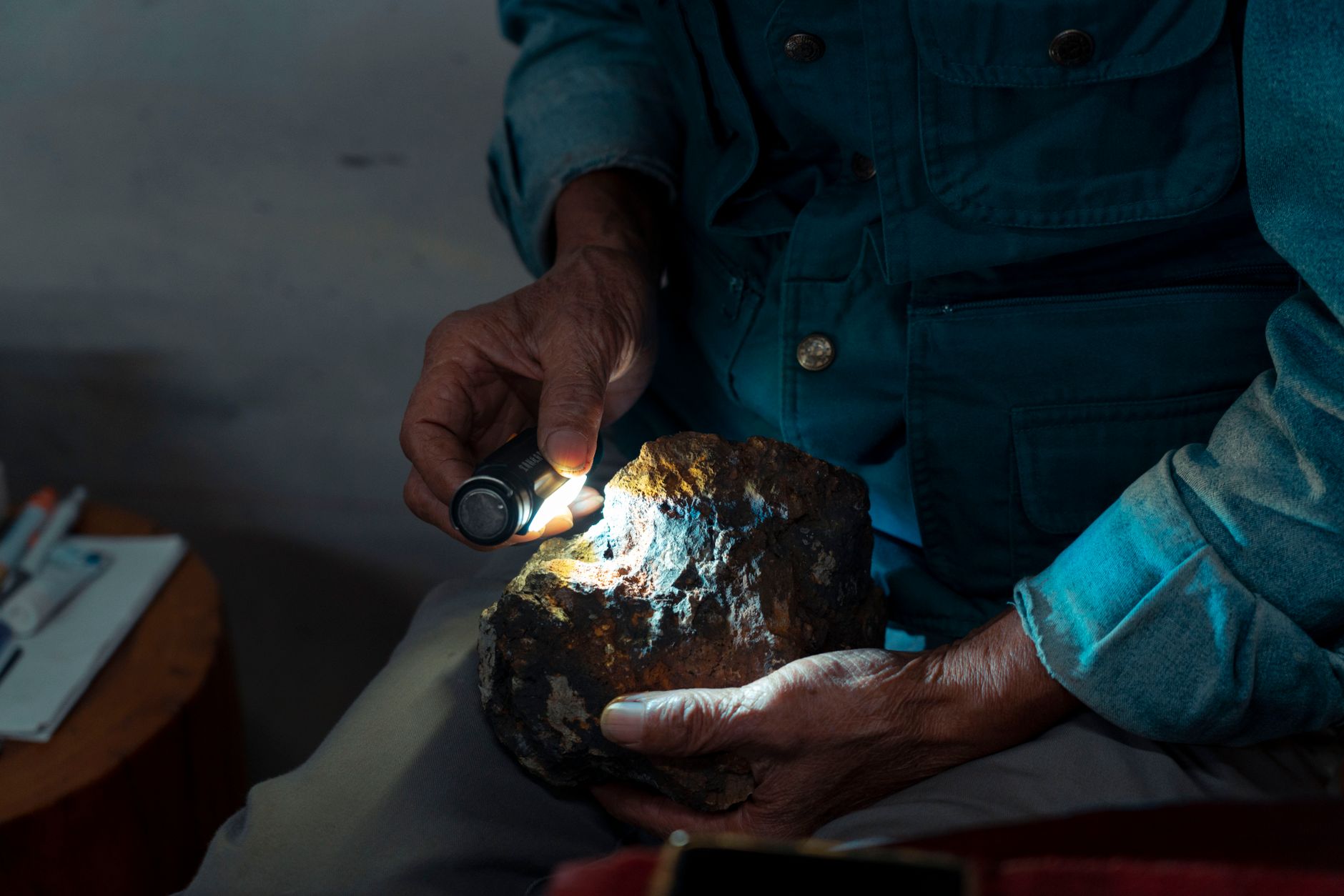
Hold the stone up to the sun or place a bright flashlight against one side. Agate and chalcedony usually glow along thin edges. The light passes through the microcrystalline quartz. In a solid agate, the outer rind may block the light at first. Shift the stone until you find a thin edge, chip, or broken face. If that edge lights up like frozen honey or thin glass, you have a strong sign.
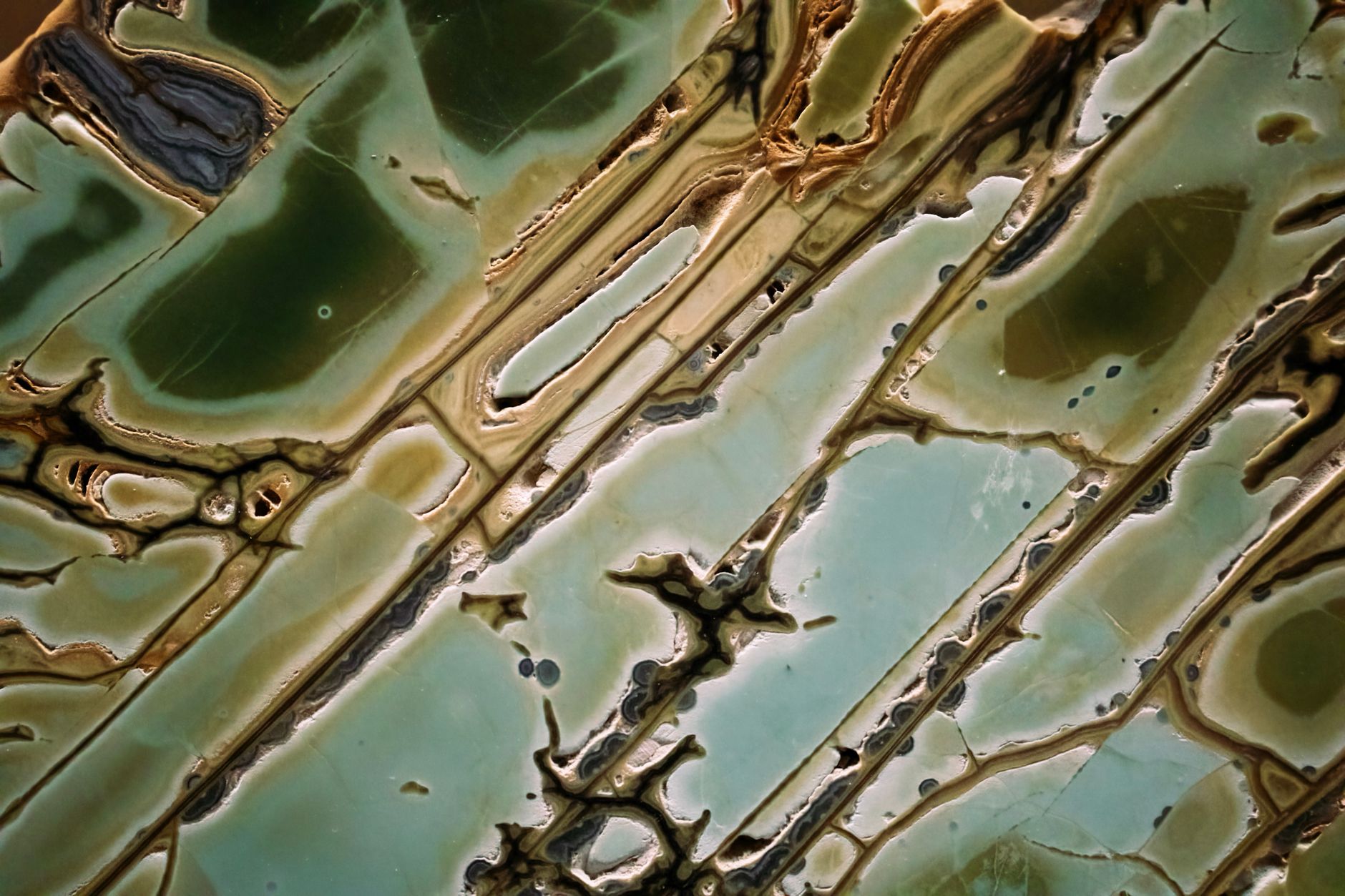
Banding is the classic agate identifier. Tilt the stone while it is backlit. Look for curved, wavy, or fortification lines just under the surface. Some bands are sharp and colorful. Others are faint gray or white. Iron oxide creates red, orange, and yellow bands. Manganese can add black or brown. Copper and other trace elements may add blue or green. If you see repeating curved layers, you are almost certainly looking at an agate.
Many agates hide their banding on the outside. A rough rind can cover a stunning interior. Do not discard a stone just because the surface looks plain. The backlight test helps you see through thin areas. It also reveals moss-like inclusions, plumes, or tube formations inside the stone. Some collectors call these included agates. They can be just as valuable as classic banded specimens.
Use a good light source and a steady hand. A small, bright LED flashlight works well. If you have a best magnifying loupe for rockhounds, combine it with backlighting. Magnification plus transmitted light reveals tiny band spacing and helps you separate waterline bands from mineral staining.
- Read the outer rind and nodule shape
Agates often form inside spherical or lumpy cavities. In the field, this means they appear as rounded nodules, almond-shaped seams, or irregular blobs. The outer surface, called a rind, may be bumpy, pocked, or rusty. It often has a cream, gray, or brown color. The rind is the original contact zone where agate met the host rock. That skin can be thick and dull, hiding the beauty inside.
Look for the shape of the whole stone before you break it. A well-formed agate nodule may look like a small potato or a smooth egg. Some agates are flat and elongated. These formed in horizontal cracks and may show waterline banding when cut. If you are in basalt country, scan the ground for rounded shapes that seem out of place among the sharp, angular host rock. Rounded quartz family stones are often agate or chalcedony.
Do not confuse the rind with ordinary weathering. Many basalt rocks have a similar brown crust. The difference is often in the interior. If a small chip or fracture shows a waxy, translucent edge under that crust, pick the stone up. If the surface is smooth and banded beneath the rind, you have a strong candidate. Some collectors gently tap the rind with a rock hammer to expose a fresh window, but only if local rules allow.
When you get your finds home, proper cleaning can reveal banding that was hidden by dirt or iron staining. See our guide to how to clean rocks and minerals for safe methods. But in the field, focus on shape, rind texture, and any small broken windows into the stone.
- Wet the stone and check streak and color
Water is a rockhound’s best friend in the field. A dry agate often looks flat and milky. Wetting the surface fills tiny pores and makes the colors deepen. Carry a small spray bottle or use water from a stream. Spray the stone and watch what happens. Bands that were invisible may appear as faint stripes or concentric rings. A candid agate often shows its pattern only when wet.
Do not rely on color alone. Many people mistake red jasper, yellow chert, or green slag for agate. The streak test can help. Use a streak plate, which is unglazed porcelain with a hardness around 6.5. Agate will leave little to no colored streak. Some specimens leave a white mark, but often the stone is harder than the plate and may scratch it instead. If the stone leaves a strong colored streak, like red or brown, think jasper or ironstone. Agate tends to keep its color inside the stone rather than shedding it onto the plate.
Your field gear makes this step easier. A small spray bottle, a hand lens, and a reliable rock hammer are basic tools. The hammer helps you expose a fresh surface for testing. If you need a dependable option, a classic 22-ounce rock pick is a common choice. You can check the rock hammer on Amazon for a good field pick.
One common mistake is testing a wet stone under direct sun and then deciding. The sun can dry the surface quickly. Move into shade or keep spraying. Compare the wet stone with the dry stone in the same light. If a pattern appears only when wet, that is still a good sign. But dry banding is even more reliable.
- Confirm fracture and match the locality context
Agate breaks with a conchoidal fracture. This means the broken surface curves like the inside of a thick glass bottle. It often shows a series of shallow rings or ripple marks. If the stone has a sharp, shell-like break with a waxy luster, it is in the quartz family. Chert and flint also show conchoidal fracture, so combine this with banding and translucency. But a granular or sugary break rules out agate.
Locality context is one of the most underrated field clues. Agates are not evenly distributed. They occur in specific volcanic and sedimentary settings. Well-known agate regions include the Lake Superior shoreline, Oregon beaches, Montana gravels, and Arizona desert washes. If you are walking a basalt flow or a known agate-bearing gravel bar, a waxy translucent stone is far more likely to be agate. If you are in a limestone quarry with no volcanic history, that same stone may be chert.
Use geological maps and locality data. The U.S. Geological Survey provides geological maps that show volcanic rocks and alluvium. You can also search Mindat for nearby agate occurrences. For example, Oregon’s central and coastal regions produce carnelian, moss agate, and sagenitic agate. Our guide to rockhounding in Oregon lists several public collecting areas. Always verify access before you swing a hammer.
Once a stone passes hardness, luster, translucency, wet color, and fracture, you can be confident it is an agate or a closely related chalcedony. Some may still be plain chalcedony without visible banding. Keep them anyway. They are beautiful lapidary material. With practice, these six signs become a fast mental checklist.
Red Flags & Warnings
- 🚨 Do not trust color alone. Red jasper, yellow chert, common chalcedony, and even slag glass can mimic agate colors. Always combine color with luster, hardness, and translucency.
- 🚨 Respect land ownership and collecting rules. Many agate locations are on BLM or private land. Digging, taking large amounts, or selling finds may break local laws. Verify current rules before you remove material.
- 🚨 A hardness or hammer test can ruin a good specimen. Scratch only an inconspicuous spot. If you break a nodule, you may turn a display piece into gravel. Some collectors wait to cut specimens at home.
- 🚨 Wet testing can mislead. Water makes many rocks look more colorful and banded. Dry the stone completely and recheck it before deciding.
- 🚨 Beware of clear quartz and slag glass. Both can scratch glass and have conchoidal fracture. Quartz crystal faces and glass bubbles are telltale differences.
- 🚨 Do not collect potentially hazardous material. Rare agate-like rocks can contain arsenic or other metals. Wash your hands after handling field specimens.
Frequently Asked Questions
What is the fastest way to tell an agate from a regular rock?
Look for a waxy or satin luster first. Then test hardness. Agate will scratch glass and resist a steel knife. If a thin edge glows when backlit, it is likely agate or chalcedony.
Can agates be found without visible banding?
Yes. Many agates have a rough rind that hides banding. Some are moss agates, plume agates, or tube agates with inclusions instead of clear banding. Wetting and backlighting help reveal pattern.
Is a plain chalcedony nodule still collectible?
Yes. Chalcedony is hard, attractive, and takes a fine polish. It may be cut into cabochons or tumbled. The term agate is usually saved for banded chalcedony, but plain material still has lapidary value.
What is the streak of agate?
Agate usually has no streak or a white streak. Because its hardness is about 6.5 to 7, it may scratch a streak plate instead of leaving a strong colored mark. A strong red or brown streak suggests jasper or ironstone.
Do I need a permit to collect agates on public land?
It depends. Many BLM and national forest lands allow casual collecting of small amounts for personal use. Some areas close digging or require permits. Always check current rules with the local field office before collecting.
What tools should I carry for agate identification?
A 10x triplet loupe, a small spray bottle, a steel knife or glass shard, a streak plate, and a rock hammer. A bright LED flashlight helps with backlighting. A GPS or phone map is useful for recording localities.
What Should You Remember?
- Waxy luster: Agates often look like candle wax or plastic, not glass.
- Hardness 6.5 to 7: Agate scratches glass and resists a steel knife blade.
- Translucent edges: Thin edges glow under sunlight or flashlight.
- Banding: Look for curved fortification lines, especially when the stone is wet.
- Rind and shape: Rounded nodules and pitted rinds in volcanic rock are strong hints.
- Conchoidal fracture: A shell-like break supports the quartz family identification.
- Locality context: Known agate-bearing regions make your find much more likely.
This article is for general information only. Rockhounding and collecting carry land-access, safety, and legal obligations , always verify claim status, land ownership, and collecting rules before removing material, and get landowner or land-agency permission where required. Field collecting involves physical hazards; use proper safety gear and never enter mines or unstable terrain.