Most rockhounds start with rocks, then wonder about glass. Glass tumbles faster than quartz because it is softer. On the Mohs hardness scale guide, common soda-lime glass sits at 5.5 while quartz sits at 7. That gap changes everything. Grit that barely scratches quartz will eat glass quickly. Shorter cycles and lighter grit loads produce better results. If you have never tumbled anything before, read our rock tumbling step-by-step guide first. It explains the basic four-stage process from coarse grind to polish.
Glass is not a mineral. It lacks a crystalline structure. But natural volcanic glass, called obsidian, behaves much like tumbling glass and rates 5 to 5.5 on Mohs. Mindat.org lists obsidian and quartz as useful reference points for hardness and fracture. GIA describes how amorphous materials like glass break with conchoidal fracture. That sharp, curved break pattern is why glass edges cut so easily. Safety matters. Always use a dedicated tumbler barrel or clean it aggressively before tumbling rocks. Tiny glass slivers hide in cracks and can contaminate your next batch.
The right tumbler also matters. A rotary tumbler with a rubber barrel works best for glass. Vibratory tumblers can polish glass but they cut less and require different media. Our best rock tumblers 2026 guide compares machines that handle glass well. Beginners should start with a low-cost rotary unit like a hobby model. Then add a quality grit kit. The rock tumbling grit guide covers silicon carbide and aluminum oxide stages. For glass, you can often skip the coarsest 60/90 grit unless you want heavy shaping.
We compared five glass types for tumbling. Soda-lime container glass, borosilicate glass, stained glass, beach glass, and slag glass. Each reacts differently to grit, time, and media. Our picks are based on hardness, availability, safety, and final polish. We tested with a 3-pound rotary tumbler using standard grits. The results below will help you avoid cracked loads, gray slurry, and disappointing polish.
How Do the Top Options Compare?
| Glass Type | Best For | Mohs Hardness | Recommended Start Grit | Typical Cycle |
|---|---|---|---|---|
| Soda-lime container glass | Beginners | 5.5 | 120/220 silicon carbide | 4-6 days |
| Borosilicate glass | Durable shapes | 6.0 | 120/220 silicon carbide | 5-7 days |
| Stained/art glass | Color variety | 4.5-5.5 | 220 silicon carbide | 3-5 days |
| Beach glass | Natural frosted look | 5.5 | Polish only or 220 | 2-3 days |
| Slag glass | Large dramatic pieces | 5.0-6.0 | 60/90 silicon carbide | 6-9 days |
Hardness values are approximate because glass composition varies. Always run a test batch with small pieces. Collect beach glass and slag glass only where local rules allow. Check BLM before removing material from public land.
1. Soda-lime container glass , Best for Beginners
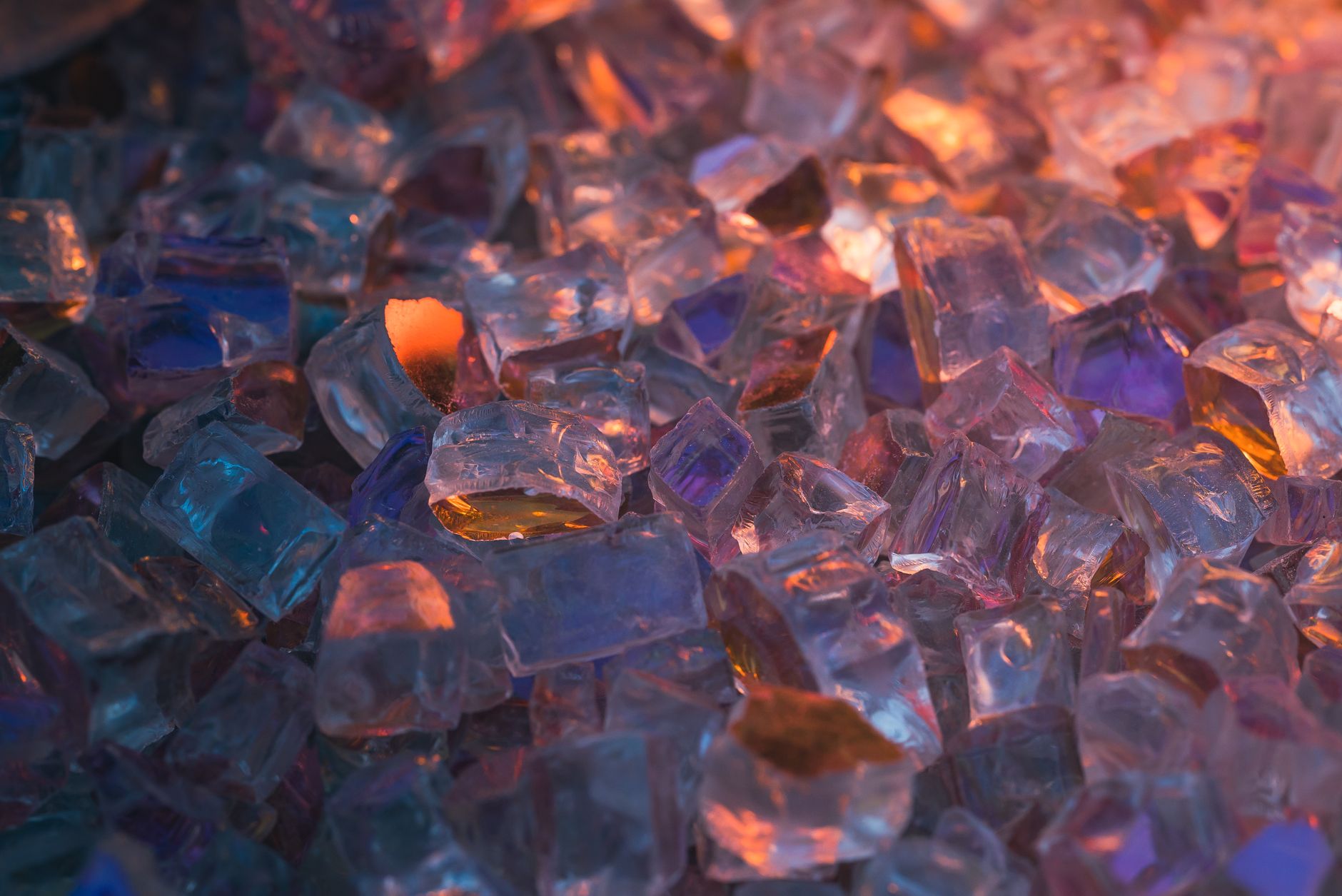
Soda-lime glass is the easiest material to learn on. It comes from bottles, jars, and window panes. You can find it free. The material rates 5.5 on the Mohs scale, so it shapes quickly. Start with 120/220 silicon carbide grit. Coarse 60/90 grit removes too much material and creates deep fractures. For your first load, fill the barrel about two-thirds full with broken glass. Add enough water to just cover the glass. Then add two tablespoons of grit per pound of material. Use a reliable grit chart to measure stages correctly.
A big advantage is forgiveness. If you over-tumble a batch, you lose some size but still get rounded shapes. The main downside is sharp edges before polishing. Always rinse the barrel outdoors and never pour slurry down a sink. Use ceramic media to cushion thin glass. A good kit for beginners is the Polly Plastics rock tumbler grit kit. Check the Polly Plastics grit kit on Amazon. It includes coarse, medium, pre-polish, and polish stages plus plastic pellets.
After shaping, run a fine 500 or 600 grit stage for two days. Then use aluminum oxide polish for two more days. Clean the barrel and glass between stages. Any leftover coarse grit will scratch the polish. Soda-lime glass can develop a bright shine if you burnish with shaved soap and water for a few hours.
Key strengths:
- ✅ Readily available from household recycling
- ✅ Soft enough to shape in a 4-6 day cycle
- ✅ Low cost and good for learning
- ✅ Takes a bright polish with standard aluminum oxide
- ❌ Thin bottle glass can fracture or chip
- ❌ Sharp fragments require careful cleaning
- ❌ Shorter working window means frequent checking
Who it’s for: Beginner tumblers who want free practice material before buying rough rock.
2. Borosilicate glass , Best for Durable Shapes
Borosilicate is the glass used in laboratory beakers and some bakeware. It contains boron oxide, which raises hardness to roughly 6 on the Mohs scale. That extra hardness gives you a longer working window. You can shape pieces for 5 to 7 days without losing fine detail. It also resists thermal shock, but that property rarely matters in a tumbler. The real benefit is fewer fractures. Thin borosilicate pieces survive rotary tumbling better than bottle glass.
Use the same grit sequence as soda-lime but add one extra day in the coarse stage. Start with 120/220 silicon carbide and check after four days. If the edges still look sharp, run two more days. Borosilicate can be harder to find as scrap. Laboratory supply shops sell broken beakers, or you can buy borosilicate rods online. A sturdy best rock tumbler for beginners handles the extra cycle length fine. I recommend the Lortone 3A for a 3-pound barrel. Check the Lortone 3A tumbler on Amazon.
Borosilicate does not take a high shine as easily as soda-lime glass. The harder surface needs an extra polish stage with cerium oxide. Cerium oxide works well on glass and leaves a bright finish. Run it for three days with plenty of water. If the slurry turns gray, that is normal. Rinse and burnish afterward.
Key strengths:
- ✅ Harder surface resists chipping
- ✅ You can run longer cycles without over-grinding
- ✅ Good for thicker sculpted pieces
- ✅ Cerium oxide yields a high gloss
- ❌ Scrap borosilicate is harder to find
- ❌ Needs an extra polish stage
- ❌ Cost per pound is higher than bottle glass
Who it’s for: Tumblers who want smoother, more durable finished pieces and can handle longer cycles.
3. Stained/art glass , Best for Color Variety
Stained glass scraps from a local studio give you the widest color range. The hardness varies from 4.5 to 5.5 depending on the colorants and metal oxides. Red and yellow glasses often contain cadmium or selenium and may be softer. Blue and green glasses usually contain copper or iron and behave like soda-lime glass. Test a small batch before committing a full barrel. Use only non-leaded stained glass for tumbling. Older stained glass may contain lead, and tumbling would release fine lead particles into the slurry.
Because stained glass is often thin and expensive, start with 220 silicon carbide grit. It removes material more gently. Run for 3 to 5 days, then check for rounded edges. Use lots of plastic pellets to cushion the thin sheets. Without media, the glass will break into small shards. A hobby rotary tumbler like the National Geographic Rock Tumbler works well. Check the National Geographic Rock Tumbler on Amazon. It is inexpensive and comes with a starter grit kit.
One complication is mixed hardness. Softer colors will grind away faster, leaving the harder colors as larger pieces. If you want uniform sizes, separate colors by hardness. Sort red and yellow from blue and green. Then run separate batches. The final polish can be brilliant, especially with transparent colored glass.
Key strengths:
- ✅ Stunning color variety for jewelry and mosaics
- ✅ Small scraps are easy to source from studios
- ✅ Short cycle times if you sort by hardness
- ✅ Transparent pieces catch light well
- ❌ Some colors contain toxic metals, never tumble leaded glass
- ❌ Mixed hardness causes uneven shaping
- ❌ Thin sheets need heavy cushioning media
Who it’s for: Crafters and jewelry makers who value color over uniform roundness.
4. Beach glass , Best for Natural Frosted Look
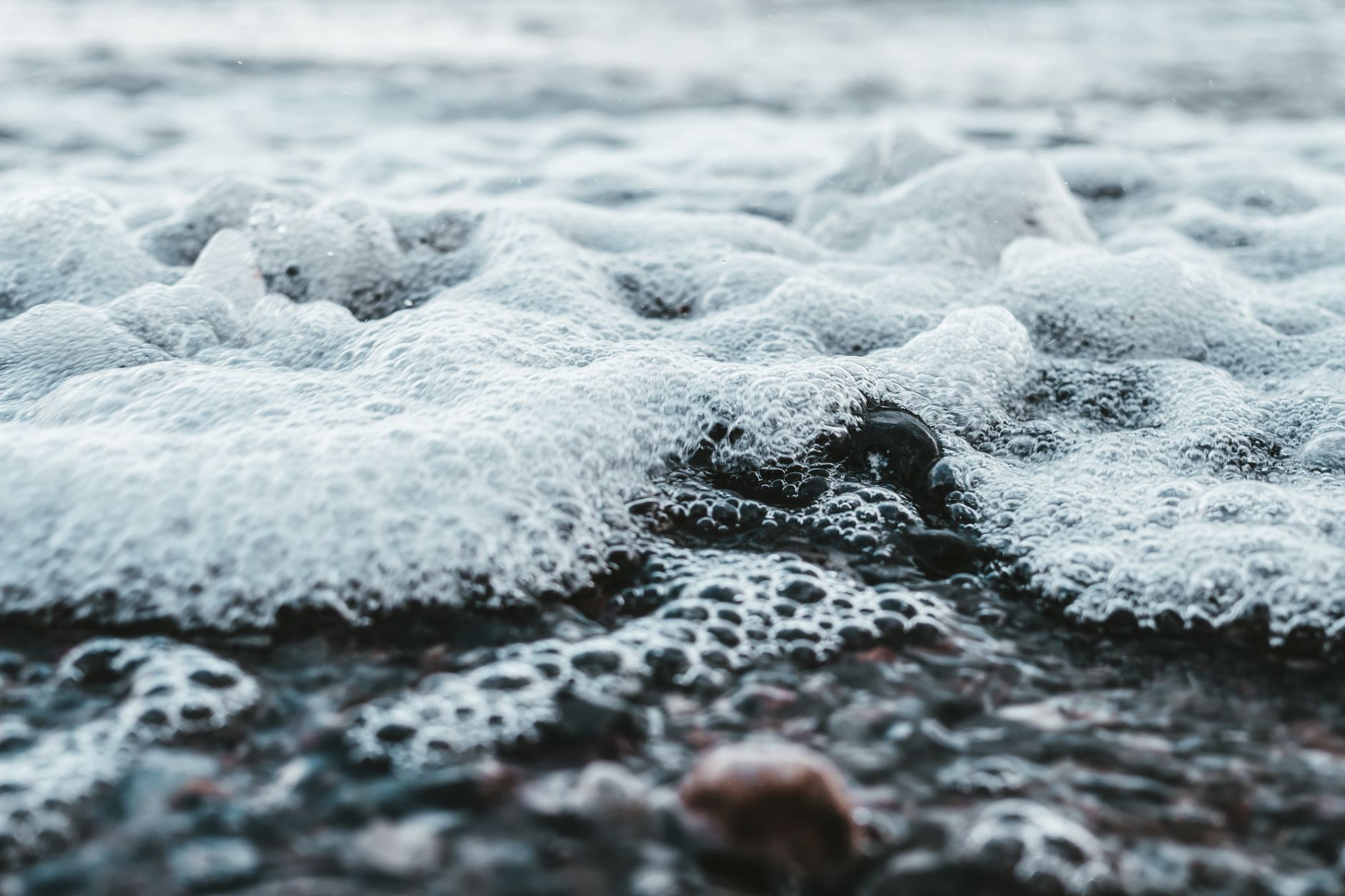
Beach glass is already tumbled by waves and sand. You can collect it from certain shorelines, but always check local rules first. The BLM manages some public beaches and restricts rock and glass collection in certain areas. Naturally weathered glass rates around 5.5 on Mohs, but it is already smooth. Your goal is usually to add a final polish or just clean it. Many collectors prefer the natural frosted look and should not tumble it at all. Tumbling removes the character that makes beach glass desirable.
If you want a polished beach glass pendant, use only a 220 grit or polish stage for 2 to 3 days. A full coarse cycle would destroy the soft outer layer. Start with a simple wash in soapy water. Then tumble with aluminum oxide polish and plastic pellets. Check every 12 hours. The color will brighten, and the surface will become slightly glossier. For more on how natural abrasion works, see best rocks to tumble for ideas on wave-tumbled stones.
Beach glass batches often contain mixed glass types and unknown composition. Some pieces may be old lead crystal or UV-reactive glass. Handle them the same way you would stained glass. Do not tumble questionable pieces indoors without ventilation. The slurry can contain fine particles you do not want to breathe.
Key strengths:
- ✅ Already smooth, so polishing takes days not weeks
- ✅ Natural frosted texture is beautiful
- ✅ Great for jewelry without heavy grinding
- ✅ Often free if collected legally
- ❌ Tumbling can ruin the natural frost
- ❌ Unknown glass composition means variable hardness
- ❌ Collecting rules vary by beach
Who it’s for: Collectors who want polished sea glass without starting from sharp shards.
5. Slag glass , Best for Large Dramatic Pieces
Slag glass is an industrial byproduct, often from smelting or glassmaking. It can be opaque, swirled, or brightly colored. Some pieces contain air bubbles and mineral inclusions. Hardness varies from 5 to 6. Slag glass is usually thick and heavy, so it can handle coarse grit well. Start with 60/90 silicon carbide to remove rough edges. Run for 6 to 9 days. Check the barrel every two days because large pieces can bruise smaller ones. Add extra ceramic media to fill gaps.
Slag glass often comes from places like old iron furnaces or glass factories. You can find it for sale from lapidary shops or at rock shows. Some collectors call certain types ‘glass slag’ or ‘cullet glass.’ The mineral collecting field guide offers tips for sourcing lapidary material safely. Because slag glass is already thick, it can take a beating. But it may contain sharp internal fractures. Those fractures can cause pieces to split during tumbling.
For a final polish, use aluminum oxide after a fine 500 grit stage. Slag glass with visible swirls and inclusions looks best when polished to a soft sheen rather than a mirror gloss. A high gloss can highlight internal cracks. Run the polish stage for only two days. Then burnish with borax or soap to remove any leftover polish.
Key strengths:
- ✅ Thick pieces survive long coarse cycles
- ✅ Unique swirled and opaque patterns
- ✅ Good for larger statement pieces
- ✅ Often inexpensive from lapidary suppliers
- ❌ Internal fractures can cause unexpected breakage
- ❌ Hardness varies between pieces
- ❌ May contain industrial contaminants, handle with care
Who it’s for: Lapidary hobbyists who want bold, oversized tumbled glass pieces and can handle longer shaping cycles.
Frequently Asked Questions
Can I tumble glass and rocks together?
No. Glass is softer than most tumbling rocks. Rocks will shatter the glass or grind it into sharp shards. Keep a separate barrel for glass or clean the barrel thoroughly between batches.
How long does it take to tumble glass?
Most glass takes 4 to 7 days total across three stages. Beach glass may only need 2 to 3 days of polishing. Check frequently because glass grinds faster than quartz.
What grit should I use for tumbling glass?
Start with 120/220 silicon carbide for shaping. Then run 500 or 600 grit. Finish with aluminum oxide or cerium oxide polish. Avoid 60/90 grit except for thick slag glass.
Can I make sea glass in a rock tumbler?
Yes. Tumbled glass looks similar to natural sea glass but has more uniform rounding. Many collectors prefer the unpredictable frost of ocean-tumbled glass. A short coarse cycle followed by polish gives a close match.
Is borosilicate glass safe to tumble?
Borosilicate is safe if it is not contaminated with lab chemicals. Only tumble clean, unused borosilicate scrap. The glass is harder than soda-lime and needs an extra polish stage for a gloss.
Do I need a special tumbler for glass?
A standard rotary rock tumbler with a rubber barrel works well. Vibratory tumblers can polish glass but are less aggressive for shaping. Use a model with a 3-pound capacity or larger for best results.
What Should You Remember?
- Mohs 5.5: Glass is softer than quartz, so it grinds faster and needs shorter cycles.
- Dedicated barrel: Use a separate tumbler barrel to avoid glass shards in rock batches.
- Grit order: Start with 120/220 silicon carbide for most glass, not 60/90.
- Cushioning media: Add ceramic media or plastic pellets to reduce breakage.
- Shorter cycles: Check glass every 12 to 24 hours during coarse grinding.
- Legal first: Confirm collection rules for beach and industrial glass before taking material.
This article is for general information only. Rockhounding and collecting carry land-access, safety, and legal obligations , always verify claim status, land ownership, and collecting rules before removing material, and get landowner or land-agency permission where required. Field collecting involves physical hazards; use proper safety gear and never enter mines or unstable terrain.