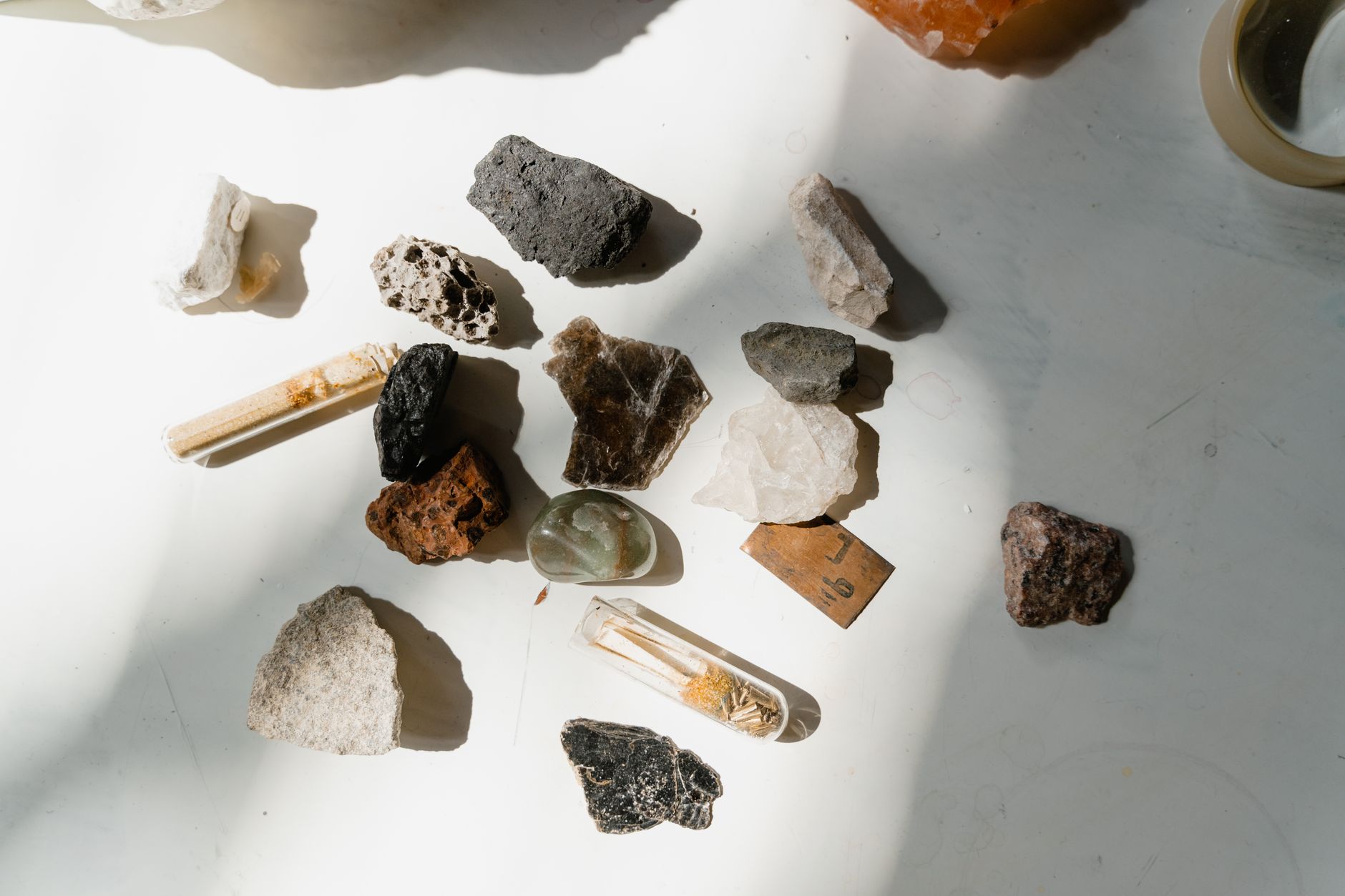
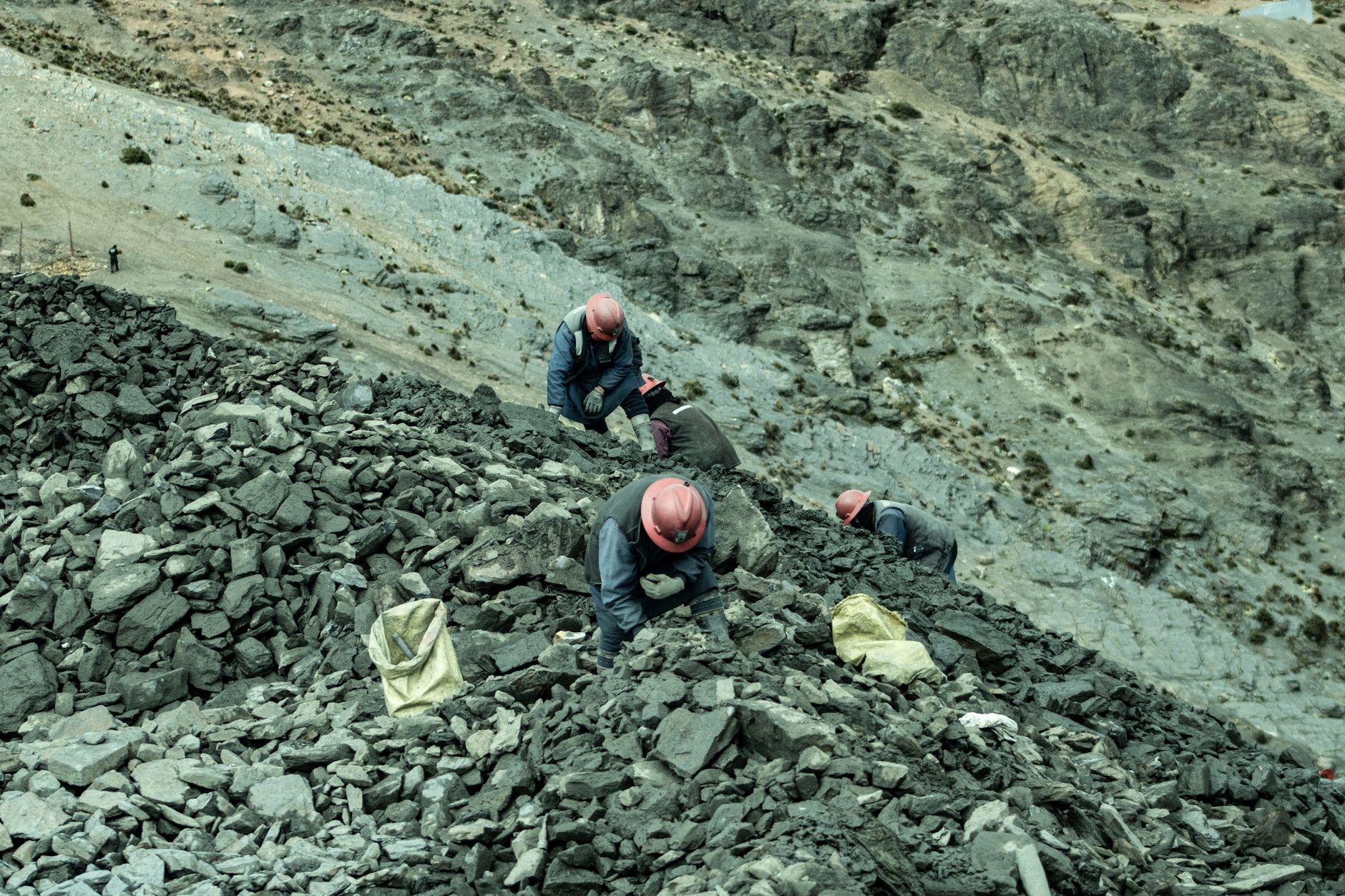
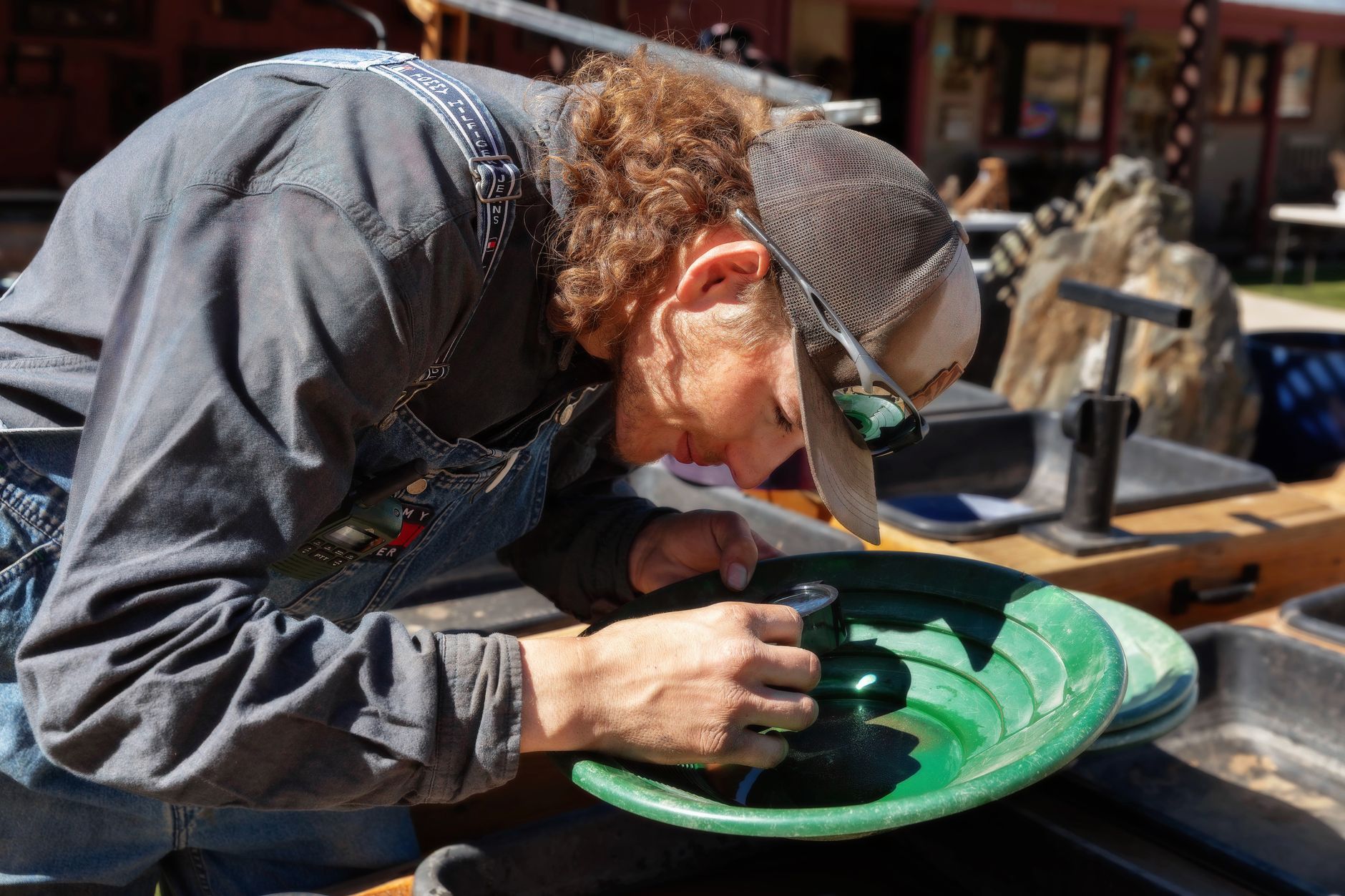
Detailed texture of a rugged rock surface with unique patterns and colors.

Best Beginner Rockhounding Sites in North America

⚡ Quick Answer: The best beginner rockhounding sites in North America are publicly accessible and productive without special permits: Crater of Diamonds State Park (AR) for diamonds, Glass Buttes (OR) for obsidian, Lake Superior shoreline for agates, and BLM thunderegg beds in central Oregon. Start with a site that guarantees finds to build skills and confidence. The best part of rockhounding isn’t buying polished stones online - it’s finding them yourself. There’s a primal satisfaction to cracking open a geode in a field, spotting a vein of agate in a creek bed, or pulling a crystal out of clay matrix with your own hands. And the good news is: you don’t need to own a mine or know a secret spot. North America is packed with publicly accessible collecting sites. ...

May 17, 2026 · 9 min · RockhoundGuide
Captivating sandstone rock formations showcasing natural erosion. Ideal for geological interests.

Best Places to Find Gemstones in Canada

Quick Answer: Canada offers diverse gemstone hunting experiences. British Columbia is renowned for jade and garnets, Quebec for sodalite and rare minerals, Nova Scotia’s Bay of Fundy for agates and zeolites, and Ontario for amethyst and tourmaline. Diamond prospecting also occurs in the far North. Canada, a land of vast wilderness and ancient geology, holds a remarkable secret beneath its rugged surface: a treasure trove of gemstones waiting to be discovered. From the Pacific coast to the Atlantic shores, and stretching up into the Arctic Circle, rockhounds can unearth everything from Canada’s iconic jade to sparkling amethysts, fiery garnets, and even diamonds. ...

May 17, 2026 · 12 min · RockhoundGuide
Explore the dramatic geological formations of a rocky landscape under a serene sky.

Best Rock Tumbler for Beginners in 2026 (Reviewed and Ranked)

⚡ Quick Answer: The National Geographic Hobby Rock Tumbler Kit is the best starting point for complete beginners — it includes rocks, grit, and polish so you can run your first batch immediately. Once you’re hooked, upgrade to a Lortone 3A for durable long-term use. Don’t spend more than $80 on your first machine. Most people buy their first rock tumbler one of two ways: they pick up a random kit at a craft store and end up frustrated, or they spend $200+ on something too advanced and still end up frustrated. Neither one is the right call for a first-timer. ...

May 17, 2026 · 9 min · RockhoundGuide
Flat lay of various gemstones on a white surface, showcasing color and texture.

Best Rockhounding Gear 2026: Complete Equipment Guide

Quick Answer The minimum viable rockhounding kit: a geological rock hammer, safety glasses, a 10x triplet loupe, and a collecting bag. Everything else — chisels, hardness picks, UV lights, backpacks — adds capability. Start with the minimum, add gear as you understand what you’re missing. Total cost for a solid starter kit: $140–180. Most gear lists for rockhounding are just bullet points with no context about why each item matters, which version to buy, or when you actually need it. This guide is organized by function — what you’re trying to do in the field, and what gear serves that purpose. It links out to specialist buying guides for categories where the details matter most. ...

May 17, 2026 · 9 min · RockhoundGuide
Close-up of bright green crystals on a textured mineral surface, showcasing natural beauty.

Gemstone Identification Guide: Minerals & Crystals

⚡ Quick Answer: Identify gemstones and minerals by testing seven key properties: color, streak, luster, hardness (Mohs scale), cleavage, specific gravity, and crystal form. A 10x loupe and a basic hardness kit are all you need to identify most common field finds. Identifying gemstones and minerals is both an art and a science. Whether you’ve found an interesting stone in the field or inherited a collection, proper identification is the first step toward understanding its value and significance. ...

May 17, 2026 · 6 min · RockhoundGuide
Three hikers sitting along a scenic trail in Montana with lush forests and rocky cliffs in view.

How to Clean Rocks and Minerals: The Complete Rockhound's Guide

Properly cleaned specimens reveal colour, crystal form, and lustre that field-dirty rocks hide entirely. Photo: Unsplash ⚡ Quick Answer: Start with a 24–48 hour water soak — it’s safe for most specimens and removes the most dirt. For iron staining, use oxalic acid outdoors with gloves. For calcite coatings, dilute muriatic acid works (serious safety precautions apply). Never wet pyrite — dry brush only. Never use acid on calcite, fluorite, selenite, or halite. When in doubt, identify your mineral before applying any chemical. ...

May 17, 2026 · 17 min · RockhoundGuide
Close-up of vibrant semi-precious stones arranged inside a wine glass.

How to Cut Rocks with a Tile Saw: Budget Lapidary for Beginners

⚡ Quick Answer: You can effectively cut most rocks for lapidary with a standard wet tile saw by replacing the masonry blade with a continuous rim diamond blade specifically designed for hard materials. This budget-friendly approach allows rockhounds to slice geodes, agates, and petrified wood, transforming rough specimens into pieces ready for tumbling or polishing. Always prioritize safety with proper PPE and a constant water flow. The journey from a rough rock to a polished gem often begins with a precise cut. For many aspiring lapidaries, the high cost of specialized rock saws can be a significant barrier. But what if you could achieve excellent results with a tool readily available at any hardware store? ...

May 17, 2026 · 14 min · RockhoundGuide
Black and white photograph of Königstein's striking sandstone formations in Sachsen, Germany.

How to Identify Agates in the Field: 6 Signs You've Found...

Quick Answer Hold the rock up to sunlight or a flashlight. If light passes through — even faintly — you may have an agate. True agates are translucent microcrystalline quartz, often banded, with a waxy to glassy surface and a Mohs hardness of 6.5–7. Opaque rocks with similar appearance are most likely chert, flint, or jasper. Agates are among the most widely collected stones in North America — and among the most commonly misidentified. Chert, flint, and jasper all look similar on the surface. Knowing the difference comes down to a few reliable field tests. ...

May 17, 2026 · 5 min · RockhoundGuide
Detailed view of unique basalt rock formations in Vik, Iceland, showcasing natural texture and pattern.

How to Identify Fool's Gold vs Real Gold

Quick Answer: To tell fool’s gold (pyrite) from real gold, check its streak: pyrite leaves a greenish-black streak, real gold a yellow one. Pyrite is brittle and will shatter, while real gold is soft and malleable and will dent. Real gold is also much heavier than pyrite for its size. For centuries, the shimmering allure of gold has driven prospectors to remote rivers and deep mines. Yet, many have been fooled by a common mineral that mimics gold’s appearance: pyrite, famously known as “fool’s gold.” Disappointment quickly follows the discovery that a glistening nugget is merely iron sulfide. ...

May 17, 2026 · 13 min · RockhoundGuide
Detailed macro shot of a clear quartz crystal cluster showcasing natural mineral beauty.

How to Identify Rocks & Minerals in the Field: A Beginner's Guide

⚡ Quick Answer: Identifying rocks and minerals in the field involves examining key physical properties like hardness, streak, luster, and crystal habit, often using simple tools such as a hand lens, a steel nail for hardness tests, and an unglazed porcelain streak plate. Starting with common rocks and minerals helps build experience, while ethical collection ensures preservation of sites. There’s a unique thrill that comes from discovering a beautiful crystal or an unusual rock formation in its natural environment. But once you’ve found it, how do you know what it is? For the budding rockhound, mineral collector, or even just the curious hiker, learning to identify rocks and minerals in the field is a fundamental skill. This guide will equip you with the knowledge and tools to confidently make identifications, transforming random finds into exciting discoveries. We’ll cover everything from essential gear to crucial physical properties and common rock types. ...

May 17, 2026 · 13 min · RockhoundGuide
A dramatic black and white view of rugged mountain peaks with intricate rock formations under a clear sky.

How to Pan for Gold: A Beginner's Complete Guide to Gold Panning

Glacial river valleys like this one are where gold concentrates in Canada’s wilderness. Photo: Unsplash ⚡ Quick Answer: To pan for gold, scoop streambed gravel into a gold pan, submerge in water and shake vigorously to sink heavy gold to the bottom, then tilt and wash out lighter material over the rim. Swirl the final black sand to reveal gold flakes trailing at the rear. Key spots in Canada: Klondike River (Yukon), Fraser River (BC), Larder Lake (Ontario). Ontario rule: hand panning on unpatented Crown land is free and legal — just check for active mining claims first. ...

May 17, 2026 · 16 min · RockhoundGuide
Detailed view of mineral rock showcasing unique texture and formations.

Mineral Collecting Field Guide: Where & How to Find Gemstones

⚡ Quick Answer: Find minerals by reading the geology — look for contact zones, fault lines, and areas where different rock types meet. Roadcuts, streambeds, and mine tailings concentrate minerals at the surface. Always check land access rules before collecting; most public BLM land allows reasonable collection. Field collecting is the heart of rockhounding. There’s nothing like finding a crystal in situ — seeing it emerge from the matrix exactly where nature placed it millions of years ago. This guide covers the practical skills of field collecting: reading geology, identifying promising spots, extracting specimens safely, and documenting your finds. ...

May 17, 2026 · 4 min · RockhoundGuide
Close-up of vibrant blue and orange mineral showcasing natural texture and color contrasts.

Rock Tumbling Grit Guide 2026: Which Grits, How Much, and...

Quick Answer The standard 4-stage grit sequence is: 60/90 coarse → 150/220 medium → 500 pre-polish → Cerium Oxide polish. Each stage runs 7–10 days. Clean everything between stages — one grain of coarse grit in your polish stage will scratch the entire batch. Use ~2 tablespoons of grit per pound of rock. The grit is where most beginners go wrong. They buy a tumbler, find some rocks, and then guess at grit amounts or skip stages because the process seems slow. The result: dull, scratched stones after 4 weeks of running. ...

May 17, 2026 · 6 min · RockhoundGuide
Vivid close-up of a round diamond paired with a stunning blue gemstone, showcasing brilliance.

Rock Tumbling Step-by-Step: Complete 4-Stage Process Explained

⚡ Quick Answer: Rock tumbling takes 4–6 weeks across four stages: coarse grinding (shaping), medium grinding (smoothing), pre-polish (refining), and polish (final gloss). Load the barrel 2/3 full, use the correct grit sequence, run each stage 7–10 days, and clean thoroughly between stages. Patience and clean equipment are the two most important factors. Rock tumbling transforms rough, dull stones into polished gems through a patient, multi-stage process. While it seems simple — put rocks in a barrel with grit and let it spin — mastering each stage is what separates amateur results from professional-quality polished stones. ...

May 17, 2026 · 5 min · RockhoundGuide
Close-up view of various stones in a white cotton bag on a brown surface.

Rockhounding in Ontario: Where to Find Gems, Minerals & Fossils

Ontario’s Canadian Shield is one of the world’s most mineral-rich geological terranes — and most of it is accessible to collectors. Photo: Unsplash ⚡ Quick Answer: Ontario is one of the best rockhounding destinations in North America. The Bancroft area (the “Mineral Capital of Canada”) offers sodalite, apatite, and uranium minerals. Lake Superior shores yield agates and thomsonite. The Niagara Escarpment is packed with Ordovician fossils. Surface collecting on unpatented Crown land is generally legal without a licence — just check for active mining claims via MLAS before you go. Best seasons: spring (creek beds) and fall (low lake-shore water levels). ...

May 17, 2026 · 20 min · RockhoundGuide
Aerial view of red sandstone formations with unique eroded patterns and water pools.

The Mohs Hardness Scale: Your Essential Mineral Identific...

For any rockhound, understanding mineral hardness is one of the most fundamental skills for identifying specimens in the field or at home. Without expensive lab equipment, the Mohs Hardness Scale provides a simple, yet highly effective, method for differentiating one mineral from another: the scratch test. Developed by German mineralogist Friedrich Mohs in 1812, this scale ranks minerals by their resistance to scratching. It’s a qualitative scale, meaning it tells us which mineral is harder or softer relative to another, rather than providing a precise numerical measurement of absolute hardness. Despite its simplicity, it remains an indispensable tool for geologists, jewelers, and hobbyist rockhounds worldwide. ...

May 17, 2026 · 7 min · RockhoundGuide
Breathtaking view of volcanic rock formations under a golden sunset in Tenerife, Spain.

Where to Find Fossils Near Me: A State-by-State Guide

⚡ Quick Answer: The best US fossil hunting states are Montana, Wyoming, Colorado, South Dakota, Texas, and Kansas. BLM land in the western states allows casual collection of common fossils without a permit. For east coast collectors: Maryland, Virginia, and North Carolina have productive marine fossil sites. Always verify land access rules before you go — National Parks prohibit all collecting. Fossil hunting is one of the most accessible forms of rockhounding. Unlike gemstone collecting, which often requires specialized gear and mining claims, surface fossil hunting is largely a matter of knowing the right formations, respecting access rules, and training your eyes. Millions of fossils erode out of sedimentary rock every year. Most go unnoticed. ...

May 17, 2026 · 11 min · RockhoundGuide