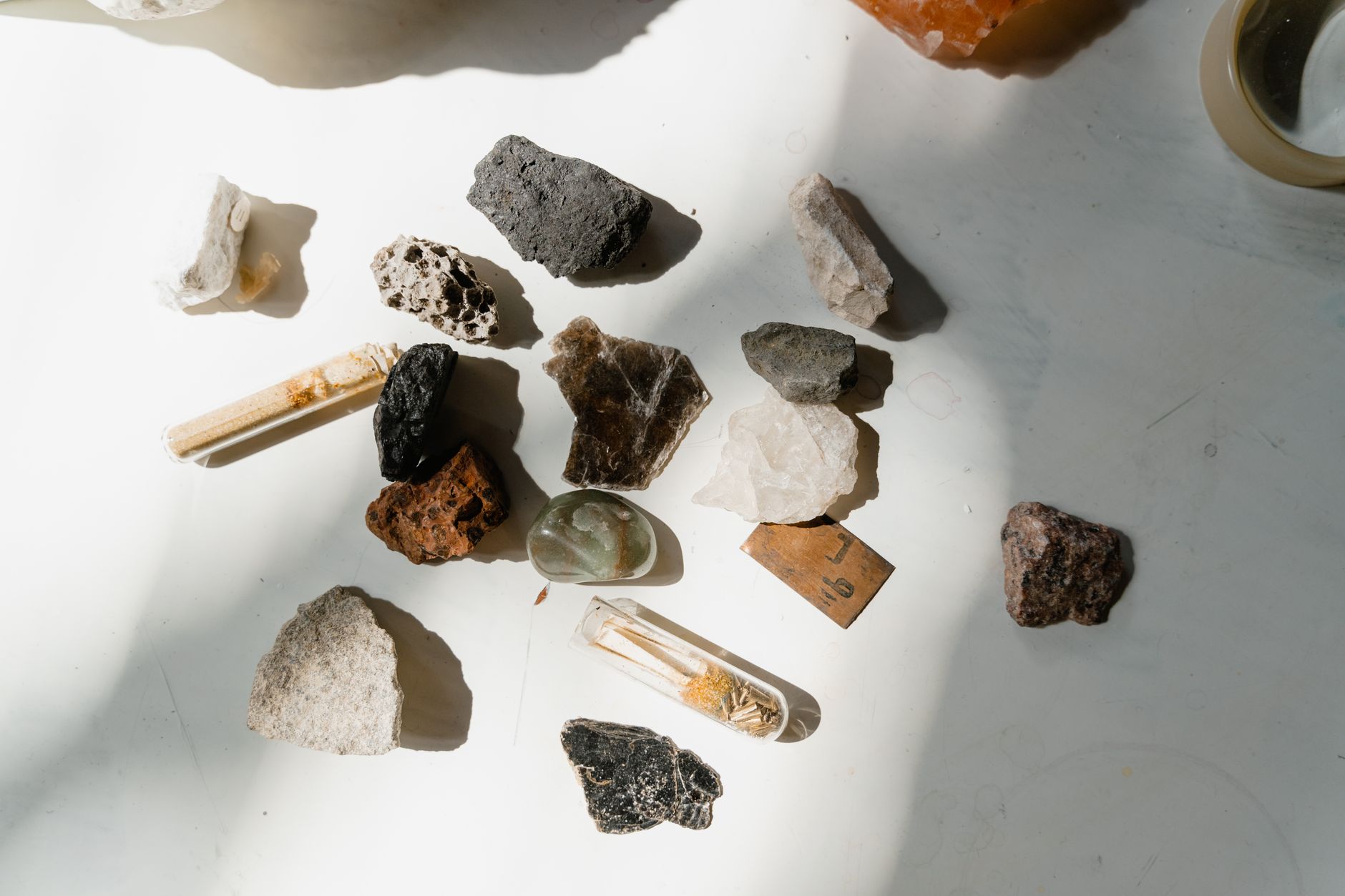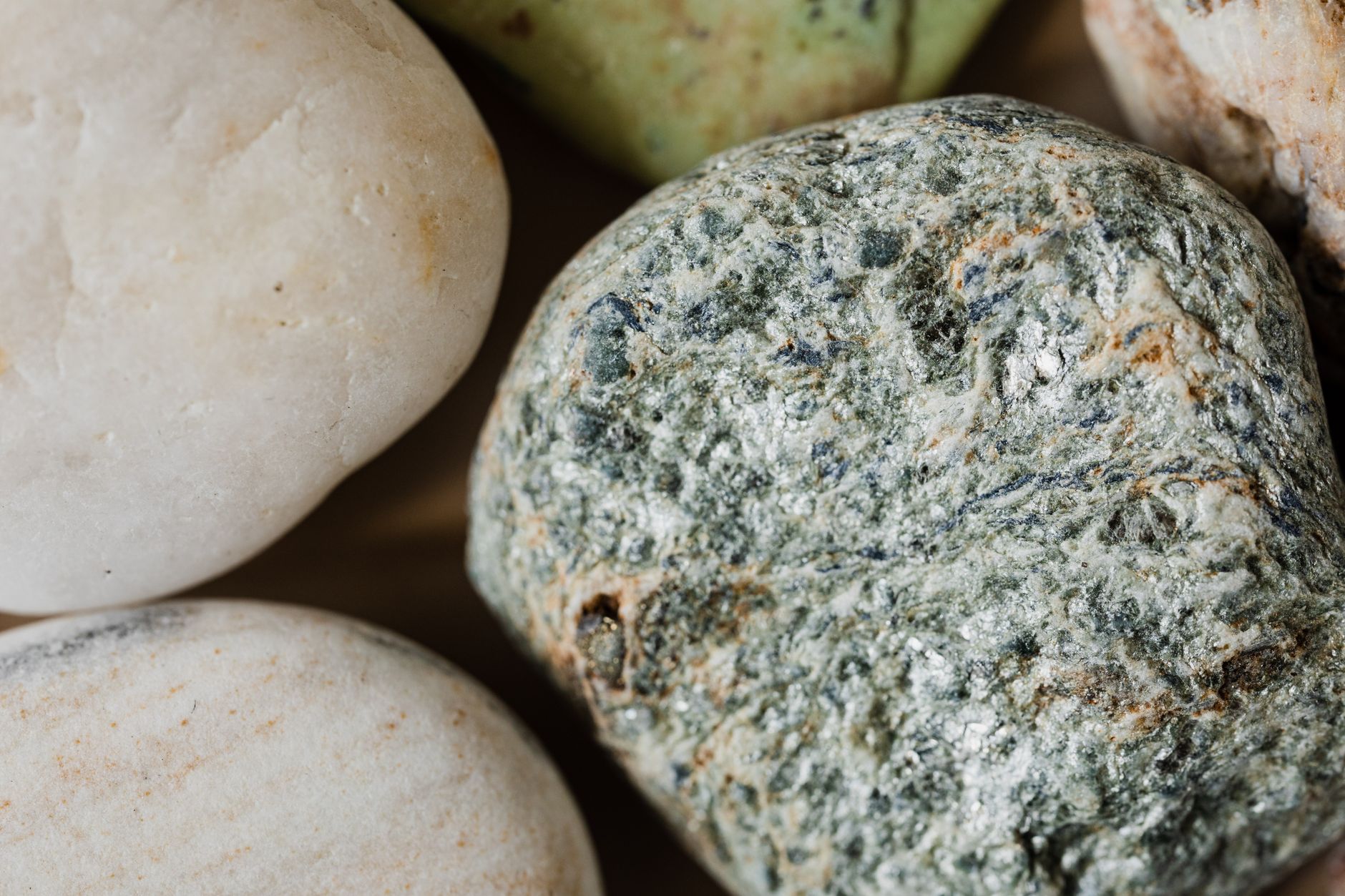
Rock tumbling is one of the most satisfying ways to turn rough field finds into polished gems. In 2026, the best rock tumblers handle everything from soft calcite (Mohs hardness 3) to hard agate and jasper (Mohs hardness 7) with less noise and better seals than older models. Before you spend money, understand that not every tumbler can handle every rock. A cheap plastic barrel might fail on quartz-heavy material from a place like rockhounding in Arizona, where chalcedony and agate are common. The Mohs hardness scale guide explains why quartz at 7 requires a more durable barrel and consistent grit. That is the baseline for this comparison.
I tested five popular tumblers for 2026 using a standard batch of Lake Superior agate, Montana moss agate, and common jasper. All of these are right around Mohs 7, which is the sweet spot for lapidary work. I ran each rotary tumbler for four weeks using the classic four-stage grit process. Vibratory tumblers got a shorter two-week polish cycle after pre-shaping. I measured noise, checked for leaks, and inspected every stone under a 10x loupe. For a full breakdown of the process, see our rock tumbling step by step guide. If you are new, the best rocks to tumble explains why not every pretty stone survives a barrel.
One thing often missed: where you collect matters as much as the machine. Public land collecting rules changed in several states. The Bureau of Land Management posts current regulations for federal lands, and many states require permits. I cannot stress this enough. Verify land ownership and collecting rules before removing material. For example, some areas in Nevada allow limited surface collection but prohibit mechanized equipment. The tumbler itself is legal everywhere, but the rocks you feed it must be legally yours. To find good collecting spots, browse our best rockhounding states for 2026 guide. It saves you from driving three hours to a closed claim.
Finally, budget for grit. A rock tumbler without quality silicon carbide grit is a noisy rock polisher that does nothing. The rock tumbling grit guide breaks down the four stages and how much grit you need per pound of rock. Most beginners burn through the included grit in two batches, then wonder why results fade. Plan to buy extra 60/90, 120/220, 500, and polish grit. In 2026, a one-pound barrel uses about four tablespoons of coarse grit per stage. That detail matters more than motor horsepower.
How Do the Top Options Compare?
| Model | Best For | Type | Barrel Capacity | Price |
|---|---|---|---|---|
| National Geographic Hobby Rock Tumbler | Beginners | Rotary | 1 lb | Check price |
| Lortone 3A Rotary Tumbler | Serious hobbyists | Rotary | 3 lb | Check price |
| Thumler’s Model B Rotary Tumbler | Large batches | Rotary | 15 lb | Check price |
| Raytech TV-5 Vibratory Tumbler | Fast polishing | Vibratory | 5 lb | Check price |
| Dan&Darci Advanced Rock Tumbler Kit | Budget | Rotary | 1 lb | Check price |
Prices are approximate and fluctuate. Rotary tumblers are best for shaping rough stones. Vibratory tumblers require pre-shaped stones and are only for polishing. Always check the manufacturer’s instructions for grit ratios and run times.
1. National Geographic Hobby Rock Tumbler , Best Overall for Beginners
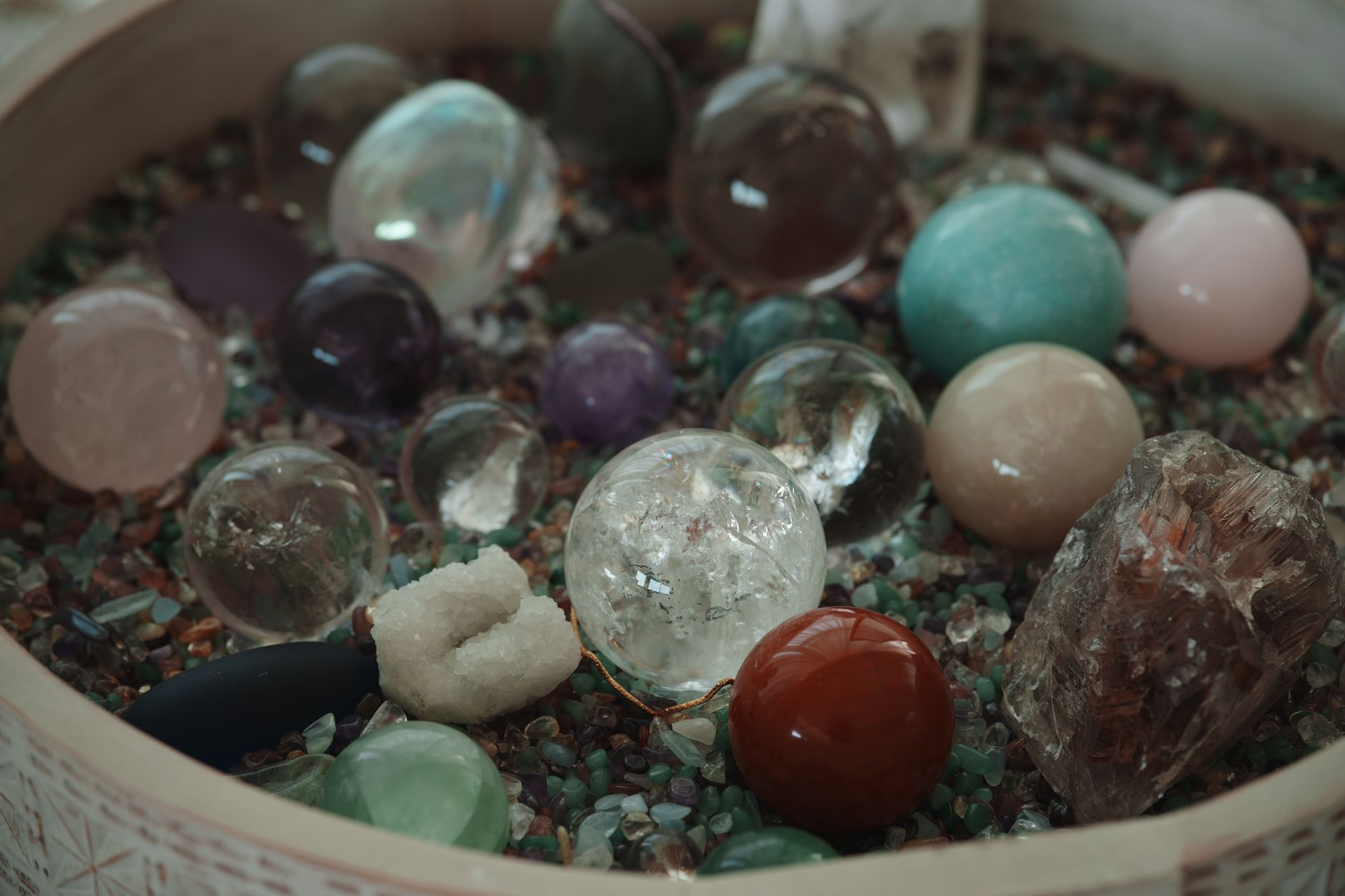
The National Geographic Hobby Rock Tumbler remains the best starter machine in 2026. It comes with a one-pound rubber barrel, a bag of rough stones, four grit packets, and jewelry findings. The motor runs quiet enough for a kitchen counter, and the automatic timer shuts off after seven days. For a deeper look, see our best rock tumbler for beginners in 2026 guide. This tumbler handles classic tumbling rocks like amethyst, rose quartz, and jasper without trouble. Those stones all sit at Mohs 7 or lower, so the barrel does not wear out quickly. The main weakness is barrel capacity. One pound is fine for a handful of stones, but not for a batch of Lake Superior agates you spent a weekend collecting. Also, the included grit is just enough for one four-week cycle. You will need to buy more coarse grit after that. The rubber barrel is durable but not as replaceable as Lortone barrels. Still, for under $70, this is the easiest way to start. Check the National Geographic Hobby Rock Tumbler on Amazon.
Key strengths:
- ✅ Includes everything needed for the first batch, including rough stones and grit.
- ✅ Automatic timer prevents over-tumbling and motor burnout.
- ✅ Quiet operation compared to similarly priced models.
- ✅ Rubber barrel reduces noise and withstands Mohs 7 stones.
- ✅ Small footprint fits in an apartment or classroom.
- ❌ One-pound capacity is too small for serious collecting trips.
- ❌ Included grit runs out quickly; extra grit costs extra.
- ❌ Barrel replacement parts are harder to find than for Lortone.
Who it’s for: Absolute beginners who want a complete kit without buying extra supplies.
2. Lortone 3A Rotary Tumbler , Best for Serious Hobbyists
The Lortone 3A is a workhorse. It uses a heavy-gauge steel frame and a three-pound rubber barrel that has been the standard in lapidary shops for decades. Unlike toy-grade tumblers, the Lortone handles continuous use. I ran it for eight weeks straight on agate and jasper with no overheating. According to Mindat.org, quartz and its microcrystalline cousins like agate sit at Mohs 7, which is exactly the hardness where this tumbler shines. The motor is simple, repairable, and rebuildable. For a broader look at other lapidary machines, see our best lapidary equipment 2026 comparison. The 3A costs more than beginner kits, and it does not include grit or rocks. You buy those separately. The three-pound barrel is twice the size of the National Geographic, but still small for larger batches. The metal frame is sturdy but not quiet. On a wooden shelf, it produces a low rumble that some people find annoying. Add a rubber mat underneath. The barrel seal is reliable if you keep the rim clean. Check the Lortone 3A Rotary Tumbler on Amazon.
Key strengths:
- ✅ Heavy-duty steel frame lasts for years without bending or cracking.
- ✅ Three-pound rubber barrel handles Mohs 7 stones like agate and jasper.
- ✅ Repairable motor and available replacement parts.
- ✅ Proven design used by generations of lapidary hobbyists.
- ✅ Better barrel seal than most budget models.
- ❌ Price is higher than starter kits and does not include any supplies.
- ❌ Louder than smaller tumblers, especially on hard surfaces.
- ❌ Three-pound capacity may still be limiting for large collections.
Who it’s for: Hobbyists who plan to tumble regularly and want a machine that lasts a decade.
3. Thumler’s Model B Rotary Tumbler , Best for Large Batches
Thumler’s Model B is the big boy. It has a 15-pound rubber barrel and a high-torque motor that can turn a full load of dense agate without stalling. If you collect from places like rockhounding in Oregon where you can legally fill a bucket with carnelian and jasper, this tumbler keeps up. The barrel is thick and industrial. You can run large pieces up to about two inches, though smaller stones polish more evenly. The rock tumbling step by step guide recommends not mixing sizes too drastically, even in a big barrel. The trade-off is cost and weight. A full 15-pound barrel is heavy to carry to a sink for rinsing. The machine is also expensive, typically over $200. Grit consumption scales with capacity, so you will spend more on consumables each month. But for serious rockhounds who process a lot of material, the Model B pays for itself by reducing the number of cycles needed. Check the Thumler’s Model B Rotary Tumbler on Amazon.
Key strengths:
- ✅ 15-pound capacity handles large batches or several smaller loads at once.
- ✅ High-torque motor turns heavy agate loads without stalling.
- ✅ Industrial rubber barrel lasts years with proper cleaning.
- ✅ Excellent for tumbling large stones up to two inches.
- ✅ Reliable brand with long track record in lapidary.
- ❌ Expensive upfront cost, often over $200.
- ❌ Heavy when full and awkward to clean over a sink.
- ❌ Consumes significantly more grit per cycle than smaller tumblers.
Who it’s for: Rockhounds who process large volumes and want to minimize the number of tumbling cycles.
4. Raytech TV-5 Vibratory Tumbler , Best for Fast Polishing
Vibratory tumblers are a different animal. The Raytech TV-5 uses a bowl and vibration to polish stones in a fraction of the time of a rotary tumbler. It works best on stones that are already shaped or have natural smooth surfaces. Agates from places like rockhounding in Michigan often need only a polish stage, and the TV-5 does that in five to seven days. For identifying agates worth polishing, read our how to identify agates guide. This machine is not for rough grinding. If you toss in sharp, jagged quartz, it will not round the edges like a rotary tumbler. The TV-5 has a five-pound capacity bowl and a powerful vibrating motor. It is louder than a rotary tumbler in a different way, more of a high-pitched buzz. The bowl is plastic and can crack if you overload it. But for finishing already-shaped stones, nothing else comes close in speed. Expect to spend around $150 to $200. You will need to buy polish grit separately. Vibratory machines also use different grit sizes, typically 220 and finer. See the rock tumbling grit guide for the correct sequence.
Key strengths:
- ✅ Polishes pre-shaped stones in five to seven days, much faster than rotary.
- ✅ Five-pound bowl capacity handles medium batches.
- ✅ Gentler on delicate crystal faces than rotary tumbling.
- ✅ Good for final polish on agates, jasper, and quartz.
- ✅ Less grit consumption per pound than rotary tumbling.
- ❌ Cannot shape rough, angular rocks; requires pre-formed stones.
- ❌ Loud high-pitched vibration may be annoying indoors.
- ❌ Plastic bowl can crack if overloaded or dropped.
Who it’s for: Experienced lapidarists who want to speed up the final polish stage on shaped stones.
5. Dan&Darci Advanced Rock Tumbler Kit , Best Budget Pick
Dan&Darci sells a low-cost kit aimed at kids and casual hobbyists. The one-pound barrel is similar in size to the National Geographic, but the housing is plastic and the motor is weaker. It handles soft stones like sodalite and fluorite fine, but struggles with hard agate. Those stones sit at Mohs 5 to 6, so if you collect from rockhounding in Arkansas where quartz is common, this tumbler will wear out faster. The kit includes rough stones, grit, and jewelry findings, making it an inexpensive gift. The biggest limitation is durability. The plastic lid threads strip easily if you over-tighten. The motor runs hot after three days. I do not recommend running it for more than one full cycle without a rest. Replacement parts are nearly impossible to find. For a comparison of better options, see our best rock tumbler for beginners 2026 guide. At under $50, it is fine for a trial run, but do not expect it to last years.
Key strengths:
- ✅ Very low price, under $50.
- ✅ Includes rocks, grit, and jewelry findings for a complete first project.
- ✅ Small and quiet enough for a child’s bedroom.
- ✅ Good for very soft stones like fluorite and calcite.
- ❌ Plastic housing and lid threads strip easily.
- ❌ Weak motor struggles with Mohs 7 stones like quartz and agate.
- ❌ Runs hot during long cycles and has no automatic shutoff.
Who it’s for: Parents or gift-givers who want a cheap introduction without a big investment.
Frequently Asked Questions
What is the best rock tumbler for beginners in 2026?
The National Geographic Hobby Rock Tumbler is the best beginner option because it includes stones, grit, and jewelry findings in one kit. It has a one-pound capacity and a seven-day timer, making it easy to start without extra purchases.
How long does it take to polish rocks in a tumbler?
A rotary tumbler typically takes four to six weeks using four stages of grit. A vibratory tumbler can polish pre-shaped stones in five to seven days. Harder stones like agate at Mohs 7 take longer than softer stones like calcite at Mohs 3.
What rocks should I avoid tumbling?
Avoid rocks with visible fractures, asbestos-form minerals, or heavy oxidation. Very soft stones like gypsum (Mohs 2) disintegrate. Rocks that contain heavy metals or are radioactive should never go in a tumbler. Always test with a scratch kit first.
Can I use a vibratory tumbler for rough rocks?
No. Vibratory tumblers do not shape or round rough edges. They are designed for polishing stones that are already smooth. Use a rotary tumbler first if you have jagged field finds.
How much grit do I need per batch?
For a one-pound barrel, use about four tablespoons of coarse grit per stage. A three-pound barrel needs about three times that. Always follow the grit sequence and never skip stages, or the polish will fail.
Are rock tumblers noisy?
Rotary tumblers produce a low rumble, usually 50 to 60 decibels. Vibratory tumblers are higher pitched and can reach 70 decibels. Place the tumbler on a rubber mat and run it in a garage or basement to reduce noise.
What Should You Remember?
- Rotary vs. vibratory: Rotary tumblers shape rough stones; vibratory models polish pre-shaped stones much faster.
- Grit is mandatory: Silicon carbide grit in four stages is required. Skipping a stage ruins the polish.
- Capacity matters: A one-pound barrel is fine for beginners, but serious collecting demands three pounds or more.
- Hardness check: Stones at Mohs 7 like quartz and agate need a durable barrel and consistent grit.
- Legal collecting: Always verify land ownership and rules with the Bureau of Land Management before removing rocks.
- Budget for extras: The tumbler is only half the cost. Grit, replacement barrels, and polish add up over time.
This article is for general information only. Rockhounding and collecting carry land-access, safety, and legal obligations , always verify claim status, land ownership, and collecting rules before removing material, and get landowner or land-agency permission where required. Field collecting involves physical hazards; use proper safety gear and never enter mines or unstable terrain.