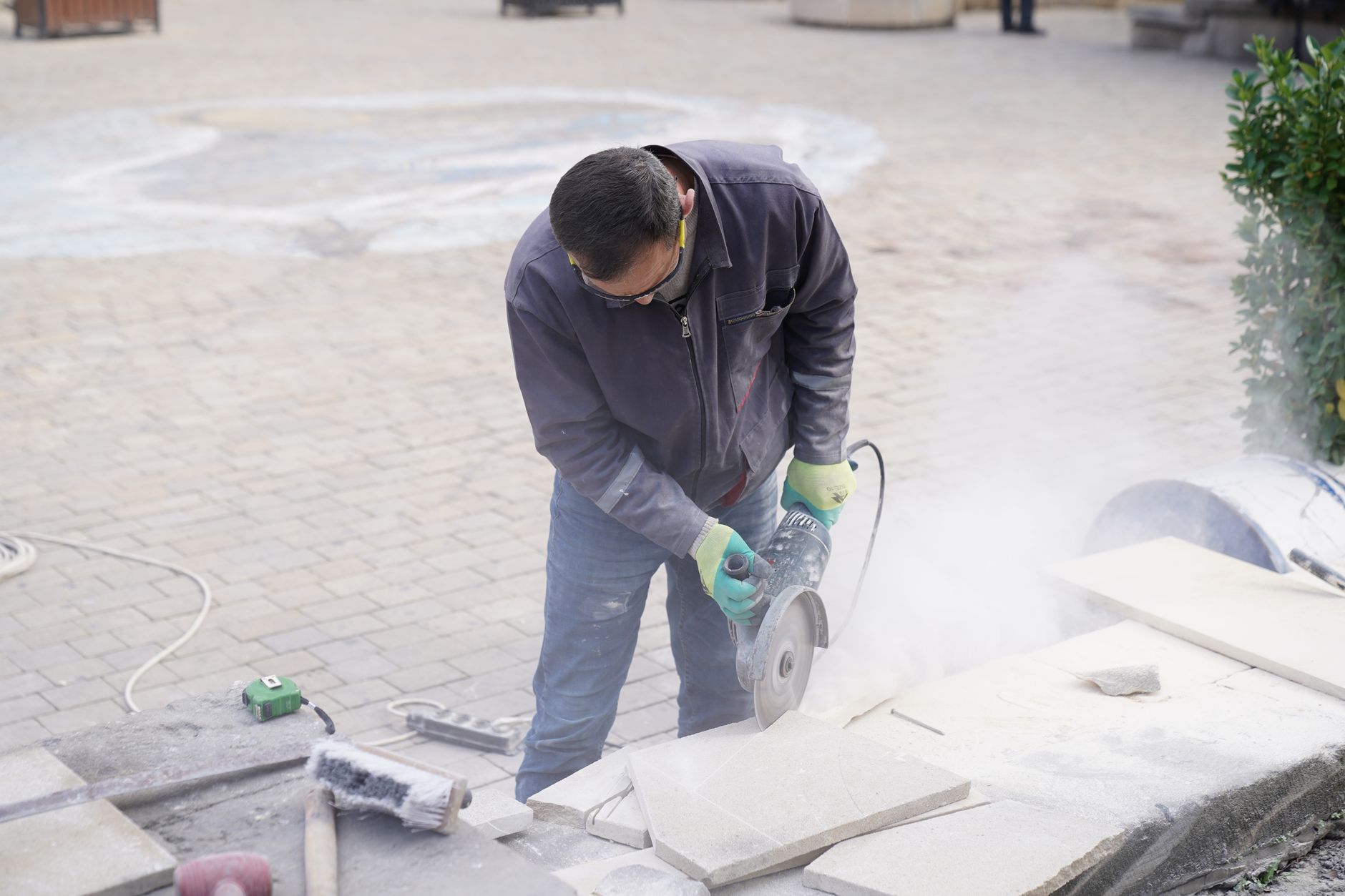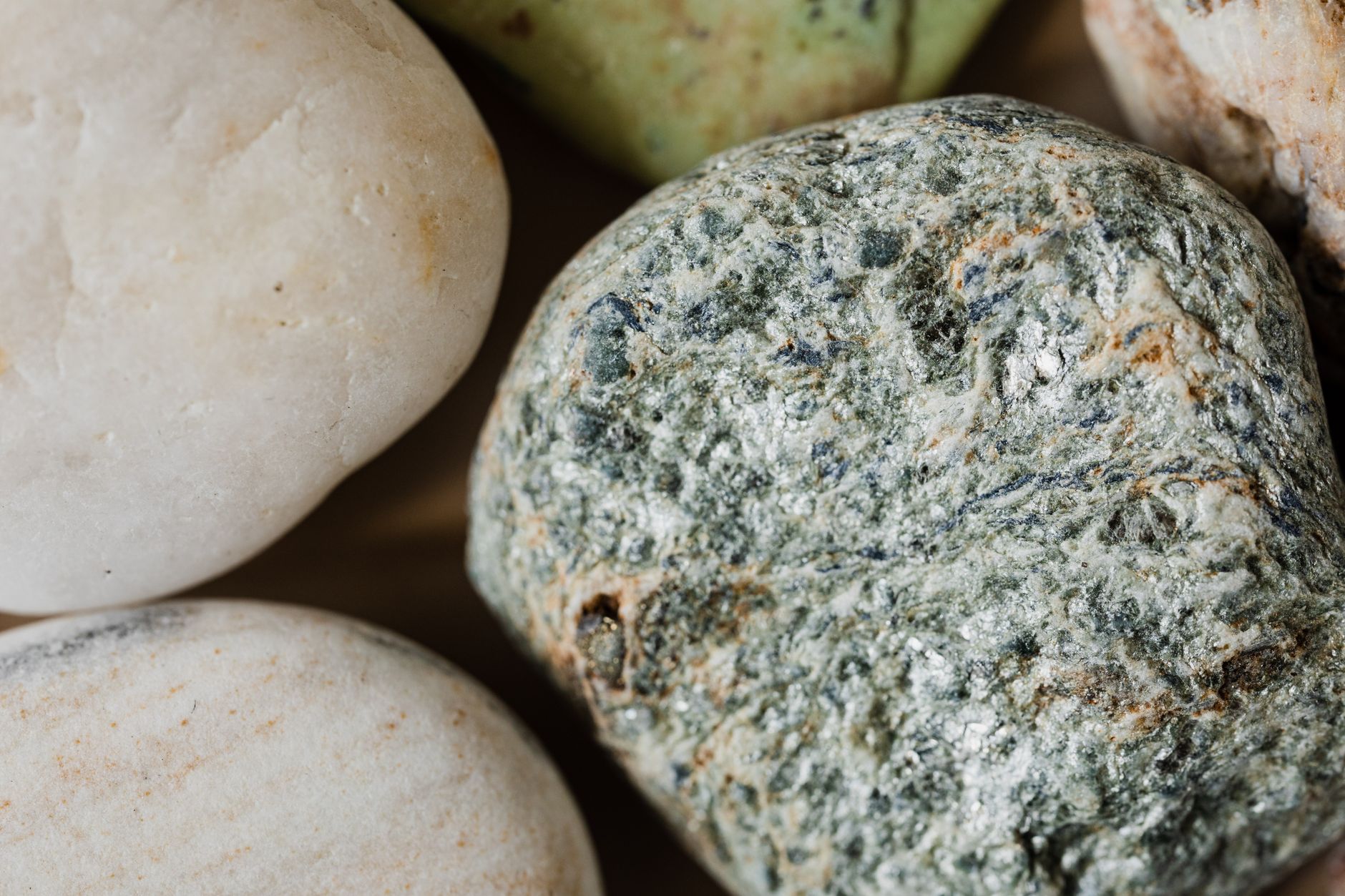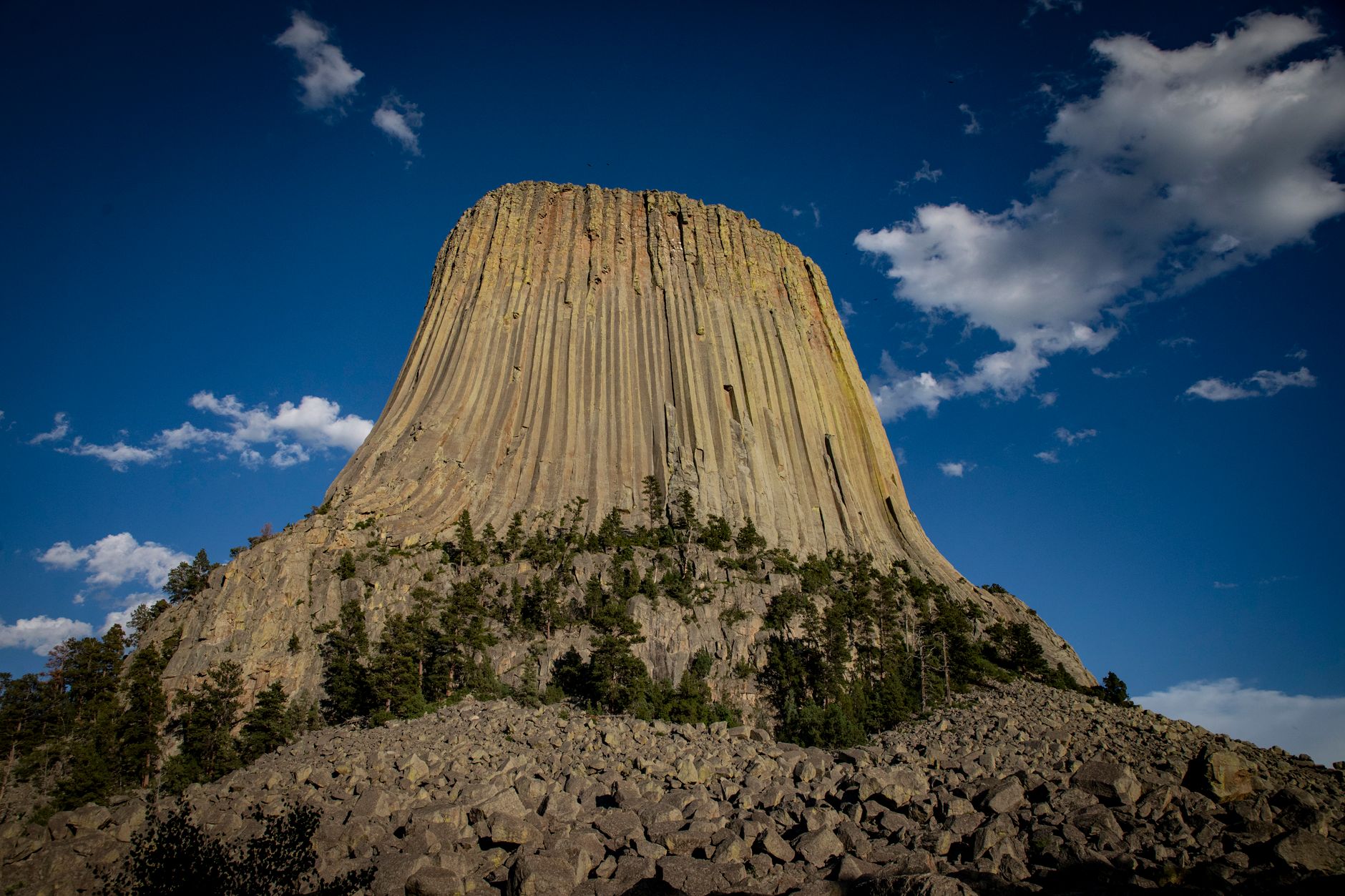
Wyoming in 2026 remains one of the top rockhounding states because of broad public land access, surprising geologic variety, and its famous nephrite jade. From Paleozoic limestones in the north to Archean metamorphic rocks in the Bighorn and Wind River ranges, the state exposes minerals that attract beginners and advanced collectors. Before you pack, understand that Wyoming’s collecting rules differ by land agency. Still, proper planning turns a casual drive into a productive collecting trip. Check the best rockhounding gear guide so you have the right field tools.
Wyoming’s public lands managed by BLM and Forest Service give collectors many legal places to search. The state gemstone is nephrite jade, a tough stone with hardness 6 to 6.5 on the Mohs scale. That hardness makes it ideal for cabochons and carvings. It has a specific gravity of about 2.9 to 3.0, so most green rocks that feel heavy could be jade. But not every green stone is jade. This guide covers identification, permits, and site selection.
Rockhounding on BLM land generally allows casual collecting for personal use under specific limits. For example, BLM often allows 25 pounds per day plus one piece, with a maximum of 250 pounds per year. You cannot use heavy equipment or sell what you find without a permit. The Bureau of Land Management and local field offices provide current maps. Use BLM’s rockhounding page as the starting point. For locality details, Mindat’s Wyoming locality database is the best free resource.
This article gives a step-by-step plan for rockhounding in Wyoming in 2026. You will learn how to choose legal ground, locate nephrite jade, identify finds, and document your collection. Always verify land ownership and collecting rules before removing material. Links to safety gear and field identification guides are included where they help. Let’s begin with the legal foundation.
What You’ll Need
- rock hammer
- safety glasses
- 10x hand lens
- GPS with offline maps
- zip-top bags
- 5-gallon bucket
- chisel
- work gloves
How Do You Rockhound in Wyoming 2026?
- Learn Wyoming’s public land rules and the 2026 permit landscape
Wyoming has a mix of federal, state, and private land. Most rockhounds focus on BLM and national forest land. The BLM allows casual collecting without a permit if the material is for personal use and you follow amount limits. The standard casual-use rule is often 25 pounds per day plus one piece, up to 250 pounds per year, but check the local BLM field office before you dig. Do not collect petrified wood, fossils, or artifacts on some public lands without specific permits. BLM’s rockhounding page is the official reference for current rules.
State trust lands and private land are different. In Wyoming, you need written permission before entering private property. State trust land leases also require prior approval. Do not assume a dirt road is public. Use county assessor maps and a mapping app that shows land ownership. The key is legal access before you remove material.
Check for active mining claims before collecting in known jade areas. A claim does not give you permission to collect the claim owner’s mineral rights. Use the BLM’s MLRS system to search claims. Even if a site appears in an old rockhounding book, claims change over time. That is why 2026 planning requires current maps.
- Target the best rockhounding sites by region
Wyoming’s central and southern public lands produce a wide range of collectible stones. The Granite Mountains and Jeffrey City area are the best-known nephrite jade localities. The Red Desert and Sweetwater Rocks yield agate, jasper, and petrified wood. The Bighorn Mountains in north-central Wyoming produce quartz crystals and epidote. Near Kemmerer and Green River, ancient lake beds hold fossil fish, but most of those sites are not open to casual collectors. Use Mindat’s Wyoming locality database to search county-level details.
For a first trip, pick one region instead of trying to cover the whole state. A focused base camp near Lander or Jeffrey City lets you sample jade, agate, and jasper without long drives. Beginners should start with surface collecting in drainages and on BLM ground. Best beginner rockhounding sites offers similar planning ideas for new collectors.
Check current road conditions and land status for each site before you go. Some Wyoming collecting areas sit close to active uranium or bentonite claims. Others fall inside checkerboard land ownership where private parcels interlock with public land. A GPS loaded with land ownership maps prevents accidental trespass.

- Focus on nephrite jade: where to look and how to identify it
Nephrite jade is Wyoming’s state gemstone and one of the toughest natural stones used in lapidary work. It is not a single mineral but a rock made mostly of actinolite. Its hardness ranges from 6 to 6.5 on the Mohs scale, and its specific gravity is about 2.9 to 3.0. This means it feels noticeably heavier than most green rocks of the same size. If you find a green stone with a waxy or soapy surface and dense weight, test it further.
Wyoming nephrite often shows dark green, black, or mottled olive colors. It can have a brown weathering rind on the outside. In streams and dry washes, search for smooth boulders and cobbles with that rind. Some pieces break to show a fine, fibrous texture. Avoid serpentine, which is softer at 2.5 to 5 and scratches easily with a knife. A simple scratch test can help separate them. Use the Mohs hardness scale guide to compare results.
Strong sunlight can hide subtle color. Wet the stone and view it in shade before making a final call. A 10x loupe helps you see the felted fibers that distinguish nephrite from green quartzite or chert.

- Assemble a Wyoming-specific rockhounding kit
A Wyoming trip can take you far from paved roads. The right kit keeps you safe and legal. Start with a rock hammer. A 22-ounce Estwing with a pointed tip handles most collecting tasks. Check the Estwing rock hammer on Amazon. Pair it with safety glasses or goggles. Rock chips can travel fast.
A hand lens is essential for identifying mineral texture. A 10x triplet loupe will reveal the fibrous structure of jade or the banding in agate. Check a 10x hand lens on Amazon. Add a black light later if you hunt fluorescent minerals.
Other tools include a GPS unit, paper maps, zip-top bags, a five-gallon bucket, work gloves, and a chisel. Carry water, food, and a first aid kit. Wyoming’s high desert can be hot and dry, then cold at night. Know where cell service drops.
- Plan your collecting day around weather, roads, and claim boundaries
Wyoming weather changes fast at elevation. Summer afternoons can bring thunderstorms and flash floods in dry washes. Spring and fall are often the best seasons. Avoid frozen ground and muddy two-track roads. Check the National Weather Service forecast for the nearest town before leaving. Let someone know your route and return time.
Roads in Wyoming’s public lands vary from maintained gravel to rough two-track. High clearance is often enough, but mud and drifted snow can strand you. Carry a full-size spare and a jack. Many areas are remote with no fuel or water. Fill the tank in the last town. Use a GPS with downloaded offline maps.
Before digging, confirm you are not on an active mining claim. Use the BLM’s MLRS system. Also watch for claim markers and posts. They may be old, but valid claims still matter. If you see a sign, leave. For more on claim research, review rockhounding in Wyoming.
- Use field identification techniques in the field
When you find a candidate, clean a small patch with water. Look at the fresh surface. Use a hand lens to check texture. Nephrite jade often has a matted, fibrous appearance. Agate shows fine bands. Jasper is grainy. Quartz crystals show clear or milky points. Use a scratch test to gauge hardness. A steel knife blade is about 5.5 on Mohs. If the knife scratches the stone, it is likely not jade.
Do not rely on color alone. Green rocks in Wyoming include epidote, serpentine, green quartzite, and chlorite schist. Each has different hardness and luster. Field tests are helpful but not perfect. For detailed methods, see how to identify rocks and minerals in the field.
Collect only loose surface material unless you have permission to dig. Digging on a claim or without a permit can create legal problems. Wash samples before placing them in bags to avoid mixing labels. If you keep separate bags for each site, your records stay clean.

- Clean, trim, and display your Wyoming finds
After collecting, wrap delicate pieces in newspaper. Sort by hardness to avoid scratching. Most Wyoming jade, agate, and quartz can be washed with soapy water and a soft brush. Avoid acid baths unless you know the mineral. Calcite and some other minerals will dissolve or dull. For caked mud, soak in water and scrub gently.
If you want to cut jade or agate, use a lapidary saw with oil or water cooling. Nephrite jade is tough and cuts slowly. It takes a high polish. For smaller pieces, tumbling is another way to finish stones. Displaying finds in labeled boxes or small stands makes a collection useful. Record the date, location, and mineral name. A good label turns a pretty rock into a reference specimen.
- Record your locations and build a legal collection
Keep a field notebook with GPS coordinates, date, and land status. Take photos of outcrops and collected pieces before you move them. These records prove your rock was legally collected and help you return to productive spots. A digital database or simple spreadsheet works.
When you get home, confirm identifications with field guides and online databases. The gemstone identification guide is a good next step. For serious collectors, compare your finds with Mindat locality photos. This builds a reference collection.
If you hunt on public land, know that collection is for personal use. Selling without a permit can violate federal rules. Keep limits in mind. The collection you build should respect the land and the law.
Red Flags & Warnings
- 🚨 Do not collect on active mining claims without written permission. Claims holders own mineral rights, and trespass can lead to fines.
- 🚨 Private land and tribal land require explicit permission. Wind River Reservation and other Tribal lands are generally off-limits without permits.
- 🚨 Weather kills. Flash floods and lightning in summer, hypothermia in high country. Check radar and bring layers.
- 🚨 BLM casual collecting limits apply. Exceeding 25 pounds per day or 250 pounds per year can bring enforcement.
- 🚨 Old mine workings and unstable pits are dangerous. Do not enter adits or undercut banks.
- 🚨 National parks and monuments protect resources. Removing rocks from Yellowstone, Grand Teton, or Devils Tower is illegal.
Frequently Asked Questions
Do I need a permit to collect rocks on BLM land in Wyoming?
Usually no for small amounts of common rocks collected for personal use under BLM casual-use rules. You do need a permit for commercial use, large quantities, or certain materials like petrified wood or fossils.
Where can I find nephrite jade in Wyoming?
The Granite Mountains, Crooks Gap, Jeffrey City area, and drainages near Sage Creek are the best-known nephrite jade localities. Look for dense, green boulders and cobbles with a waxy surface.
How can I tell nephrite jade from ordinary green rock?
Nephrite jade is tough and heavy with a specific gravity of about 2.9 to 3.0 and a hardness of 6 to 6.5 on the Mohs scale. It often has a waxy luster and a brown weathering rind, while serpentine is softer and scratches more easily.
Can I sell rocks collected in Wyoming?
Generally no on public land without a commercial permit. BLM casual collecting is for personal use only, and selling material found under casual-use rules can violate federal regulations.
What is the best time of year to rockhound in Wyoming?
Late spring through early fall works best. Avoid winter cold, muddy spring roads, and summer thunderstorms that can cause flash floods in dry washes.
Is rockhounding allowed in national parks and monuments?
No. Most national parks and monuments, including Yellowstone, Grand Teton, and Devils Tower, prohibit removing natural objects. Collect on BLM and national forest land instead.
What Should You Remember?
- Check land status before collecting. BLM, national forest, private, and claim boundaries are not always marked.
- Nephrite jade in Wyoming is tough and heavy, with hardness 6 to 6.5 and specific gravity 2.9 to 3.0.
- Start in the Granite Mountains and Jeffrey City area for jade, agate, and jasper.
- Use simple tests like scratch tests and hand lens inspection to separate jade from serpentine and other green rocks.
- Respect casual-use limits on BLM land: 25 pounds per day plus one piece, 250 pounds per year.
- Document every find with GPS and notes to keep your collection legal and useful.
This article is for general information only. Rockhounding and collecting carry land-access, safety, and legal obligations , always verify claim status, land ownership, and collecting rules before removing material, and get landowner or land-agency permission where required. Field collecting involves physical hazards; use proper safety gear and never enter mines or unstable terrain.