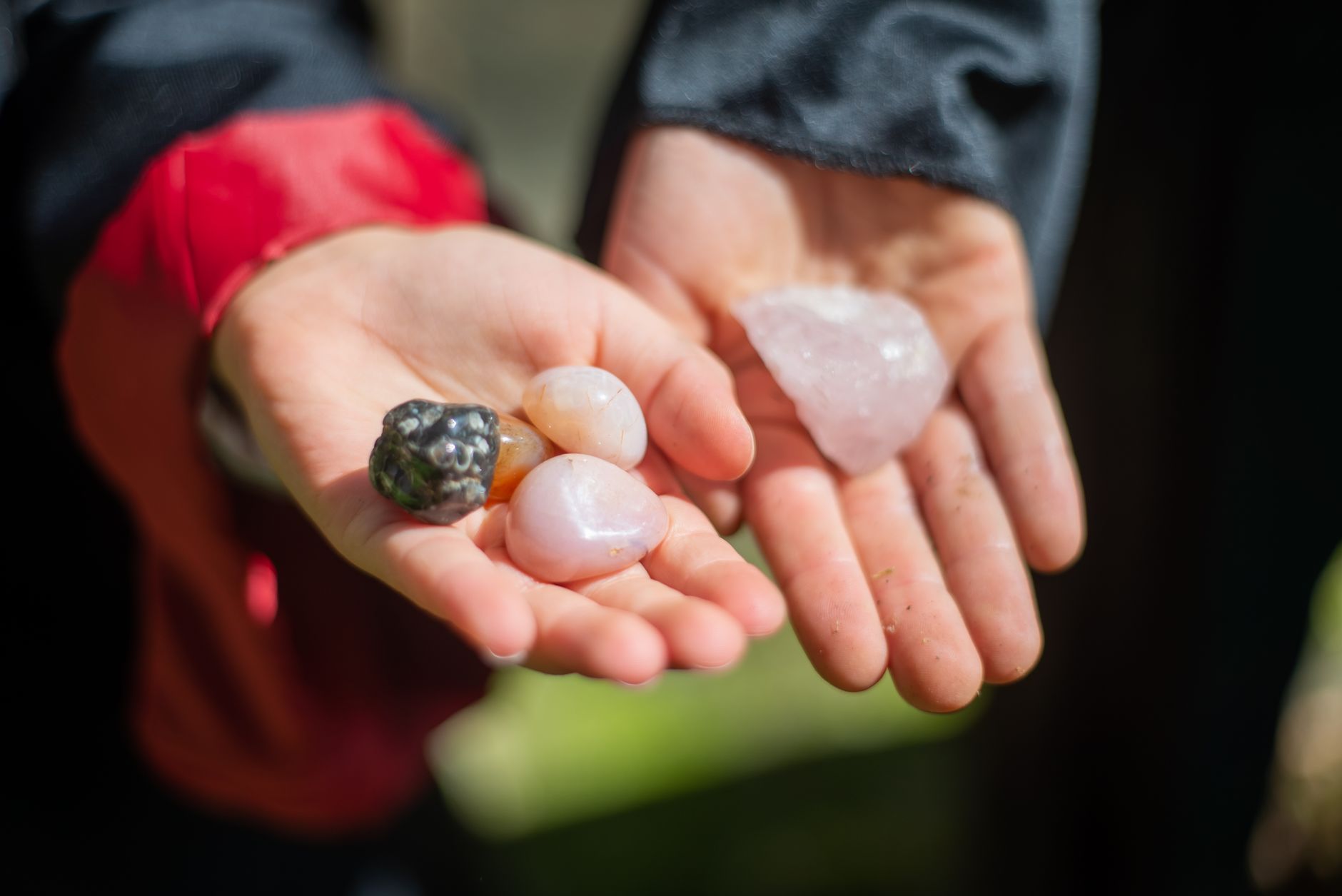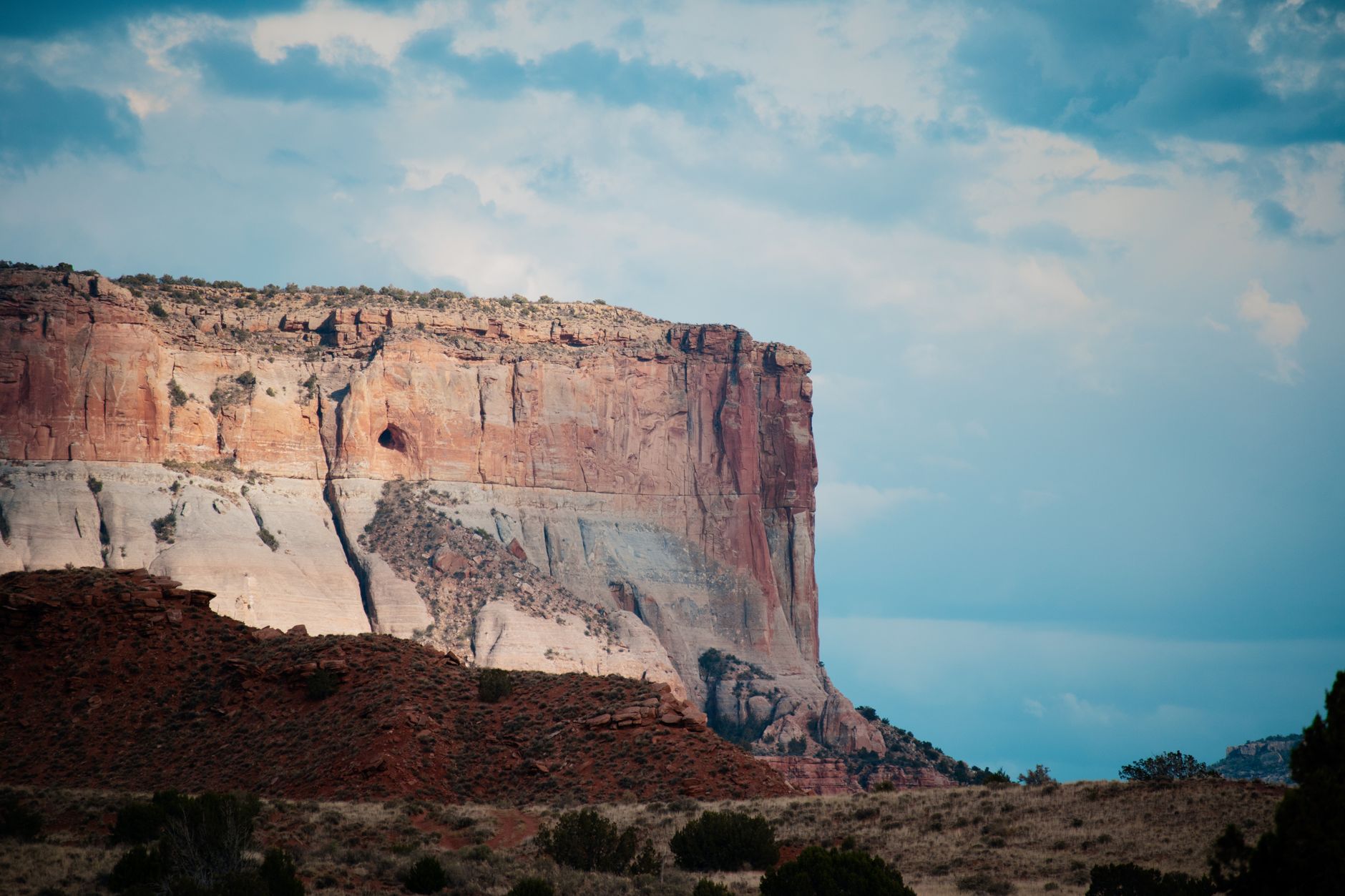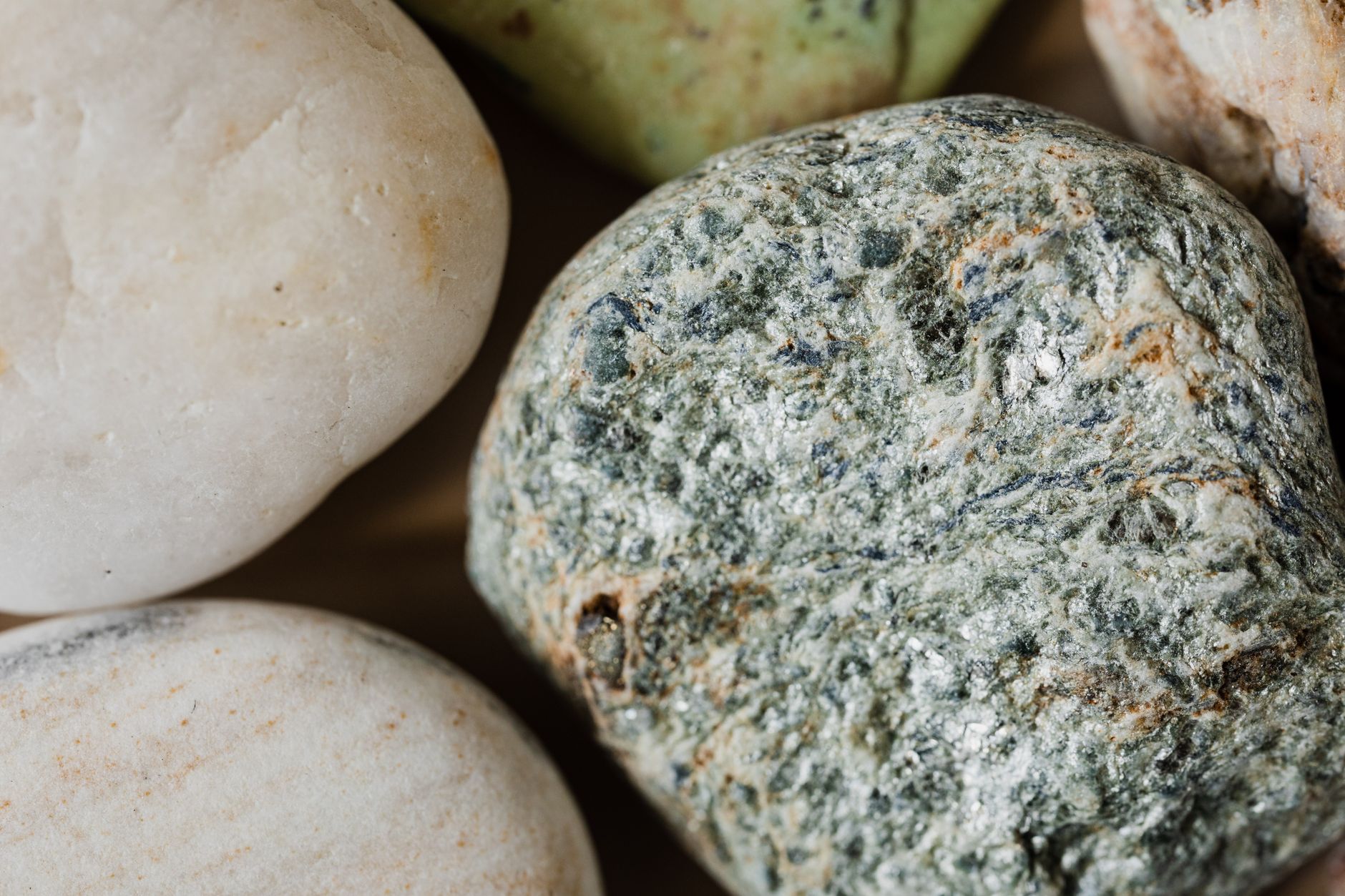
Washington State does not get the same rockhound buzz as Arizona or Oregon. That works in your favor. Ocean beaches, river bars, basalt flows, and high desert ridges all hold collecting potential. Many first-time visitors find carnelian agates and colorful chalcedony within an hour of Seattle. If you are comparing destinations, Washington appears on most lists of the best rockhounding states for its variety and public access. The state has active geology, with basalt, granite, and sedimentary basins.
Agates are the main draw. Most Washington agates are cryptocrystalline quartz with a Mohs hardness of 7, so they polish well and resist scratching. Petrified wood from central Washington often measures 6.5 to 7 on the Mohs hardness scale. You should also watch for jade, garnet, and occasional opal. Learn the visual clues before you fill your bucket. A good start is the practical advice in how to identify agates.
Public land rules matter. The Bureau of Land Management manages many collecting areas, and the BLM allows recreational collection of small amounts on most of its land with limits. State parks, Washington Department of Natural Resources land, and private timberland all have different rules. Always check ownership and current closures before swinging a tool. The Bureau of Land Management publishes rockhounding guidance that applies to many western states.
You do not need expensive equipment to start, but a few basics improve your trips. A hand lens helps you spot banding, fractures, and microcrystals. A crack hammer, chisel, bucket, and spray bottle are enough for surface collecting. Plan around tides, river flows, and fire season. If you want a full field kit, review the best rockhounding gear guide before you pack. Bring gloves and sunglasses for safety.
What You’ll Need
- rock hammer
- safety glasses
- hand lens
- spray bottle
- bucket or backpack
- gloves
- GPS phone
How Do You Rockhound Washington State for Agates, Petrified Wood & Gems?
- Research land status before you head out
Start with maps and land records. Use county assessor maps, BLM surface management maps, and Washington DNR layers. Check whether you are on federal land, state trust land, or private property. This matters because mineral claims can override general rockhounding rules on some BLM land. The catch is that visual inspection from a road is not enough. You need current ownership data.
Use Mindat to confirm what has been found nearby. Mindat.org lists historical localities, minerals, and coordinates for many Washington sites. For example, Mindat records show carnelian agate near Saddle Mountain and quartz crystals at Hansen Creek. These records help you set realistic expectations. But records can be old. Always cross-check with land managers.
Identify the minerals you want to target. If you want agates, head to basalt beaches or river gravels. If you want petrified wood, target the central Columbia Basin and the Ginkgo Petrified Forest area. Wood there formed roughly 15 million years ago in a wet, forested basalt landscape. Knowing the host rock and deposit type is half the search. A field guide like this mineral collecting guide can help you read the landscape.
- Build a simple Washington field kit
Keep your first kit light. A rock hammer or crack hammer, safety glasses, and a chisel cover hard rock work. A 10x hand lens shows banding and crystal structure in gem rough. Check a best rock hammer guide for good choices. Then add a rock hammer on Amazon and a hand lens on Amazon if you need gear fast.
Add a heavy duty bucket, newspaper or old towels, and zippered bags. A spray bottle with water helps you see wet color and banding on dry stones. Long handled shovel or rake helps move beach gravel. Gloves protect your hands from sharp shells and broken rock.
If you plan to tumble your finds, a small tumbler is useful later, but not necessary in the field. Most important is to avoid carrying too much. Washington terrain can be wet and slippery. Good boots and layered clothing matter more than heavy gear.
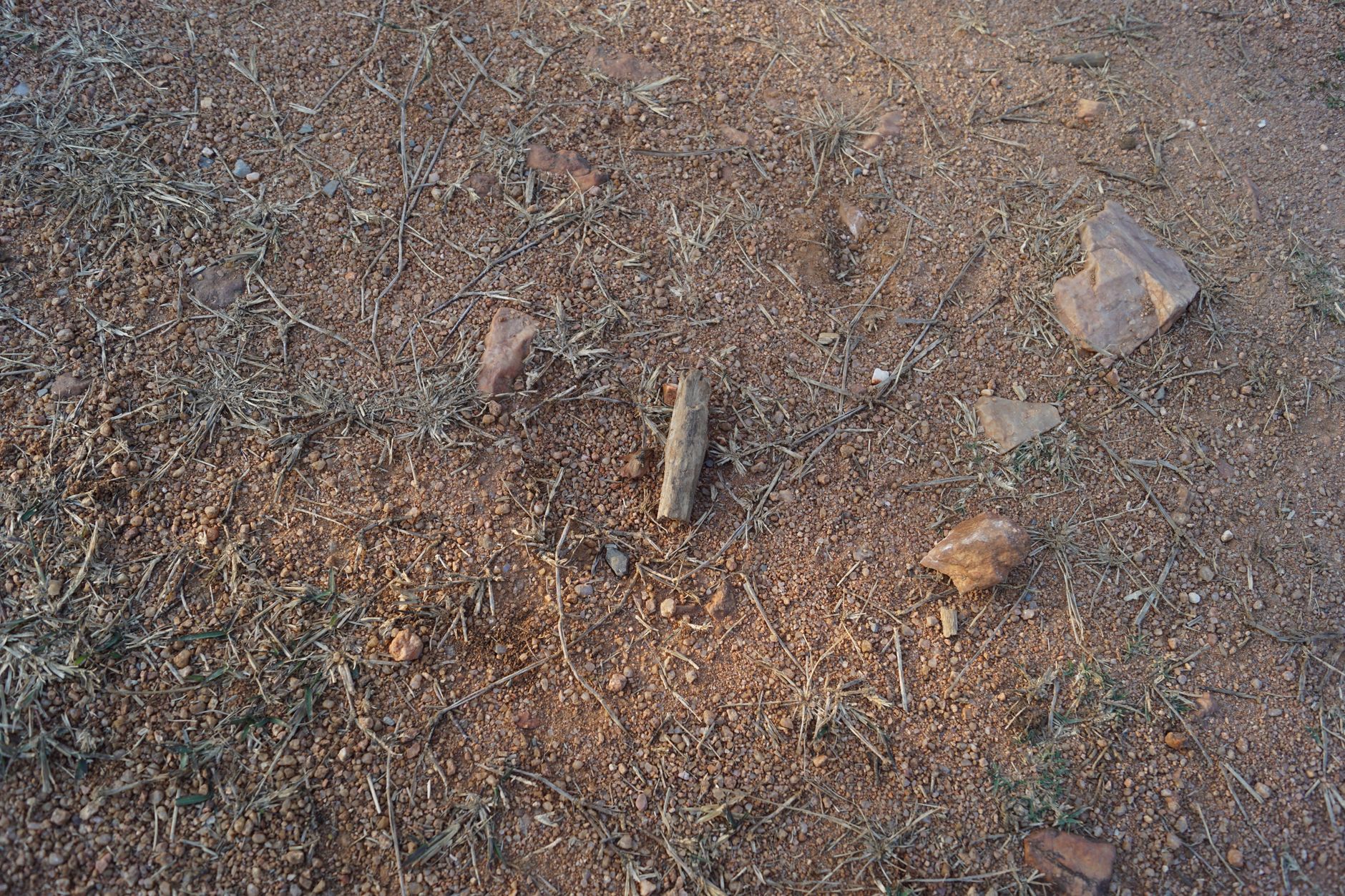
- Identify Washington agates, petrified wood, and gems
Agates look waxy or glassy when wet. Most have fine banding, but some Washington beach agates are clear or pale without strong bands. Check translucency with a bright light. A true agate has a Mohs hardness of 7 and will scratch glass. The wet test is fast and reliable. More detail appears in how to identify agates.
Petrified wood often keeps bark texture and growth rings. Colors vary from tan to red, black, and blue. If the cell structure is visible, you have a fossil, not just chalcedony. Ginkgo wood often shows tight grain and tiny quartz-filled cells. Hardness of 6.5 to 7 means it will take an excellent polish.
Gems include Washington jade, usually nephrite, with hardness 6.5 and a specific gravity near 3.0. It feels dense and tough. Red almandine garnet from river gravels often shows dodecahedral crystal faces. Use a gemstone identification guide to check luster, streak, hardness, and density. Do not rely on color alone. Many purple rocks are not amethyst.
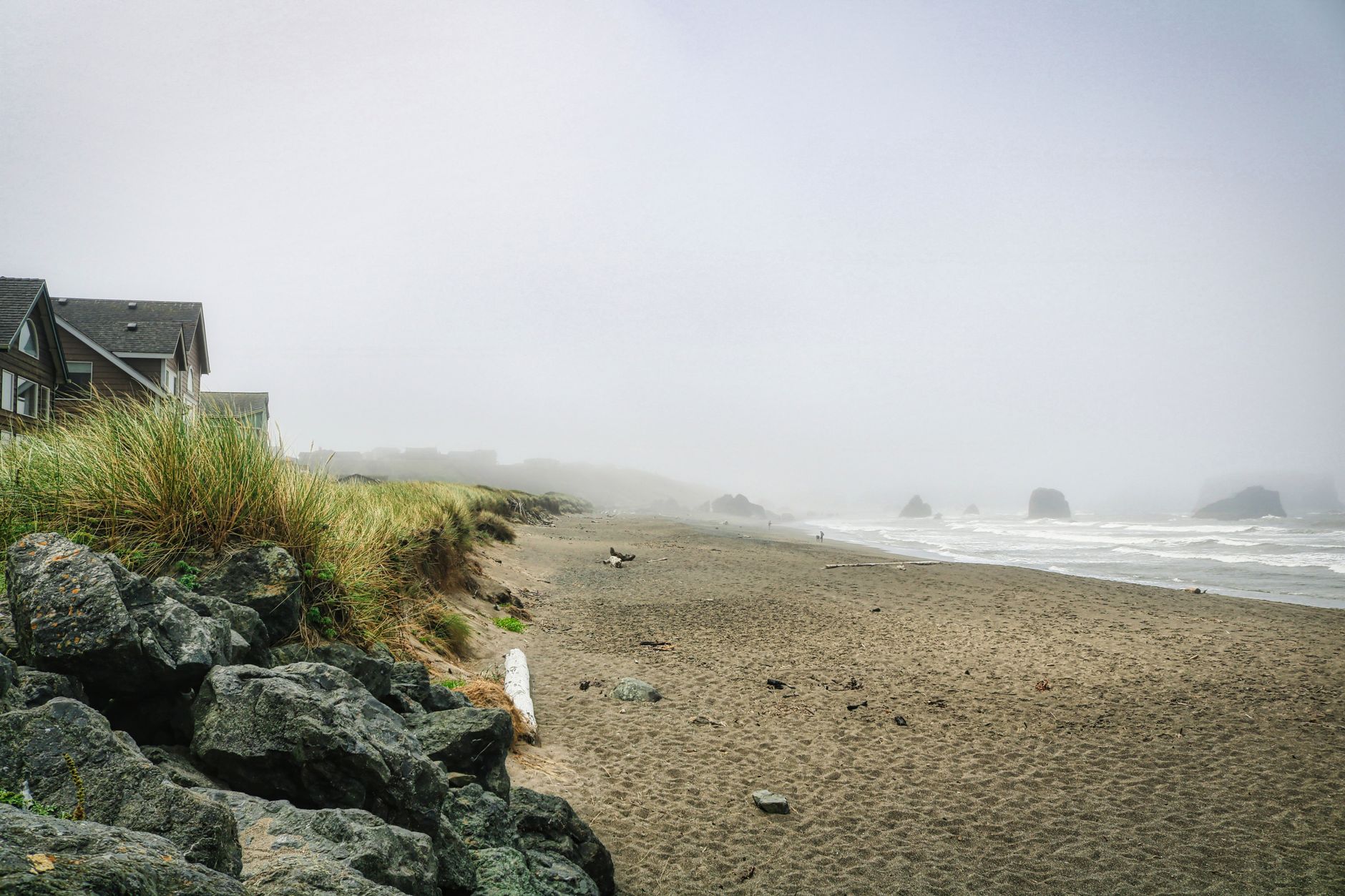
- Hunt ocean beaches for carnelian and chalcedony
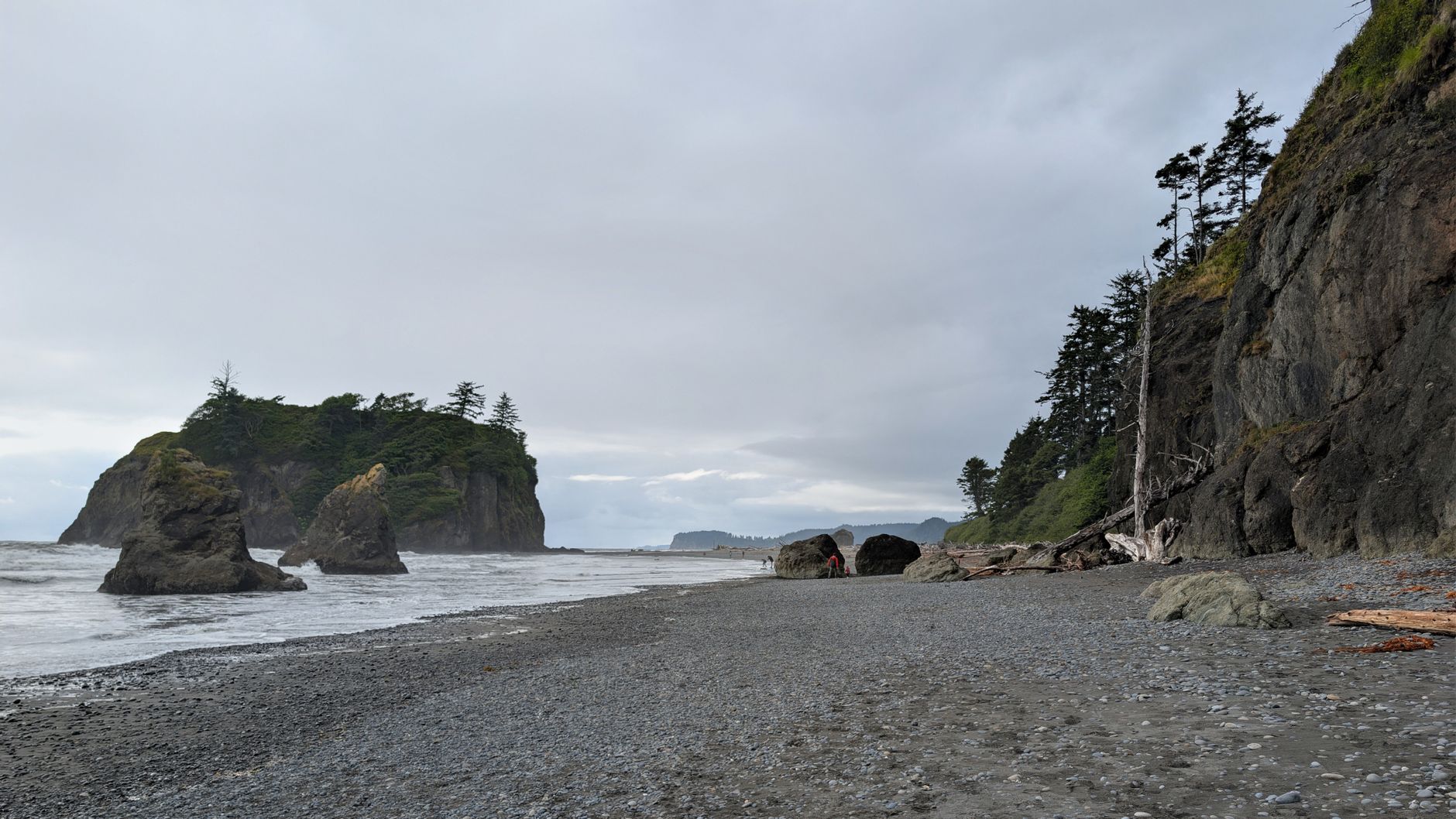
Washington’s coast is famous for agates. Damon Point near Ocean Shores and Ruby Beach are two classic places. Walk the gravel beds at low tide, especially after winter storms. Stones concentrate in beach cobble lines. Wet stones show color and translucency better. Look for orange, red, honey, and clear pieces with a waxy surface.
The best time is a falling tide after a strong storm. Waves rearrange gravel bars and expose fresh material. Go early in the day. Bring a mesh bag or bucket. Many collectors use a small garden rake to turn the cobble. But avoid disturbing dunes and protected shorelines. Check National Park or Quinault tribal regulations. Some areas prohibit stone collection or require permits.
Beach agates are usually smaller than a golf ball. They tumble naturally, so they often need less grinding. Still, many have cracks. Sort into show and tumble groups on the spot. Use your hand lens to check for banding and fractures. If you want to polish later, read rock tumbling step-by-step. This connects beach collecting to home lapidary work.
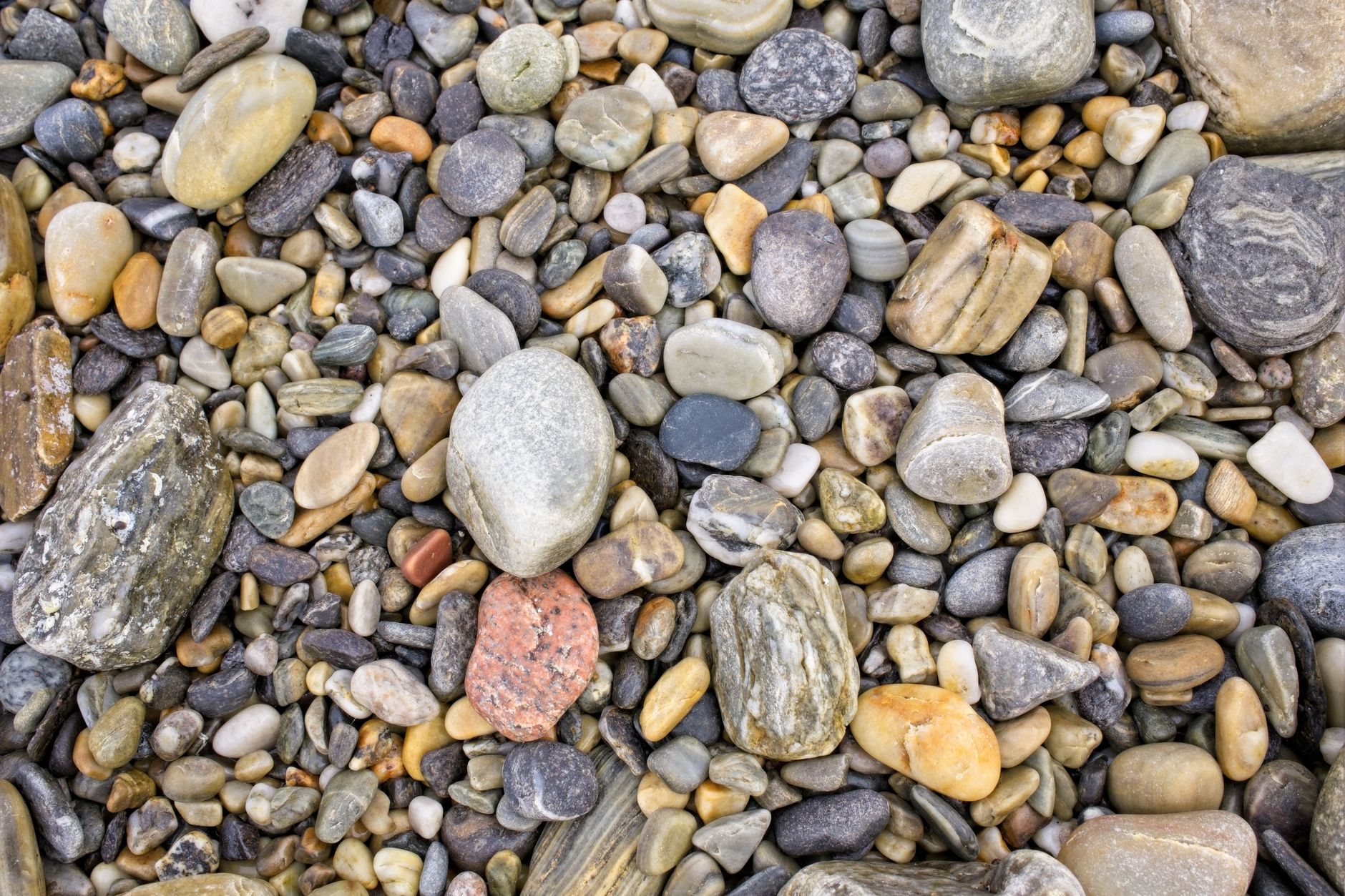
- Work river gravel bars for petrified wood and agates
Central Washington rivers and creek beds cut through old basalt and sedimentary layers. Look at gravel bars along the Columbia River and its tributaries. Water-worn stones collect there. Search the downstream side of large boulders and the inside bends of river channels. Agates and petrified wood are heavier than many rocks, but they still move with flood water.
The Saddle Mountain area is a known source of agatized wood and carnelian. Some collecting is on BLM land or private claims. Check the status before you enter. Blue Creek near the Cowlitz River is another classic spot for carnelian. These localities show that basalt-related silica deposits are the key. The more reddish or orange the area, the higher the chance of iron-stained agates.
When water is high, collecting is difficult and dangerous. Late summer and early fall offer lower water. Do not dig into banks that may be private or unstable. Use your rock hammer only on loose rock. If you find wood with clear bark texture and bright color, keep it wet to inspect. Petrified wood can be dusty and cracked, so wrap it before packing.
- Collect small amounts ethically and record locations
Responsible collecting keeps sites open. On BLM land, the general limit for personal collection is small and for non-commercial use. The exact amount varies by office. Check the local field office website or call before you take more than a few pounds. Washington DNR and state parks may have stricter rules. Private property always requires written permission.
Use your phone to record coordinates, date, and nearby landmarks. Write a small label for each batch. Later, this helps you identify finds and compare localities. A GPS pin can confirm whether you were on public land. This is useful if someone asks where you collected. Keep screenshots of the land status map. Best beginner sites also recommend logging your first trips.
Pack out all trash and avoid damaging outcrops or vegetation. Fill small holes you dig. Do not collect from archaeological or fossil sites that are protected. Petrified wood may be restricted on state trust lands. The safest rule is to take only loose surface stones. If a site feels picked over, move on rather than digging aggressively.
- Clean, grade, and prep your stones at home
Start with plain water and a soft brush. Do not use acid on unknown material. Agates often need only washing. Petrified wood can be fragile, so handle it gently until you know its condition. For staining and iron oxides, follow a cleaning guide before trying anything harsh.
Grade your finds by color, clarity, banding, and fracture. A magnifying loupe helps you inspect cracks. Stones with deep cracks may be cut. Cleaner pieces can be tumbled or polished. If you are new to lapidary work, start with a beginner tumbler and follow proven steps. Use the right grit sequence for quartz-based stones.
Some Washington material is too nice to tumble. A flat lap or trim saw can cut agates and jade. If you plan to cut stones, use proper lapidary equipment and follow safety rules. Always wear eye protection and a respirator when cutting rock. Wet saws reduce dust and extend blade life. Keep a small spray bottle nearby for lapidary work.
Red Flags & Warnings
- 🚨 Never enter private property or active mining claims without written permission. Land status can change quickly.
- 🚨 Watch for sneaker waves and incoming tides on ocean beaches. Turn your back on the ocean and you can be knocked down.
- 🚨 Some state parks and DNR trust lands prohibit rock and petrified wood collection. Check current rules before you take anything.
- 🚨 Central Washington rattlesnakes and desert heat are real hazards. Wear boots and carry water in summer.
- 🚨 Do not use acid or strong chemicals on unknown stones. Some minerals react violently or produce toxic fumes.
- 🚨 Hard rock cutting and hammering can send sharp chips into your eyes. Always wear safety glasses.
Frequently Asked Questions
Do I need a permit to collect agates in Washington?
Recreational surface collection on most BLM land does not require a permit for small amounts. State parks, DNR trust lands, and tribal lands often have their own rules or bans. Always verify the specific site before collecting.
Where can I find petrified wood in Washington?
Central Washington is best, especially around the Ginkgo Petrified Forest area and the Columbia Basin. Some wood is found on public land, but much is on private claims or protected park land. Check ownership before you collect.
What is the best time of year for beach agates?
Winter after storms is best because waves uncover fresh gravel beds. A falling tide improves access and safety. Summer is calmer but often picked over and crowded.
Can I collect on Bureau of Land Management land in Washington?
Yes, but only small, non-commercial amounts of common rocks, minerals, and gemstones on most BLM land. Check the local BLM field office for limits. Stay away from active mining claims.
What tools do I need for a first trip?
A rock hammer, safety glasses, hand lens, bucket, and heavy gloves cover most surface collecting. Add a spray bottle for wet testing and a mesh bag for beach cobbles.
How can I tell if a stone is an agate or just quartz?
Wet the stone and check for translucency and banding. Agates are cryptocrystalline quartz with a waxy to glassy look. Massive quartz looks blocky and often lacks the fine bands.
What Should You Remember?
- Check land status before you collect. Public land, private land, and mineral claims all have different rules.
- Use the wet test to expose agate banding and translucency on the beach or river bar.
- Focus on winter beaches after storms for freshly exposed carnelian and chalcedony.
- Target central Washington basins for petrified wood and agatized wood.
- Keep a hand lens and GPS record for every batch of specimens you collect.
- Respect collecting limits and private property to keep sites open for years.
This article is for general information only. Rockhounding and collecting carry land-access, safety, and legal obligations , always verify claim status, land ownership, and collecting rules before removing material, and get landowner or land-agency permission where required. Field collecting involves physical hazards; use proper safety gear and never enter mines or unstable terrain.