Utah has some of the most varied rockhounding terrain in the western United States. Volcanic rhyolite, ancient lake beds, and mineral-rich faults create collecting spots for topaz, agate, jasper, obsidian, geodes, and rare red beryl. If you are new to the state, start with the main public collecting areas covered in this Utah rockhounding guide. The landscape can be harsh, but a little planning puts good material in your bucket. Topaz Mountain in Juab County is the state’s most famous topaz locality, and it remains open to casual collectors under most BLM rules. The work is not always easy. Still, the reward can be a clean crystal that measures 8 on the Mohs hardness scale.
Before you drive out, understand that public land rules changed little for 2026, but local restrictions can vary. The Bureau of Land Management manages large stretches of western Utah, including Topaz Mountain and the Dugway geode beds. Casual collecting on BLM-managed land is generally allowed for personal use, with reasonable amount limits. But state trust lands, private claims, and some county parcels require written permission or a permit. The BLM field office closest to your site is the best place to confirm current rules. This step alone can save you from a fine or a claim dispute.
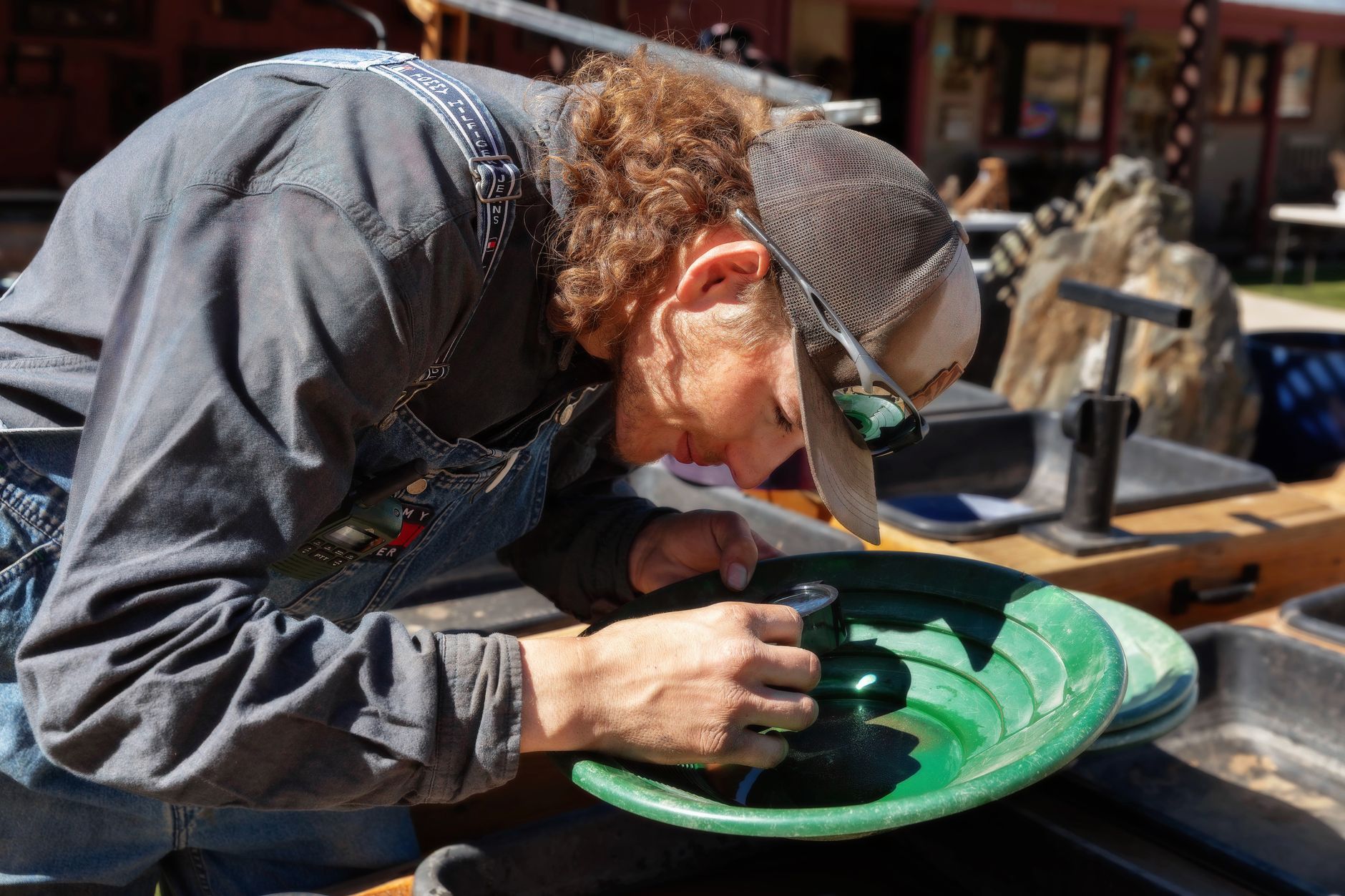
You do not need a massive setup to collect in Utah. A solid rock hammer, a small shovel, a screen or classifier, and a bucket cover most surface digs. For field identification, a 10x loupe helps you spot crystal faces and terminations before you haul heavy rock home. The best rockhounding gear guide shows how to build a practical kit for desert conditions. Add extra water, sun protection, and high-clearance vehicle planning. The desert does not forgive poor preparation.
This guide walks through eight steps for a legal, safe, and productive Utah trip in 2026. You will learn where to find topaz, geodes, and other material, how to identify it, and how to document it. The methods work for beginners and experienced collectors. Always remember that land ownership and collecting rules can change. Verify before removing material.
What You’ll Need
- rock hammer
- sifting screen
- small shovel
- 5-gallon bucket
- 10x loupe
- gloves
- sturdy boots
- extra water
- GPS or phone
- paper towels or boxes
How Do You Rockhound in Utah 2026?
- Confirm land status and permits before you dig
The single biggest mistake new Utah rockhounds make is assuming every open desert is public land. Large parts of Utah are managed by the Bureau of Land Management, but the state also owns trust lands, and miners hold active claims. The Bureau of Land Management (BLM) website helps you check surface management and mineral ownership. Never rely on phone maps alone. BLM field offices can tell you if a site is open to casual collecting.
On many BLM lands, casual collecting means taking small amounts for personal use. The rules generally forbid mechanized digging, commercial sale, or heavy equipment without a permit. Limits vary by district, but a five-gallon bucket per person per day is a common starting point. Confirm the exact limit with the local office. The mineral collecting field guide explains more about ethical collecting and recordkeeping.
Utah School and Institutional Trust Lands Administration, or SITLA, land often requires a permit. Do not confuse SITLA parcels with BLM land. A paper map or land status app can mark the difference. When in doubt, treat the land as closed until you get written permission. Respecting land status protects future access.
Active mining claims are private property even when they sit on public land. Claim markers can be hard to spot, so check the local BLM office for claim records. A quick phone call can prevent a serious conflict. If you see fresh stakes or equipment, leave the area. There is always another outcrop nearby.
- Choose a target area by mineral
Utah has collecting districts spread across a huge area. You will get better results if you pick one or two targets for the day. Mindat.org is an excellent source for locality data and confirmed mineral species. Search for Topaz Mountain, Dugway geode beds, or the Wah Wah Mountains before you drive. Then match your tools to the material. Topaz in rhyolite requires different technique than geodes in clay.
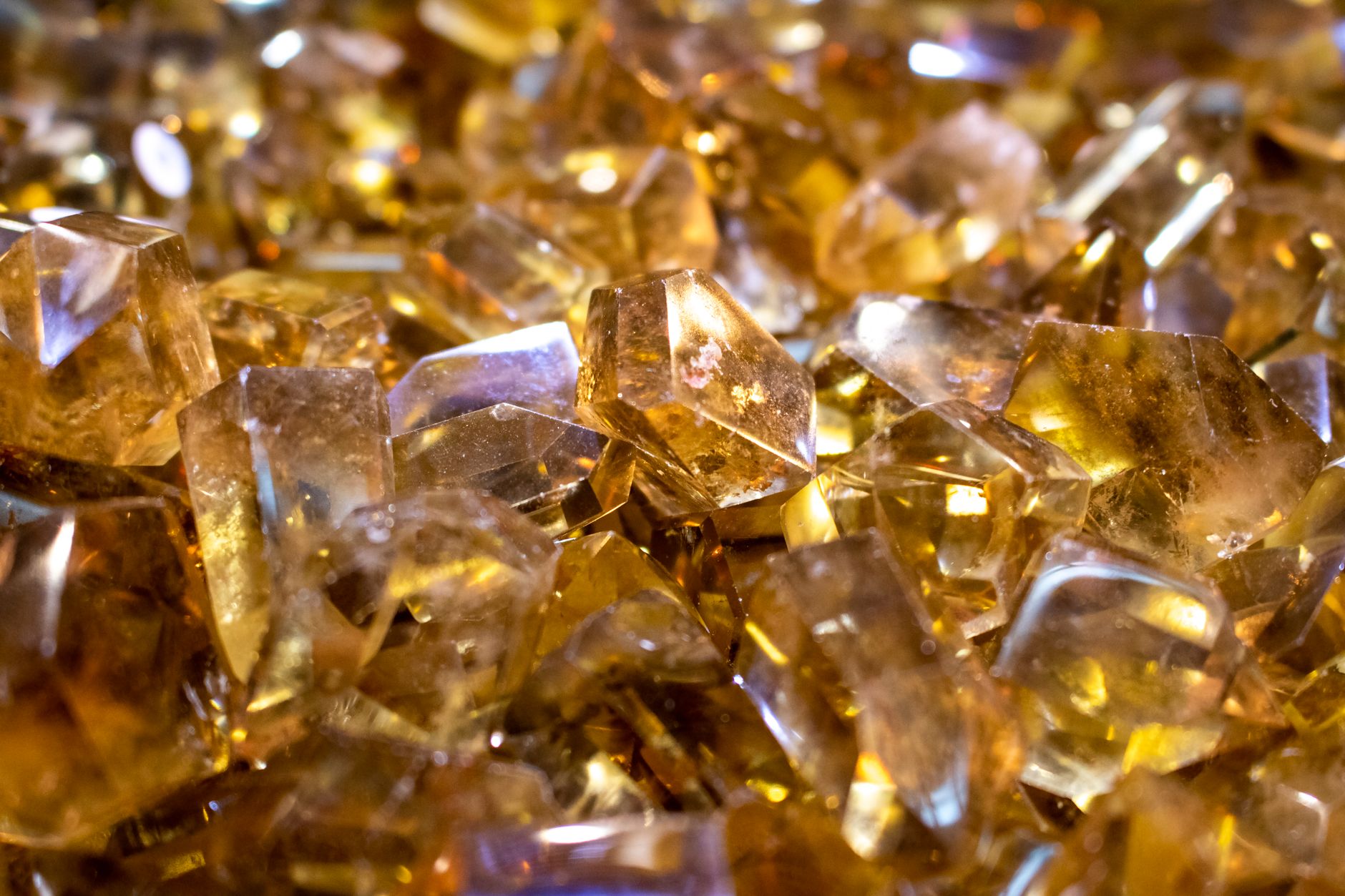
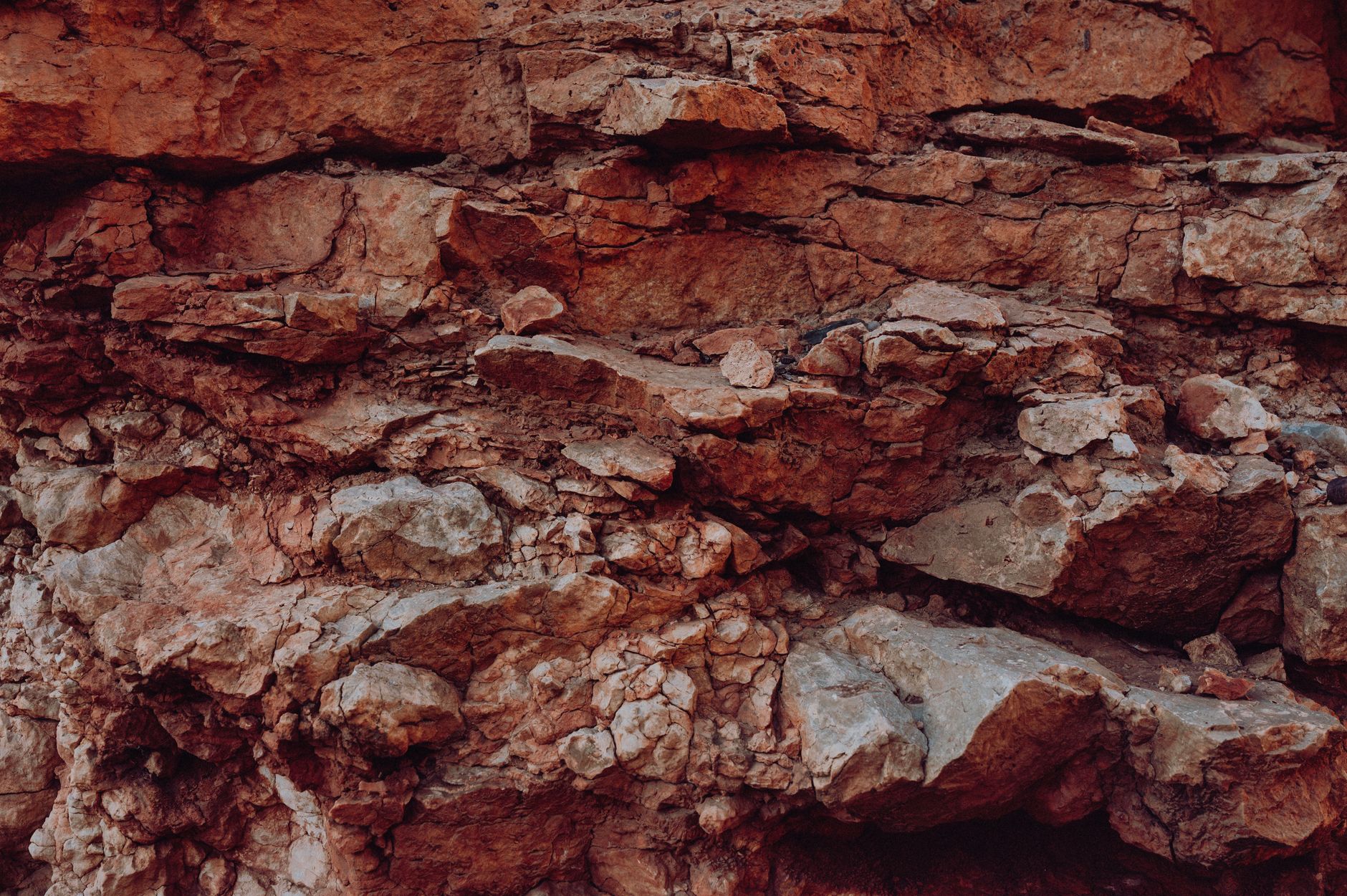
Topaz Mountain is the first stop for many collectors. The rhyolite there contains cavities and vugs that hold sherry-colored topaz crystals. Topaz has a Mohs hardness of 8, which means it will scratch quartz and most glass. Crystals are often small but beautifully terminated. The famous Thomas Range around Topaz Mountain also produces bixbyite and pseudobrookite. Checking a Mohs hardness scale guide can help you sort topaz from quartz.
Dugway geode beds provide a different experience. The site is known for round geodes that can contain quartz, chalcedony, and occasional amethyst. Surface collecting and light digging work best. The geode beds are remote, so plan fuel and water carefully. This area is also covered in the general Utah rockhounding guide.
Rare red beryl, also called bixbite, comes from the Wah Wah Mountains in Beaver County. Red beryl is one of the rarest gem minerals on Earth. Crystals are typically small, red to pink, and found in rhyolite. Many of the best spots are under claim, so verify access before digging. Use the how to identify rocks and minerals in the field guide to separate red beryl from common red glass or garnet.
- Build a desert rockhounding kit
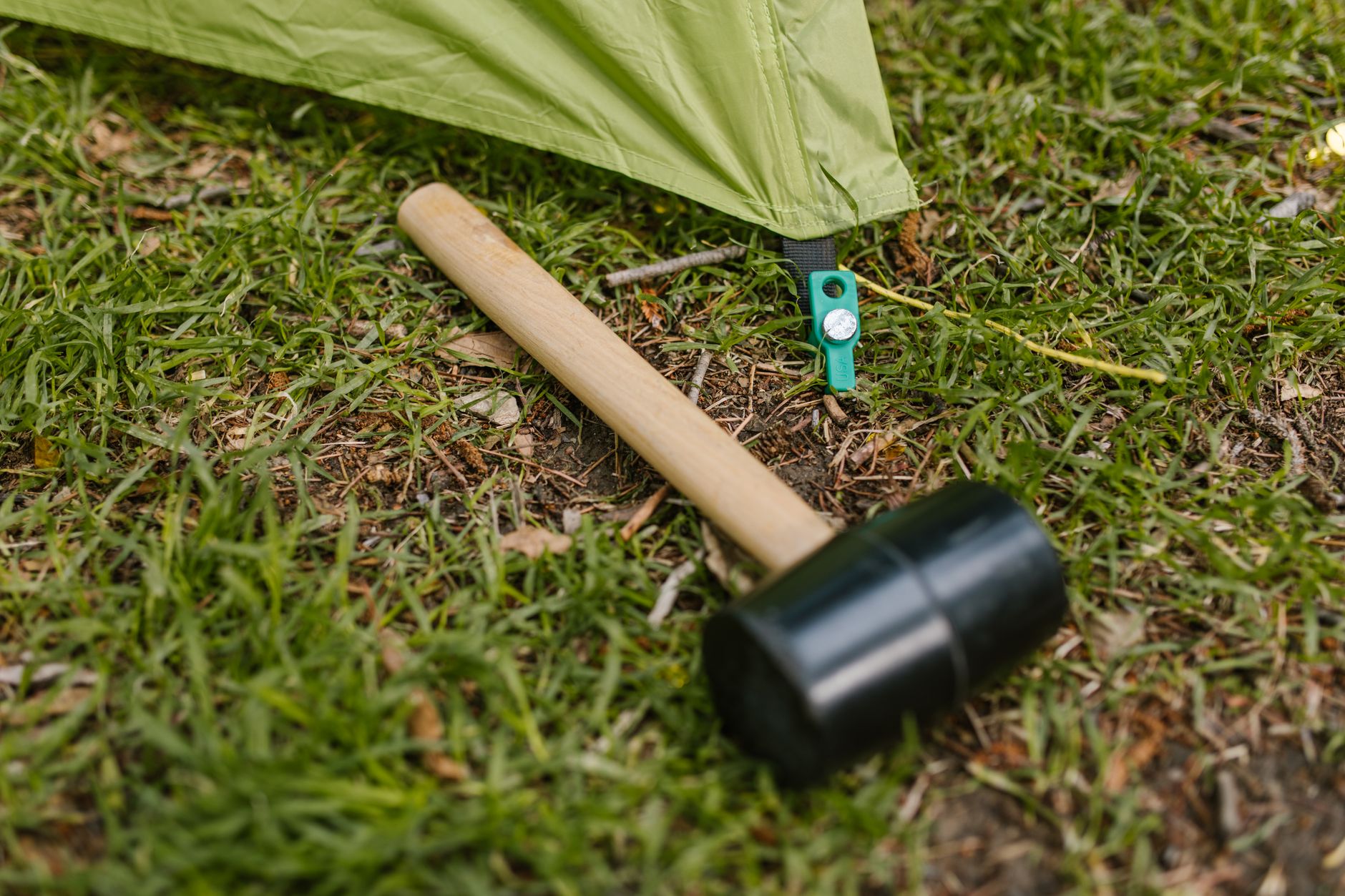
Utah collecting often happens far from services. Start with safety basics: two gallons of water per person, salty snacks, a first aid kit, and sun protection. Then add collecting tools. A 22-ounce rock hammer works for breaking small rhyolite and prying loose rock. For geode hunting, a short shovel and a sifting screen save time. The best rock hammers for 2026 covers handle length, weight, and brands. One popular option is the Estwing rock hammer, which is durable enough for Utah’s rocky ground.
Hand lenses and loupes are not optional if you want to identify material in the field. A 10x triplet loupe shows whether a crystal has the right faces or is just a broken shard. The best magnifying loupes guide lists models that fit in a pocket. You can also pack a small spray bottle with water. Wetting a stone makes its structure and color easier to read.
Buckets, newspaper, and small boxes protect fragile crystals on the drive home. Topaz and beryl can chip if they roll around in a backpack. Wrap each find in paper. Label the container with the site name, date, and GPS coordinates. This small habit saves hours of confusion later.
Clothing matters as much as tools. Use long sleeves, sturdy boots, and leather gloves. The desert has sharp volcanic rock, cactus, and occasional snakes. A broad-brimmed hat keeps the sun off your neck. In cooler months, layers help because morning temperatures can drop fast.
- Use the right approach at Topaz Mountain
Topaz Mountain sits in the Thomas Range of Juab County. The rhyolite is crumbly in places, and topaz-bearing cavities can be hidden just below the surface. Start by walking slowly over loose rock and looking for small, glassy crystals in the soil. Surface collecting after wind or rain can be productive. The crystals often show a long prismatic shape with a flat base.
When you find broken topaz fragments, work the source uphill. The host rock may be only a few feet away. Use your hammer gently on the rhyolite. Topaz has perfect basal cleavage, so a hard blow can shatter a good crystal. I prefer to break rock around the vug first, then remove the pocket with a screwdriver or chisel. This technique is slower but saves more material.
Bring a fine screen for dry washing. Scoop the sandy soil near known vugs into a screen and shake it over a bucket or tarp. Topaz crystals often fall out of the decomposing rhyolite and collect in small depressions. This works well when the ground is dry. After rain, wet soil sticks and hides crystals, so wait for dry conditions.
Good eyes and patience beat heavy equipment here. Spend more time looking than digging. The best topaz crystals from Topaz Mountain are usually under an inch long, but gem-clear pieces do occur. Larger, cloudier crystals are still worth collecting for specimens.
- Collect geodes and lake-bed material carefully
The Dugway geode beds are west and southwest of Salt Lake City in remote desert. Most geodes are found in trenches and on the surface. Use a shovel to open shallow digs, but avoid undermining large overhangs. The ground can be hard and compacted. A pick or rock hammer helps break up resistant layers.
Geodes here are often round and gray on the outside. Inside, you may find white quartz, chalcedony, blue-gray banding, or small amethyst crystals. To test a geode, tap it lightly. A hollow sound suggests a crystal cavity. Solid rocks are often just basalt or rhyolite. Carry extras home only if the weight makes sense. A full bucket of solid rock is not worth strained shoulders.
Obsidian, agate, and jasper occur in other parts of western Utah. Black rock with a glassy fracture may be obsidian. Agate and jasper form in volcanic openings and are often banded or red. A simple streak test helps identify hardness and color. If you are not sure, check the how to identify agates article before the trip.
For any lake bed or dry wash collecting, watch for soft sediment. Recent rain can leave mud that looks firm but is not. Dig only where you can maintain stable footing. Tell someone where you are going and when you will return. Cell service is unreliable across much of the west desert.
- Clean, identify, and label your finds
Once you get home, rinse specimens in plain water first. Many Utah minerals handle water fine, but some clays and delicate crystal coatings can be damaged by aggressive cleaning. Let everything dry before you use brushes. The how to clean rocks and minerals guide walks through safe methods for quartz, topaz, and agate. Avoid acid cleanup until you know exactly what you have.
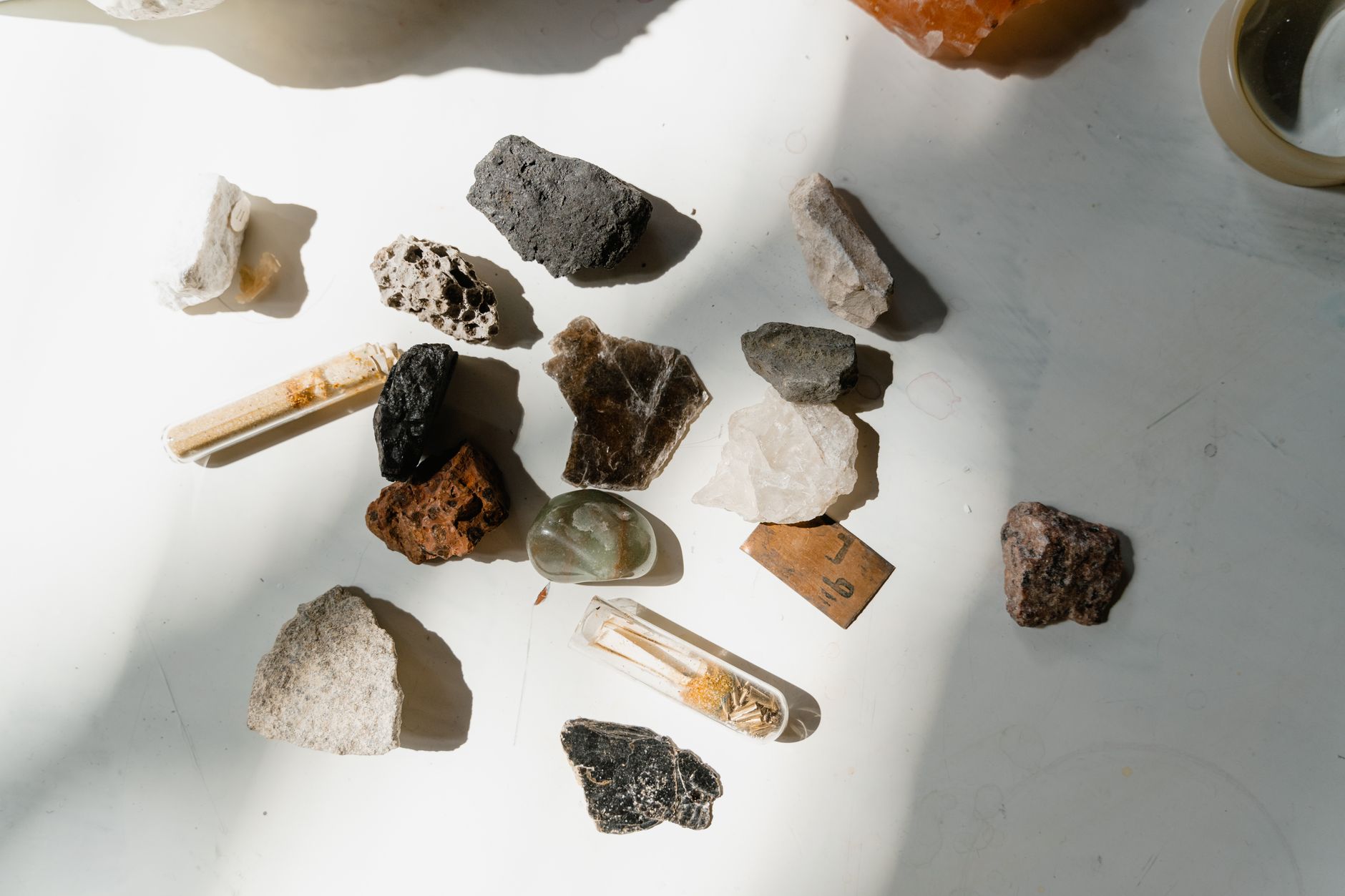
Separate finds by hardness and crystal shape. Topaz has a hardness of 8 and perfect basal cleavage. Quartz is hardness 7 and lacks that cleavage. Beryl, including red beryl, is hardness 7.5 to 8 and forms hexagonal crystals. A simple scratch test with a steel nail or glass can narrow the options. The gemstone identification guide helps with common gem minerals found in Utah.
Label each box or bag with the collecting site, date, and GPS coordinates. This turns a pretty rock into a reference specimen. Photograph the find next to a coin or ruler for scale. Later, you can compare your photos with online locality data. Mindat.org can confirm which species are documented at a specific site. This step may also reveal that your find is something unusual.
Resist the urge to tumble every stone. Some topaz crystals and beryl specimens are more valuable as natural crystals. Tumbling is better for agate, jasper, and small quartz pebbles. If you want to work tumbling material from Utah, start with the best rocks to tumble guide.
- Document your trip and share data
Serious collectors keep notes. For each site, record road conditions, weather, what you found, and GPS coordinates. A simple notebook or phone app works. This information helps you return to productive spots and avoid dead ground. Over time, your notes become a personal collecting log.
Take photos of the site before you dig. Wide shots show the terrain and vegetation. Close-up shots of host rock show the geology. These images help you recognize similar ground elsewhere. They also help if you ask other collectors for identification help. A clear photo with scale is far more useful than a blurry rock in your hand.
Consider submitting notable finds to Mindat.org or a local mineral club. Public data improves everyone’s understanding of Utah localities. Some clubs also host field trips and claim access. Joining a group is a good way to learn new sites legally. The mineral collecting field guide has more advice on keeping records and working with clubs.
Do not post coordinates for sensitive or restricted sites. Publicizing a small topaz pocket can lead to overcollecting and land damage. Share enough to be helpful, but keep exact spots private unless you have permission. This respect keeps access open for future collectors.
- Plan around seasons, roads, and safety
Spring and fall are the best seasons for most Utah rockhounding. Summer temperatures in the west desert regularly exceed 100 degrees Fahrenheit. Winter can bring snow and deep mud, especially at higher elevations. Plan your trip for April through early June or September through October for the most comfortable conditions. Check the forecast before you leave.
Roads to popular sites vary from paved highway to rough two-track. Topaz Mountain and the Dugway geode beds often require a high-clearance vehicle. A passenger car may make it in dry conditions but can struggle in sand or washouts. Carry a full-size spare tire, a jack, and a shovel. Let air out of tires slightly if sand becomes an issue, but know your vehicle limits.
Flash floods are a real danger in washes and canyons. Even a distant storm can send water through a dry wash. Never camp or dig in a narrow wash if storms are possible. Move to higher ground if you hear water or see debris. Cell service is unreliable, so carry a satellite messenger or share your route with someone.
Wildlife encounters are rare but possible. Rattlesnakes come out in warmer months. Watch where you put your hands and feet. Scorpions hide under rocks. Shake out boots and gloves before putting them on. Leave gates as you found them and pack out all trash. Good trail habits protect both you and the land.
Red Flags & Warnings
- 🚨 Never collect on active mining claims. Claim markers may be missing or obscured. Check BLM claim records or ask the local field office before digging in mineral-rich areas.
- 🚨 Do not assume all open desert is public land. Utah trust lands and private parcels often require permits or written permission. Verify ownership first.
- 🚨 Heat kills more desert visitors than wildlife. Carry at least two gallons of water per person per day and avoid digging during the hottest afternoon hours.
- 🚨 Flash floods can occur far from visible rain. Stay out of narrow washes when storms are possible and move to high ground immediately if water rises.
- 🚨 Rattlesnakes and scorpions live in rocky Utah terrain. Watch your hand placement and shake out boots and gloves before use.
- 🚨 Collecting limits apply even on public land. Removing commercial quantities or using heavy equipment without permission can lead to fines and lost access.
Frequently Asked Questions
Where can I find topaz in Utah?
Topaz Mountain in the Thomas Range of Juab County is the best-known public spot. Collectors find sherry-colored and clear topaz crystals in rhyolite vugs and surface soils. The area is managed mainly by the BLM, so casual collecting is often allowed with limits.
What gemstones can you find in Utah?
Utah produces topaz, red beryl, amethyst, agate, jasper, obsidian, and chalcedony. Red beryl from the Wah Wah Mountains is one of the rarest gem minerals on Earth. Garnet and bixbyite also occur at some volcanic sites.
Do I need a permit to rockhound on BLM land in Utah?
Casual collecting on most BLM land does not require a permit, but limits apply. Commercial digging, mechanized equipment, and large removals need approval. Check with the local BLM field office because rules can change by district.
What tools should I bring for Utah rockhounding?
Start with a rock hammer, shovel, sifting screen, buckets, gloves, and a 10x loupe. Add two gallons of water per person, sun protection, and a first aid kit. For remote sites, a high-clearance vehicle and spare tire are important.
Can I collect red beryl at the Wah Wah Mountains?
Some red beryl areas are on public land, but many of the famous pockets are under active mining claims. Check ownership before entering. If you are unsure, join a mineral club field trip that has legal access.
What is the best time of year for rockhounding in Utah?
Spring and fall are best. April through early June and September through October offer cooler weather and dry ground. Summer is dangerously hot in the west desert, and winter can bring snow or mud to remote tracks.
What Should You Remember?
- Check land status first. Verify BLM, trust land, private land, and claim boundaries before any digging.
- Target Topaz Mountain for topaz. Search rhyolite vugs and surface soils for crystals up to an inch long.
- Bring desert-rated tools. A rock hammer, screen, shovel, lots of water, and sun protection are essential.
- Know your minerals. Topaz is hardness 8 with perfect basal cleavage, while quartz is hardness 7 without cleavage.
- Respect seasonal safety. Spring and fall are safest, and flash floods are a year-round risk in washes.
- Document every find. Label with site, date, GPS, and photo. Your notes build a useful collecting record.
- Join or consult local experts. Mineral clubs and Mindat.org improve identification and access.
This article is for general information only. Rockhounding and collecting carry land-access, safety, and legal obligations , always verify claim status, land ownership, and collecting rules before removing material, and get landowner or land-agency permission where required. Field collecting involves physical hazards; use proper safety gear and never enter mines or unstable terrain.