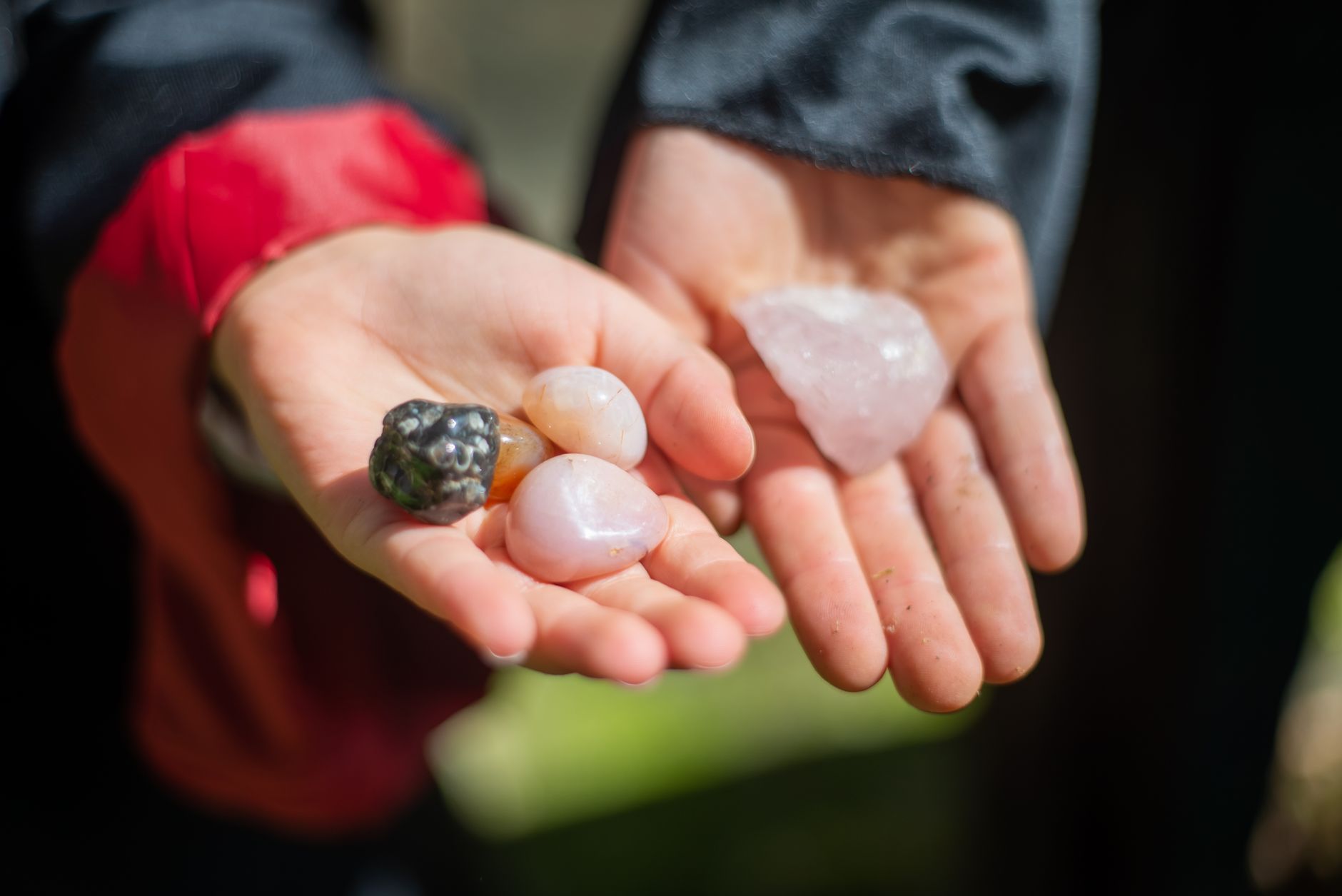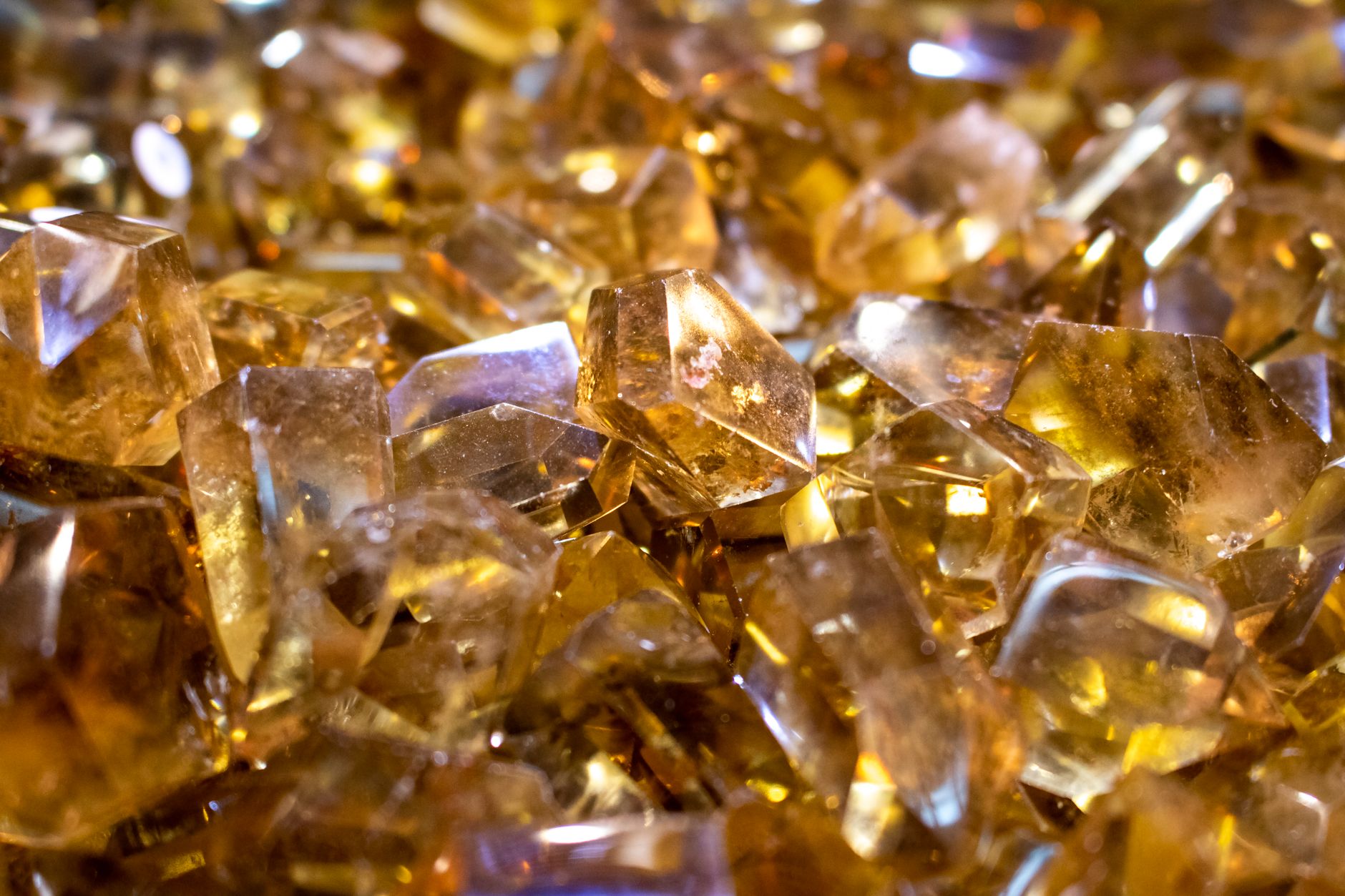
Most tumbling failures start long before the barrel starts rolling. Rock selection controls how much time you spend, how much grit you burn through, and whether you end up with a glossy cab or a pile of bruised chips. Agate, jasper, quartz, and petrified wood dominate beginner tumbling because they share a few winning traits. They sit between 6.5 and 7 on the Mohs hardness scale, they are fine-grained, and they take a polish with standard silicon carbide grit. If you are just starting out, match those rocks to a solid best rock tumbler for beginners before chasing rare material.
Hardness is the first filter. Rocks softer than 5.5, like calcite or fluorite, wear away too fast and rarely survive a full coarse grind. Rocks harder than 7 can work, but many are brittle or crystalline and will chip at the edges. The sweet spot for most hobby tumblers is 6.5 to 7. That is exactly where agate, jasper, quartz, and petrified wood sit. Check the Mohs hardness scale guide to test a mystery chunk before you commit. Mineral data from Mindat.org shows why microcrystalline quartz like agate polishes better than coarse-grained granite: the tiny interlocking crystals create a smooth surface without pulling out grains.
Grit and rock choice work together. Hard rocks need aggressive silicon carbide to remove rind and shape edges. Soft rocks need less time in coarse grit or they simply dissolve. A standard four-stage tumble uses 60/90, 220, 500, and polish grit, but the exact schedule changes with the rock. Get the full routine in our rock tumbling step-by-step guide and understand abrasive choices in the rock tumbling grit guide. If you are buying rough rather than collecting, a mixed agate and jasper barrel is the most forgiving place to learn.
Always collect by the rules. Public land managed by the Bureau of Land Management may allow casual rock collecting, but limits vary by state and site. The BLM and USGS publish useful guidance on land status and mineral resources. Before you pry anything out of a road cut or dry wash, verify land ownership and collecting rules. Rockhounding on a valid claim or inside a national park can get you in serious trouble. Even on open ground, many districts limit collection to small personal amounts by surface disturbance only. A few minutes of map work beats losing your gear or paying a fine.
How Do the Top Options Compare?
| Rock | Mohs Hardness | Best For | Tumbling Difficulty | Polish Potential | Rough Cost |
|---|---|---|---|---|---|
| Agate | 6.5-7 | Beginner mirror polish | Easy | Excellent | Check agate rough on Amazon |
| Jasper | 7 | Opaque color | Easy | Excellent | Check jasper rough on Amazon |
| Quartz | 7 | Variety loads | Moderate | Very good | Check quartz rough on Amazon |
| Petrified Wood | 6.5-7 | Display pieces | Moderate | Very good | Check petrified wood rough on Amazon |
| Obsidian | 5-5.5 | Glossy black | Advanced | Good | Check obsidian rough on Amazon |
| Sodalite | 5.5-6 | Deep blue stones | Intermediate | Fair to good | Check sodalite rough on Amazon |
Rough costs vary by grade, source, and shipping weight. Prices reflect typical mixed lapidary rough, not rare display specimens. Always verify land ownership and collecting rules before removing material from public or private land.
1. Agate , Best overall beginner tumbling rock
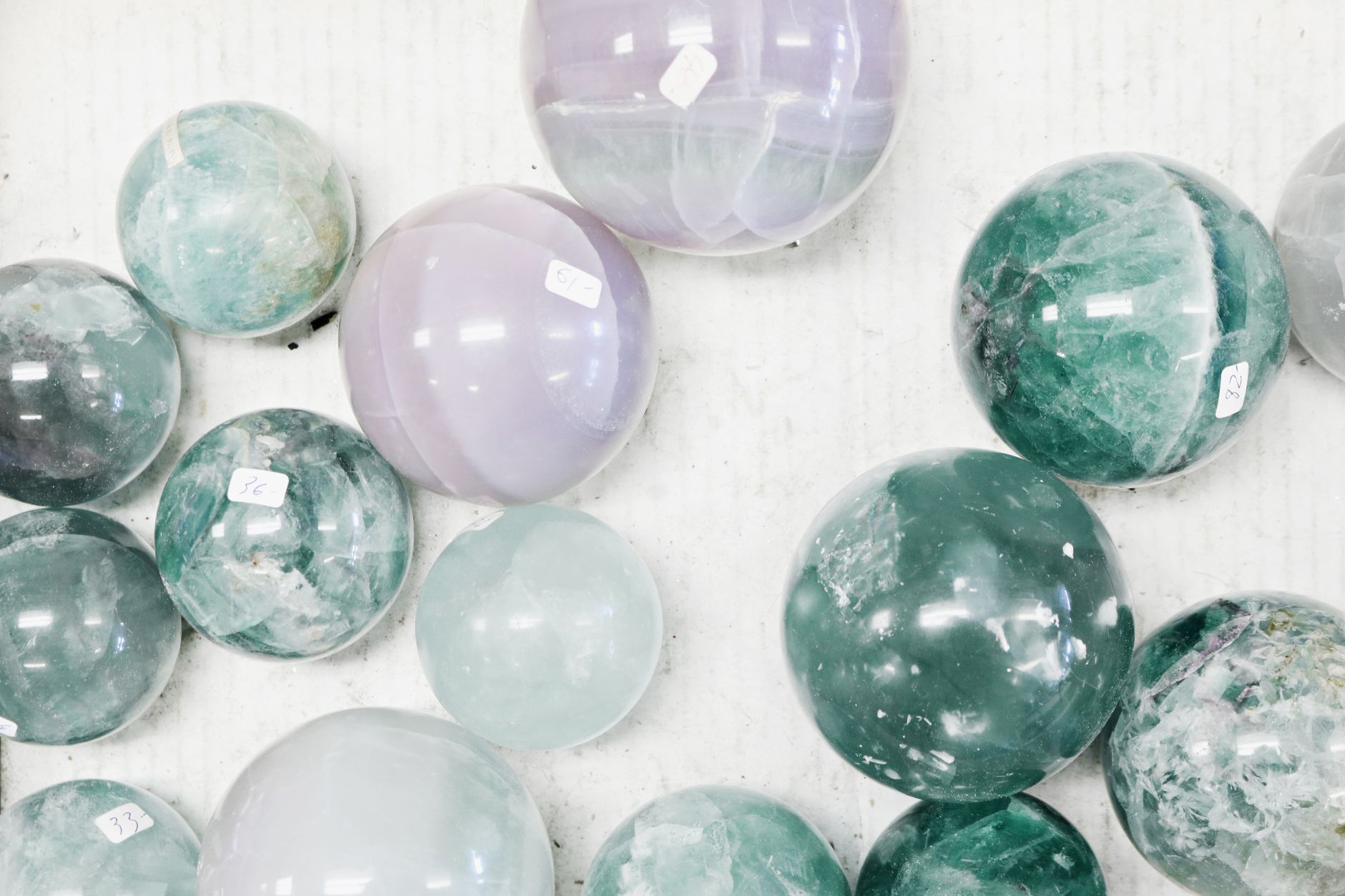
Agate is the standard answer for a reason. Formed as bands of microcrystalline quartz in volcanic cavities, agate has a Mohs hardness of 6.5 to 7 and a dense, even texture that takes a mirror polish. Brazilian agate, Botswana agate, Montana moss agate, and Lake Superior agate are all tumbling favorites. The banding hides small fractures better than clear quartz, so a beginner can still get a showy stone from rough with minor flaws. Learn to tell agate from soft chert before you fill your barrel with our how to identify agates guide. Agate can handle long coarse runs with 60/90 silicon carbide, which makes it useful for shaping rounded edges. It also accepts fine grit and polish without pitting. I run agate-heavy batches in a Lortone 3A rock tumbler because the slower barrel speed reduces bruising. The main downside is cost if you buy high-grade rough, and some dense nodules need extra weeks in stage one to smooth out pits.
Key strengths:
- ✅ Takes a bright, glassy polish with standard grit
- ✅ Hardness 6.5 to 7 resists cracking and wear
- ✅ Banding and inclusions hide small flaws
- ✅ Works in mixed loads with jasper and quartz
- ❌ High-grade rough can be expensive
- ❌ Some nodules need long coarse shaping
- ❌ Hardness varies slightly by locality
Who it’s for: Beginners who want the most forgiving path to a mirror-polish stone.
2. Jasper , Best for colorful opaque finishes
Jasper is a close cousin to agate, but it forms as dense, opaque chalcedony with colors caused by iron oxides and other minerals. It sits at Mohs 7 and behaves almost identically in a tumbler. Picture jasper, red jasper, yellow jasper, and ocean jasper all take a rich polish, though some material has small vugs or quartz veins that catch grit. The colors stay bold even after stage four because the stone is opaque and does not show internal fractures like clear quartz. Jasper works best in mixed loads with agate and petrified wood. It is slightly tougher than some agate, so it can survive a longer 60/90 coarse stage to knock down sharp edges. Watch for soft hematite bands in picture jasper; they can undercut and leave grooves. If your rough has deep cracks or a sandy texture, cut those sections out before tumbling. For a normal 3-pound barrel, a standard rock tumbler grit kit with silicon carbide stages handles jasper well. The finished stones have a solid, almost porcelain-like feel that makes them great for jewelry and display.
Key strengths:
- ✅ Hardness 7 allows a standard coarse stage
- ✅ Opaque colors hide internal fractures
- ✅ Takes a rich polish with silicon carbide
- ✅ Mixes well with agate and petrified wood
- ❌ Soft hematite bands can undercut
- ❌ Vugs and quartz veins may trap grit
- ❌ Sandy or heavily fractured rough needs culling
Who it’s for: Tumblers who want bold, opaque color without the fuss of clear quartz.
3. Quartz , Best for clear and varied crystals
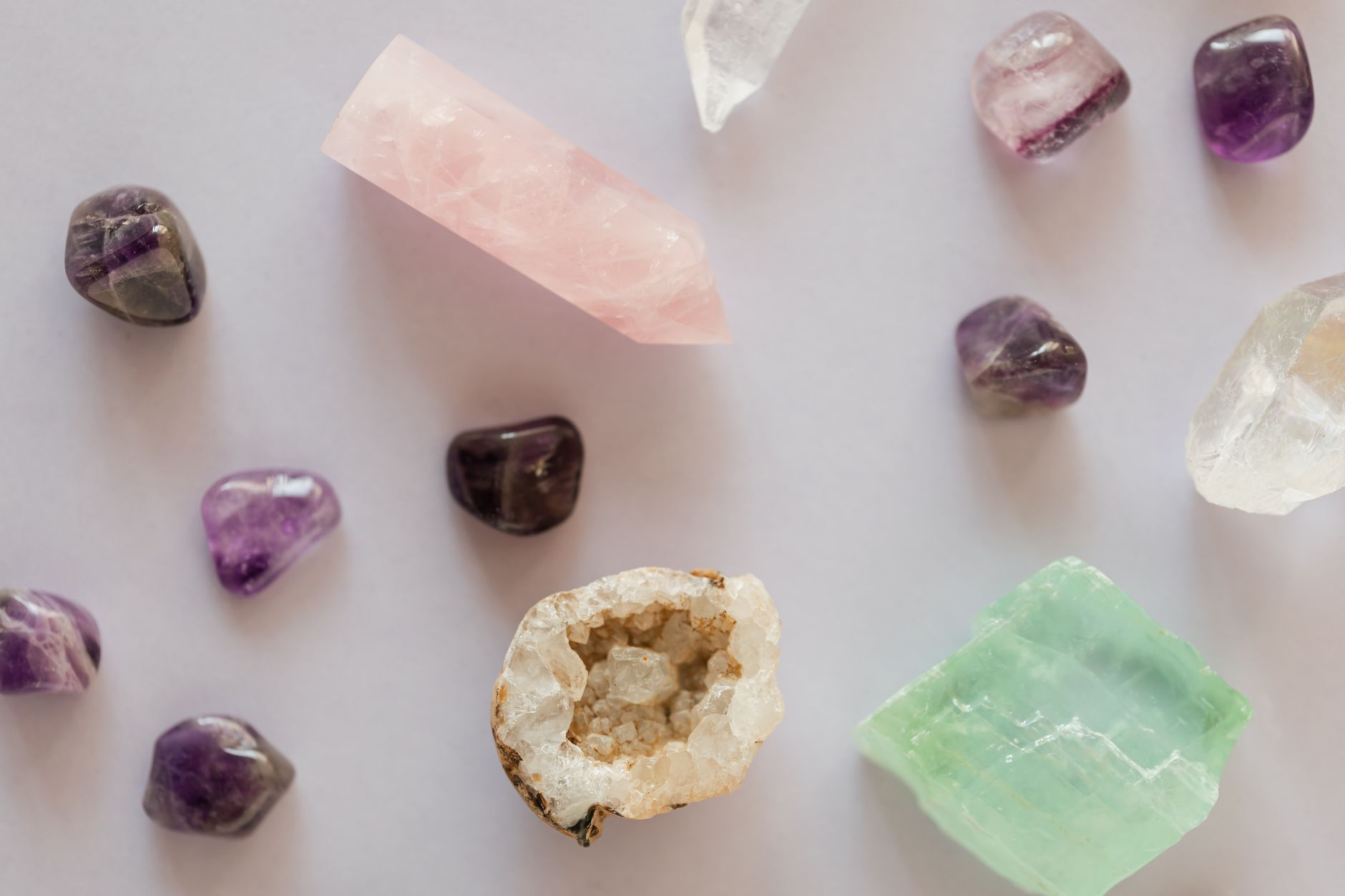
Clear quartz, rose quartz, smoky quartz, and amethyst all tumble, but they behave differently than agate. They have a Mohs hardness of 7, which is fine, but their crystalline structure and internal cleavage planes make them more likely to chip. Clear quartz tends to show every fracture and inclusion, so hand-select rough with few cracks. Rose quartz often polishes better because its milky color hides minor fractures. Quartz benefits from a gentler coarse stage. Use 60/90 grit but check the barrel every three days. Over-tumbling clear quartz in coarse grit produces a frosty, bruised look that will not polish out later. Add ceramic media or plastic pellets to cushion the sharp crystal edges. The reward is a bright stone that catches light, and the variety keeps the barrel interesting.
Key strengths:
- ✅ Hardness 7 works with standard grits
- ✅ Available as clear, rose, smoky, and amethyst
- ✅ Rose quartz hides fractures better than clear quartz
- ✅ Widely collected and sold as tumbling rough
- ❌ Clear quartz fractures show through to the surface
- ❌ Crystal faces can chip without cushioning
- ❌ Over-tumbling causes a permanent frosted surface
Who it’s for: Tumblers who want variety and can accept a few imperfect clear stones.
4. Petrified Wood , Best for organic patterns and display pieces
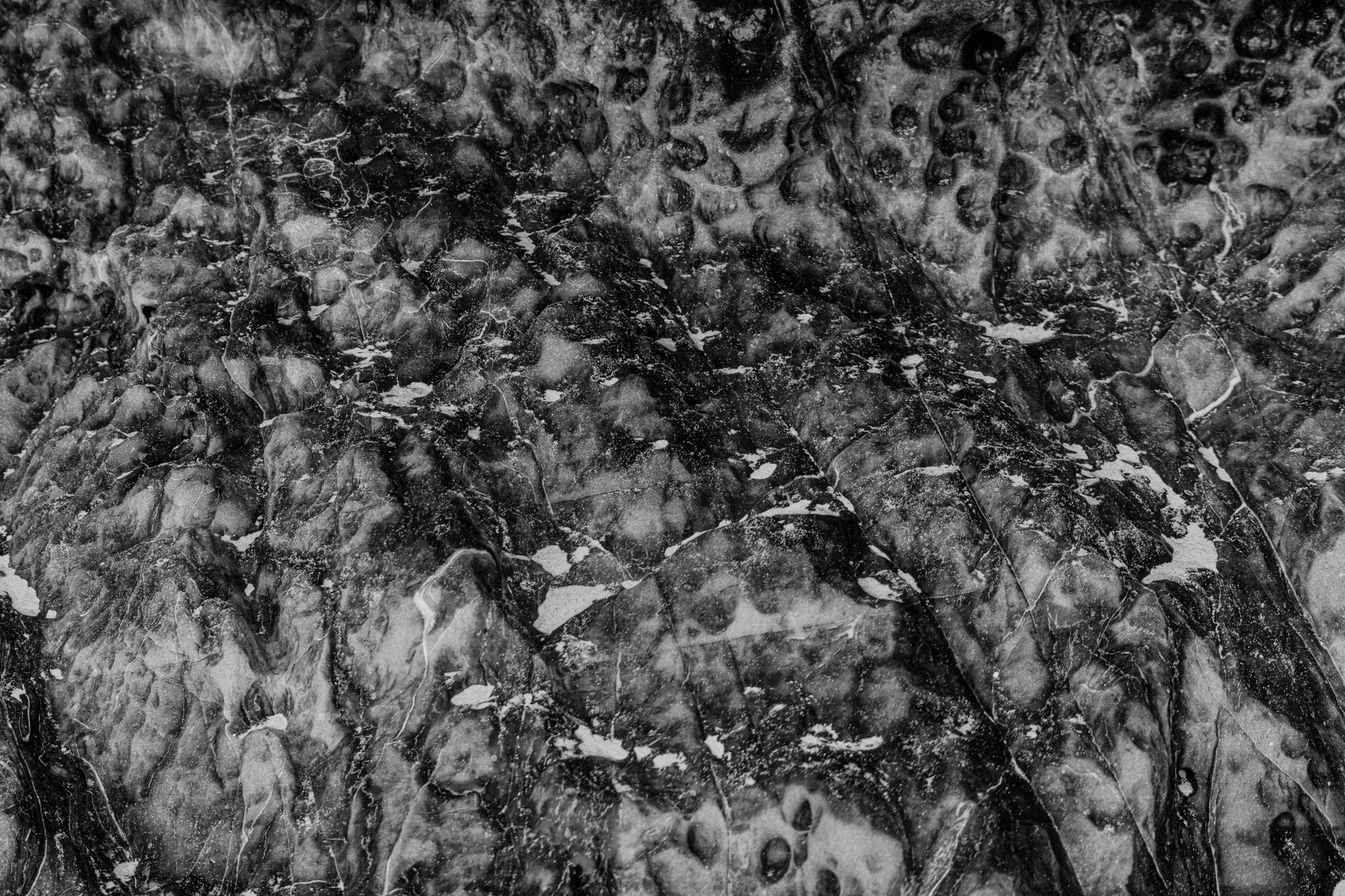
Petrified wood forms when silica replaces buried wood, often preserving growth rings and bark textures. Most petrified wood sits around Mohs 6.5 to 7 and polishes into a warm, chatoyant surface that shows wood grain. Arizona and Oregon produce famous material, and our rockhounding in Arizona guide covers where to find legal public collecting spots. Not every piece is tumbling-grade. Look for solid silica replacement without soft, punky areas or quartz pockets. Tumble petrified wood in a dedicated load until you know your material. Some pieces have tiny voids or cracks that hold grit, so inspect between stages and scrub with a toothbrush. Use more cushioning than you would for agate because the elongated shapes can chip. The final polish can be spectacular, with grain lines and bark texture glowing under a coat of mineral oil.
Key strengths:
- ✅ Hardness 6.5 to 7 takes a good polish
- ✅ Preserved wood grain creates one-of-a-kind stones
- ✅ Common in Arizona and Oregon collecting areas
- ✅ Holds detail through all four stages
- ❌ Soft spots or quartz pockets can ruin a piece
- ❌ Elongated shapes chip without extra cushioning
- ❌ Cracks and voids trap grit between stages
Who it’s for: Rockhounds who want display pieces with visible organic texture.
5. Obsidian , Best for advanced tumblers seeking glossy black
Obsidian is natural volcanic glass with a Mohs hardness of 5 to 5.5, lower than agate and jasper. That may not sound soft, but in a tumbler it acts differently. Obsidian scratches easily, chips along conchoidal fractures, and can shatter if banged against hard rocks. It also produces a brilliant black or banded polish when treated gently, which attracts many lapidary artists. A successful obsidian run uses fine grit early, shorter stage times, and lots of plastic pellets or ceramic media. Do not mix obsidian with quartz or agate because the harder stones will beat it to pieces. Stop the barrel frequently, wash the stones, and remove any pieces with sharp fractures before they damage the load. The result is a glossy black cab that looks far more expensive than the effort needed to collect it.
Key strengths:
- ✅ Produces a bright black or banded polish
- ✅ Lower hardness allows shorter stage times
- ✅ Readily available in volcanic regions
- ✅ Cushioning media helps prevent major chipping
- ❌ Brittle and easily scratched
- ❌ Cannot be mixed with harder rocks
- ❌ Requires frequent barrel checks and culling
Who it’s for: Advanced tumblers who want glossy black stones and are willing to babysit the barrel.
6. Sodalite , Best for deep blue intermediate stones
Sodalite is a feldspathoid mineral with a Mohs hardness of 5.5 to 6, which makes it softer than agate but still tumbleable with care. Its royal blue color and white veining are the draw. The main risk is undercutting: the white calcite or feldspar veins wear faster than the blue sodalite, leaving grooves. Choose rough with fine, evenly distributed veining rather than thick soft bands. Sodalite needs a shorter coarse stage and plenty of cushioning. Run it with similar hardness stones or alone. Check the barrel every two days. Final polish can be tricky because the softer material sometimes refuses to take a high shine with standard aluminum oxide. Use tin oxide or cerium oxide polish if you see a dull haze after stage four. The deep blue color is worth the extra attention.
Key strengths:
- ✅ Deep royal blue color stands out after polishing
- ✅ Hardness 5.5 to 6 allows gentle tumbling
- ✅ White veining creates interesting patterns
- ✅ Works well in dedicated loads with cushioning
- ❌ Soft veins undercut and leave grooves
- ❌ Final polish may require tin oxide or cerium oxide
- ❌ Needs frequent inspection and a shorter coarse stage
Who it’s for: Intermediate tumblers who want dramatic blue stones and are ready to adjust grit.
Frequently Asked Questions
What is the best rock for beginner tumbling?
Agate is the best beginner rock. It has a Mohs hardness of 6.5 to 7, resists fracturing, and takes a bright polish with standard grit. Jasper is a close second for opaque color.
Can I tumble rocks I find in my backyard?
Only if they are hard, fine-grained, and free of visible cracks. Many backyard quartz and chert pieces can work, but you should test hardness first and reject grainy or porous material.
How long does it take to tumble rocks?
A standard four-stage tumbling cycle takes 4 to 6 weeks total. Each grit stage typically runs 5 to 10 days depending on the rock and barrel size.
What rocks should I avoid in a rock tumbler?
Avoid sandstone, limestone, shale, schist, and any rock with visible cracks or pits. Soft rocks disintegrate, and porous rocks trap grit that later scratches the batch.
Can obsidian be tumbled?
Obsidian can be tumbled, but it is brittle and scratches easily. Use fine grit, extra plastic pellets or ceramic media, shorter run times, and never mix it with harder rocks.
Do I need different grit for different rocks?
A standard silicon carbide grit sequence works for most hard rocks. Very soft or brittle rocks like obsidian and sodalite often need a gentler schedule with more cushioning.
What Should You Remember?
- Hardness first: Target Mohs 6.5 to 7 rocks for the fastest glossy results.
- Best starters: Agate and jasper take a polish with the fewest failures.
- Grit sequence: Silicon carbide grit from 60/90 through polish is non-negotiable.
- Avoid soft rocks: Limestone, sandstone, and shale turn to mud in the barrel.
- Sort by hardness: Tumbling mixed hardness rocks causes scratches and shattered edges.
- Check land rules: Verify BLM, USFS, or private ownership before collecting rough.
- Patience pays: A full four-stage tumble takes four to six weeks but produces a real polish.
This article is for general information only. Rockhounding and collecting carry land-access, safety, and legal obligations , always verify claim status, land ownership, and collecting rules before removing material, and get landowner or land-agency permission where required. Field collecting involves physical hazards; use proper safety gear and never enter mines or unstable terrain.