How to Cut Rocks with a Tile Saw: Budget Lapidary for Beginners

How to Cut Rocks with a Tile Saw: Budget Lapidary for Beginners

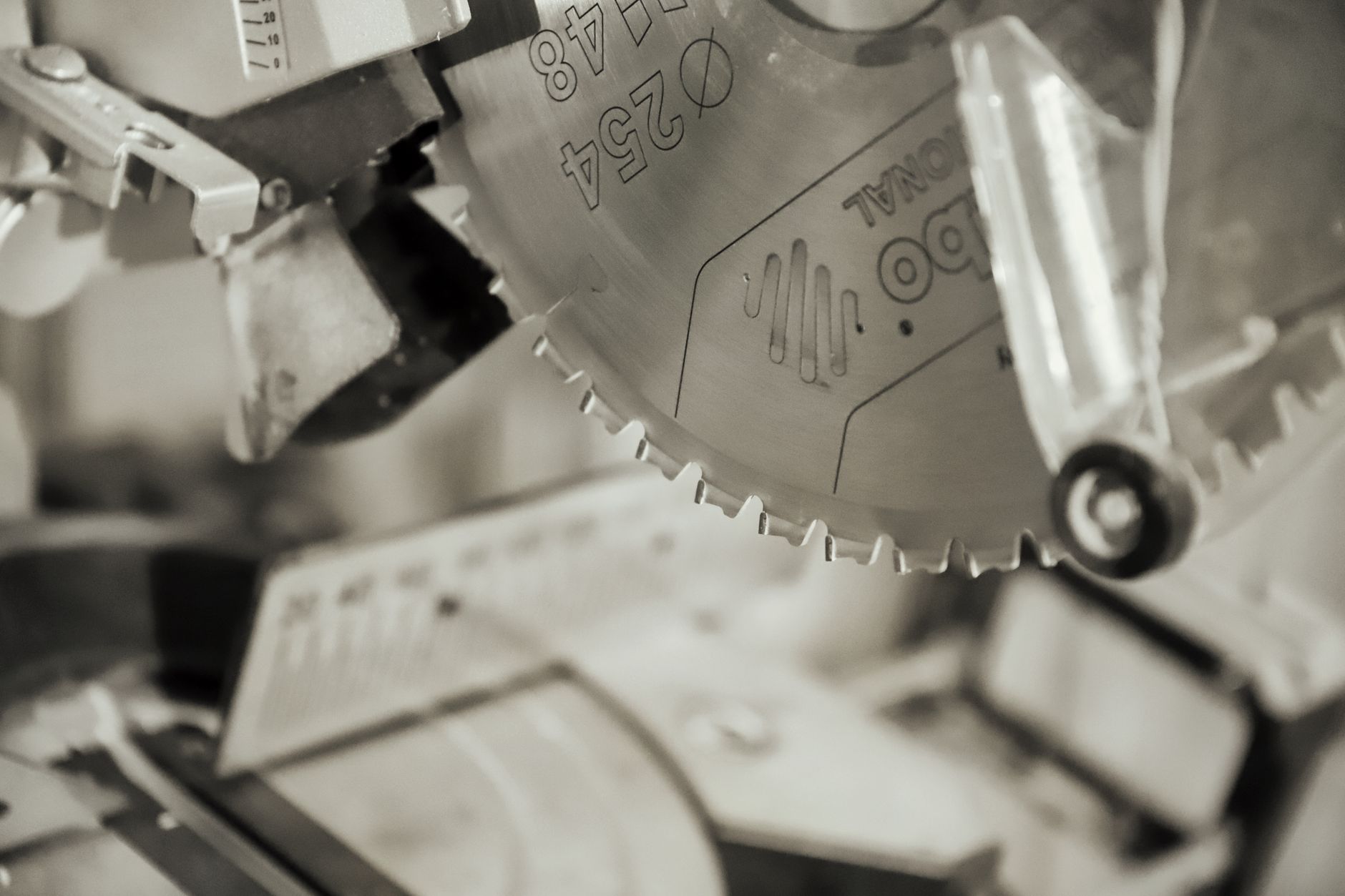
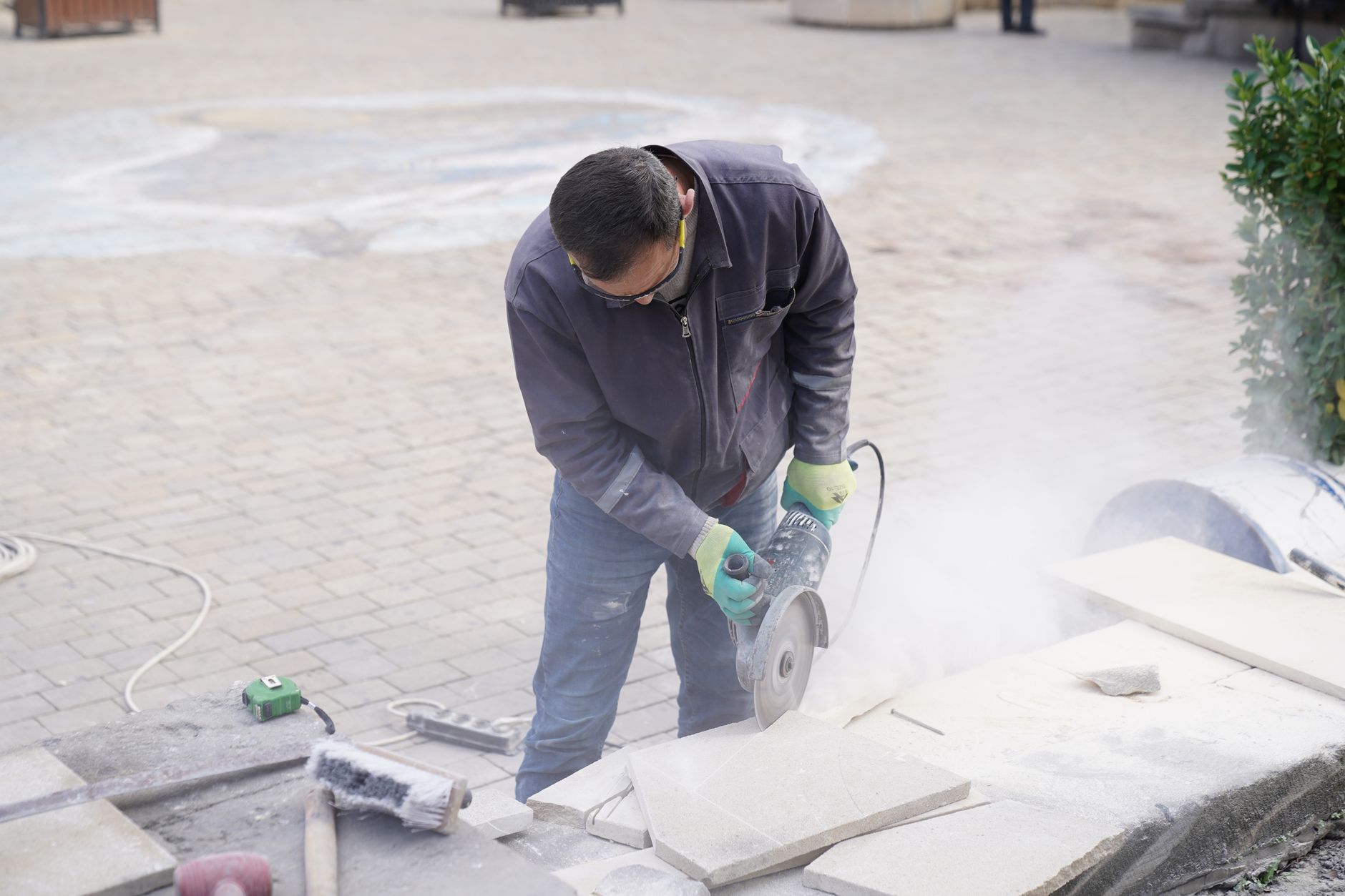
Quick Answer: Cutting rocks with a wet tile saw is a proven budget lapidary method. Use a continuous rim diamond blade, keep the blade cool with water, and feed slowly. Agate, jasper, and petrified wood up to 1.5 inches thick work well. Safety gear and land permission come first. Many rockhounds assume lapidary work requires a $1,500 slab saw and a dedicated shop. That is not true for beginners. You can cut rocks with a standard wet tile saw and get real slabs, preforms, and display pieces. The process works for agate, jasper, petrified wood, quartz, and similar material. You trade some feed control and slab thickness for a much lower price. The RockhoundGuide method focuses on safe, budget gear and repeatable technique. That means most collectors can start for under $150. ...
August 16, 2026 · 14 min · Jarrod Gravison
Best Rockhounding Gear 2026: Complete Equipment Guide

Best Rockhounding Gear 2026: Complete Equipment Guide

Quick Answer: Start with a 22 oz rock pick, a 10x loupe, and a basic field guide. Add a rotary tumbler only if you plan to polish stones. Wear safety glasses on every trip. Check BLM and local rules before collecting on public land. The Estwing E3-22P, BelOMO triplet, and Lortone 3A remain our top picks for 2026. Most rockhounding failures happen before the first swing. You do not need a truckload of gear to find agates, jasper, or quartz crystals. You need a few durable tools that work on public land, fit in a daypack, and survive dust and rock chips. We tested the core kit over dozens of trips across Arizona, Oregon, and North Carolina. This guide updates our picks for 2026 and focuses on gear that actually matters when you are bent over a gravel bar or cracking open a weathered basalt seam. Before you head out, check our best rockhounding states 2026 guide to pick a target zone. ...

August 16, 2026 · 12 min · Jarrod Gravison
Best Rock Hammers for Rockhounding 2026: Tested Picks

Best Rock Hammers for Rockhounding 2026: Tested Picks

Quick Answer: The best overall rock hammer for most rockhounds is a 22-ounce Estwing rock pick with a pointed tip and shock reduction grip. It handles shale, limestone, and small geodes. For hard igneous rock or heavy chisel work, use a 3-pound crack hammer. A rock hammer is the first serious tool a rockhound buys. It does more than break rock. It pries open outcrops, trims specimens, and helps you test hardness in the field. In 2026, the market is dominated by forged one-piece steel picks, but the best choice still depends on where you collect and what you are after. Before you load up, read our best rockhounding gear guide to see how hammers fit into a full kit. A bad hammer wastes energy, chips easily, and can ruin a pocket of agates before noon. The right hammer saves your wrist and your specimens. ...

August 16, 2026 · 10 min · Jarrod Gravison
Best Loupes for Rockhounding 2026: Magnification for Mineral ID

Best Loupes for Rockhounding 2026: Magnification for Mineral ID

Quick Answer: A 10x triplet loupe is the best all-around field magnification for rockhounding. The BelOMO 10x Triplet 21mm is our top pick for 2026 because of its sharp, wide field. Budget option: SE 10x 18mm triplet. Budget lighted pick: Carson Optical 10x Lighted Loupe. Avoid cheap plastic singlets if you care about mineral identification. Rockhounding begins with your eyes, but many field identifications stall before you ever swing a hammer. A sharp loupe changes that. It lets you see crystal faces, cleavage planes, striations, and tiny inclusions that separate fluorite from calcite or genuine quartz from polished glass. After testing a pile of loupes on quartz, agate, garnet, and a piece of Franklin marble, I put this guide together for rockhounds who want optical quality without hauling a microscope. For a broader look at field equipment, check our best rockhounding gear guide before you spend money. If you are still learning what to look for at magnification, the gemstone identification guide explains the features that matter. ...

August 16, 2026 · 12 min · Jarrod Gravison
Best Lapidary Equipment 2026: Saws, Cabbing Machines & Polishers

Best Lapidary Equipment 2026: Saws, Cabbing Machines & Polishers

Quick Answer: For most rockhounds in 2026, the best lapidary setup combines a 10-inch trim saw for rough cutting, a 6-inch cabbing machine for shaping and polishing, and a flat lap or arbor for final polish. The CabKing 6-inch and Hi-Tech Diamond 10-inch saw are the top value picks. Your choice depends on workspace, budget, and whether you cut agates, jaspers, or softer minerals. If you have spent any weekend hunting agates in Arizona or jasper on Lake Superior beaches, you know the feeling. Your bucket is heavy, your back is sore, and every rough stone looks like a mystery until it gets cut. The best lapidary equipment in 2026 turns that mystery into a finished cabochon, sphere, or polished slab. This guide compares the saws, cabbing machines, and polishers that actually earn bench space in a serious rock shop. We focus on gear that can handle the minerals rockhounds actually collect, from quartz at Mohs 7 to tougher jaspers and softer opals. Before you buy, check our best rockhounding gear guide for the big-picture setup. ...

August 16, 2026 · 12 min · Jarrod Gravison