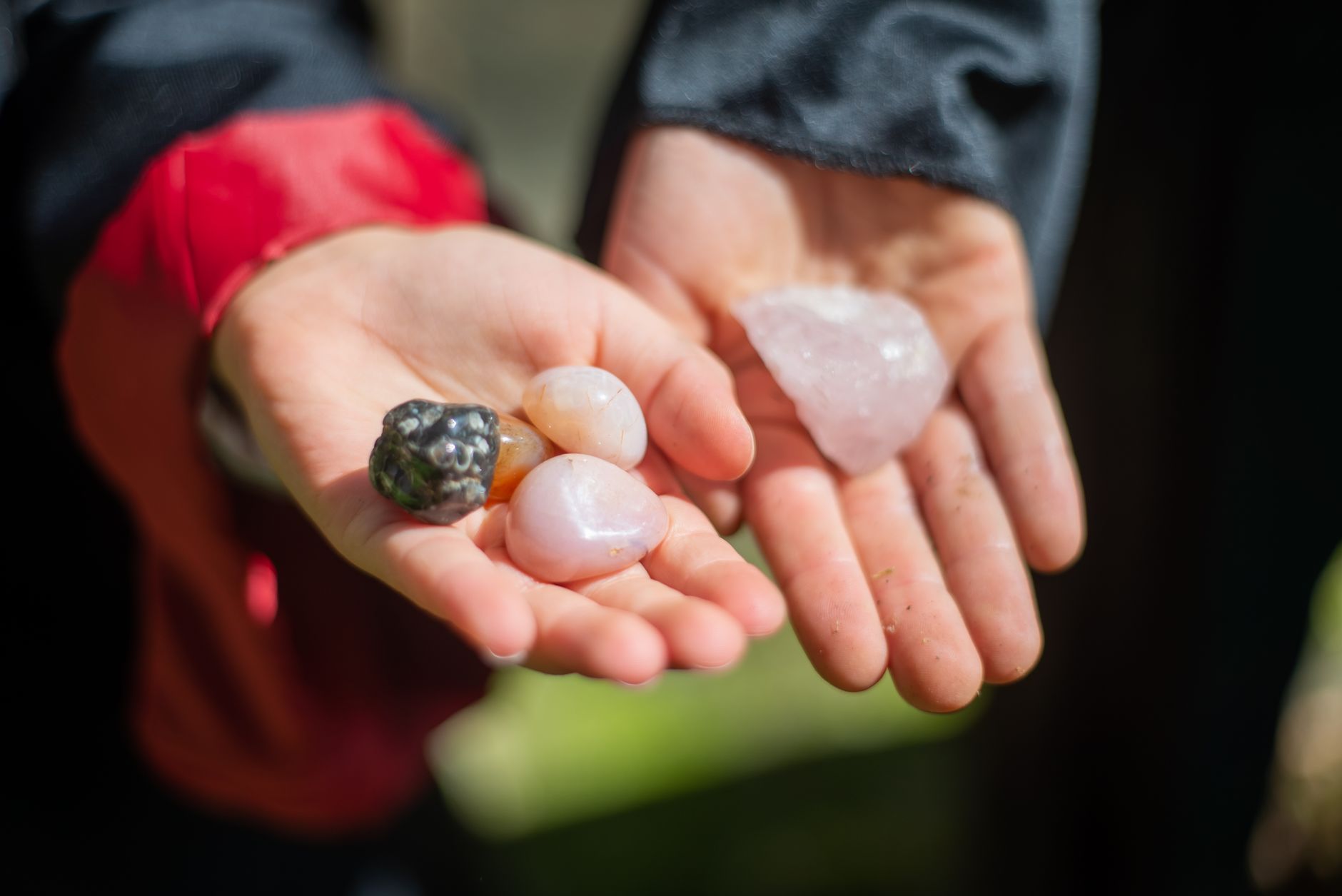
Finding a glittering crystal is exciting, but naming it can be harder than finding it. Many beginners grab a stone and guess based on color alone. That leads to mislabeled collections and missed value. A purple stone might be amethyst, fluorite, charoite, or dyed glass. A yellow stone might be golden beryl, citrine, calcite, or even sulfur. Field identification is a process of elimination, not a single observation. You need to test hardness, streak, luster, and crystal shape before you trust a name. Our how to identify rocks and minerals in the field guide walks through the basics.
Most rocks and gems share common mineral families. Learning a few diagnostic properties will help you separate the big groups quickly. The GIA teaches gemologists to use observation and measurement before naming a stone. Mindat.org is the most complete free mineral database for hobbyists. According to standard mineral reference data, quartz has a Mohs hardness of 7 and corundum has a hardness of 9. Those two numbers alone can solve many field mysteries. With a simple field kit and a little practice, you can identify most of what you find on public or private land.
| Gemstone / Mineral | Mohs Hardness | Key Identification Clue | Common Colors |
|---|---|---|---|
| Quartz | 7 | Scratches glass; six-sided prisms | Clear, white, purple, yellow |
| Garnet | 6.5-7.5 | Rounded dodecahedra; glassy luster | Red, orange, green |
| Beryl | 7.5-8 | Hexagonal columns; flat ends | Green, blue, pink, yellow |
| Corundum | 9 | Barrel-shaped prisms; very hard | Ruby red, sapphire blue, pink |
| Calcite | 3 | Rhombohedral cleavage; fizzes in acid | Clear, white, yellow, orange |
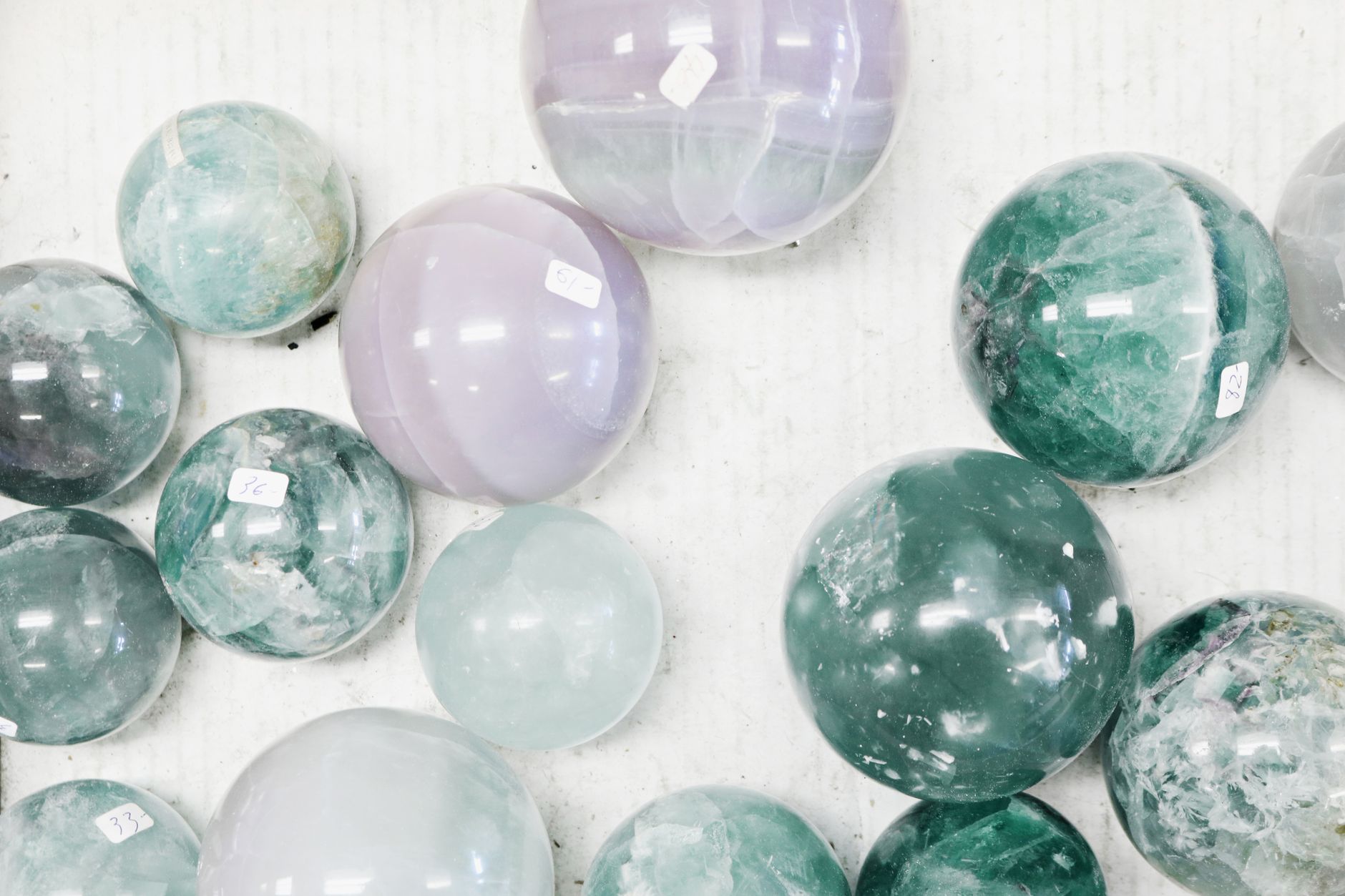
| Fluorite | 4 | Cubes and octahedra; fluorescence | Purple, green, blue, clear |
| Pyrite | 6-6.5 | Brassy color; dark green-black streak | Pale brass yellow |
What Are the Most Useful Gemstone Identification Clues?
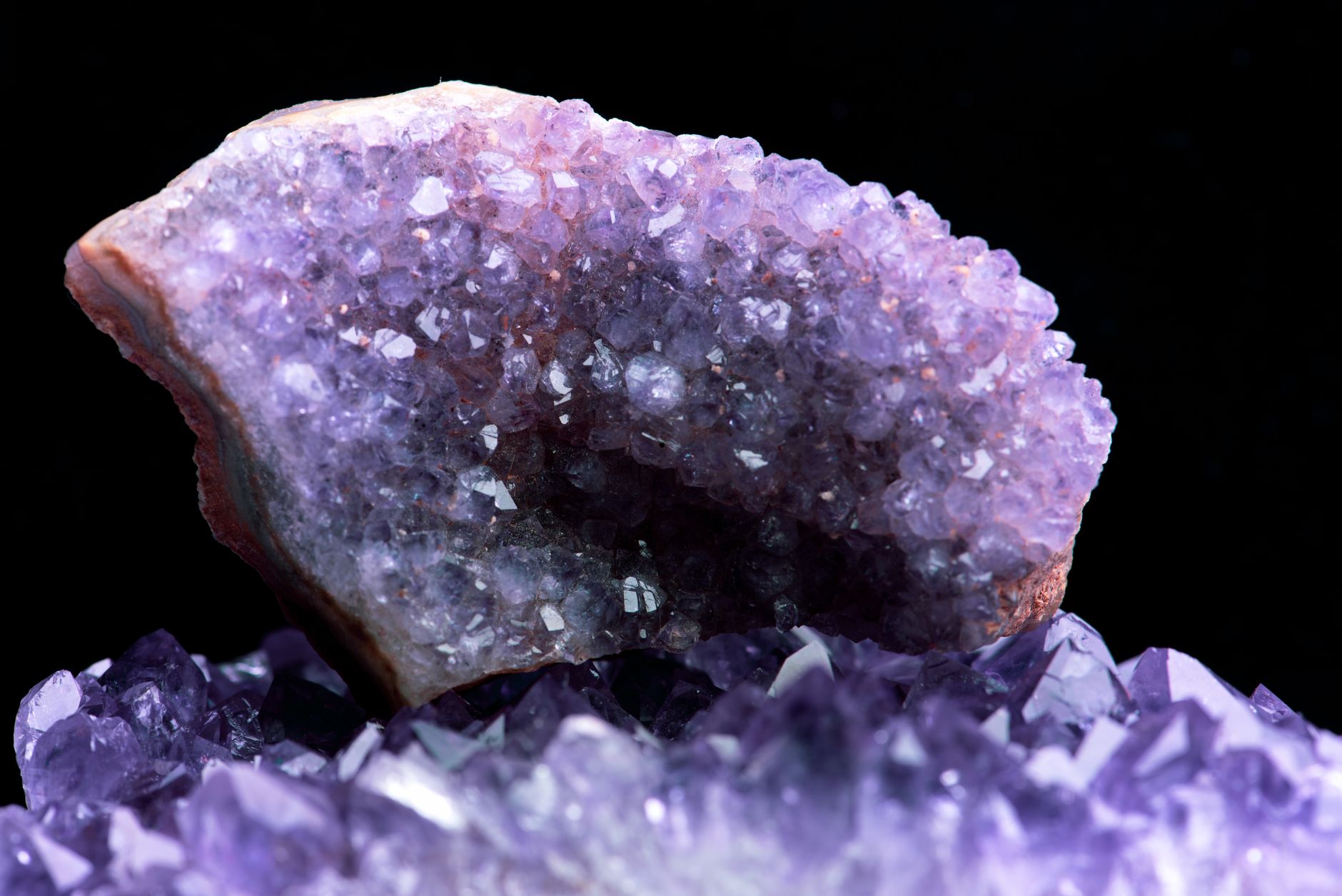
Color is the first thing you notice, but it is often the least reliable clue. Impurities can change color completely. A pure quartz crystal may be clear, while trace iron creates purple amethyst or yellow citrine. Because of this, you need at least three other observations before you name a specimen. A 10x triplet loupe helps you inspect internal fractures, growth lines, and tiny inclusions. You can find field strategies in our how to identify rocks and minerals in the field guide.
Crystal shape, or habit, is a strong clue. Quartz often forms six-sided prisms with pointed ends. Garnets commonly grow as rounded, twelve-sided dodecahedra. Beryl forms hexagonal columns. Fluorite forms cubes or octahedra. When you find a broken piece, look for flat cleavage planes versus irregular fracture surfaces. Cleavage is a mineral property that repeats and can narrow the list fast.
Luster describes how light reflects from a surface. Glassy or vitreous luster is common in quartz and topaz. Resinous luster is typical of sphalerite. Adamantine luster is the brilliant sparkle of diamond and some cerussite. Pearly luster often appears on mica or gypsum cleavage faces. In poor light, a small flashlight and a hand lens can reveal these differences.
Hardness is the most reliable quick test for field identification. On the Mohs scale, talc is 1 and diamond is 10. Quartz sits at 7, which means it will scratch ordinary window glass. Topaz is 8. Feldspar is 6. If a stone scratches glass but does not scratch quartz, you are likely holding a feldspar or similar species. Check our Mohs hardness scale guide for more test methods. The mineral database at Mindat.org is also excellent for comparing your observations.
- Color: red garnet, green emerald, purple amethyst
- Streak: pyrite dark streak, hematite red-brown
- Hardness: quartz 7, topaz 8, corundum 9
- Luster: vitreous, resinous, pearly, adamantine
How Do You Test Hardness Without Damaging a Gemstone?
Hardness tests are non-destructive when you follow one rule: use the softer object against the harder stone. You create a tiny scratch on the mystery stone with a known material. Or you use the mystery stone to scratch a known surface like glass or a copper penny. Always test an inconspicuous corner or rough area, never the polished face of a cut gemstone. This protects value and appearance.
A Mohs hardness test kit gives you reference points from talc to corundum. You can also use common objects. A copper penny is about 3. A steel knife blade or file is around 6.5. A piece of window glass is about 5.5. If a stone is scratched by the knife but not by the penny, its hardness is between 3 and 6. That narrows the field immediately. For example, calcite is 3 and scratches easily with a penny, while apatite is 5 and resists the penny but not the knife.
For small or delicate specimens, magnification is essential to see the scratch mark. A quality loupe reveals tiny grooves and cleavage cracks that your naked eye misses. We review the best magnifiers in our best magnifying loupes guide.
Do not trust a scratch test alone. Some minerals have variable hardness depending on direction. Kyanite is the classic example: it can be about 4.5 along one axis and 7 across another. Weathering or a coating can also soften a surface. When you get a surprising result, clean the stone first. Our how to clean rocks and minerals guide shows safe methods before testing.
Why Does Streak Color Matter More Than Surface Color?
Streak is the color of the powdered mineral. You get it by scraping a stone across a piece of unglazed porcelain, called a streak plate. The streak color can be very different from the surface color. This is because the powder removes surface coatings and exposes the mineral’s diagnostic color. Hematite, for example, may look shiny black, gray, or rust red, but it always gives a red-brown streak. Pyrite looks brassy like gold but its streak is greenish-black or black. That one test separates it from real gold, which leaves a golden yellow streak and is soft enough to dent with a pin.
Use an unglazed porcelain streak plate. You can check the unglazed porcelain streak plate on Amazon. Press the stone firmly and pull it across the plate. Many beginners press too hard and scratch the plate instead of the mineral. If the mineral is harder than the plate, around 7 on the Mohs scale, it will not leave a streak. The plate itself will be scratched and produce white dust. In that case, streak is not useful and you should rely on hardness or other tests.
Streak is most helpful for metallic or strongly colored minerals. Galena has a gray streak. Sphalerite can have a light brown or yellow streak. Magnetite has a black streak. Even some nonmetallic minerals like siderite and rhodochrosite have diagnostic streaks. The USGS has educational resources on mineral properties, including streak and hardness, if you want a deeper reference.
If you are unsure whether a sparkly yellow mineral is gold or pyrite, streak and hardness will settle it quickly. Pyrite has a hardness of 6 to 6.5 and a black streak. Gold has a hardness of 2.5 to 3 and a golden streak. That is a huge gap. We break down more clues in our how to identify fool’s gold article.
Which Simple Tools Do You Need for Field Gemstone ID?
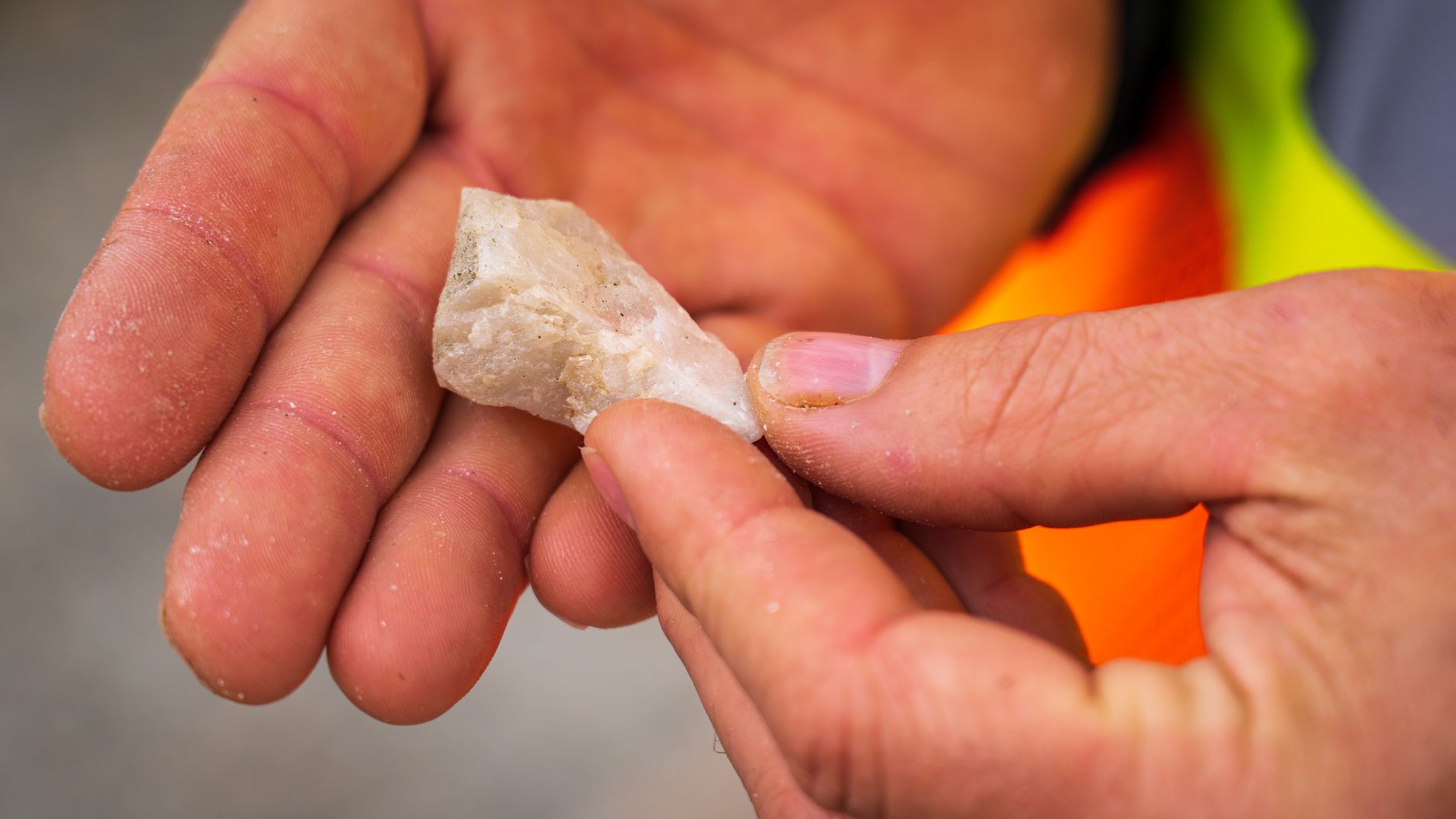
You do not need an expensive lab to identify most common gemstones. A small field kit with four or five tools covers 90 percent of finds. Start with a 10x triplet loupe because magnification reveals cleavage, growth zoning, gas bubbles, and scratches. A triplet loupe has three lenses that correct distortion, so details stay sharp. You can check the 10x triplet loupe on Amazon and compare options in our best magnifying loupes for rockhounds guide.
A streak plate is second. It is small, unglazed porcelain, and it provides a simple diagnostic color test. Third, add a Mohs hardness test kit or carry common objects like a copper penny, a steel nail, and a piece of glass. A small magnet helps with magnetite and some meteorite tests. A UV flashlight can reveal fluorescence in fluorite, calcite, and some opals, but it is not necessary for beginners.
A good field guide is just as valuable as any tool. It organizes minerals by color, hardness, and locality. Our mineral collecting field guide explains how to document finds. If you carry a small notebook and a hand lens, you can record streak, hardness, shape, and location. Locality matters because some species only occur in specific rock types or regions. Knowing the source can confirm or eliminate an identification.
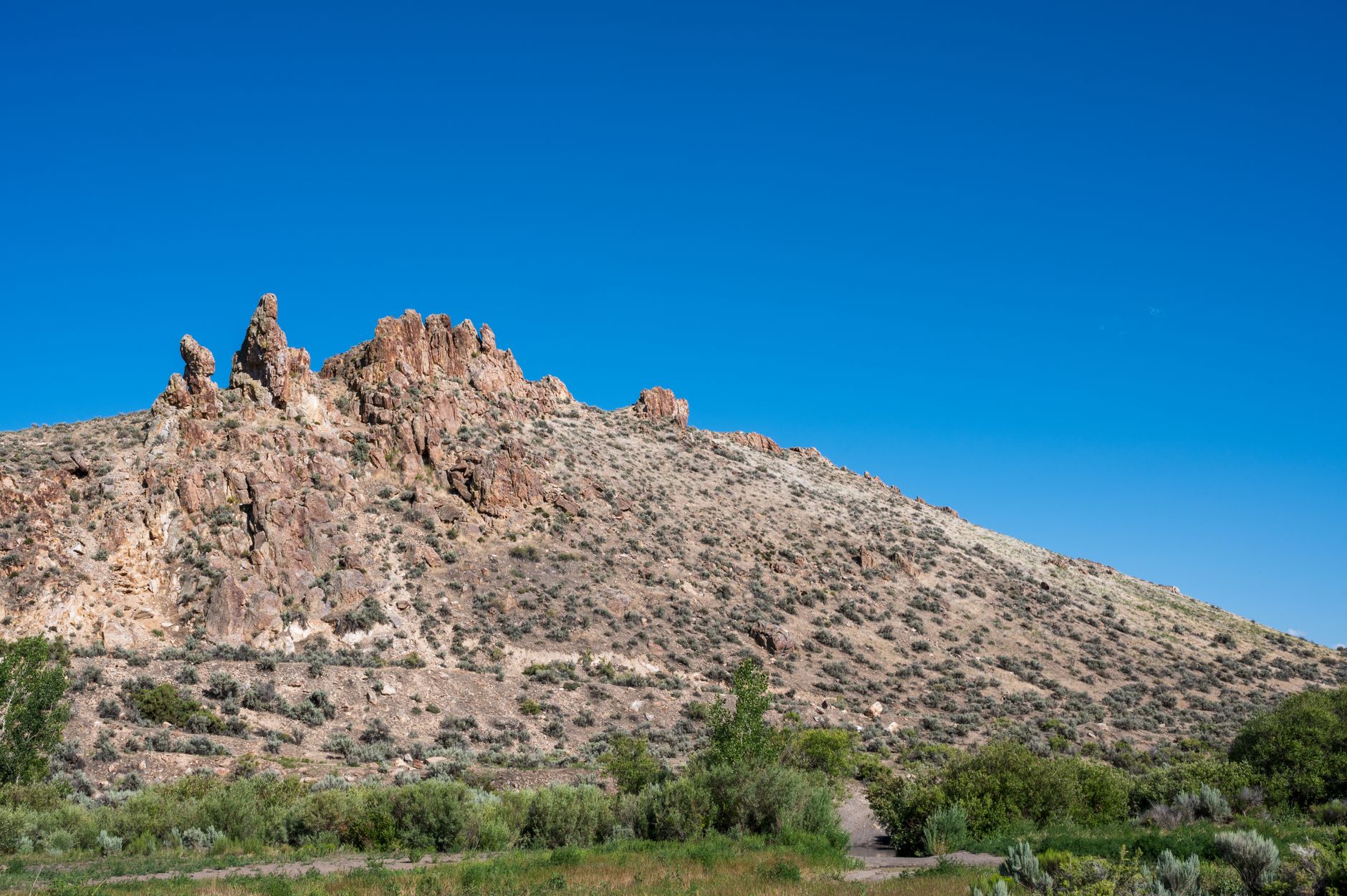
Before you remove any material, verify land ownership and collecting rules. Public land managed by the Bureau of Land Management often allows casual collecting, but rules vary by district. Some areas require permits or prohibit digging. Always check with the local field office before you collect. Our best rockhounding gear guide can help you pack safely and legally.
How Do You Identify Common Gemstones by Crystal Shape and Luster?
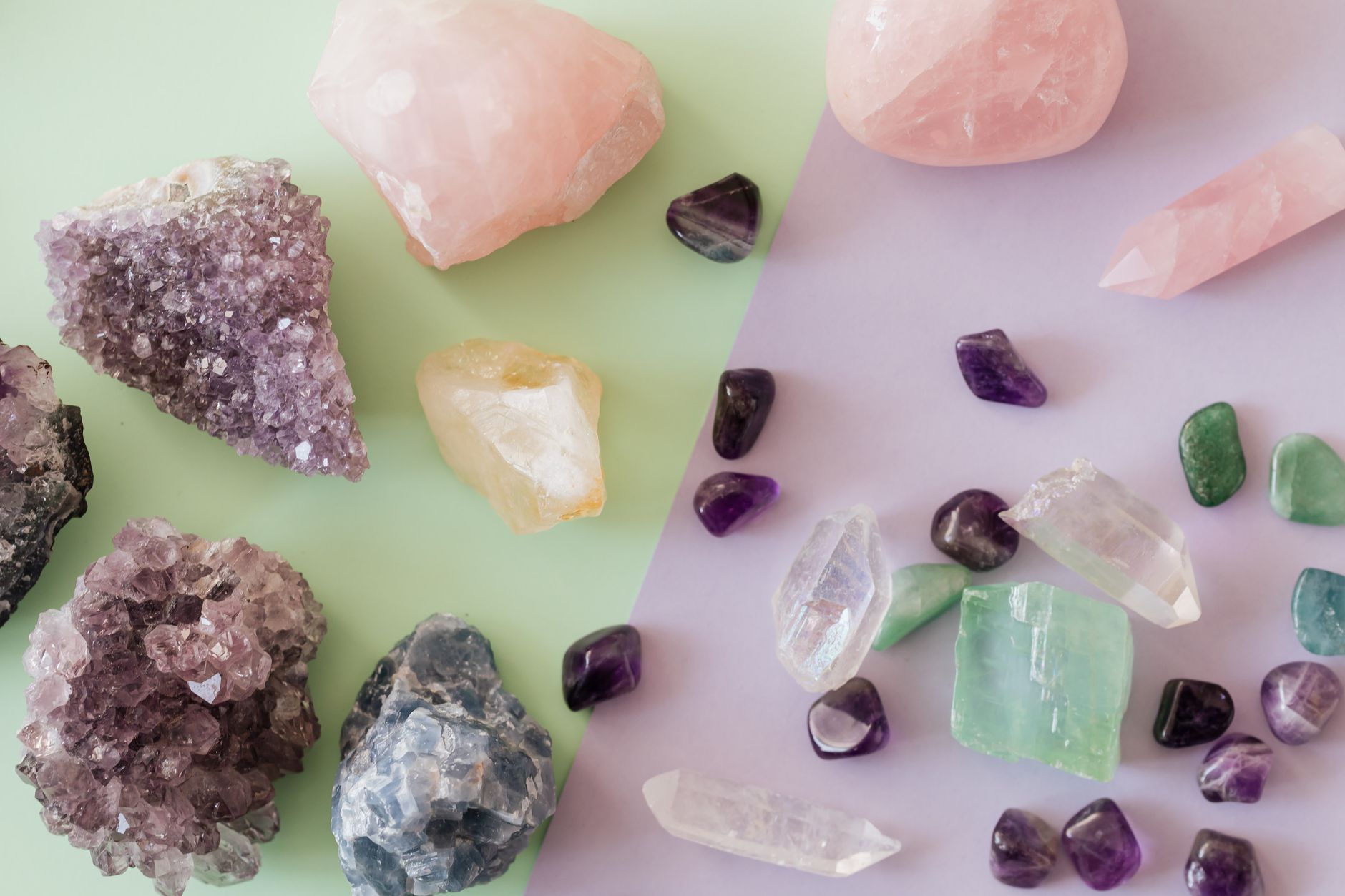
Crystal shape is a habit that repeats. Quartz grows as six-sided prisms capped by pyramid-like ends. Amethyst and citrine are quartz varieties, so the same shape applies. Agates and jaspers are also quartz, but they form as fine-grained masses rather than obvious prisms. Our how to identify agates guide explains banding, translucency, and chalcedony clues.
Garnet forms rounded, often dodecahedral crystals that can look like little soccer balls. It has a glassy to resinous luster and a hardness of 6.5 to 7.5. Beryl forms six-sided columns with flat ends. Emerald and aquamarine are beryl varieties. Corundum, which includes ruby and sapphire, forms barrel-shaped hexagonal prisms and has a hardness of 9. It is one of the hardest common gemstones after diamond.
Calcite is extremely common in sedimentary areas and shows perfect rhombohedral cleavage. It is soft at hardness 3 and fizzes in weak acid. Fluorite grows in cubes and octahedra and has a hardness of 4. It often shows color zoning and strong fluorescence under ultraviolet light. This combination of shape, hardness, and reaction is enough to separate calcite from quartz even if both can be clear.
Luster ties these observations together. Adamantine luster is rare and brilliant. Quartz and beryl have vitreous luster. Opal has a resinous to waxy luster. Many hobbyists start by sorting finds into metallic, glassy, waxy, and dull piles. That simple step eliminates many candidates before you test hardness. Specific regions produce known crystal shapes: Arkansas quartz, Arizona turquoise, and North Carolina emeralds. Our rockhounding in Arizona guide shows what to expect in the field. For a broader classroom-style overview, the GIA has free gemstone identification and education materials.
When Should You Confirm an Identification With a Professional or Lab?
Most field identifications are tentative. That is fine for personal collections, but some finds deserve a second opinion. If you find a transparent stone that could be diamond, corundum, or topaz, send it to a gemological lab. A professional report from GIA or another lab will describe species, variety, treatments, and sometimes origin. This matters for insurance, resale, and avoiding overconfident claims.
Lab testing is wise when a stone has high clarity, strong color, or unusual weight. Refractometer and specific gravity tests are more accurate than field hardness checks. Many jeweler gemologists have these tools and can run quick verifications. A gemstone with a high refractive index and high hardness might be a sapphire, but it could also be a synthetic. Only a lab can confirm synthetic versus natural in many cases. The GIA publishes useful gem identification reports and education articles.
For mineral species, Mindat.org is the best starting point. You can search by locality and view photos uploaded by collectors. Compare your specimen to images from the same county or mining district. If it matches, you have a stronger identification. USGS maps and reports can also tell you what rock units occur at your collecting site. This is useful because a crystal cannot form in the wrong geologic setting.
Never collect on private land without permission. On public land, rules vary. Check with the Bureau of Land Management or the local Forest Service office before removing material. Our rockhounding in Nevada guide includes examples of legal collecting areas and permit notes. When in doubt, photograph the specimen in place and record GPS coordinates. You can always return after you confirm the rules.
Frequently Asked Questions
What is the fastest way to identify a gemstone?
Start with hardness, streak, and crystal shape. A 10x loupe and a streak plate narrow most common finds in minutes. Always record color and locality as backup clues.
Can I identify a gemstone from color alone?
No. Color changes with impurities and lighting. Red could be garnet, ruby, spinel, or glass. Test hardness and streak before making a guess.
Is streak testing safe for polished gemstones?
No. Streak testing removes a small amount of material and can damage a polished face. Use it only on rough specimens or hidden surfaces.
What tools do I need to start identifying minerals?
A 10x triplet loupe, a streak plate, a Mohs hardness kit, and a small field guide. A magnet and UV light are optional extras.
How do I know if my stone is quartz or glass?
Test hardness. Quartz has a hardness of 7 and scratches glass. Most glass is around 5.5 and will not scratch quartz. A loupe may also reveal gas bubbles in glass.
Where can I verify a mineral identification?
Use Mindat.org for locality photos and data. GIA is good for gemstone species. USGS maps can confirm the local geology.
What Should You Remember?
- Test three properties before you trust any identification. Color alone misleads.
- Use a 10x loupe to inspect cleavage, fractures, and inclusions.
- Check streak and hardness to separate gold from pyrite and quartz from glass.
- Compare with Mindat.org and GIA for locality and species confirmation.
- Record location and rock type because geology narrows possible minerals.
- Verify land ownership and collecting rules before you remove any material.
- Clean your specimen first because coatings and dirt can hide key clues.
This article is for general information only. Rockhounding and collecting carry land-access, safety, and legal obligations , always verify claim status, land ownership, and collecting rules before removing material, and get landowner or land-agency permission where required. Field collecting involves physical hazards; use proper safety gear and never enter mines or unstable terrain.