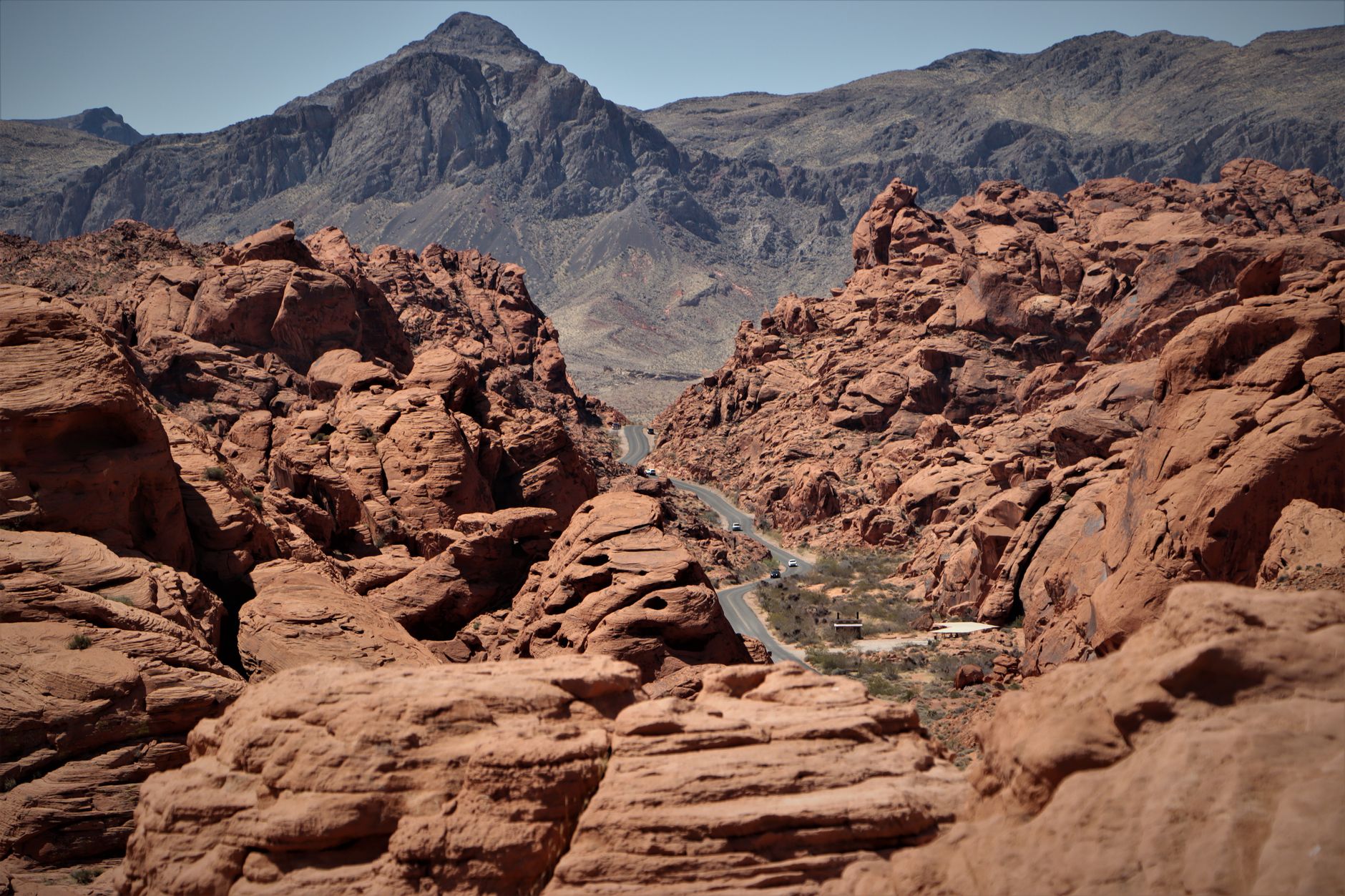
Nevada has more public land than almost any other state. The Bureau of Land Management manages about 67 percent of Nevada’s land. That means rockhounds have access to millions of acres of desert valley and mountain terrain. Still, access does not mean you can collect anywhere. You need to check land status before removing material. Some areas are active mining claims, wilderness, or tribal land. Start by reading rockhounding in Nevada and compare it to the best rockhounding states in 2026. This gives a regional view before you drive out.
Nevada’s geology is world famous for turquoise, precious opal, agate, jasper, and gold. Mindat lists hundreds of recorded mineral localities across the state. You can use Mindat’s locality database to research specific districts before you visit. The state also has an abundance of rhyolite and volcanic rocks. That volcanic history produced the Virgin Valley black opal in Humboldt County. It also produced turquoise deposits in Lander and Esmeralda counties. A little research helps you pick a target instead of wandering aimlessly.
Know your target mineral’s physical properties before you collect. Turquoise ranges from 5 to 6 on the Mohs hardness scale. That means it is softer than quartz but harder than most copper minerals. You can review the Mohs hardness scale guide to compare common minerals. The Gemological Institute of America notes that turquoise often forms in arid copper-rich environments. That matches Nevada’s desert geology. The GIA also warns that most blue turquoise sold today has been stabilized or dyed. In the field, rough Nevada turquoise often has brown or black matrix. The matrix is the host rock that still surrounds the gem material.
A desert collecting trip needs planning. Summer heat can exceed 110 degrees Fahrenheit in southern Nevada. Winter nights can drop below freezing in the northern basins. You need water, maps, a reliable vehicle, and the right hand tools. For beginners, the best rockhounding gear guide covers the basics. This article focuses on Nevada-specific land rules, target rocks, and proven localities. Always verify land ownership and collecting rules before removing material.
What You’ll Need
- rock hammer or rock pick
- hammer and chisel set
- 10x jeweler’s loupe
- safety glasses
- gloves
- GPS unit or paper map and compass
- water, hat, and sunscreen
- five gallon bucket and newspaper
- field notebook and permanent marker
How Do You Rockhound in Nevada 2026?
- Confirm Land Status and BLM Collection Rules
Start with maps before you pack. Nevada’s public land checker is the BLM’s online mapping system. Not every BLM parcel is open to collecting. Areas under wilderness designation, Areas of Critical Environmental Concern, and active mining claims are off limits. Use the Bureau of Land Management website to look up the exact section, township, and range. Write down the legal description. Then call the local BLM field office. The staff can confirm if the site is open to casual collecting.
Casual use collecting on BLM land is allowed for personal use. The BLM generally allows a reasonable amount of common rocks and minerals. Reasonable amount is not a truckload. Most field offices interpret it as what one person can carry by hand. Commercial sale, heavy equipment, and mechanized digging are not allowed without permits. Also, petrified wood has a separate limit. In Nevada, you may collect up to 25 pounds plus one piece per day, with a yearly limit of 250 pounds on BLM land. That is a specific number worth remembering.
State land and private land are different. Nevada state land often has stricter rules or requires a permit. Private land always requires written permission from the landowner. Tribal land is never open without explicit tribal authorization. Never assume a dirt road is public. Fences, gates, and posted signs are legal notices. If a gate is closed, leave it closed. If you cross private property to reach public land, get permission for that access route first.
Active mining claims are the biggest legal trap for Nevada rockhounds. A claim can exist even if the ground looks empty. Claim owners have legal rights to the minerals. You cannot collect there without permission. You can check claim records at the county recorder’s office or use the BLM’s LR2000 system. The name and location should match your GPS coordinates. This step takes time, but it protects you from a serious trespass or mineral theft charge. Use the mineral collecting field guide for legal and ethical collection habits.
- Pick Your Nevada Target Minerals for 2026
Nevada offers turquoise, opal, agate, jasper, petrified wood, and even garnet. Decide what you want to find before you drive. If turquoise is the goal, focus on the Royston or Blue Gem districts in central Nevada. If opal is the goal, head to Virgin Valley in Humboldt County. Agate lovers should look near Tonopah, Black Rock Desert, or the Lake Mead area. Knowing the target changes your tools, your safety plan, and your collecting strategy.
Turquoise is Nevada’s state gemstone. The best known turquoise districts include Lander County, Esmeralda County, and the Royston Hills. Nevada turquoise often contains iron-rich matrix patterns. The matrix can look like spiderwebs or dark veins. The stone’s color ranges from sky blue to greenish. Turquoise hardness is 5 to 6 on the Mohs scale. That is a fact you can test in the field with a Mohs hardness scale guide and a hand lens. Softness is a clue: turquoise scratches easily with a steel knife.
Virgin Valley precious opal is another world-class Nevada find. The opal occurs in volcanic ash beds that are about 15 million years old. Some opal there forms as black opal with vivid play-of-color. Some forms as crystal opal or as hyalite. The Royal Peacock and Bonanza mines are fee dig sites. You pay a daily fee and keep what you find. That is a legal and beginner friendly option. You do not need to worry about claim boundaries at a fee dig. The operator owns the mineral rights and gives permission.
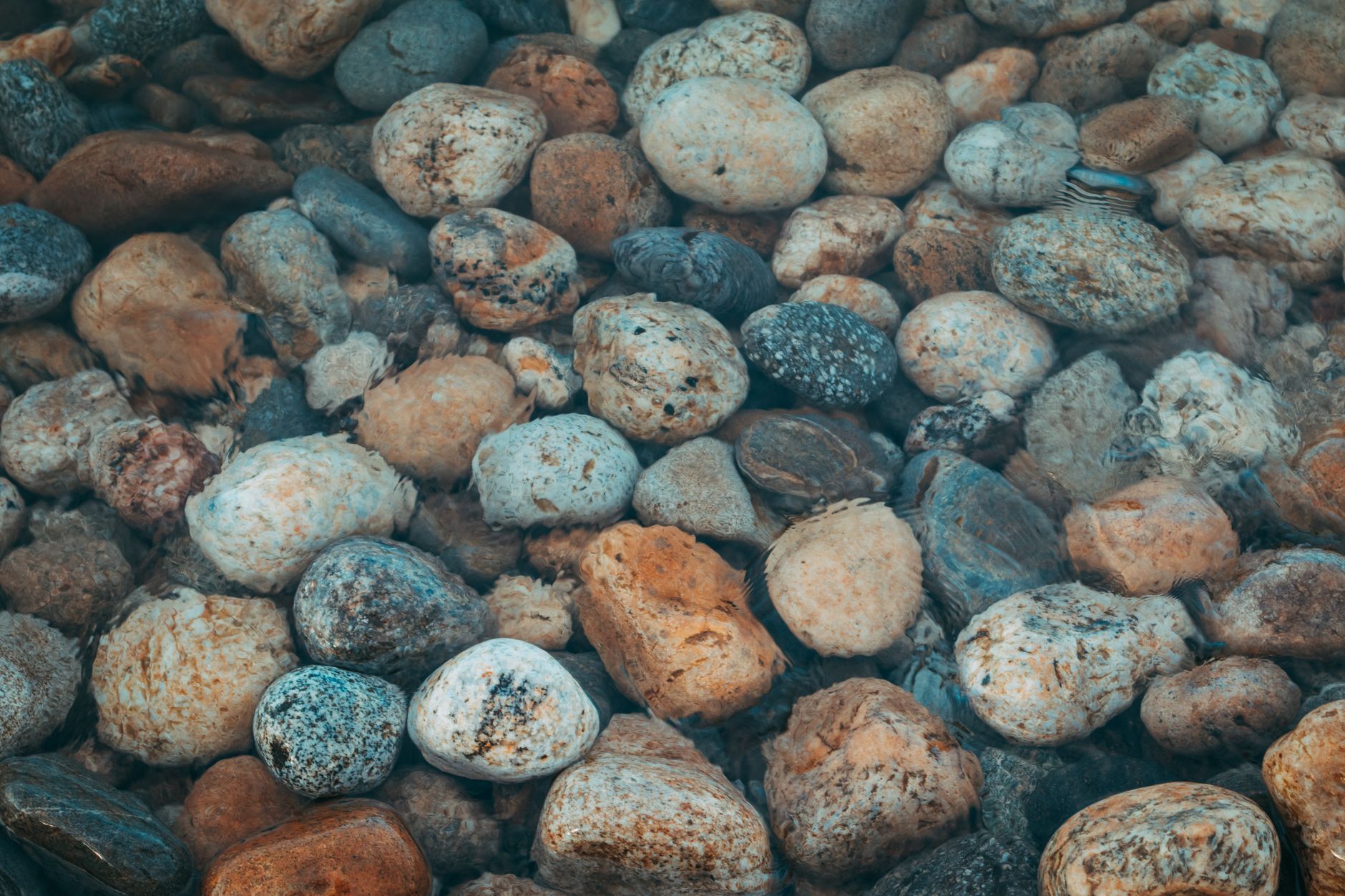
Agates and jaspers are easier finds for a first Nevada trip. They occur in many areas as float on the surface. Float means loose rock that has eroded from the original deposit. You can find banded agate and colorful jasper near washes and dry lake beds. Some Nevada agates show pastel blue, gray, and white bands. Others are moss or plume agates. Use the how to identify agates guide to recognize the waxy luster and conchoidal fracture. The more specific your target, the less time you waste.
- Assemble Desert Rockhounding Tools and Safety Gear
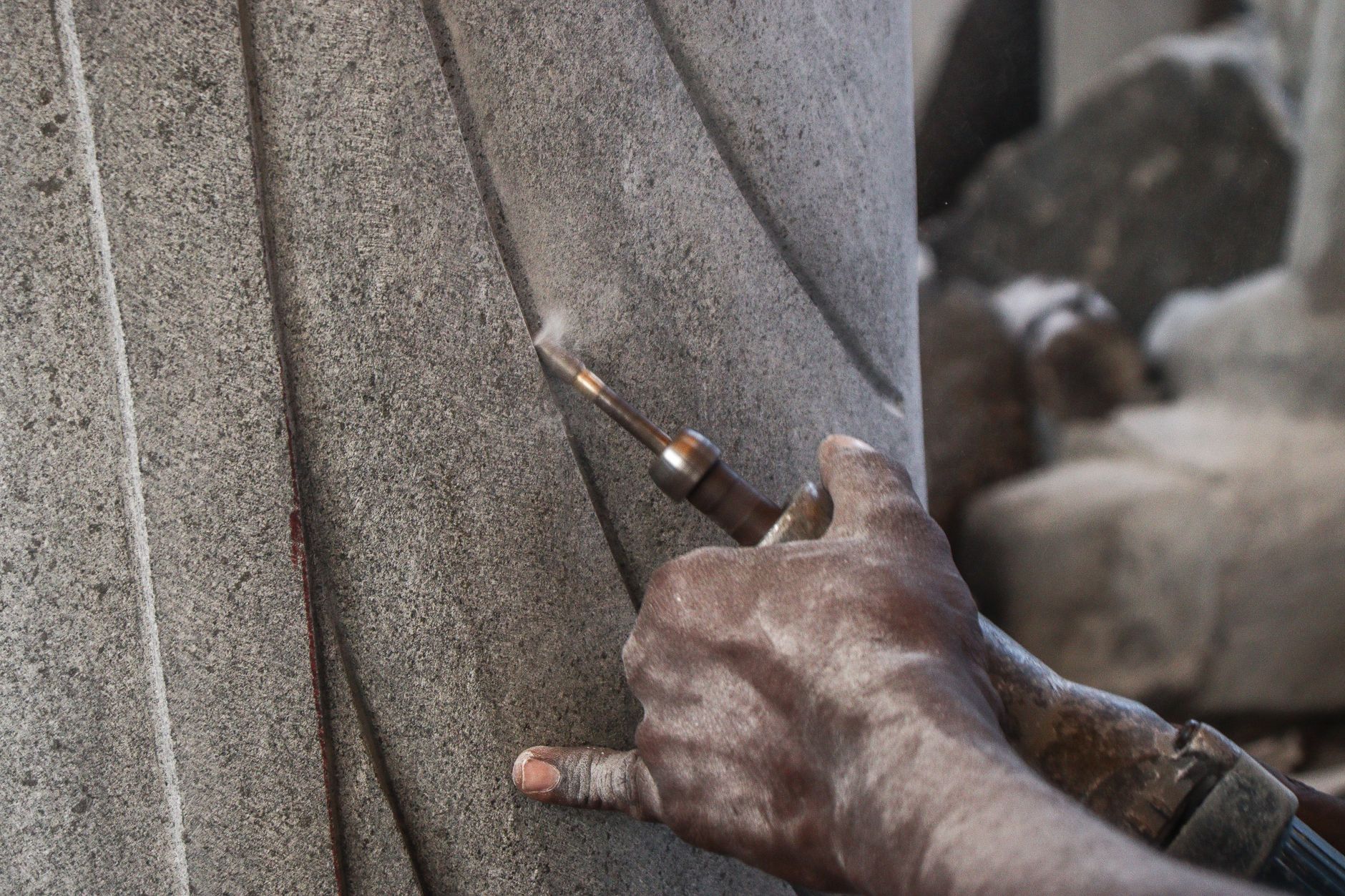
Nevada collecting is hard on tools. The ground can be rocky, sandy, or covered in sharp volcanic debris. You need a long handled rock pick or a crack hammer. An Estwing rock hammer works well for breaking small rocks and prying. You can check the Estwing rock hammer on Amazon. For turquoise, a rock pick with a pointed tip helps remove material from hard matrix. But do not swing into solid mine walls without knowing what you are doing. That can create dangerous rock falls.
A hand lens is essential. Many Nevada minerals are small or subtle. A 10x jeweler’s loupe lets you inspect crystal shape, fracture, and color zoning. You can check the 10x jewelers loupe on Amazon. A good lens should have an achromatic triplet lens and a bright field of view. You also need protective eyewear. Rock chips fly fast when you strike a hard seam. Gloves protect your hands from sharp edges and scorpions. A five gallon bucket and newspaper help carry and wrap specimens.
A rock chisel set is useful for prying small pockets. The set should include at least one cold chisel and one point chisel. You can check the rock chisel set on Amazon. Do not use woodworking chisels on rock. They are not hardened for stone and may shatter. A crack hammer or a three pound sledge works with chisels. Also carry a pry bar for moving larger float. Keep all tools away from your body when striking.
Desert safety gear is not optional. Carry one gallon of water per person per half day, more in summer. A wide brim hat, long sleeves, and sunscreen reduce heat stress. Tell someone your exact route and return time. Cell service is poor in many Nevada basins. A paper map and a GPS unit work when your phone does not. Review the best rockhounding gear guide for a full checklist. This step connects directly to the site visits in the next section. Without the right gear, you will not enjoy the trip.
- Visit Proven Nevada Rockhounding Sites
Start with easy public access sites. The Garnet Hill Recreation Area near Ely is a designated rockhound site. It is managed by the BLM and open to casual collecting. You can find dark red garnets in rhyolite. The garnets are small but abundant. Another beginner friendly area is the Black Rock Desert. There you can find agate, jasper, and obsidian. The playa itself is protected in some spots, so stay on the edges and check the map.
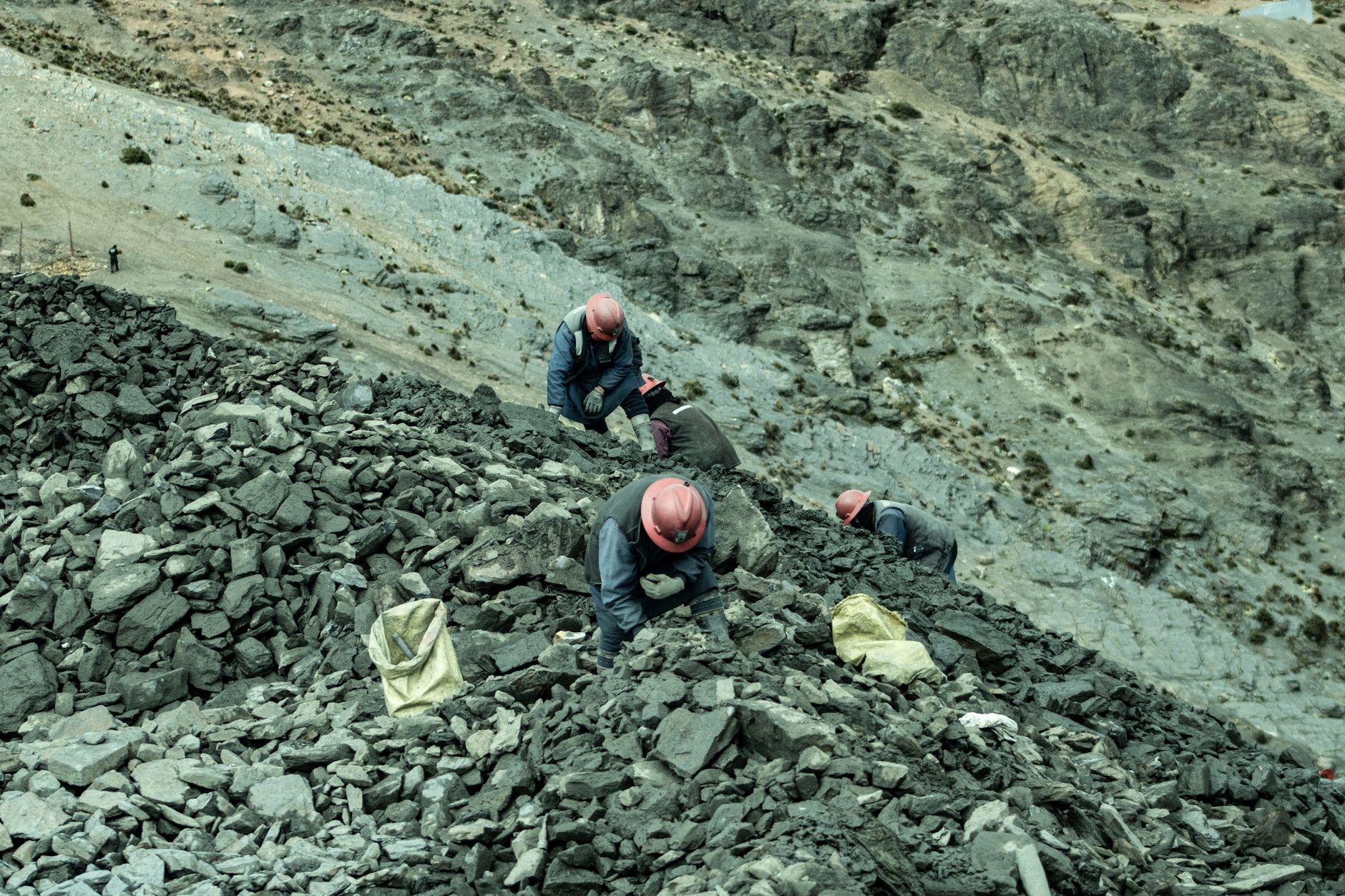
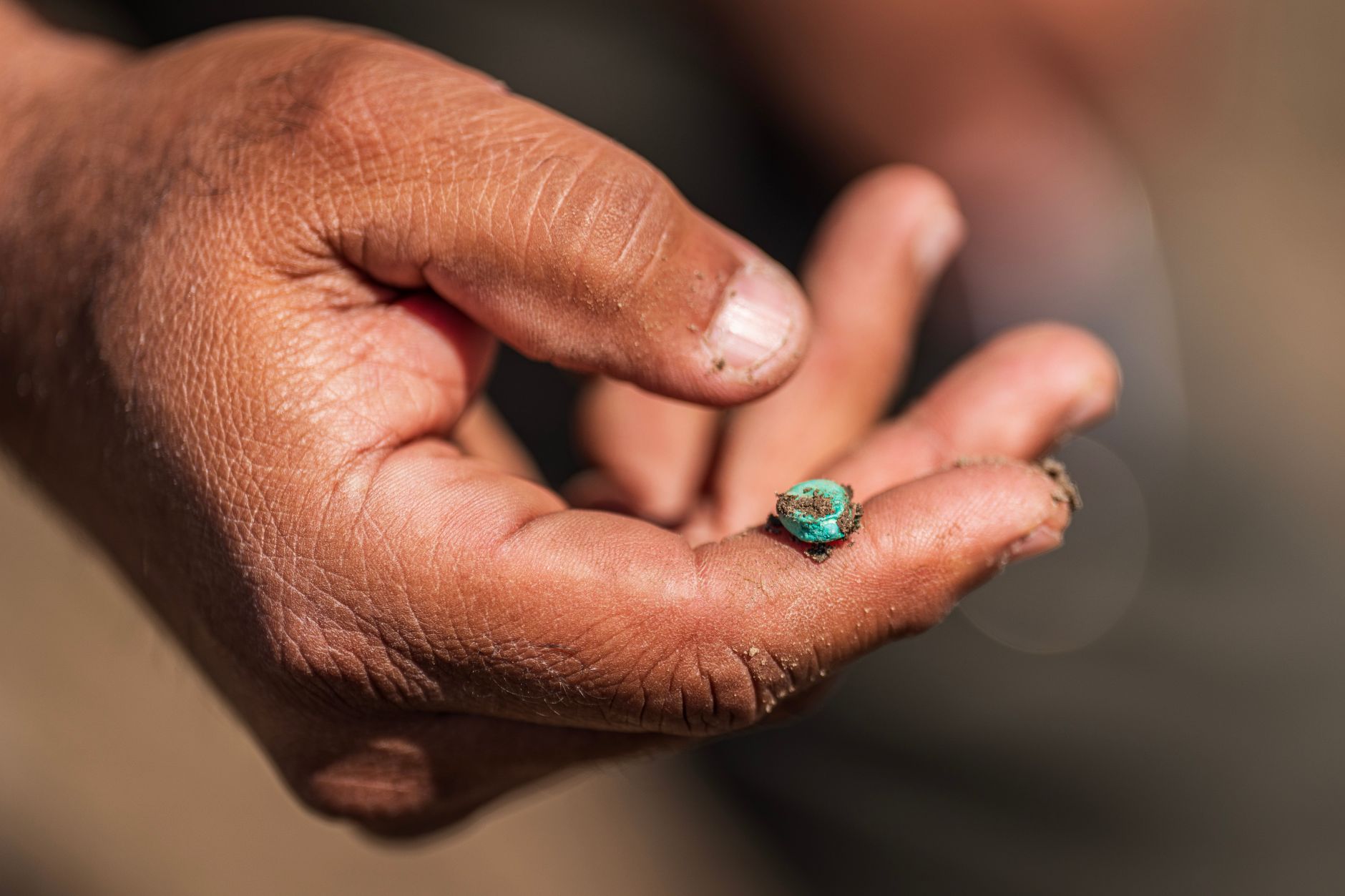
For turquoise, visit the Royston Turquoise District near Tonopah. Many old mine dumps are on private claims. Some mine owners allow fee digging or sell tailings by the bucket. Never climb into old mine shafts. The waste rock dumps are safer. Look for blue and green bits in the white or tan clay. Bring a spray bottle of water. Wetting the pile makes color pop. Turquoise often hides in iron stained matrix. This is a classic Nevada collecting scene.
For opal, Virgin Valley fee digs are the most reliable legal option. The Royal Peacock Mine, Bonanza Opal Mine, and Rainbow Ridge are well known. They provide tools, shade, and instructions. You sort through clay and ash for opal. Keep any opal you find. It is wet when mined and can crack as it dries. Fee dig operators explain how to store it. This option removes the land status problem entirely. You pay for access and consent.
Before visiting any location, check current conditions. Wildfire closures, flash flood damage, and road washouts happen. The BLM field office gives the latest road reports. Mindat locality pages list minerals and sometimes GPS coordinates. Use Mindat’s locality data for your target district. Cross check the locality with your map and land status. No rock is worth getting stuck in a remote wash.
- Identify Turquoise and Common Lookalikes in the Field
Field identification is tricky in Nevada. Turquoise can be confused with chrysocolla, variscite, or dyed howlite. True turquoise has a waxy to dull luster. It forms as seams, nodules, or veins in altered volcanic rock. The color is often uneven. Matrix is common. Use a hand lens to look for the smooth texture. A hardness test helps. Turquoise ranks 5 to 6 on the Mohs hardness scale guide. A steel knife blade is around 5.5 and can scratch turquoise. Quartz at 7 will scratch turquoise but not the other way.
Chrysocolla is another blue copper mineral in Nevada. It often forms botryoidal crusts and has a lower hardness of 2 to 4. It also has a more glassy or earthy look. Variscite is green and often mistaken for turquoise. Variscite hardness is 3 to 5. It may be more waxy but tends to be greener. A streak test can help. Turquoise leaves a white or pale blue streak. Chrysocolla can leave a blue green streak. Always test an inconspicuous corner.
Dyed howlite is the most common fake you might find at a rock shop. In the field, howlite is white with gray veins and is much softer, around 3 to 3.5. Some are dyed blue and sold as fake turquoise. A tiny drop of acetone on a hidden spot can remove dye. But acetone damages the stone. Only use destructive tests on low value rough. Better to learn the density. Howlite is porous and feels light. Turquoise is denser.
For agates, the how to identify agates guide is useful. Most agate has a waxy luster and conchoidal fracture. It can show banding when cut or when wet. Jasper is opaque and less banded. Obsidian in Nevada is glassy and usually black. It breaks with a very sharp edge. Use the gemstone identification guide when you are unsure. A small field guide with color photos helps more than a phone with no service.
- Collect Responsibly and Document Your Nevada Finds
Responsible collecting means taking only what you need. Nevada’s desert soils take centuries to recover from digging. Refill any small holes you make. Do not use power equipment on BLM land without a permit. Avoid disturbing vegetation. Many desert plants are slow growing and protected. Pack out all trash, including broken rock chips you do not want. Leave the site cleaner than you found it.
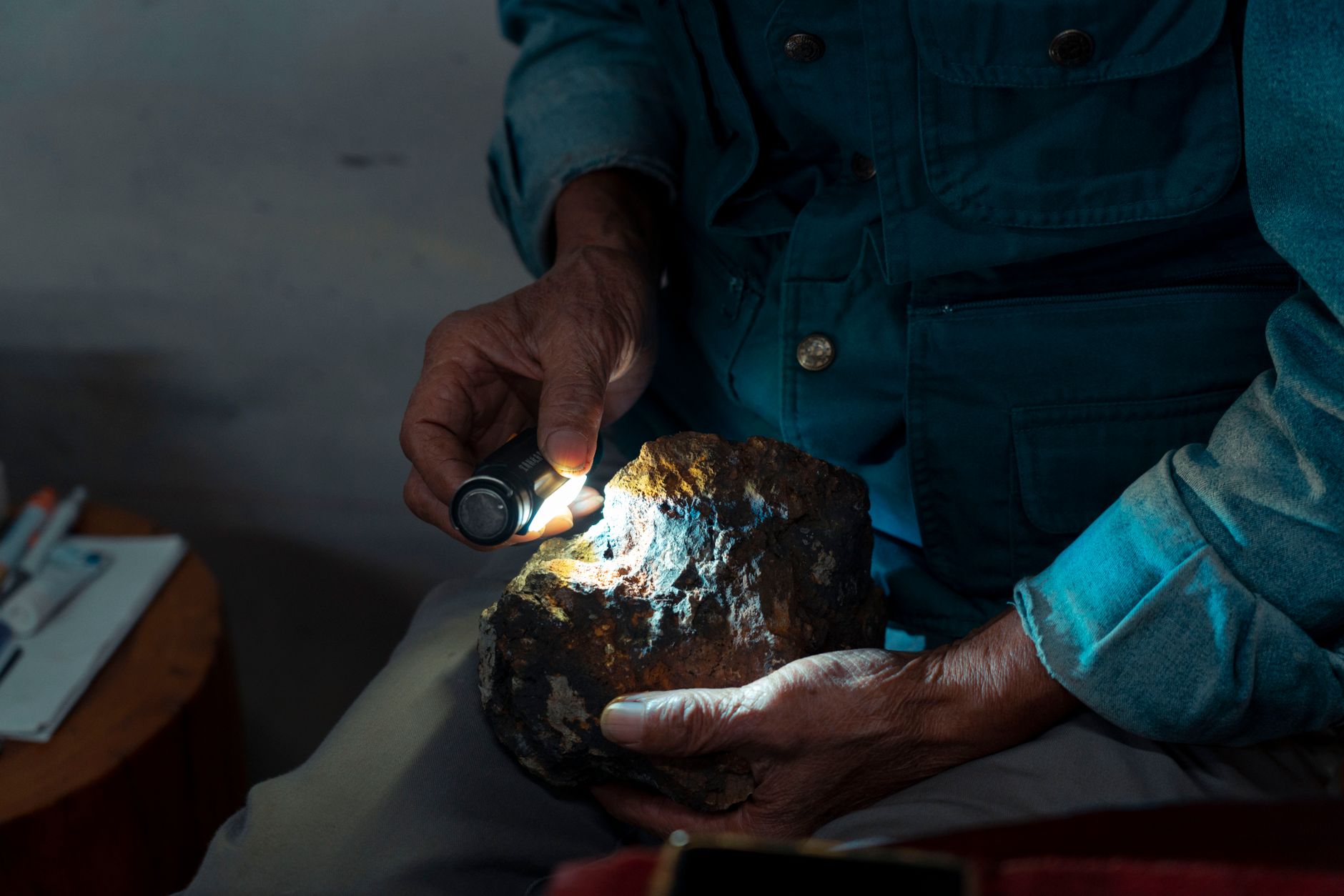
Document each specimen when you find it. Use a small notebook or a phone with GPS camera. Record the date, county, legal location, and the rock type. I like to put a small paper tag in each bag. Write a unique number on the tag. Then photograph the specimen in place before moving it. That record makes the difference between a nice rock and a meaningful collection. It also helps if you later want to trade or sell. Provenance matters.
Keep specimens separated by location. Never mix bags from different sites. If you find turquoise on a fee dig, keep the receipt. If you find material on BLM land, note the area. The mineral collecting field guide explains why location data matters. Some minerals like opal can crack if they dry too fast. Leave Virgin Valley opal in a container with a little water for the trip home. Then dry it slowly over weeks.
Collection limits are real. On BLM land, casual collecting is for personal use. Do not fill a truck. The reasonable amount rule applies. For petrified wood, stay under 25 pounds per day plus one piece and 250 pounds per year. If you want to sell, obtain a commercial permit or a mining claim. Selling casually collected rocks from public land is not allowed. That is a common mistake. Follow the rule and you protect the hobby.
- Clean, Store, and Display Your Nevada Rocks
Cleaning Nevada rocks usually starts with water and a soft brush. Many desert rocks are covered in clay. Soak them in plain water. Do not use acid unless you know the mineral. Turquoise is porous and can be damaged by strong cleaners. Opal should never go in an ultrasonic cleaner. For general cleaning, use the steps in how to clean rocks and minerals. For hard agates and quartz, iron stains can be removed with oxalic acid. But acid is dangerous. Use gloves, eye protection, and ventilation.
Some Nevada rocks are lapidary grade. Agates, jaspers, and some turquoise can be cut and polished. If you want to work them, start with a rock tumbler or a slab saw. The best lapidary equipment in 2026 guide compares options. For beginners, tumbling is safer than cutting. Use the rock tumbling step by step guide to learn the stages. You can also leave the rock natural. Many collectors prefer natural specimens with original matrix.
Store your specimens out of direct sunlight. Sunlight can fade some minerals, especially opal. Wrap delicate pieces in bubble wrap or cloth. Label the box with the location and date. Keep a spreadsheet or a notebook with your field data. That way your collection remains useful for years. If you collect turquoise, do not store it in a hot car for long. Heat can accelerate changes in treated or unstable material.
Displaying Nevada rocks is fun. A simple shelf with good lighting works. Use small stands or putty to hold specimens. Avoid touching pieces too often because skin oils can dull certain minerals. For opal, store in a humid environment if it is not fully dried. Most Nevada agate and jasper are stable. You can share photos with other collectors online. Just do not reveal exact GPS coordinates of your personal spots. Respecting that code keeps the community friendly and the sites productive.
Red Flags & Warnings
- 🚨 Active mining claims can be invisible on the ground. Always check BLM LR2000 records and county filings before digging. A claim marker may be missing or vandalized.
- 🚨 Nevada summer heat can kill. Never enter remote desert without one gallon of water per person per half day. Let someone know your route and return time.
- 🚨 Do not trust a surface blue color. Dyed howlite and stabilized turquoise are common. Test hardness and look for matrix before paying a premium.
- 🚨 Virgin Valley opal can crack as it dries. Keep newly mined opal in water and dry it slowly. Sudden drying ruins the play of color.
- 🚨 Closed gates and no trespassing signs mean exactly that. Do not cross private land to reach public land without written permission. This triggers legal trouble.
- 🚨 Do not sell BLM casual-use finds. Personal collection is fine, but commercial sale without a permit breaks federal rules. Know the weight limits, especially for petrified wood.
Frequently Asked Questions
Do I need a permit to rockhound in Nevada?
On most BLM public land, casual collecting for personal use does not require a permit. You still need to verify the specific parcel is not a mining claim, wilderness area, or ACEC. Fee dig sites and private land have their own permission systems. Always check before you collect.
Where can I find turquoise in Nevada?
The Royston Turquoise District, Lander County, and Esmeralda County are the most famous turquoise areas. Many deposits sit on private claims, so try fee dig sites or request permission from claim owners. Some public areas have float and old dumps, but verify land status first.
What is the best time of year for Nevada rockhounding?
Spring and fall offer the best temperatures. Northern Nevada can be very cold in winter, while southern Nevada summer heat is dangerous. March through May and September through October are ideal for most sites. Always check road conditions after storms.
Can I collect rocks on BLM land in Nevada?
Yes, casual collection of common rocks and minerals is allowed on many BLM parcels. Limits include reasonable personal use amounts. Petrified wood has a specific limit of 25 pounds per day plus one piece and 250 pounds per year. Commercial collecting needs a permit.
What other minerals can I find in Nevada besides turquoise?
Nevada produces precious opal, garnet, agate, jasper, obsidian, petrified wood, and gold. The Garnet Hill area near Ely has dark red garnets. Virgin Valley has black and crystal opal. Black Rock Desert and Tonopah areas have agate and jasper.
How do I tell real turquoise from dyed howlite?
Real turquoise has a waxy luster and often shows irregular matrix. Dyed howlite is softer, around 3 to 3.5 on the Mohs scale, and may have uniform color. A tiny acetone test on a hidden spot can remove dye. But high grade turquoise can also be treated, so lab testing is best for expensive pieces.
What Should You Remember?
- Check land status first: verify BLM maps, claim records, and private boundaries before removing anything.
- Know your target mineral: turquoise is Mohs 5 to 6, opal is delicate, and agate has a waxy luster.
- Use the right tools: a rock hammer, hand lens, chisel set, and safety gear save time and prevent injury.
- Respect collection limits: personal use only on BLM land, with petrified wood capped at 25 pounds per day.
- Stay safe in the desert: carry plenty of water, tell someone your route, and avoid remote roads in summer heat.
- Document every find: record GPS, date, and land status to give your collection real value.
- Protect fee dig sites: follow operator rules and dry opal slowly to avoid cracks.
This article is for general information only. Rockhounding and collecting carry land-access, safety, and legal obligations , always verify claim status, land ownership, and collecting rules before removing material, and get landowner or land-agency permission where required. Field collecting involves physical hazards; use proper safety gear and never enter mines or unstable terrain.