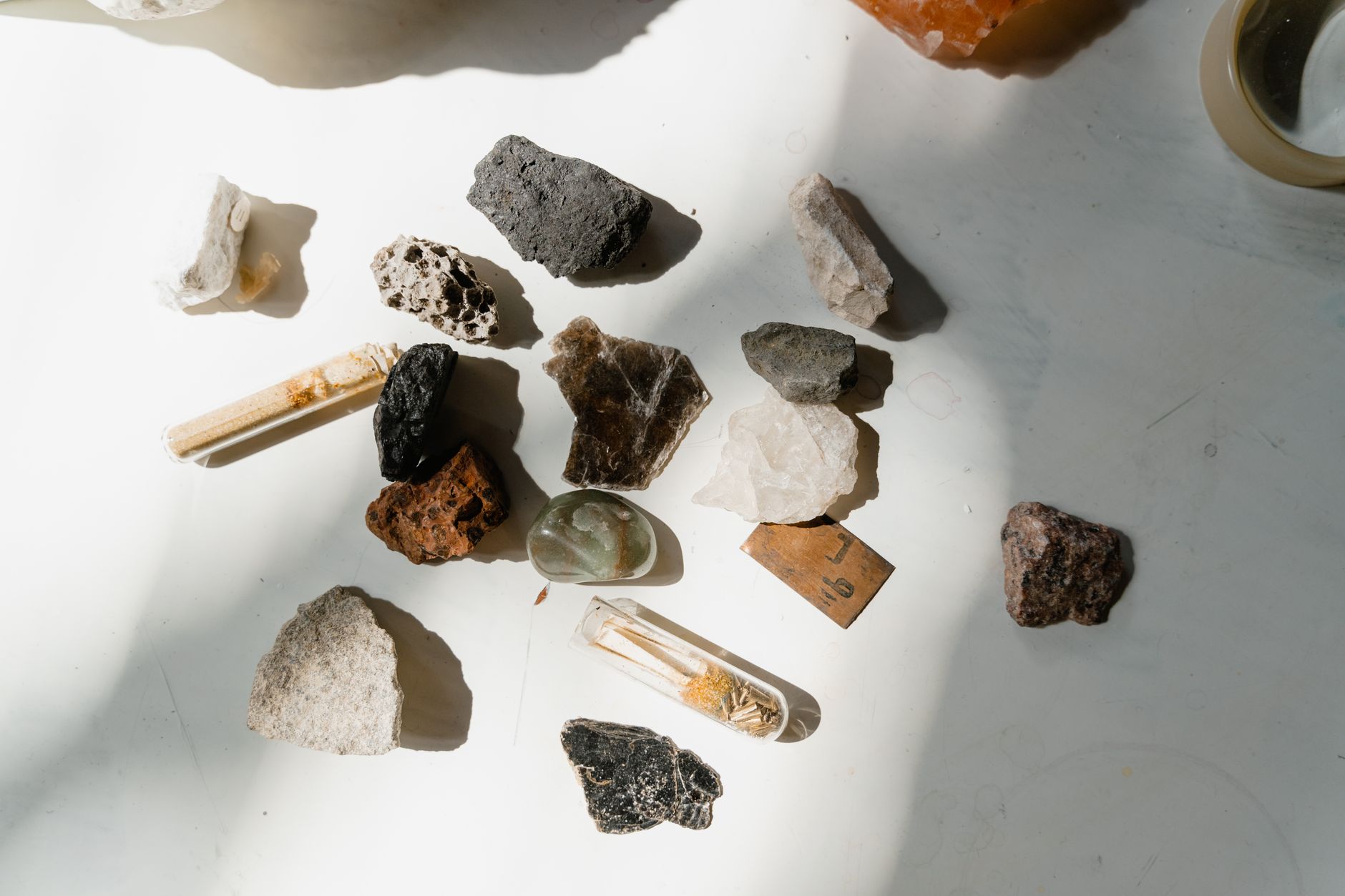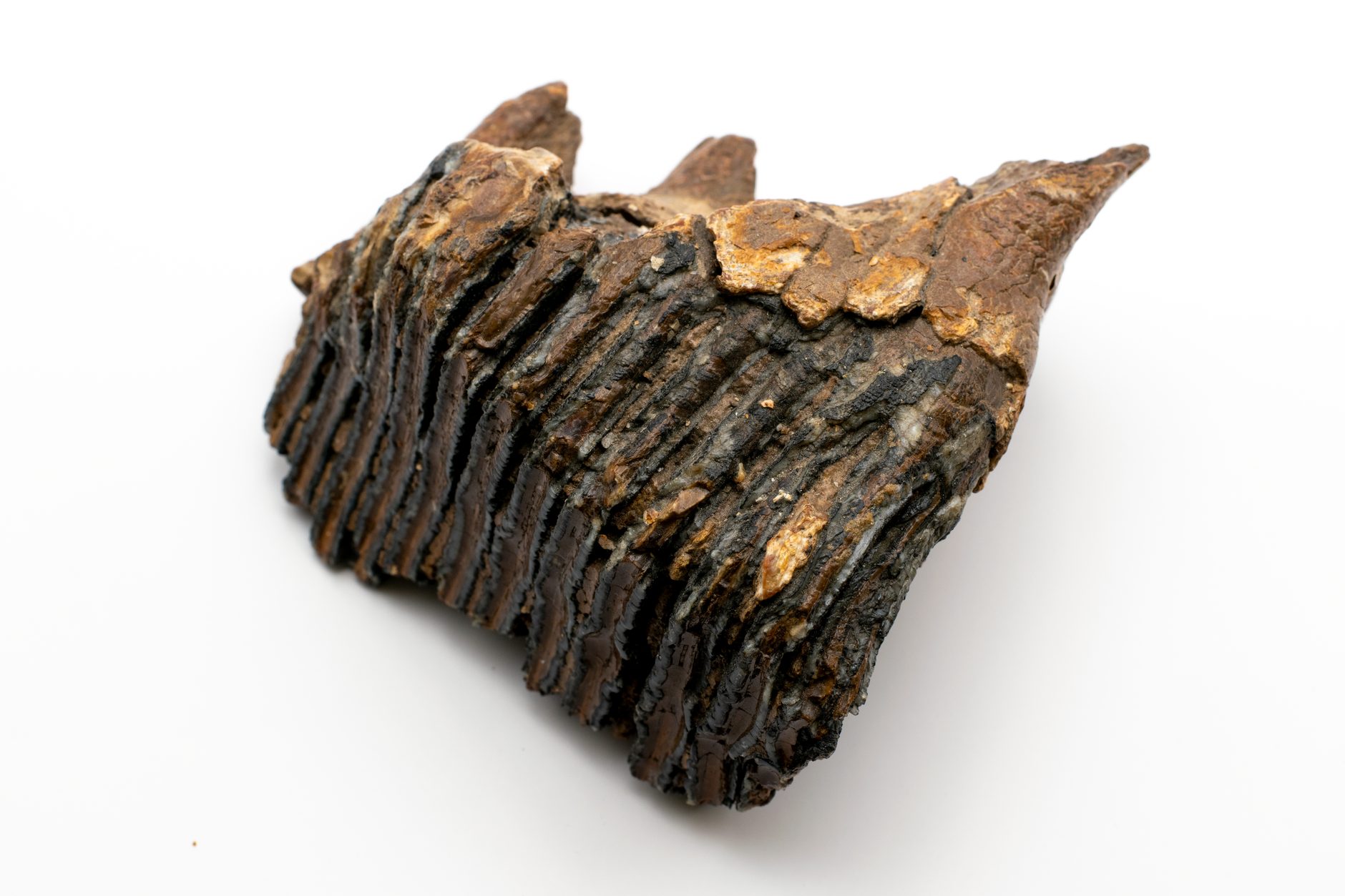
Florida does not look like a classic rockhounding state. There are no mountain outcrops or hard rock road cuts. But the state’s limestone platform, ancient river beds, and coastal deposits hide abundant fossils and a few unique minerals. Fossil hunters come for shark teeth, mammoth bones, dugong ribs, and turtle shell. Mineral collectors seek agatized coral, golden calcite, and chert. If you are new to fossil hunting, start with a guide like where to find fossils near me and learn what local sites actually produce before you travel.
Florida’s official state stone is agatized coral, a microcrystalline quartz that replaced ancient coral skeletons. It ranks 6.5 to 7 on the Mohs hardness scale. The same process created chert and other silica-rich replacements across the state. In contrast, fossil shark teeth and bone are phosphate-rich and much softer, typically around 5 on the Mohs scale. This difference matters when you clean and identify finds. Use Mindat.org to study specific Florida mineral and fossil localities before choosing a destination.
The rules in Florida are more nuanced than in many western states. Much of Florida’s surface is private land, and public access often follows river channels, beaches, and designated parks. State law treats vertebrate fossils differently from shells and mineral specimens. Collecting is often allowed on private land with permission, but state-owned land can require a permit. The USGS provides geologic maps and water data, but it does not grant collecting permission. Always verify current access before you dig.
This guide walks through the geology, target minerals, permits, gear, and the two most productive public collecting styles: sifting Peace River gravel bars and picking shark teeth from Venice area beaches. You will also learn identification tests, cleaning methods, and safety habits. For a broader beginner approach, check best beginner rockhounding sites to compare Florida with other accessible states before committing to a trip.
What You’ll Need
- 1/4-inch mesh sifting screen or floating sifter
- round-point shovel or hand trowel
- 5-gallon bucket
- waders or sturdy water shoes
- Estwing rock hammer or chisel
- 10x magnifying loupe
- safety glasses and sun protection
How Do You Rockhound in Florida?
- Learn Florida’s geology before choosing a site
Florida’s bedrock is mostly limestone and dolomite, not granite or basalt. That means you will not find hard rock pegmatites, quartz crystals, or gold veins. Instead, the state produces materials formed by sedimentation, replacement, and fossilization. The Bone Valley Formation and Peace River Formation are two famous fossil-bearing units. The USGS publishes geologic maps that show these units and help you predict where eroded fossils may collect.
Agatized coral is Florida’s state stone and a genuine gem material. It forms when silica-rich groundwater replaces the original calcium carbonate of ancient coral. The result is microcrystalline quartz with a hardness of 6.5 to 7, which is durable enough for cabochons and tumbling. Calcite is the opposite, with a hardness of only 3, so it scratches and breaks easily. Shark teeth and fossil bone lie around 5 on the Mohs scale.
Before you pick a river or beach, learn to recognize the rocks in your target area. Water-worn phosphate pebbles are often black, brown, or gray. Agatized coral can show round or star-shaped coral patterns. Chert is dull and waxy. Use a field guide like how to identify rocks and minerals in the field to practice before you travel. The more you know, the less likely you are to fill your bucket with ordinary limestone.
Geology also controls where heavy teeth and fossils settle. Rivers sort material by weight and size. Teeth and bones collect in gravel bars, on the downstream side of bends, and in holes behind logs. Beaches sort shells and teeth along the wrack line. If you learn those patterns, you can spend less time blind digging and more time screening the right spots.
- Confirm land ownership, permits, and collecting rules
Florida has a large amount of private land, fenced ranches, and leased river bottom. The legal test is simple: if you do not know who owns the land and whether collecting is allowed, do not dig. Public boat ramps and designated parks are usually the safest entry points, but they may still prohibit removing fossils. State parks, county preserves, and wildlife management areas often have stricter rules than a public road right-of-way.
Vertebrate fossils are a special category in Florida. Collecting vertebrate fossils on state-owned land can require a permit through the Florida Museum of Natural History or another state permitting program. Invertebrate shells, shark teeth, and some plant fossils may be treated differently, but the rules vary by land manager. Do not assume that a beach or river is open. The mineral collecting field guide explains how to research ownership and permissions before any trip.
Private land access is often straightforward if you ask first. Some landowners allow a day of fossil hunting, especially along the Peace River. Others have leases and do not want anyone on their bank or bottom. If you see purple paint, posted signs, or fences, treat it as a hard boundary. Even if the river is public, the adjacent land and sometimes the river bottom can be private. Access from a public bridge or boat ramp may be legal, but crossing private uplands is not.
Do not confuse USGS geologic maps or Mindat locality data with permission to collect. Mindat.org lists localities, not access rights. The USGS reports geology, not land status. You still need landowner permission or an agency permit. Call the county property appraiser office or use a GPS mapping app to identify parcels when you plan a river trip.
- Pick your target material and research proven localities
Decide what you actually want to find. Beach shark teeth are the easiest for beginners and require little gear. Mixed vertebrate fossils from the Peace River are harder to extract but can produce large Megalodon teeth, mammoth tooth fragments, horse teeth, and turtle shell. Agatized coral is a gemstone target found in certain central and north Florida rivers and old phosphate spoil areas. Golden calcite from Rucks Pit near Fort Drum is a unique Florida mineral, but it is a private fee-dig operation, not open public land.
For shark teeth, Venice Beach is the best known public spot. It calls itself the Shark Tooth Capital of the World. Caspersen Beach just south is often less crowded and produces similar small fossil teeth. The best time is after a high tide or storm, when waves have washed fresh shell hash onto the beach. Look for small black or gray triangular teeth in the shell line.
For larger mixed fossils, target the Peace River in Hardee and DeSoto counties. Arcadia is the most common base. Public boat ramps and bridges give access to sandbars and gravel beds. The river cuts through Miocene and Pleistocene deposits, so you can find shark teeth, tapir teeth, mammoth enamel, dugong ribs, and sometimes horse teeth. Water level is critical. Winter and early spring low water exposes more gravel.
If you want agatized coral, search for a river or spoil area known for silica-replaced corals. The patterns often look like six-sided coral openings or starbursts. Review how to identify agates to understand banding and translucence. Agatized coral can look like dull gray chert on the outside and show colorful patterns only when cut or polished. That is why experienced collectors carry a small spray bottle to wet the surface.
- Assemble Florida-specific rockhounding gear
Florida rockhounding is not about heavy hammering. In most spots you will sift loose sand and gravel, not crack bedrock. The most important tool is a sifting screen or basket with small mesh, usually 1/4 inch or slightly smaller. A floating sifter with a wooden frame and screen bottom works well in the Peace River because you can shake it while it floats. A simple hand screen works on beaches and shallow water.
A shovel and bucket come next. A round-point shovel moves river gravel, but a small hand trowel is often safer when you work close to your sifter. Wear waders or sturdy water shoes when you stand in a river. The bottom is full of shells, sticks, and occasional sharp glass. A Check the Estwing rock hammer on Amazon helps you split soft limestone or chip around a fragile fossil, but use it carefully. Most Florida finds should not be hammered.
Always carry a 10x or 15x magnifying loupe to inspect teeth and small crystals. A good loupe shows serrations on shark teeth and tiny coral structures in agate. For broader gear recommendations, see best rockhounding gear guide. You also need sun protection, bug spray, and a first aid kit. Florida heat, mosquitoes, and sunburn end more trips than hard digging.
A small spray bottle helps you see agate patterns and fossil texture on dry rocks. Heavy gloves protect your hands in shell hash. Knee pads help if you spend hours on a gravel bar. Do not overpack, but do not skip water. Two liters per person is the minimum for a morning out.
- Work Peace River gravel bars the right way
The Peace River is Florida’s best known river fossil site. The best public access is between Arcadia and Fort Meade, where there are boat ramps, bridges, and stretches that can be waded at low water. Go in winter or early spring, when rainfall is lower and the water level drops. Summer rains push the river up and cover the gravel bars. Before you go, check the USGS water gauge for the Peace River near Arcadia and look for a low and steady or falling stage.
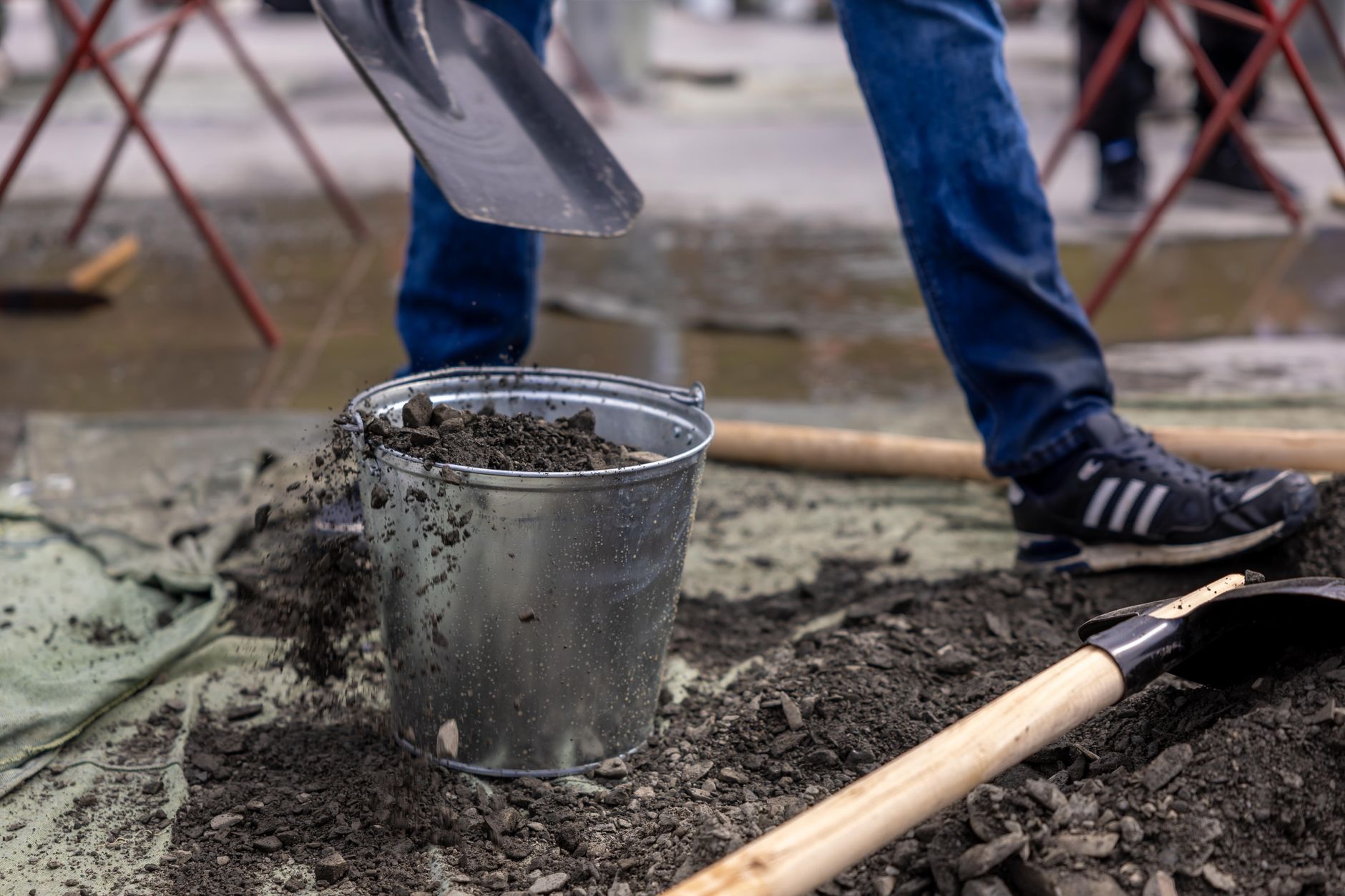
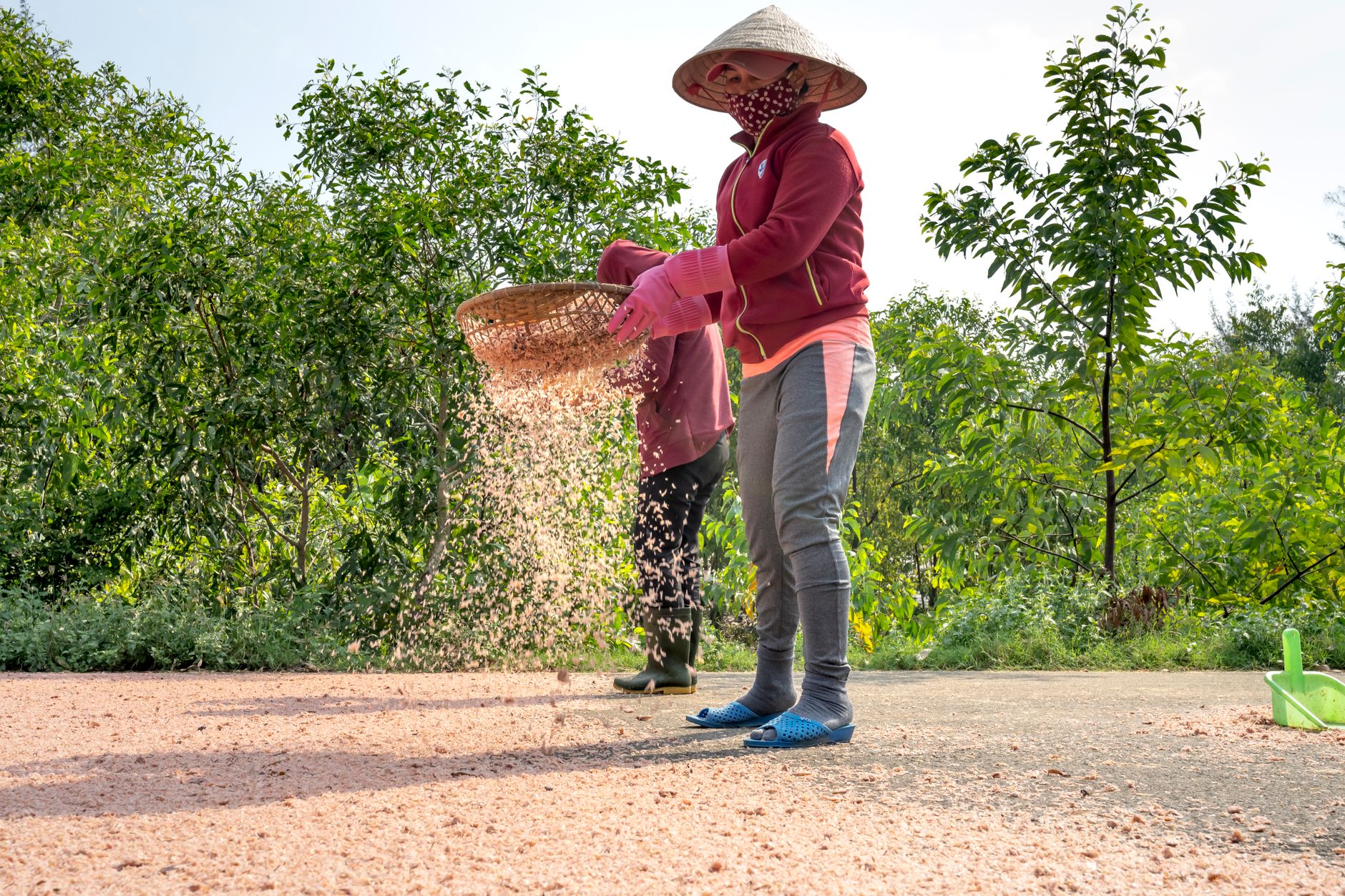
Do not dig randomly into the bank. Fossil-rich gravel collects on the downstream side of bends, behind fallen logs, and along sandbars where the current slows. Use your shovel to scoop gravel from a few inches below the surface and place it in your sifting screen. Shake the screen in the water to wash away sand and mud. Then look for black or brown teeth, bone, and odd shapes. Small teeth will be obvious against the screen mesh.
Work upstream to downstream so your cloud of silt does not wash over your next spot. Many beginners dig one hole too deep and miss the fact that fossils concentrate in a shallow layer of gravel. Fill your holes when you leave to keep the river from eroding the bank. If you find a large bone or tooth, do not pry it out with force. Dig around it and lift the whole block of sand if you can.
Megalodon teeth can exceed 6 inches in the Peace River, though most finds are 1 to 3 inches. Smaller lemon shark, bull shark, and tiger shark teeth are more common. You may also find turtle shell, mammal bone, and phosphate pebbles. To clean river finds, start with plain water and soft brushing. See how to clean rocks and minerals for safe methods before using anything acidic.
Never put your hand into a hole or under a log that you cannot see. Alligators use those areas. Work with a partner and keep one person watching upstream and downstream. If the water rises or turns muddy, get out. A sudden rise can make a low crossing dangerous in minutes.
- Pick shark teeth on Venice Beach and nearby shores
Venice Beach is the easiest place in Florida to find shark teeth. It sits south of Sarasota and is known as the Shark Tooth Capital of the World. Caspersen Beach, just a few miles south, is wilder and often less picked over. Both beaches allow surface collecting, but metal shovels may be restricted. Check the county beach rules before you bring anything larger than a hand scoop.
The best time to hunt is the first low tide after a high tide, especially after a storm or strong onshore wind. Waves churn the shell bed and drop heavier black teeth in the wrack line. Walk slowly along the line where shells, sand, and seaweed meet. Look for small black or gray triangles, curved edges, or anything with enamel shine. Fossil teeth are often darker than modern shells and feel denser.
A simple technique is to scoop a handful of shell hash from the wrack line, spread it on the wet sand, and scan for teeth. Use a hand sifter or a colander if waves are messy. A 10x loupe from the magnifying loupe guide helps you see serrations and root condition. Most Venice teeth are small, under an inch, but larger teeth wash in after storms.
Do not overlook the wet sand just below the high tide line. Some teeth have been tumbled into sand and are almost buried. The surf can uncover them for a few minutes before covering them again. Work one section of beach thoroughly instead of racing for miles. If you find one tooth, stop and grid that area. Teeth often concentrate in small pockets.
- Identify, test, and clean your Florida finds
Start by sorting your finds on a white tray or towel. Rinse everything in fresh water and let it dry. Fossil bone is often porous and lighter than you expect. Shark teeth have a distinct root and enamel blade. Modern shell is thin and less mineralized. If you are not sure, a field guide and a simple scratch test help. Review Mohs hardness scale before you scratch anything.
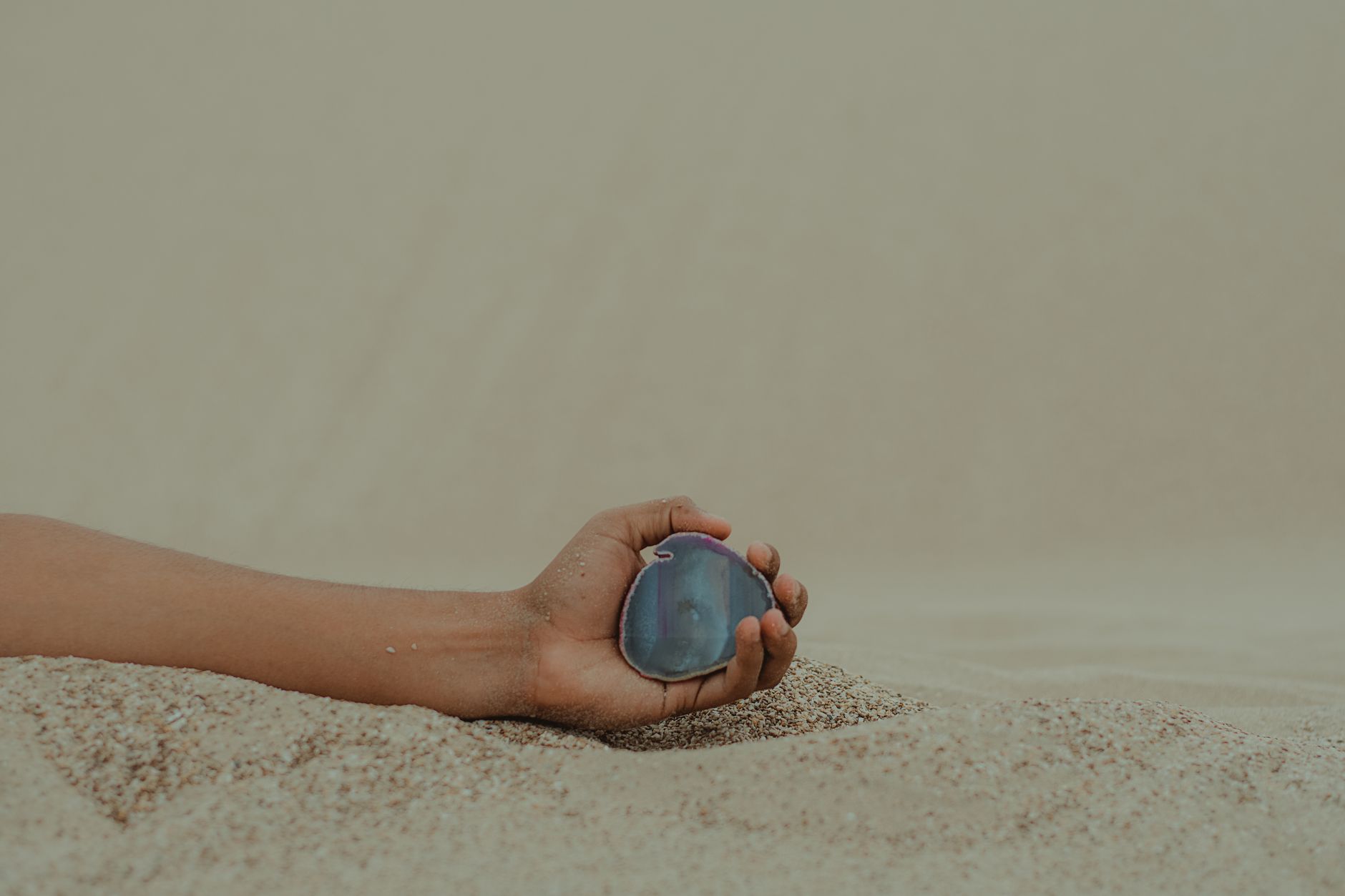
Agatized coral will scratch glass and steel because it is microcrystalline quartz with hardness 6.5 to 7. Calcite is much softer at 3 and will fizz in a dilute acid like vinegar or a weak muriatic solution. Fossil teeth are phosphate-rich and usually fall around 5. They will not scratch glass but will scratch a copper penny. These simple tests separate the keepers from ordinary limestone and shell.
Use a loupe to inspect texture. Agatized coral shows rounded coral chambers or starburst patterns. Shark teeth show serrations and a smooth enameloid surface. Mammoth enamel often has a twisted, banded look. If a specimen has sharp broken edges and looks fresh, it may be modern bone or shell, not fossil. Color is not always reliable. The same black color can appear on fossil bone, shark teeth, and phosphate pebbles.
Clean most Florida material gently. Rinse, soak in water, and use a soft toothbrush. Do not soak fragile bone in acid. If a fossil bone starts to crack, stop and let it dry slowly. A consolidant like Butvar or Paraloid can stabilize porous bone after it is fully dry. For detailed methods, read how to clean rocks and minerals. For gemstone identification, gemstone identification guide covers agate, calcite, and other materials.
If you plan to cut or tumble agatized coral, treat it like agate. It will take a polish and shows banding and coral patterns. But first identify it correctly. Some coral-like rocks are porous and will fall apart in a tumbler. A quick hardness test saves you from ruining a batch.
- Stay safe, ethical, and legal while collecting
Florida collecting is fun, but it carries risks you do not face in a desert. Every river and lake can hold alligators. They often stay away, but they will defend nests and may approach if you are near a food source. Never bring food into the water or leave fish scraps. Keep children and dogs close. If you see a gator, move away slowly and do not enter the water.
Heat is a bigger killer than wildlife. Florida sun is intense, even in winter. Wear a hat, long sleeves, and sun gloves. Drink water before you feel thirsty. Take breaks in shade. Early morning and late afternoon are the best collecting windows. Sudden thunderstorms are common in summer, and lightning is a serious hazard on open water and beaches.
Ethical collecting keeps sites open. Fill every hole you dig in a river bar. Do not undercut banks. Take only what you can reasonably use or study. Do not collect archaeological artifacts, human remains, or marked cultural objects. If you find something that looks human or historically significant, leave it and report it. The mineral collecting field guide has more on ethical practices.
Finally, share locations carefully. Small public sites can be stripped quickly. Do not post exact GPS coordinates from a private landowner. If you find a new spot, enjoy it and protect it. Florida is already limited on public land, so good behavior is the only reason many access points stay open.
Red Flags & Warnings
- 🚨 Never collect vertebrate fossils on state-owned Florida land without checking permit rules. The Florida Museum of Natural History issues permits for many state lands.
- 🚨 Treat every river, canal, and pond as alligator habitat. Do not reach into holes, under logs, or into dark water.
- 🚨 Check water levels before entering the Peace River. A rising river can turn a shallow gravel bar into a dangerous current.
- 🚨 Private property and leases are common around Florida rivers. Posted signs, purple paint, and fences mean stay out, even if the water looks public.
- 🚨 County beach rules vary. Metal shovels, screens, and large scoops can be prohibited. Check local rules before bringing gear onto a beach.
- 🚨 Florida heat causes heatstroke fast. Carry at least two liters of water per person and watch for dizziness, headache, and dry skin.
Frequently Asked Questions
What can you find while rockhounding in Florida?
You can find shark teeth, fossil mammal bone, turtle shell, agatized coral, calcite, chert, and phosphate pebbles. Beaches produce small shark teeth, while rivers produce larger teeth and mixed vertebrate fossils. Agatized coral is the state stone and a true lapidary material.
Where is the best place to find shark teeth in Florida?
Venice Beach and Caspersen Beach are the easiest public spots. The Peace River near Arcadia also produces shark teeth, including larger Megalodon teeth. Look in shell lines along beaches and in gravel bars along the river.
Do I need a permit to collect fossils in Florida?
It depends on the land. Vertebrate fossils on state-owned land often require a permit, usually through the Florida Museum of Natural History. On private land, you need landowner permission. Invertebrate shells and surface beach finds may have different rules, so verify each site.
When is the best time to rockhound the Peace River?
Late fall through early spring is best, when water levels are low and gravel bars are exposed. Summer rains raise the river and cover the fossil-bearing gravel. Check USGS water gauges before you go.
What gear do I need for Florida fossil hunting?
A 1/4-inch mesh sifting screen, a shovel or hand trowel, a bucket, waders or water shoes, sun protection, and a magnifying loupe. On the beach, a simple scoop or hand screen is enough. A rock hammer is optional and rarely needed.
Can I find gemstones in Florida?
Yes, agatized coral is Florida’s state stone and a genuine gem material with hardness 6.5 to 7. Golden calcite from Rucks Pit is collectible but soft at 3. Most Florida gem material needs cutting or polishing to show its best color.
What Should You Remember?
- Permits: Confirm land ownership and get any required Florida fossil permit before you collect.
- Shark teeth: Venice Beach and the Peace River produce the most teeth. Look for black triangular shapes.
- Agatized coral: Florida’s state stone is microcrystalline quartz with hardness 6.5 to 7.
- Gear: A 1/4-inch sifting screen, shovel, bucket, waders, and loupe cover most Florida sites.
- Water safety: Treat every river as gator habitat and check USGS water levels before you enter.
- Identification: Use a loupe and a Mohs scratch test to separate agate, calcite, and fossil teeth.
- Clean carefully: Rinse fossils gently, dry slowly, and stabilize fragile bone with a consolidant.
This article is for general information only. Rockhounding and collecting carry land-access, safety, and legal obligations , always verify claim status, land ownership, and collecting rules before removing material, and get landowner or land-agency permission where required. Field collecting involves physical hazards; use proper safety gear and never enter mines or unstable terrain.