Colorado is one of the best rockhounding states in 2026. The state mineral is rhodochrosite, a bright pink to red manganese carbonate mineral. Many collectors dream of finding a pocket of gemmy rhodochrosite crystals. The reality is that most rhodochrosite comes from private mines that are not open to casual digging. Public land still offers world-class amazonite, smoky quartz, topaz, aquamarine, and garnet. Use this guide to plan a legal and successful trip. For a broader look at what makes Colorado special, read our rockhounding in Colorado guide.
The high mountain terrain is as challenging as it is rewarding. Thin air, sudden storms, and rough roads shape every single trip. A solid plan starts with the right research, permits, and gear. Beginners should review the best rockhounding gear guide before heading into the backcountry. You do not need expensive equipment, but you do need reliable basics. A good hammer, eye protection, and a hand lens will get you far.
Rhodochrosite from the Sweet Home Mine near Alma set world records. The Alma King crystal is one famous example of a large, gemmy rhodochrosite specimen. The mineral has a hardness of 3.5 to 4.5 on the Mohs scale. That means it is softer than quartz and scratches easily. If you hope to identify it, you must learn a few simple field tests. You can use the Mohs hardness scale guide to build a testing kit at home.
This guide walks you through eight field-focused steps. You will learn how to pick legal sites, pack the right tools, identify rhodochrosite and other minerals, work at high altitude, and clean your finds. The focus is on practical and realistic rockhounding. You should never rely on a single map or old forum post. Always verify land ownership and current collecting rules before removing material. That habit protects you and keeps the hobby open for everyone.
What You’ll Need
- Rock hammer (22-ounce Estwing recommended)
- Chisels and pry bar
- Safety glasses
- Leather gloves
- 10x hand lens
- 5-gallon bucket
- Water and sun protection
- GPS or offline phone map
How Do You Rockhound in Colorado?
- Choose Your Target Minerals and Colorado Collecting Region
Start with a clear target because Colorado is huge. The Pikes Peak region produces amazonite, smoky quartz, and topaz from pegmatites. The Sawatch Range near Mount Antero is known for aquamarine, fluorite, and quartz. The San Juan Mountains have historic rhodochrosite localities, but most are on private claims. For a detailed overview, see the rockhounding in Colorado guide.
Rhodochrosite is a special case. The Sweet Home Mine near Alma produced the Alma King and other museum-quality rhodochrosite crystals. That mine is private and not open to collecting. If rhodochrosite is your main goal, plan a museum stop instead of a digging stop. The Denver Museum of Nature & Science and the Colorado School of Mines Geology Museum display outstanding Colorado rhodochrosite.
A common mistake is trying to collect everything in one day. Colorado mountain roads are slow, and the distances between sites are large. Pick one or two compatible targets in the same district. Once you set your target minerals, the next step is checking the legal status of the land you want to search.
- Confirm Land Status and Collecting Rules Before You Dig
Land status is the first legal question. Most casual collecting happens on public land managed by the Bureau of Land Management or the US Forest Service. Use the Bureau of Land Management (BLM) website to find surface management maps and field office contacts. BLM rules often allow small amounts of common rocks and minerals for personal use, but the rules are not universal.
Mining claims are private property for mineral rights. In Colorado, many old mine dumps and pegmatite outcrops are covered by active claims. You need the claim owner’s written permission before you remove material. Never assume that an old mine dump is open to the public. Check county records and the BLM’s current claim records system before you dig.
National parks and national monuments are off limits for rock collecting. That includes places like Rocky Mountain National Park and Great Sand Dunes National Park. National forest and BLM land often allow small personal use collecting, but each district can set its own limits. Call the local field office and ask about current 2026 rules. This step protects you legally and keeps access open.
Once you confirm land status, you can build a legal site list. The next step is getting the right gear for Colorado’s rocky and high-altitude terrain.
- Pack the Right Colorado Rockhounding Gear and Safety Equipment
For a complete checklist, start with the best rockhounding gear guide. At minimum you need a rock hammer, one or two chisels, safety glasses, gloves, and a bucket. I recommend a 22-ounce Estwing rock hammer. It is strong enough for granite but light enough to carry at altitude. Avoid claw hammers because they can shatter.
A good hand lens makes identification much easier in the field. A 10x hand lens helps you see cleavage, crystal faces, and inclusions. Pair it with a small field guide or a phone loaded with offline mineral data. Safety glasses are not optional when you are chipping hard rock. Shards of quartz and feldspar can travel farther than you expect.
High-altitude gear matters as much as mining tools. Pack one liter of water per hour of work, salty snacks, sunscreen, and a warm layer. Rain shells and waterproof boots are standard kit for Colorado afternoons. A GPS or offline phone map helps you return to the right road. The next step is learning what to look for before you start swinging the hammer.
- Learn to Identify Rhodochrosite and Common Colorado Minerals
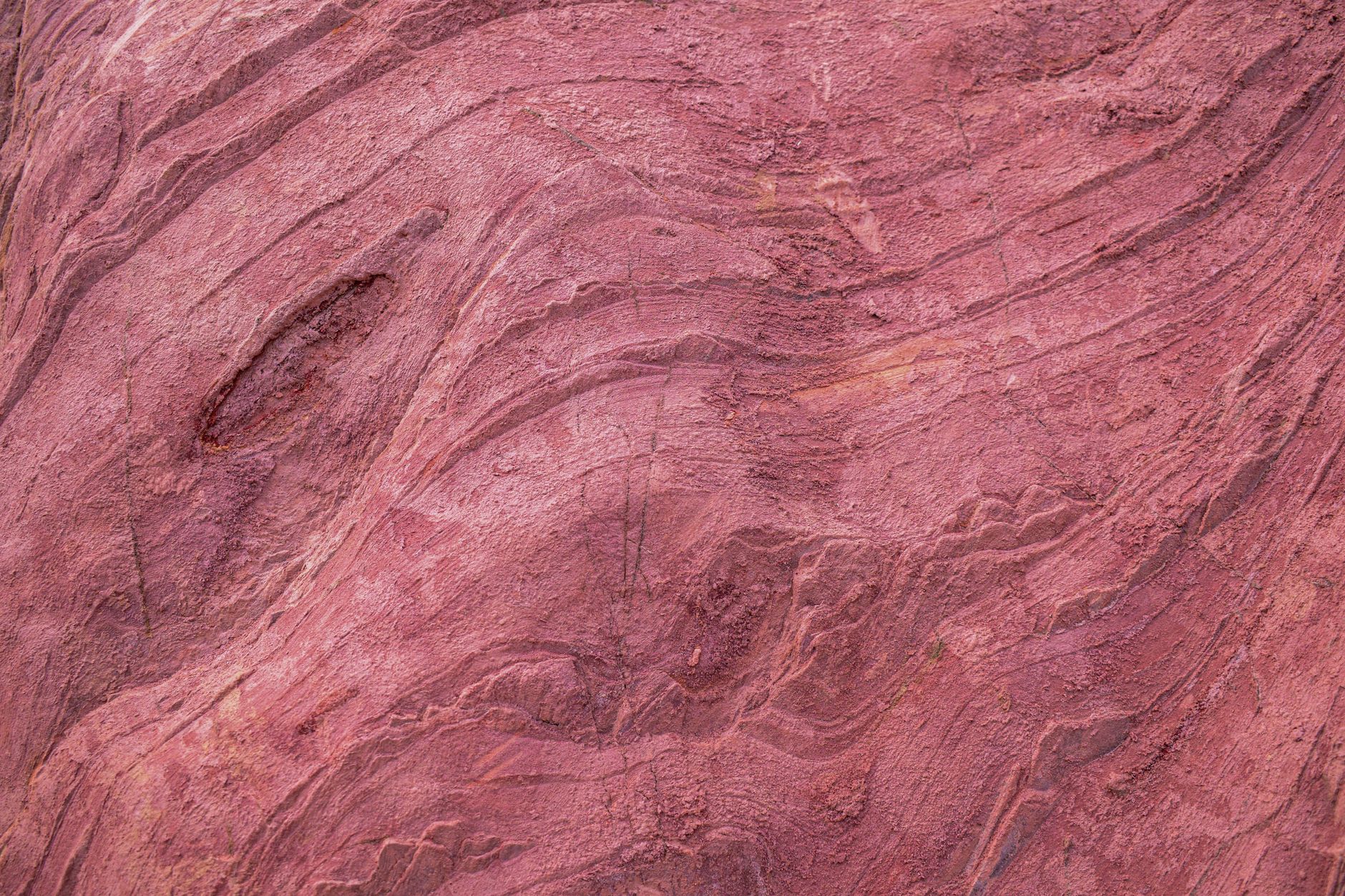
Rhodochrosite is a manganese carbonate with a hardness of 3.5 to 4.5 on the Mohs scale. It usually shows pink to red colors and often forms rhombohedral crystals with curved faces. Its streak is white. It can be confused with rhodonite, which is harder at 5.5 to 6.5 and often has black manganese oxide veins. Use the Mohs hardness scale guide to test unknown minerals in the field.
For locality data and mineral associations, use Mindat.org. Mindat lists specific species reported from mines, pegmatites, and surface sites. Photos on Mindat help you recognize local color and crystal habits. That matters because a pink mineral in one district might be rhodochrosite, rhodonite, or rose quartz.
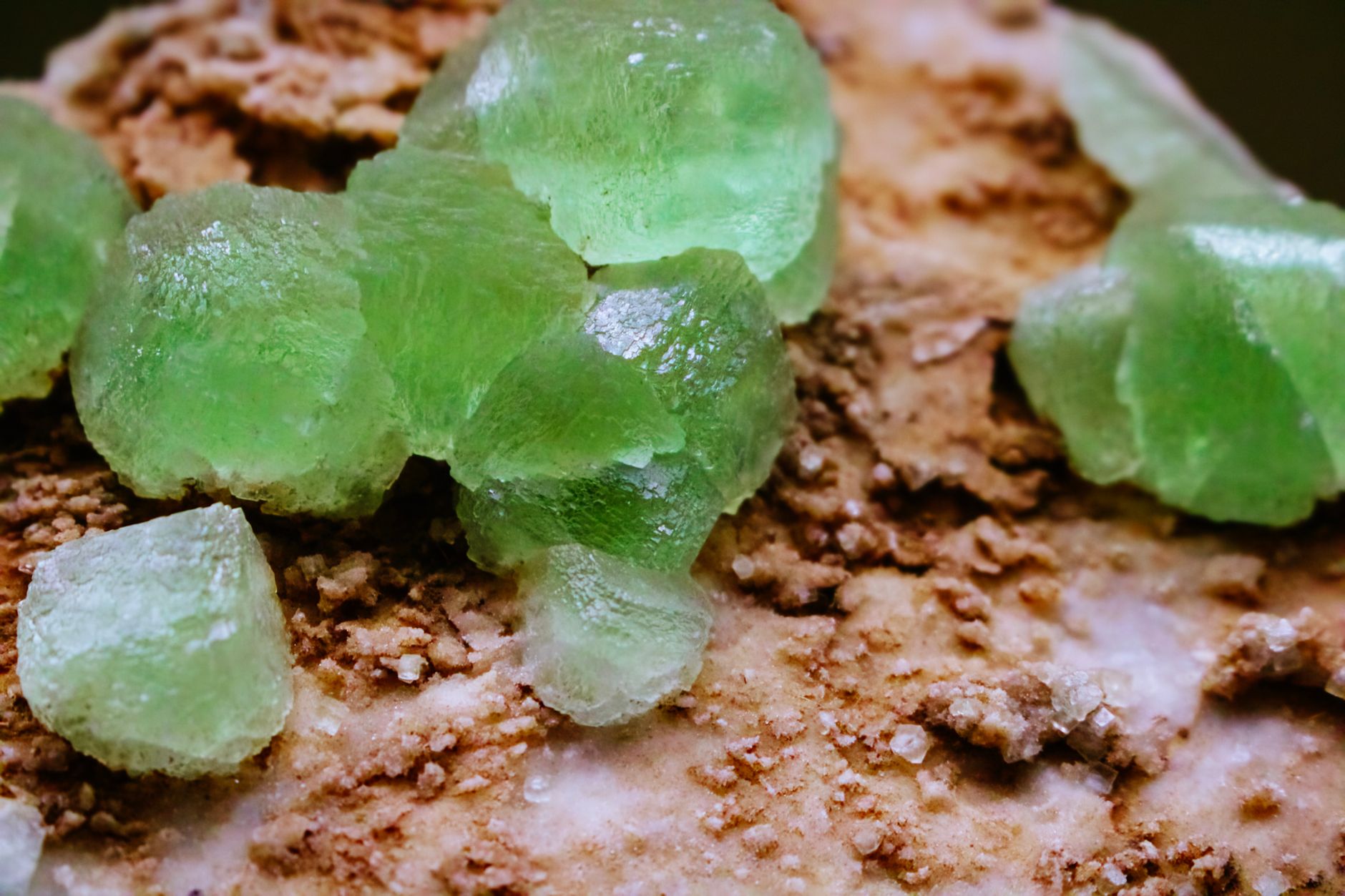
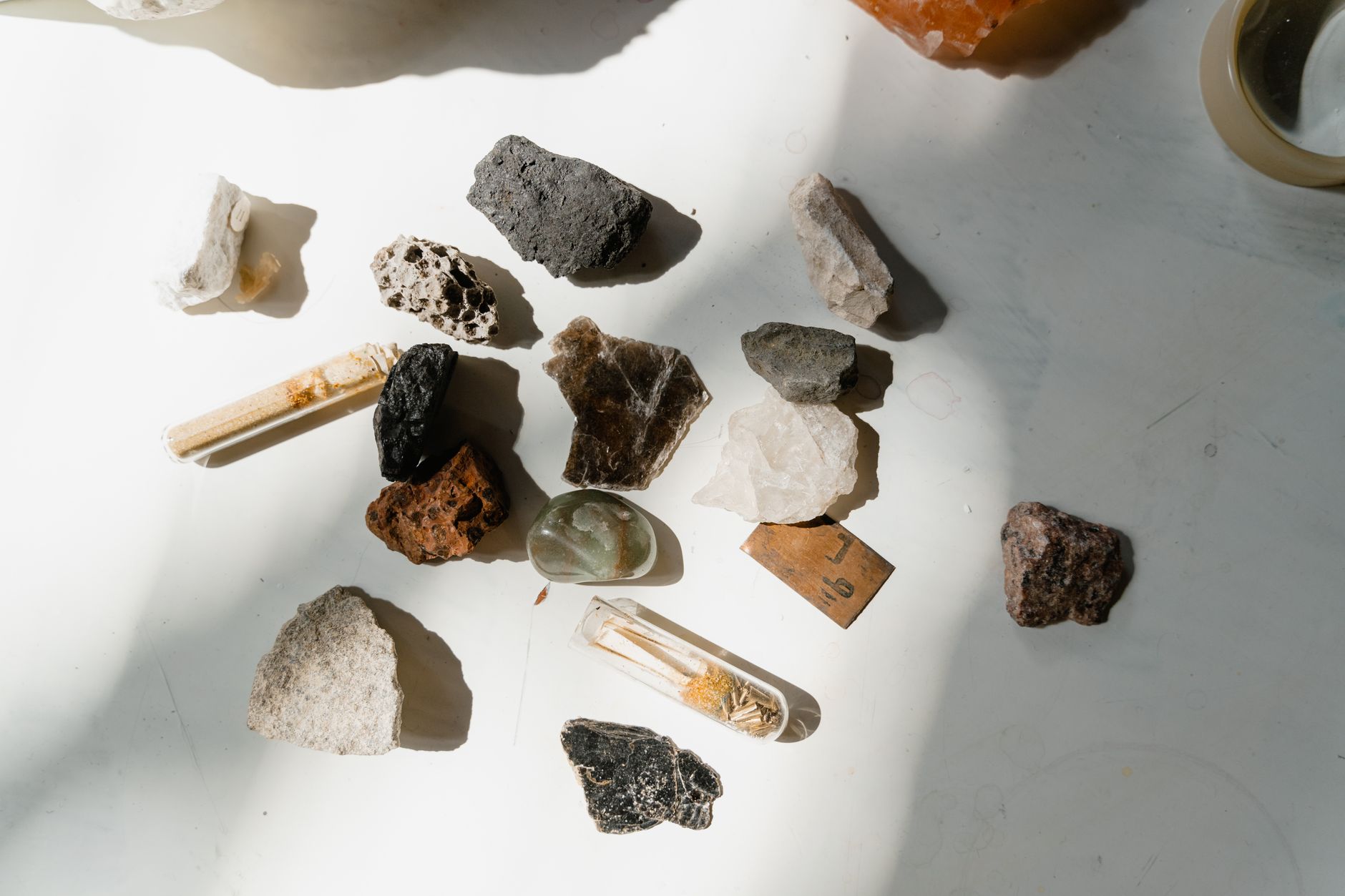
Colorado public collecting areas also produce amazonite, smoky quartz, topaz, fluorite, and garnet. Amazonite is a green to blue-green microcline feldspar. Smoky quartz is dark brown to black. Topaz is often clear, sherry, or pale blue. Fluorite can be purple, green, or white. Garnet in Colorado is commonly red pyrope. Learning the host rock speeds up your search.
Do not rely only on color. Test hardness, look at crystal shape, and check associations. Once you can recognize the main species, the next step is visiting specific sites in 2026.
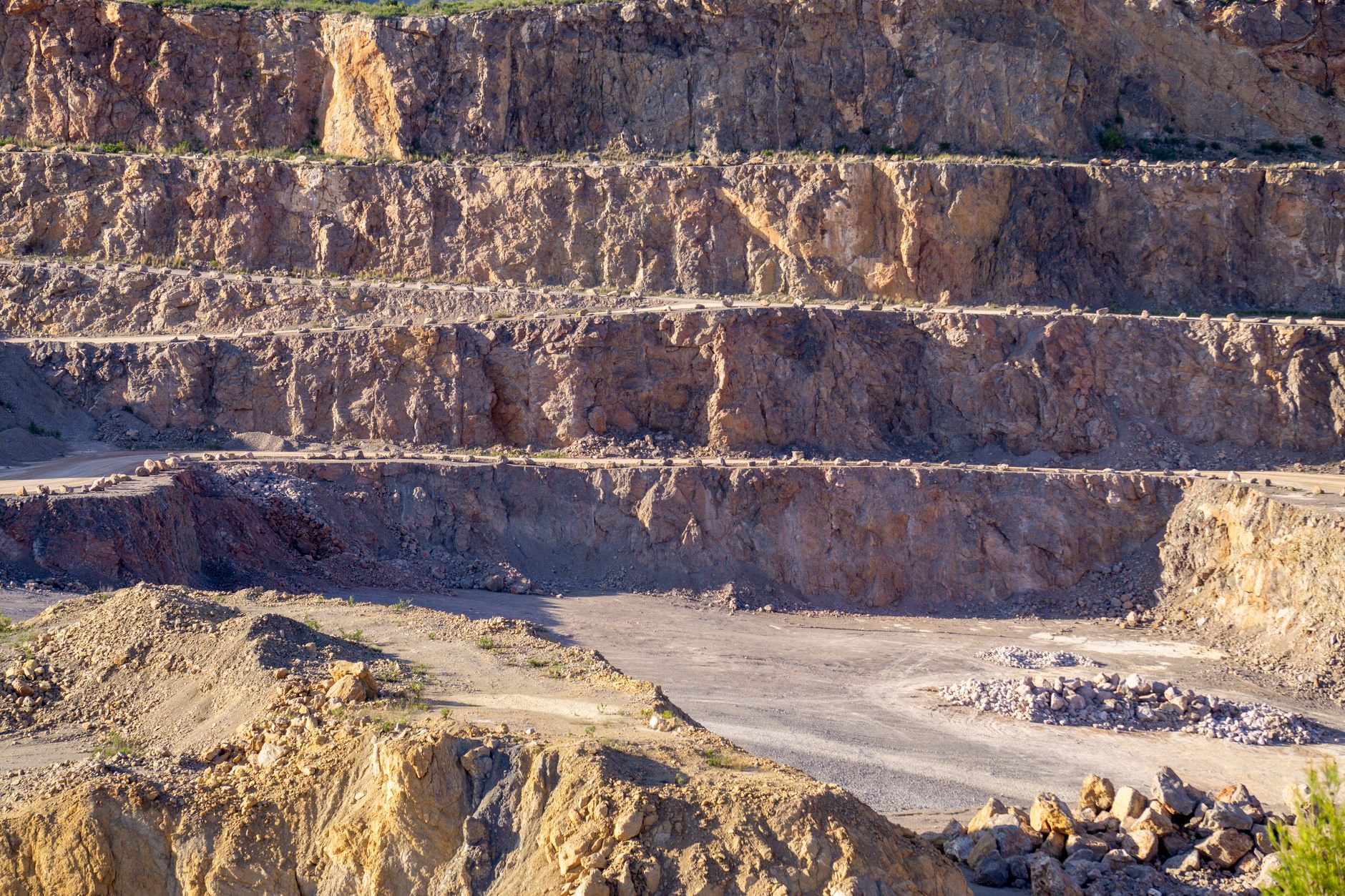
- Visit the Best Public Rockhounding Sites in 2026
The Lake George area in Park County is one of the most popular public collecting districts. Pegmatite outcrops there produce blue-green amazonite, dark smoky quartz, and purple or green fluorite. Much of the surrounding land is national forest, but private claims exist. Stop at a forest service office for current maps and fire restrictions.
Crystal Peak near Florissant is another classic site for smoky quartz, amazonite, and topaz. The area sits in the Pike National Forest, but some adjacent ground is privately claimed. Look for pegmatite rubble and test quartz with your field identification skills. The elevation is high, so bring water and take breaks.
Mount Antero in the Sawatch Range is famous for gemmy aquamarine and fluorite. This is not a beginner site. The collecting areas are above 13,000 feet and many spots are covered by active claims. Four-wheel drive, good boots, and acclimatization are required. Check every claim marker before you dig.
Ruby Mountain near Nathrop offers small red pyrope garnets in a volcanic breccia. This site is easier for families and beginners. The garnets are often loose on the surface or in weathered rock. Still, the slope can be steep and the sun intense.
For rhodochrosite, the main Sweet Home Mine near Alma is not open to the public. The best way to see Colorado rhodochrosite is to visit a museum. The Denver Museum of Nature & Science and the Colorado School of Mines Geology Museum have excellent displays. You can still visit the Alma area to understand the geology and enjoy the mountain setting.
- Use High-Altitude Rockhounding Techniques and Stay Safe
Colorado collecting often happens above 9,000 feet. Thin air makes every task harder. Start slow and let your body adjust for a day or two before doing heavy digging. Drink water constantly. If you get a headache, nausea, or dizziness, descend to a lower elevation right away.
Afternoon thunderstorms are a daily reality in the high country. Start digging early in the morning and plan to be off exposed ridges by noon. Lightning can strike quickly. A car or a low area is safer than a high ridge. Check the forecast before you leave and do not push the weather.
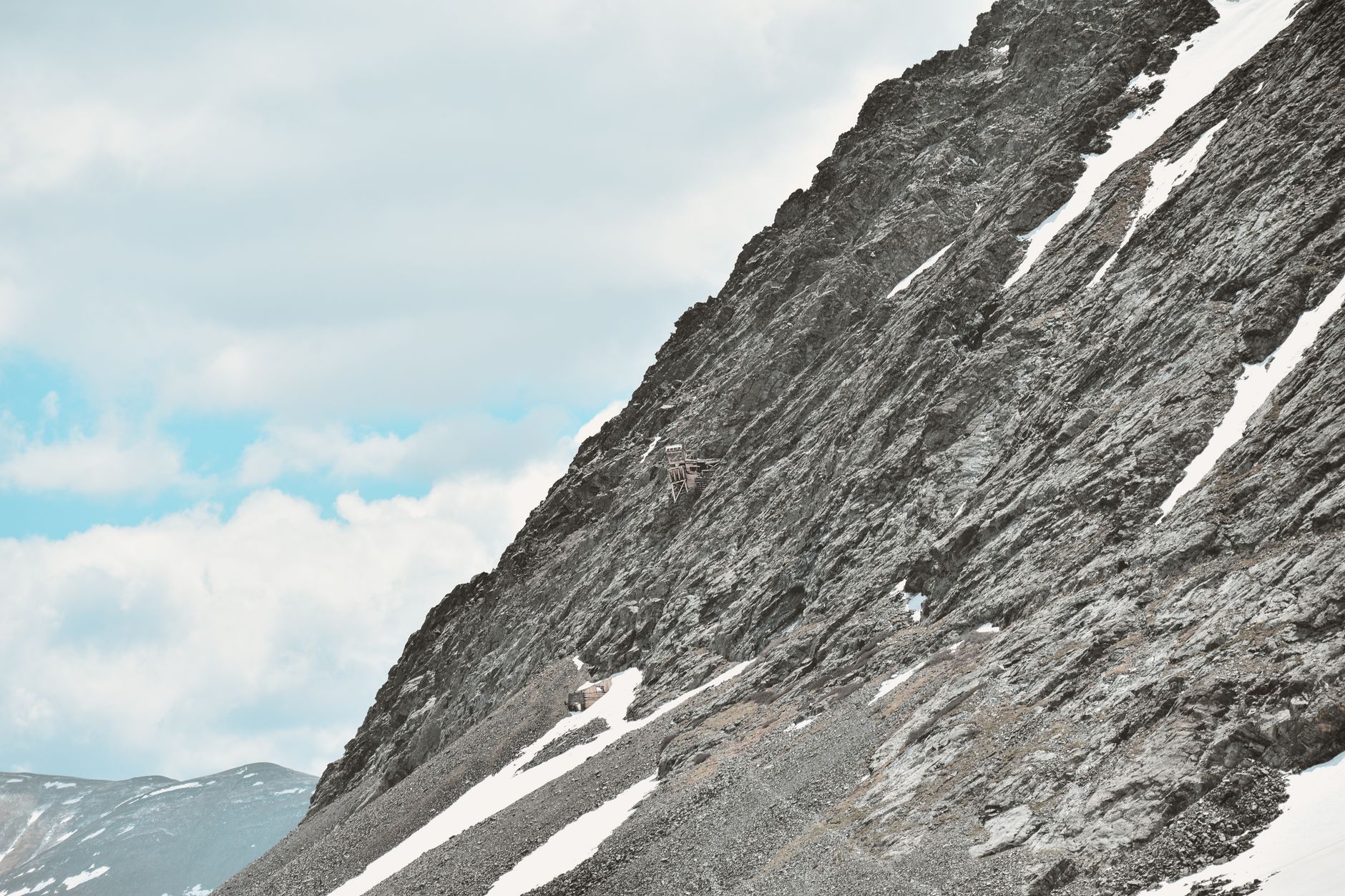
Old mine dumps and steep talus slopes are unstable. Never enter old mine workings or tunnels. Stay away from vertical cuts and under overhanging rocks. A hard hat adds protection when you are digging on steep slopes. Work with a partner whenever possible.
Keep one eye on your footing. Loose rock can roll downhill and hit someone below you. Call out if you knock a rock loose. High altitude also means stronger sun. Wear sunscreen, sunglasses, and a brimmed hat. Safe collecting habits make it possible to keep collecting for years.
Once you have a bucket of material, the next step is cleaning and preserving what you found.
- Clean, Trim, and Preserve Your Colorado Finds
Rinse your finds with clean water before you pack them. Dry mud hides fractures and can scratch delicate crystals. Use a soft brush to remove clay and dirt. Do not acid soak rhodochrosite. The mineral is a carbonate and will dissolve or etch in acid. For detailed methods, use the how to clean rocks and minerals guide.
Quartz, amazonite, and topaz can handle more cleaning. Soapy water and a soft brush remove most grime. If you need to trim a specimen, a diamond saw is safer than a chisel. The best lapidary equipment 2026 guide covers saw options for home use. Use water to cool the blade and catch dust.
Wrap rhodochrosite and other soft minerals separately. Store them in padded boxes or small gem jars so harder stones do not scratch them. Label every specimen with the site name, date, and mineral identification. A small label prevents mystery rocks later.
Good records turn a pile of rocks into a real collection. Once your finds are clean and labeled, the final step is responsible field practice and long-term record keeping.
- Practice Responsible Collecting and Keep Records
Responsible collecting keeps sites open. Fill in any holes you dig and scatter rocks naturally. Pack out all trash, including broken glass and old cans. Do not use heavy equipment on public land. Hand tools and small containers are enough for casual collecting.
Keep a field journal or phone note with GPS coordinates, road names, and photos of the site. Record what you found and where. This helps you return to the same area and builds a useful collection history. It also helps if you later want to trade or sell a specimen, though sales on public land may require permits.
Quantity limits apply on many public lands. Typical rules allow a five-gallon bucket or similar amount per day for personal use, but each district can differ. Check the local office before you fill a truck bed. Commercial collecting on public land is a different category and often requires a permit.
Respect other people using public land. Do not block roads, and close any gates you open. Be aware that private property can start just a few feet from a public road. A clean, legal, and respectful trip is the best way to enjoy rockhounding in Colorado in 2026.
Red Flags & Warnings
- 🚨 Verify land ownership and mining claim status before removing material. Collecting on an active claim or private land is illegal and can lead to fines.
- 🚨 Never enter abandoned mine shafts, adits, or unstable mine dumps. Bad air, rotted timbers, and collapse risk can kill.
- 🚨 Start slow above 9,000 feet. Altitude sickness can feel like the flu but may worsen fast. Descend if symptoms do not improve.
- 🚨 Watch for afternoon lightning and flash floods. Mountain storms form quickly. Plan to be off high ridges by noon.
- 🚨 Do not collect in national parks, national monuments, or protected archaeological sites. It is illegal and harms public resources.
- 🚨 Wear eye protection when using hammers and chisels. Rock fragments can cause serious eye injuries even at a distance.
Frequently Asked Questions
Is rhodochrosite easy to find in Colorado?
No, not for casual collectors. The famous rhodochrosite from the Sweet Home Mine near Alma comes from private claims. Public rhodochrosite is rare. Most collectors view rhodochrosite in museums and focus field time on amazonite, smoky quartz, topaz, and aquamarine.
Do I need a permit to rockhound in Colorado?
It depends on the land. Many BLM and US Forest Service lands allow small personal-use collecting without a permit, but some districts require free permits or have quantity limits. Always check with the local field office before you collect. National parks and monuments do not allow collecting.
Can I collect on old mining claims?
No, not without the claim owner’s written permission. Active mining claims are private mineral rights. Old mine dumps are often still under claim. Check BLM claim records and county files before you dig.
What is the best time of year to rockhound in Colorado?
Late spring through early fall is best for most public sites. High country may have snow until June or July. Avoid summer afternoons because of lightning. Fall offers cool days but shorter daylight.
What tools do I need for high-altitude rockhounding?
You need a rock hammer, chisels, safety glasses, gloves, a hand lens, water, and sun protection. A GPS or offline phone map helps. Lighter tools are better at altitude.
How do I tell rhodochrosite from rose quartz or rhodonite?
Rhodochrosite has a hardness of 3.5 to 4.5 and a white streak. Rose quartz is much harder at 7 and does not react to acid. Rhodonite is harder than rhodochrosite and often has black manganese oxide veins. Use a hand lens and hardness test.
What Should You Remember?
- Check land status before you dig on BLM or Forest Service land. Mining claims and private property are off limits without permission.
- Target one district instead of trying to reach every Colorado site in one trip. Mountain roads are slow.
- Pack light but safe with a rock hammer, chisels, eye protection, gloves, water, and a hand lens.
- Learn rhodochrosite IDs by testing hardness and streak. It is softer than quartz and easily scratched.
- Respect the altitude by starting early, hydrating often, and leaving high ridges before afternoon storms.
- View rhodochrosite at museums because the famous Sweet Home Mine is private and not open to collecting.
- Clean and label finds with water and soft brushes. Never acid soak rhodochrosite or other carbonate minerals.
This article is for general information only. Rockhounding and collecting carry land-access, safety, and legal obligations , always verify claim status, land ownership, and collecting rules before removing material, and get landowner or land-agency permission where required. Field collecting involves physical hazards; use proper safety gear and never enter mines or unstable terrain.