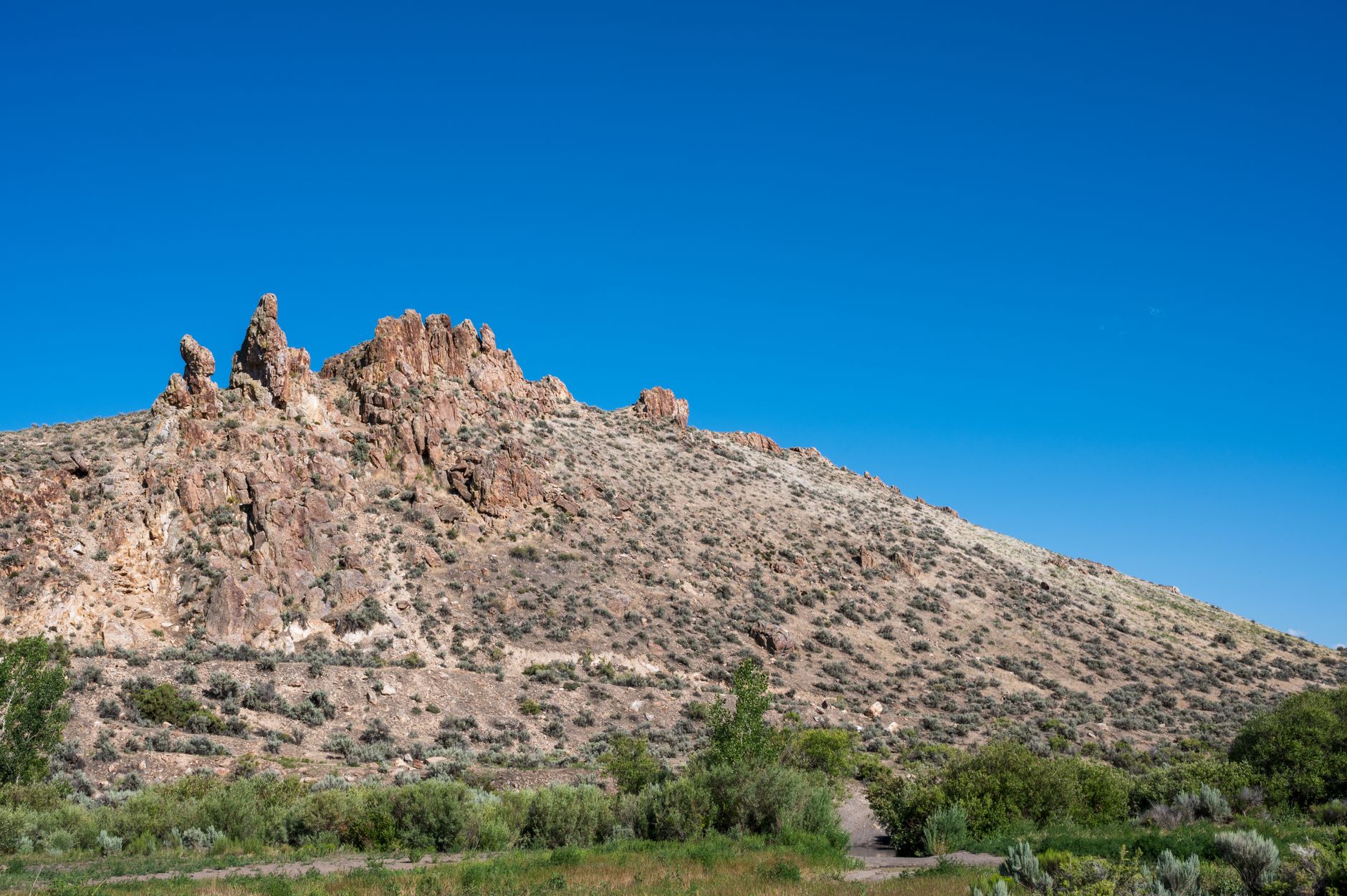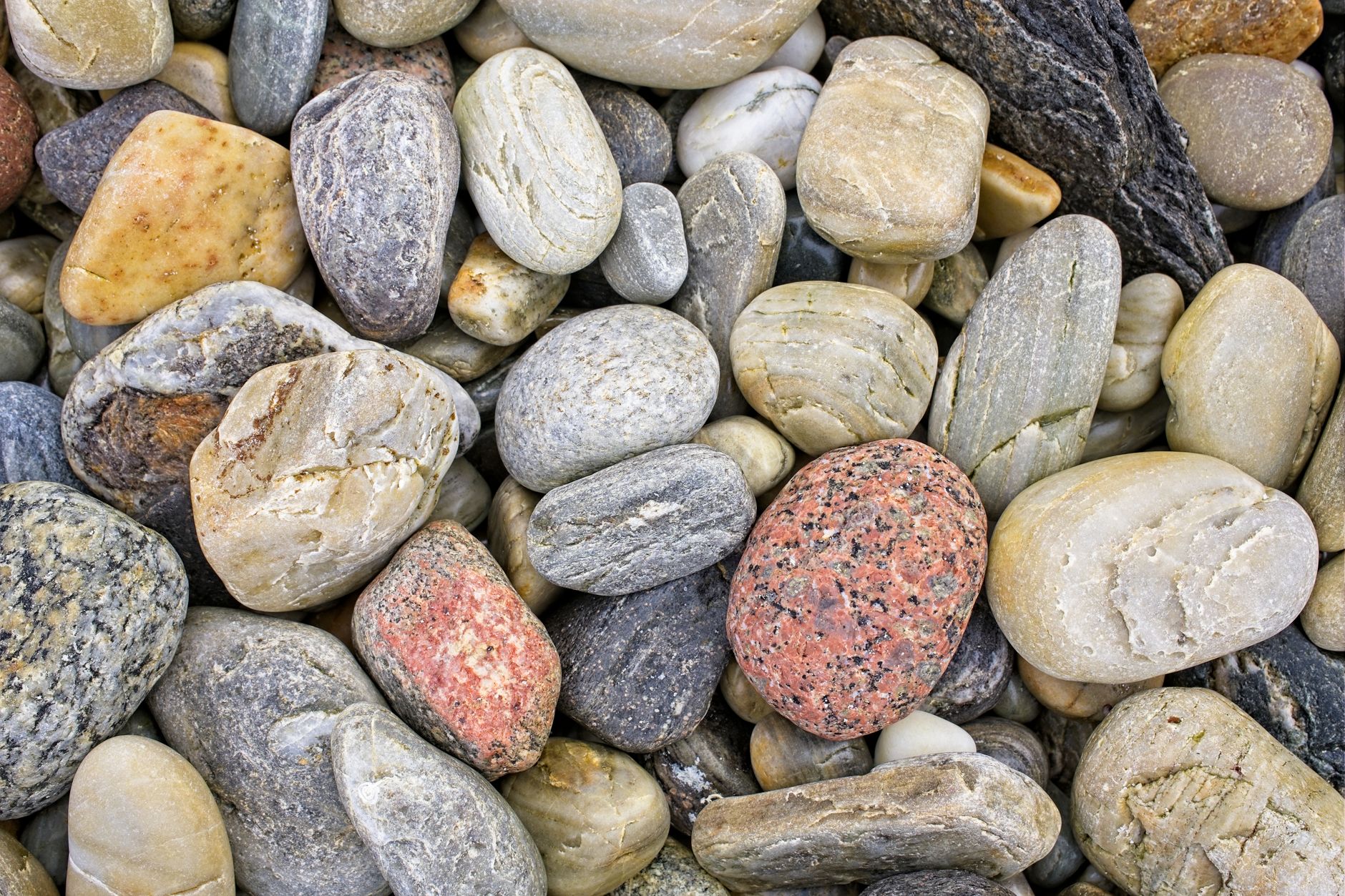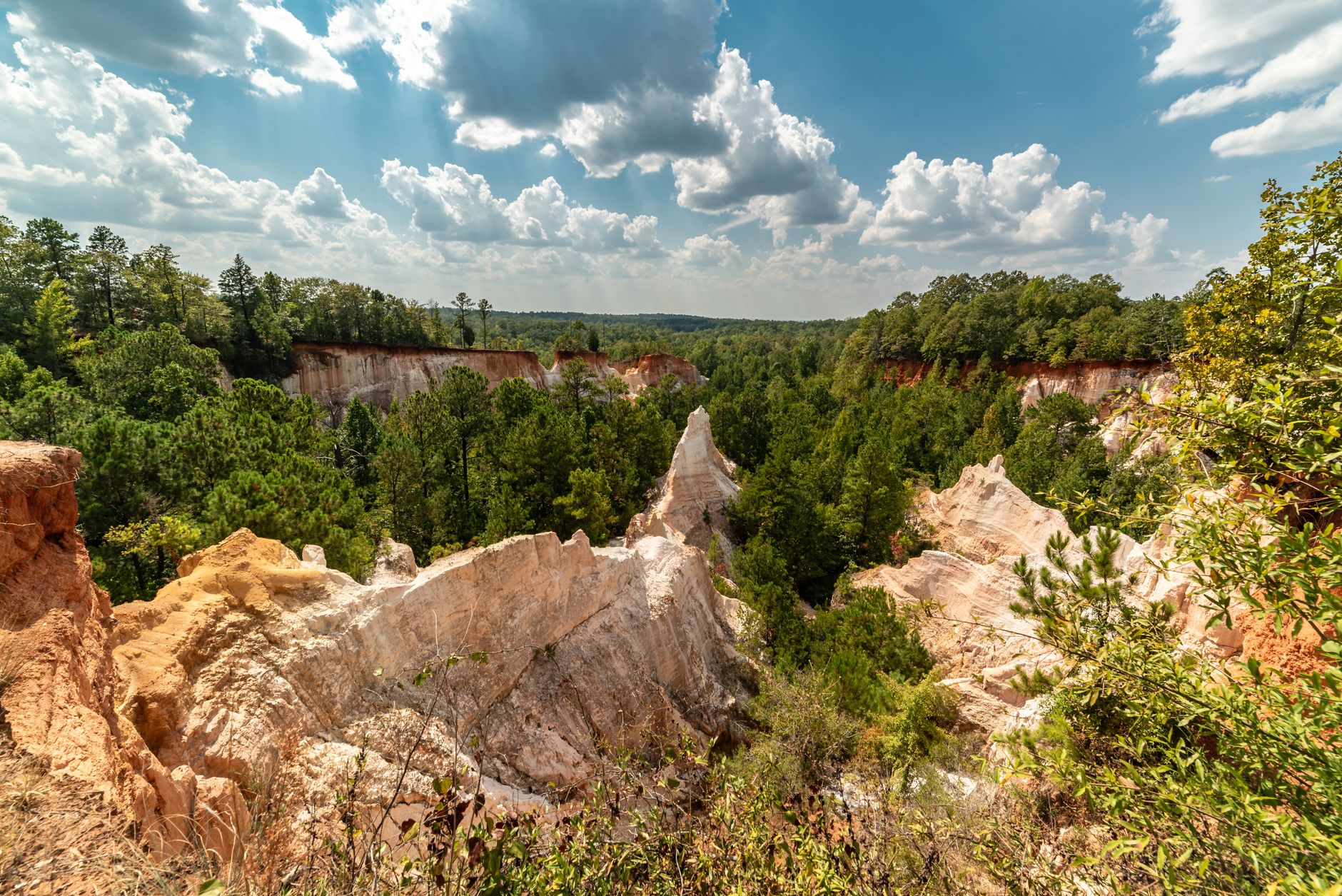
Georgia is one of the Southeast’s most underrated rockhounding states. Its geology runs from the Blue Ridge metamorphic rocks in the north to the Coastal Plain sediments in the south. That mix produces quartz, garnet, kyanite, staurolite, amethyst, and historic gold. The state mineral is staurolite, a brown silicate that often forms cross-shaped twins. According to Mindat.org, the state holds more than 1,000 recorded mineral localities. For a broader look at beginner collecting areas, see our guide to the best beginner rockhounding sites.
Gold put Georgia on the map in 1828, when the Dahlonega Gold Belt sparked the first major U.S. gold rush. The U.S. Mint opened a branch in Dahlonega in 1838. That history still shapes modern rockhounding rules. Many old mining areas are now private land or national forest. You can still pan for gold with hand tools in many creeks. The key is knowing where you stand and what permission you need before you dig.
Planning a 2026 trip means more than picking a spot. You need the right gear, a valid permit or landowner permission, and a method for identifying what you find. This guide walks through the best Georgia sites, gold panning basics, and permit rules. You will also learn how to stay safe and collect ethically. Before heading out, review our best rockhounding gear guide to build a simple kit that fits Georgia’s terrain.
What You’ll Need
- Rock hammer
- Gold pan with riffles
- Classifier sieve
- Safety glasses
- Heavy gloves
- Hand lens or loupe
- Bucket and small trowel
How Do You Rockhound in Georgia 2026?
- Learn Georgia’s geology and target minerals
Start with the Blue Ridge and Piedmont provinces. The Blue Ridge contains metamorphic rocks like gneiss and schist, which host garnet, kyanite, staurolite, and gold-bearing quartz veins. The Piedmont has more granite and pegmatites, which can hold beryl and feldspar. The Coastal Plain is mostly sedimentary, with fossils and chert. Georgia’s mineral diversity means your target list changes by region.
Use the Mindat.org locality database to check what has been found at specific Georgia sites. It lists minerals, maps, and photos for free. The USGS also publishes geologic maps that show gold belts and metamorphic grades. You do not need a geology degree to read them, but they help you avoid empty ground.
Know your target minerals before you collect. Staurolite is Georgia’s state mineral. It is a brown iron aluminum silicate with a Mohs hardness of 7 to 7.5. It often forms the famous fairy cross twins at 60-degree or 90-degree angles. Kyanite is a blue aluminum silicate with unusual directional hardness. Its hardness ranges from about 4.5 parallel to the long axis to 7 across the short axis. That odd property helps you identify it. These two minerals are common in north Georgia’s heavy mineral soils.
For beginners, focus on quartz varieties and garnets first. They are easier to spot and identify. Carry a mineral identification guide and a hand lens. The more you know before you go, the more useful your collecting time becomes.
- Choose the right Georgia rockhounding sites
Split your trip by region. In the north, the Dahlonega Gold Belt runs through Lumpkin, White, and Cherokee counties. This area is best for gold panning and small quartz specimens. In the east, Graves Mountain in Lincoln County is famous for rutile, kyanite, lazulite, and pyrophyllite. It is not a public free-for-all. The caretakers allow collecting only through scheduled club digs or fee events. Always check current 2026 dates before you go.
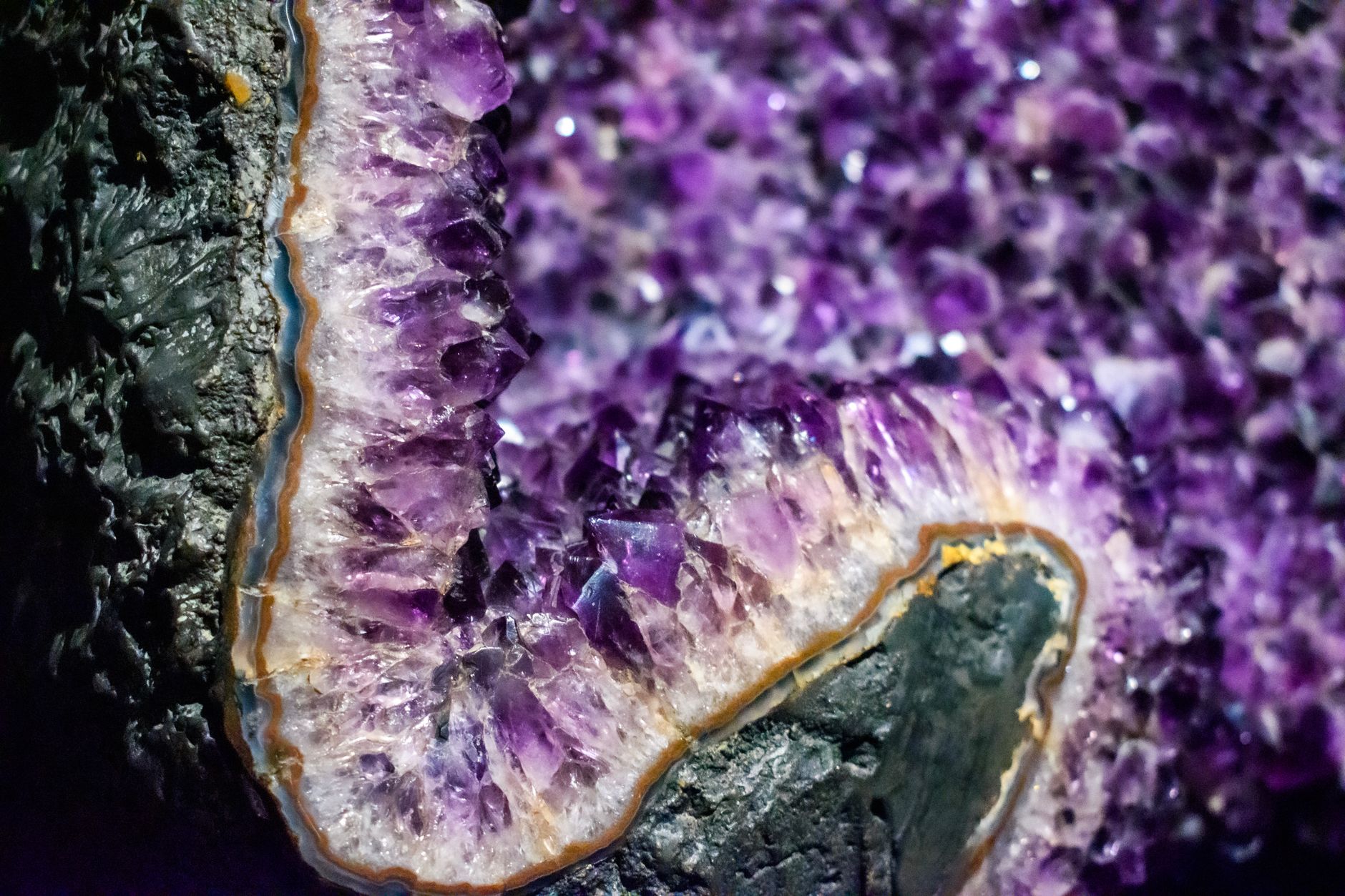
For amethyst, Jackson’s Crossroads in Wilkes County produces deep purple crystal clusters. It is a fee dig operation with set hours. The amethyst forms in vugs and often has a blue-purple color that changes in different light. For rose quartz and aquamarine, Hogg Mine near LaGrange offers fee digs in a pegmatite. This is a great spot for families because you can surface collect without hard rock mining. Check each site’s website for 2026 fees and age rules.
Public land in the Chattahoochee-Oconee National Forest offers creeks and old mining areas. You can pan in many streams with a simple hand pan. Some national forest roads have outcrops with quartz and garnet. Do not assume every road cut is open. The forest service may restrict digging near cultural sites or active claims. If you want to compare nearby states, our rockhounding in North Carolina guide covers similar Blue Ridge minerals.
A good 2026 plan uses two or three sites. One fee dig for guaranteed finds, one public creek for gold panning, and one road cut or trail for surface collecting. That mix reduces pressure to dig illegally and gives you a better chance of taking home good material.
- Get permits and understand land ownership
The very first rule is to know whose land you are on. On private land, collecting without permission is trespassing. Georgia trespass laws allow landowners to prosecute, and fines can be steep. Always get written permission. Text or email is not enough in some cases. A handwritten note with the date, owner’s name, and allowed area protects you and the landowner.
On national forest land, casual surface collection of small amounts of rocks and minerals is generally allowed for personal use. You do not need a permit for a gold pan or a small hand shovel in most places. But rules change by ranger district. The Chattahoochee-Oconee National Forest may restrict digging within 100 feet of streams or cultural sites. Check the current 2026 Motor Vehicle Use Map and local supervisor’s orders before collecting.
State parks and state historic sites in Georgia usually prohibit rockhounding. Collecting in parks can result in citations and confiscation. The same applies to wildlife management areas during certain seasons. Do not dig in state park soil or remove rocks from historic structures. If a site is labeled as a park, preserve, or heritage area, leave the rocks in place.
Use land status maps before you leave. The USGS offers geologic and topographic maps, while county tax assessor websites show private parcels. Mapping apps can help you see public and private boundaries. For gold panning specifically, review our beginner guide to how to pan for gold. It covers the hand tools and techniques you will use after permission is sorted.
- Pack the right tools and safety gear
A basic Georgia kit should include a rock hammer, a gold pan, a classifier, safety glasses, heavy gloves, a hand lens, and a bucket. The rock hammer handles hard rock collecting in road cuts and mine dumps. The gold pan and classifier are for creek work. Keep tools light. You often walk a mile or more from the car.
For safety, choose a rock hammer with a flat head and a pick end. Check the rock hammer on Amazon. Estwing and similar hammers work well. Wear safety glasses on Amazon whenever you strike rock. Rock chips can fly into your eyes. Heavy gloves prevent cuts from quartz shards. Keep an extra pair in the truck.
A classifier with half-inch and quarter-inch mesh speeds up gold panning. You can buy a gold pan on Amazon with riffles for about ten to twenty dollars. A hand lens helps you see crystal faces and identify minerals. Check our guide to the best rock hammers for 2026 before buying. A cheap hammer with a soft head will break quickly.
Do not forget water, sun protection, and a small first aid kit. Georgia summers are hot and humid. Ticks and snakes are active from April to October. Wear long pants and sturdy boots near tall grass. A walking stick can help you test the ground before stepping. Your overall rockhounding gear guide covers these basics in depth.
- Pan for gold in Georgia’s gold belt
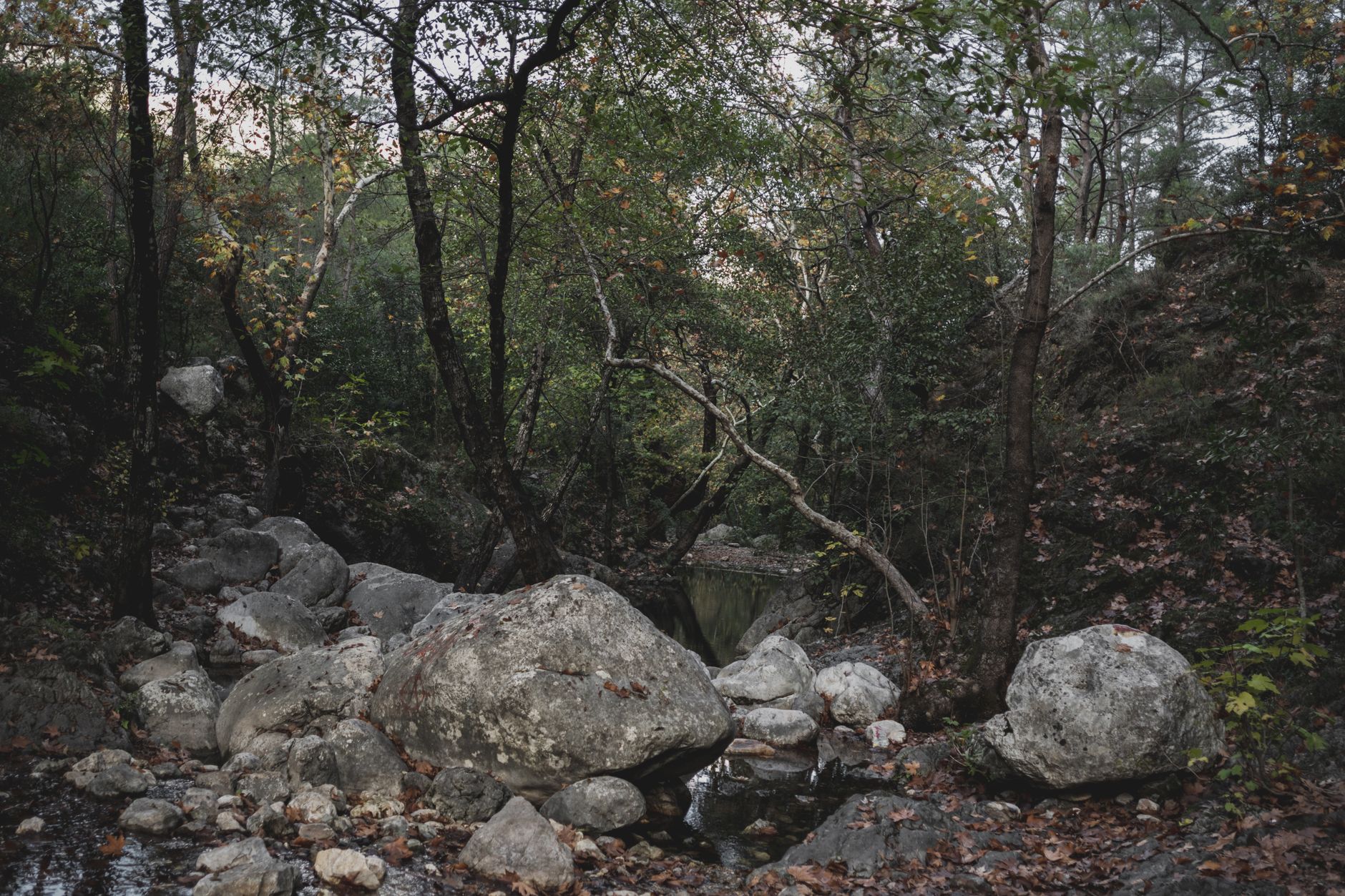
Gold in Georgia concentrates in the Dahlonega Gold Belt. The best public panning is in creeks inside the Chattahoochee-Oconee National Forest, particularly around Lumpkin and White counties. Gold is heavy, with a specific gravity of about 19.3. It settles in bedrock cracks, behind boulders, and in gravel bars on the inside bends of streams. Look for black sand, quartz pebbles, and reddish iron stains. Those are signs you are in the right place.
Use a shovel or trowel to dig down to the bedrock or a clay layer. Put the gravel through a classifier to remove large stones. Then work the material in your pan with water. The classic motion is a gentle circular shake followed by a forward tilt to wash light sand away. Gold stays behind. If you are new, read our step-by-step gold panning beginner guide. It shows the exact hand motions.
Do not expect to get rich. Most Georgia creeks produce fine gold or small flakes. A day of work may yield only a few tiny specks. That is still a successful outing if you are in it for the history and the fun. The Dahlonega area once supported a branch U.S. Mint from 1838 to 1861. The gold you find is part of that same story. Commercial mines and old mining claims are private, so do not enter posted land.
After panning, refill your holes and leave the stream bank stable. Silt from your digging can harm fish and insects. Georgia creeks are often small, so a few careless holes can damage the whole run. Use a hand pan and shovel only. Motorized highbankers and suction dredges are not allowed in most public areas without a permit.
- Identify, clean, and document your finds
After you collect, sort your finds by hardness and color. Quartz and amethyst have a Mohs hardness of 7, so they scratch glass. Garnets are around 6.5 to 7.5. Staurolite is 7 to 7.5. Kyanite is odd because it has variable hardness from 4.5 to 7. A simple scratch test with a steel knife or nail helps you separate hard minerals from soft ones. For a full guide, see our Mohs hardness scale guide.
Clean your rocks carefully. Most Georgia quartz and amethyst can be washed with water and a soft brush. Do not use acid without experience. Iron staining on quartz often responds to soaking in water with a little oxalic acid or a commercial mineral cleaner. That is a strong chemical, though. If you are new, start with soap, water, and a toothbrush. Our guide to cleaning rocks and minerals covers safe methods step by step.
Use a hand lens or loupe to look for crystal faces, twinning, and inclusions. Amethyst from Jackson’s Crossroads often shows a distinct purple-to-blue color shift under different lighting. Staurolite twins look like crosses or X shapes. Garnets have rounded dodecahedral forms. If a specimen is not obvious, check a gemstone identification guide or a mineral identification app. Taking clear photos in daylight helps you get an ID later.
Document where you found each specimen. A simple notebook entry with date, GPS coordinates, and the site name is enough. That turns a pretty rock into a real collection record. Many collectors later forget exactly where a piece came from. Good records also help if you want to trade or donate specimens. Store each find in a small bag or box with a label so nothing gets mixed up.
- Follow ethical collecting and leave-no-trace
Ethical rockhounding means taking only what you need and leaving the site better than you found it. Do not strip a locality clean. A few good specimens are better than a bucket of low-grade rocks. The next collector should find something too. This is especially true at well-known sites like Graves Mountain and Jackson’s Crossroads. Those places survive because collectors respect the rules.
Fill every hole you dig. Not only is it courteous, it prevents erosion and keeps landowners willing to open their property. If you move rocks on a stream bank, put them back before you leave. Do not dig under tree roots or cut into hillsides. Such damage lasts for years. A trowel and small shovel are enough for most casual collecting.
Pack out all trash, including broken buckets, gloves, and snack wrappers. Do not leave rock chips or damaged specimens scattered around a fee dig. The landowners and caretakers notice. If a site has a fee box or club sign-in, use it. That small act keeps the site open for future 2026 trips. Review our mineral collecting field guide for more on ethical practices.
Respect other users. Hikers, anglers, and hunters share public land. Avoid blocking trails or parking on private roads. Keep noise down near trailheads. If you find an old mining structure or cultural artifact, leave it in place. Georgia’s public land holds history as well as minerals. A good collector leaves both for the next person.
Red Flags & Warnings
- 🚨 Never collect on private land without written permission. Georgia trespassing laws are strict, and a verbal yes may not protect you if there is a dispute.
- 🚨 Do not enter active or abandoned mines. Old tunnels can collapse, and many are on private claims. Even open adits can hide bad air, snakes, or vertical shafts.
- 🚨 Avoid digging in stream banks during or after heavy rain. Flash floods rise quickly in Georgia’s narrow mountain creeks, and soft banks can collapse.
- 🚨 Do not use motorized equipment like suction dredges or highbankers on public land. Most national forest areas prohibit them without a special permit.
- 🚨 Watch for copperheads and rattlesnakes in warm months. Use a stick to check brush and never reach into dark crevices without looking.
- 🚨 Wear safety glasses when striking rocks. Quartz and other hard minerals throw sharp chips that can cut an eye.
Frequently Asked Questions
Where can I legally pan for gold in Georgia?
The best legal public panning is on national forest land in the Dahlonega area, mainly in Lumpkin and White counties. Many creeks allow hand panning and small hand tools for personal use. Private fee sites like Crisson Gold Mine and Consolidated Gold Mine also offer guaranteed gold panning. Always check current forest service rules and stream closures before you go.
Do I need a permit to rockhound on public land in Georgia?
In most cases, casual surface collection of small amounts of rocks and minerals on Chattahoochee-Oconee National Forest land does not require a permit. Hand tools like rock hammers and gold pans are generally allowed for personal use. However, commercial collecting, large-scale digging, and motorized equipment require permits. Check with the local ranger district for 2026 rules.
What is the best time of year to rockhound in Georgia?
Spring and fall are the most comfortable seasons. Temperatures are lower, and creek levels are often stable. Summer is hot and humid, with more snakes and ticks. Winter can be good for surface collecting but cold water makes gold panning difficult. Check the weather and stream flow before any outing.
Is it legal to collect amethyst at Jackson's Crossroads?
Yes, but only through the official fee dig operation. Jackson’s Crossroads is private property, and collecting without permission is trespassing. The owners open the site on scheduled days and charge a fee. The amethyst is known for deep purple crystals and occasional blue color shift. Call or check their public schedule before driving.
What is Georgia's state mineral?
Staurolite is Georgia’s state mineral. It is a brown iron aluminum silicate with a Mohs hardness of 7 to 7.5. Staurolite commonly forms cross-shaped twins called fairy crosses or fairy stones. North Georgia streams and soils around Fannin County are classic places to find it.
Can I keep gold found in Georgia streams?
On public land where casual panning is allowed, yes, you can generally keep small amounts of gold for personal use. On private land, the landowner owns the mineral rights unless otherwise stated. On commercial fee sites, you keep what you find according to the site’s rules. Always confirm ownership first.
What Should You Remember?
- Georgia Gold Belt: Focus on Dahlonega, Lumpkin, and White counties for public creek panning with hand tools.
- Staurolite: Georgia’s state mineral has a Mohs hardness of 7 to 7.5 and forms cross-shaped twins.
- Private land: Get written permission before collecting. Verbal approval may not hold up.
- Public land rules: National forest casual collecting is usually allowed, but state parks prohibit it.
- Fee digs: Jackson’s Crossroads, Graves Mountain, and Hogg Mine offer reliable finds but require fees or club access.
- Safety first: Wear eye protection, watch for snakes, and never enter old mine tunnels.
- Ethics: Fill holes, pack out trash, and take only a few good specimens.
This article is for general information only. Rockhounding and collecting carry land-access, safety, and legal obligations , always verify claim status, land ownership, and collecting rules before removing material, and get landowner or land-agency permission where required. Field collecting involves physical hazards; use proper safety gear and never enter mines or unstable terrain.