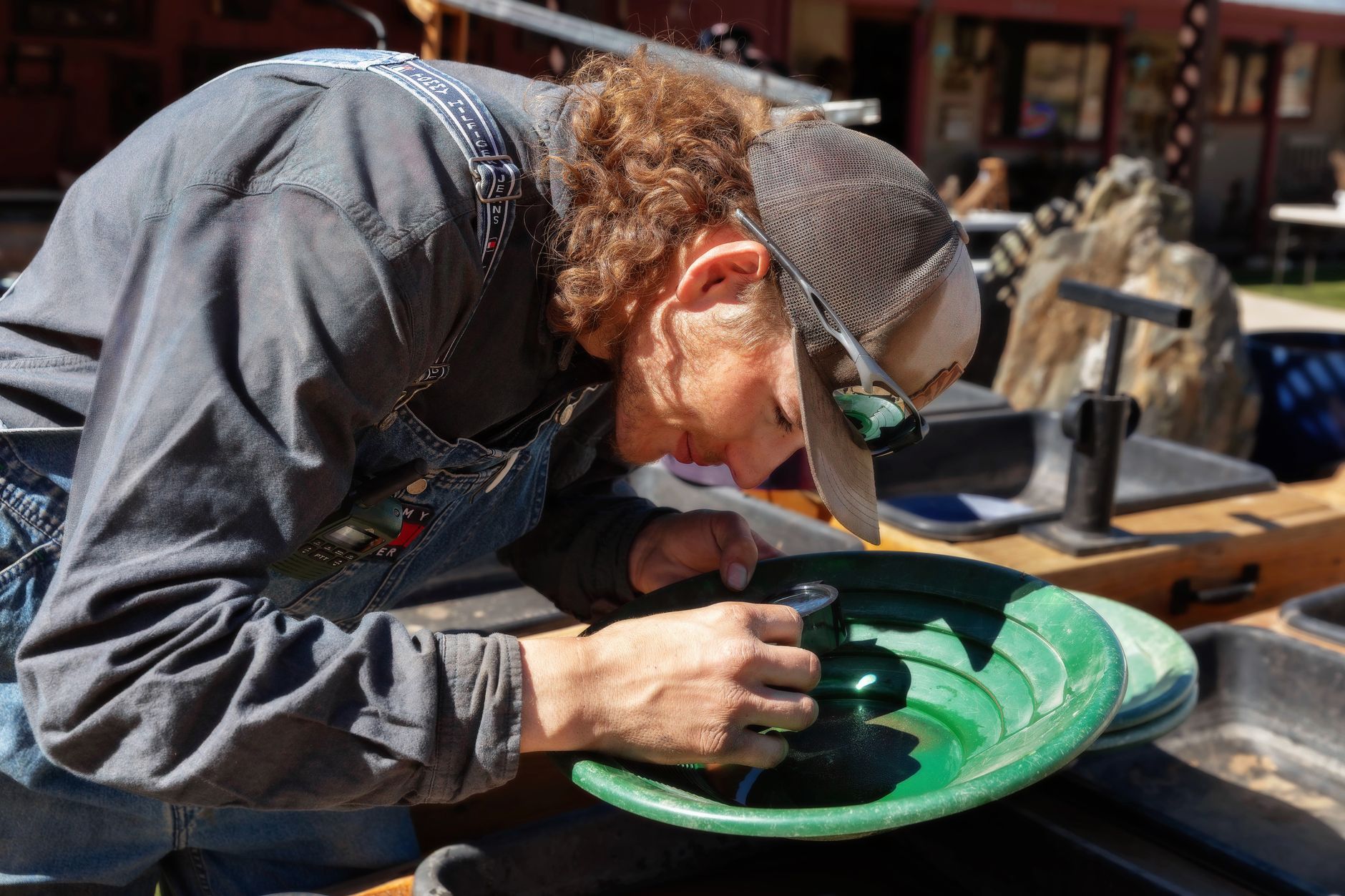
Arkansas is a bucket-list destination for rockhounds because of its world-class quartz crystals. The Ouachita Mountains around Mount Ida and Hot Springs produce some of the clearest quartz points found anywhere. According to Mindat locality data, Arkansas quartz sites are known for both size and clarity. If you are planning a 2026 trip, target the commercial fee-dig mines and public Forest Service land after checking current rules. Start with our best rockhounding states to see how Arkansas compares.
The state’s geology is the main reason for the crystal wealth. Quartz veins formed in the Ouachita Mountains during ancient continental collisions. That left behind pockets and veins of milky and clear quartz. Some crystals are small single points, while clusters and plates can weigh hundreds of pounds. Because quartz rates 7 on the Mohs hardness scale, it survives stream tumbling and can be cleaned without fear of scratching.
The 2026 season will reward collectors who prepare for fee-dig changes, weather, and land access. The best sites are not all free. Many are private mines that charge by the day or by weight. Still, that fee often gives you a worked digging area where crystal pockets are exposed. You can also try national forest land, but you must know the rules for personal use collection.
This guide walks through where to go, what to bring, how to dig, and how to clean and grade your quartz. It includes conservative collecting practices, red flags, and links to field gear. Use the step-by-step plan below whether you are a first timer or a seasoned mineral collector.
What You’ll Need
- rock hammer
- cold chisel
- safety glasses
- leather gloves
- 5-gallon bucket
- spray bottle
- trowel
- knee pads
How Do You Rockhound in Arkansas 2026?
- Choose the Ouachita Mountain quartz belt and the right season
Start by focusing on the Ouachita Mountain quartz belt west of Hot Springs. The small towns of Mount Ida, Jessieville, and Story anchor the most productive fee digs and public collecting areas. Mount Ida calls itself the Quartz Crystal Capital of the World for good reason. Local mines have produced clear points, clusters, and plates for more than a century. Use a mineral collecting field guide to record locality data as you plan stops.
Time your trip for spring or fall. April and May offer cooler mornings and fewer summer storms. September through early November is also ideal because the ground is usually dry enough to work safely. Summer digging is possible, but open pits get dangerously hot. Winter can be fine on dry days, but frozen ground is rare in central Arkansas. Rain can close dirt roads and make red clay extremely slick.
Match your site list to your experience level. Commercial fee digs are better for beginners because the staff points you toward active pockets and tailings. Experienced field collectors can try national forest land, but you must do more scouting. Keep your first day simple and avoid driving between too many mines. Most collectors can visit two or three sites in a day if they start early.
- Learn the geology and recognize Arkansas quartz varieties
Arkansas quartz formed in fractures and veins within the Ouachita Mountains. The crystals are mostly silicon dioxide with a hardness of 7 on the Mohs hardness scale. That hardness means they scratch glass and hold a polish well. The specific gravity of quartz is about 2.65, which is useful for identifying dense fakes later.
Mindat locality records show hundreds of quartz-producing sites across Garland and Montgomery counties. The most collectible material is clear rock crystal, followed by milky quartz. Smoky quartz and phantom quartz appear in smaller amounts at some mines. Points often form as six-sided prisms with a pointed termination. Arkansas material is prized because large pieces can be water clear with few internal fractures. You can browse Mindat for detailed locality descriptions.
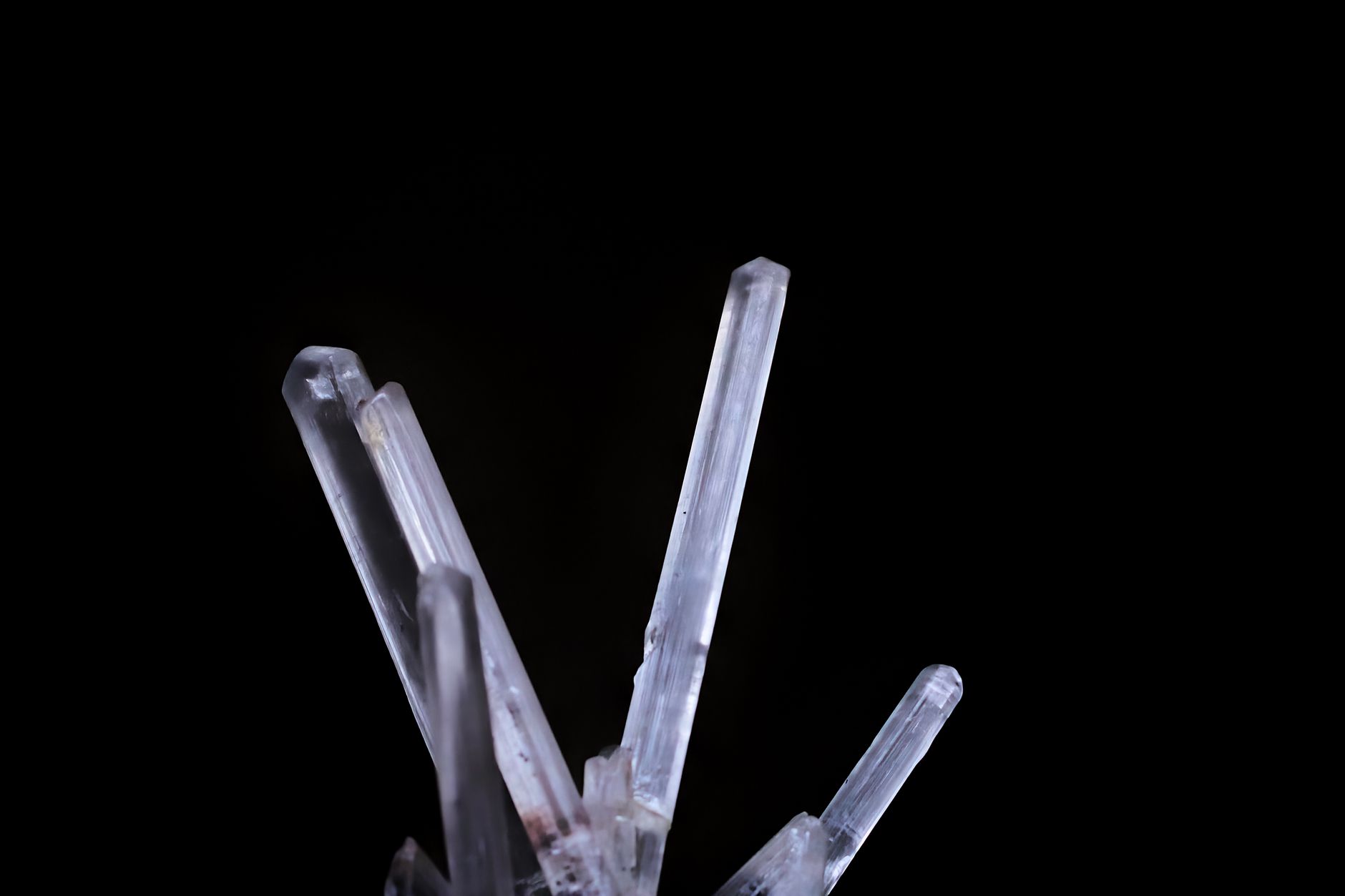
Learn to spot a productive pocket before you dig. Quartz pockets often hide in red clay, iron-stained zones, or broken rock near the contact between sandstone and shale. Loose broken points on the surface often signal a pocket below. When you see a cluster of small etched or iron-stained crystals scattered in one spot, slow down and work that area carefully.
- Choose public land or a commercial fee-dig mine
Decide whether you want a guaranteed fee-dig experience or a public land adventure. Commercial mines charge an entry fee and sometimes a per-pound fee for what you keep. In return, you get access to a known producing area, tools, and often a wash station. Some of the best known pay-to-dig operations include Wegner Quartz Crystal Mine, Ron Coleman Mining, Twin Creek Mine, and Arrowhead Crystal Mine. Each has different rules, so call before you go.
Public land collecting is allowed in parts of the Ouachita National Forest for personal use, but rules vary by ranger district. You cannot use heavy equipment or dig commercially without a permit. Surface collecting of small amounts for personal use is usually fine, but you still need to verify current rules. Check the official Forest Service district office before you set out. A gemstone identification guide can help you separate quartz from less valuable rock.
Fee digs are the best starting point for 2026 because they reduce uncertainty. Many have active mining operations, so fresh material is constantly exposed. Some, like Ron Coleman Mining, allow you to dig in both the mine tailings and the wall pocket zone. The catch is that popular mines can get crowded on weekends. Arrive at opening time and bring your own bucket to avoid rental lines.
- Secure permission and pack the correct gear
Always secure permission and confirm the collecting rules for your specific site. Private mines require you to check in, sign a waiver, and pay a day-use fee. Public land may allow personal amounts, but some areas are off limits for digging. Removing material from a claim or private land without permission is illegal and can result in serious penalties. When in doubt, ask the owner or ranger.
Pack a hard-sided bucket, a rock hammer, a cold chisel, safety glasses, leather gloves, and a spray bottle. A good rock hammer with a pick or chisel end is the standard Arkansas digging tool. The Estwing rock hammer is a common choice for beginners and pros because it balances well. Add a trowel or small shovel for tailings, plus knee pads for rocky ground.
Water and sun protection matter more than most new diggers expect. Bring at least one gallon of water per person for a half-day dig. Wear a wide-brim hat, long sleeves, and sturdy boots. Clay becomes heavy and sticky when wet, so trash bags or a small tarp help keep your vehicle clean. Keep a small notebook for recording GPS points and layer depths.
- Dig safely in pocket zones, veins, and tailings
At a fee-dig site, start by working the tailings piles if you are new. Tailings are already excavated material, so you can sit or kneel while sorting. Use your fingers or a trowel to move loose dirt and look for the glint of a crystal face or point. Many large Arkansas quartz points are found this way. When you find a broken point, keep it because it can still be tumbled later.
For pocket digging, watch for signs of an old solution cavity. A change from red clay to white or gray clay often marks a pocket zone. Use your hammer and chisel carefully around the edges rather than smashing directly into crystals. The goal is to open a cavity without shattering the points inside. Spray water on suspicious rocks to reveal clear crystal faces hidden by dust. Learn to separate quartz from calcite or feldspar by checking hardness and luster.
Never dig under a vertical wall or enter a tunnel-like pocket. Many Arkansas pay mines have open pits with loose soil above. After rain, the ground can slump without warning. Move to a different spot if the bank looks undercut or cracked. Fill any large holes you open behind you, especially on public land, to keep sites open for future collecting.
- Clean, transport, and store quartz safely
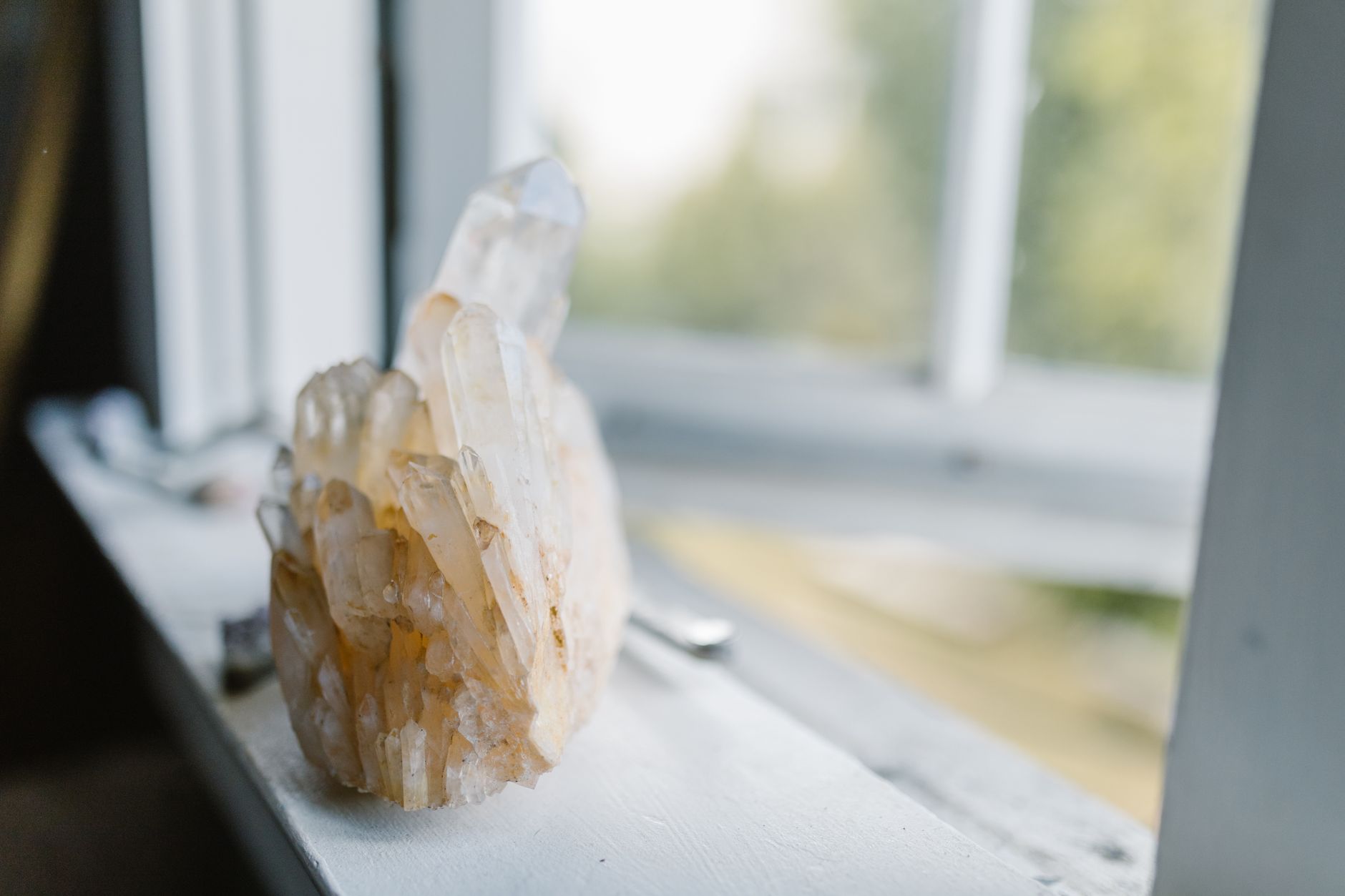
Clean quartz crystals in stages. Start with a gentle water rinse and a soft brush to remove loose clay. Do not use a wire brush on clear points, because it can leave fine scratches. For iron staining, let the specimen soak in water with a few drops of dish soap first. Many Arkansas crystals only need this easy cleaning before display.
For stubborn rust stains, an oxalic acid bath can help, but it is not for beginners. Acid requires specific safety gear and careful disposal. Instead, try soaking in warm water and using a wooden toothpick to loosen clay in tight crevices. Read how to clean rocks and minerals before you reach for any chemical cleaner. Rushing this step can ruin a very nice crystal.
Wrap individual crystals in newspaper or paper towels and pack them in a hard bucket. Place heavy clusters at the bottom with padding between pieces. Avoid plastic bags that trap moisture and cause clay to harden. Transport quartz points tip-up to protect terminations. A small paintbrush and an old toothbrush will handle most field cleaning.
- Identify, grade, and document your quartz finds
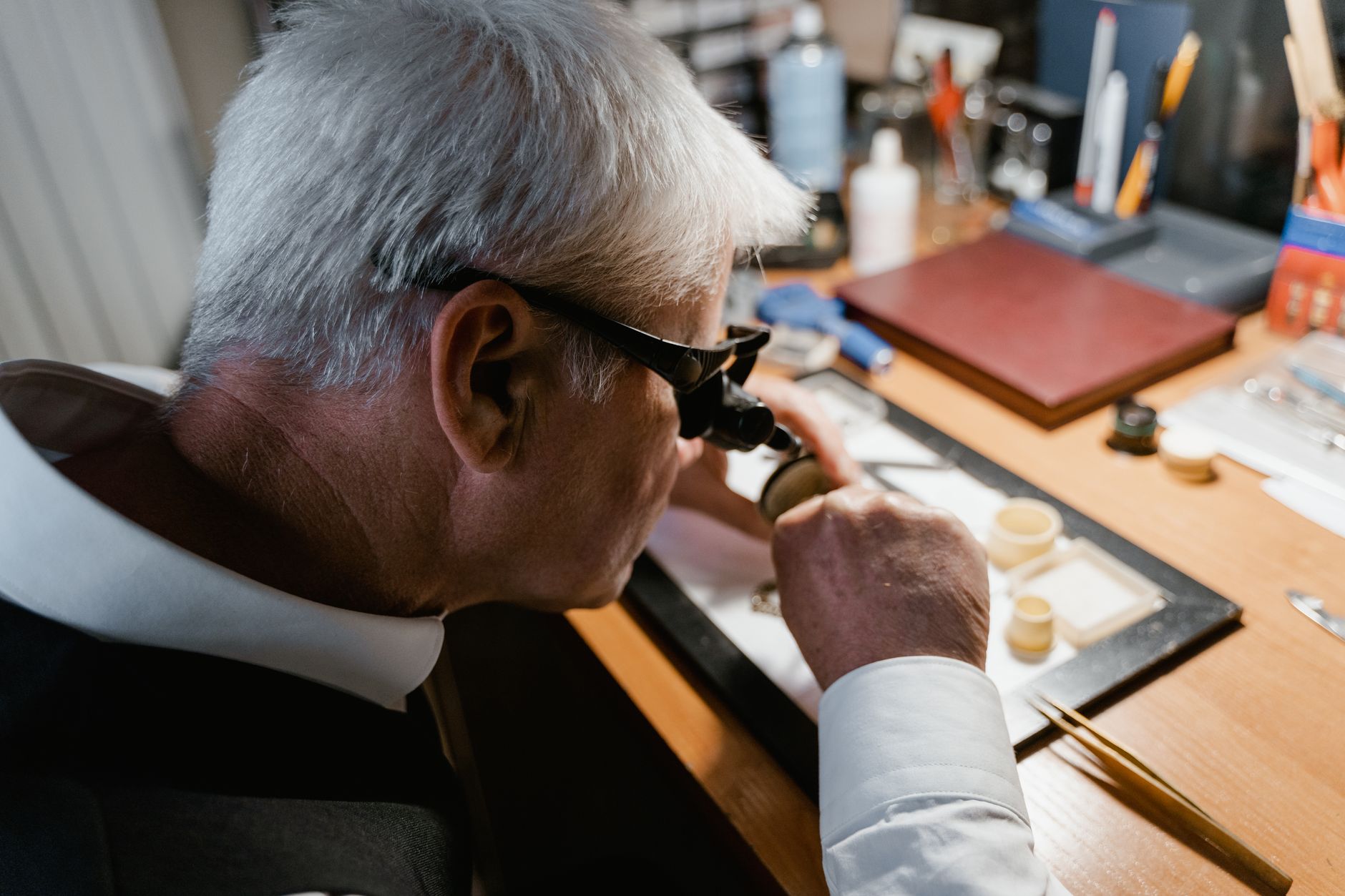
Once your crystals are clean, inspect them under bright light and magnification. Look for sharp terminations, internal clarity, and interesting inclusions. Use a 10x jeweler’s loupe or a hand lens to check for fractures. The GIA grading mindset applies here: clarity, color, and cut potential determine value and display appeal.
Grade rough quartz by a few simple standards. A water-clear point with an intact termination is better than a chipped crystal of the same size. Parallel clusters and plates with multiple points are often more decorative than single crystals. Smoky or phantom quartz from Arkansas can carry higher collector interest. Keep locality data with each specimen, because a crystal without a location loses much of its collecting value.
Document your finds with a photo and a small label. Record the mine name, date, and the pocket area if known. This turns a pretty rock into a reference specimen. If you plan to sell or trade, accurate labels matter. Use a standard gemstone identification guide to compare your crystal to known reference photos.
- Display, tumble, or cut your best Arkansas quartz
Decide how you will display or use your Arkansas quartz. Large clusters make excellent display pieces on a shelf or in a glass case. Small broken points and river-worn quartz are good candidates for tumbling. But do not tumble sharp terminated points unless you accept that the terminations will round off. Choose material that can survive the tumbler.
For lapidary work, clear quartz with good internal clarity can be cut into faceted stones or cabochons, though Arkansas quartz is usually kept as natural points. A trim saw or tile saw can help you remove excess matrix from a large plate. This is an optional step for collectors who want to shape and polish their finds.
Label and store your final pieces away from direct sunlight. Quartz is stable, but prolonged sun can fade some inclusions or make labels brittle. Keep crystals in padded drawers or individual boxes. If you are building a collection, add a small index card with mine name, date, and the GPS coordinates. That turns a fun weekend dig into a serious mineral collection.
Red Flags & Warnings
- 🚨 Verify land ownership and collecting rules before removing any material. Trespassing on private mining claims can lead to arrest, fines, and equipment confiscation.
- 🚨 Never enter underground pockets or work beneath overhanging excavation walls. Cave-ins are real at fee digs, especially after heavy rain.
- 🚨 Arkansas heat is serious. Carry more water than you think, and stop digging if you feel dizzy, weak, or nauseous.
- 🚨 Do not use oxalic acid without proper gloves, goggles, and ventilation. Acid cleaning is not a beginner task and can damage your lungs and skin.
- 🚨 Watch for snakes, ticks, and unstable rock piles. Tap before reaching into cracks, and check your clothing after walking through brush.
Frequently Asked Questions
Where can I find quartz crystals in Arkansas?
The best known areas are around Mount Ida, Jessieville, and Hot Springs in the Ouachita Mountains. Fee-dig mines like Wegner Quartz Crystal Mine and Ron Coleman Mining offer the easiest access. Public Forest Service land also has surface collecting opportunities, but you must verify local rules.
Do I need a permit to collect quartz in Arkansas?
Commercial fee digs require a day-use ticket or waiver, not a state permit. On Ouachita National Forest land, small personal use collection may be allowed without a permit, but each ranger district can set limits. Always contact the district office before digging on public land.
What tools do I need for Arkansas quartz digging?
A rock hammer or pick, a cold chisel, safety glasses, leather gloves, a bucket, and a spray bottle are the basics. A trowel, knee pads, and a small shovel make sorting tailings easier. Bring water and sun protection on every trip.
Is Arkansas quartz valuable?
Most Arkansas quartz is not high value, but water-clear points, large clusters, and rare phantom or smoky pieces can sell for more. Value depends on clarity, damage, size, and locality. Specimens with good labels are worth more to collectors.
Can I dig for quartz at Crater of Diamonds State Park?
Crater of Diamonds is known for diamonds, but quartz and other minerals also occur there. The park is a public pay-to-dig site with its own rules. It is not the best choice for serious quartz pocket digging, but it can be a fun stop for families.
What is the best time of year to rockhound in Arkansas?
Spring and fall offer the most comfortable weather and lower flood risk. April, May, September, and October are popular months. Summer digging is possible but can be dangerously hot in open pits.
What Should You Remember?
- Best area: Focus on Mount Ida, Jessieville, and Hot Springs for the best quartz crystal access.
- Site choice: Start at fee-dig mines like Wegner and Ron Coleman before trying public land.
- Key mineral fact: Quartz rates 7 on the Mohs hardness scale and has a specific gravity of about 2.65.
- Permission first: Always verify land ownership and collecting rules before removing material.
- Gear: Bring a rock hammer, chisel, gloves, bucket, safety glasses, and lots of water.
- Cleaning: Use water and soft brushes first, and avoid acids until you have experience.
This article is for general information only. Rockhounding and collecting carry land-access, safety, and legal obligations , always verify claim status, land ownership, and collecting rules before removing material, and get landowner or land-agency permission where required. Field collecting involves physical hazards; use proper safety gear and never enter mines or unstable terrain.