Michigan remains one of the most rewarding rockhounding destinations in the United States for 2026. The state’s Upper Peninsula shoreline delivers Lake Superior agates, native copper, datolite, and Isle Royale greenstone, while the Lower Peninsula offers Petoskey stones and other fossils. If you are planning a multi-state season, Michigan belongs near the top of your list alongside the classic locations covered in best rockhounding states for 2026. A focused trip to the right Michigan beaches can produce enough material to keep a tumbler busy for months.
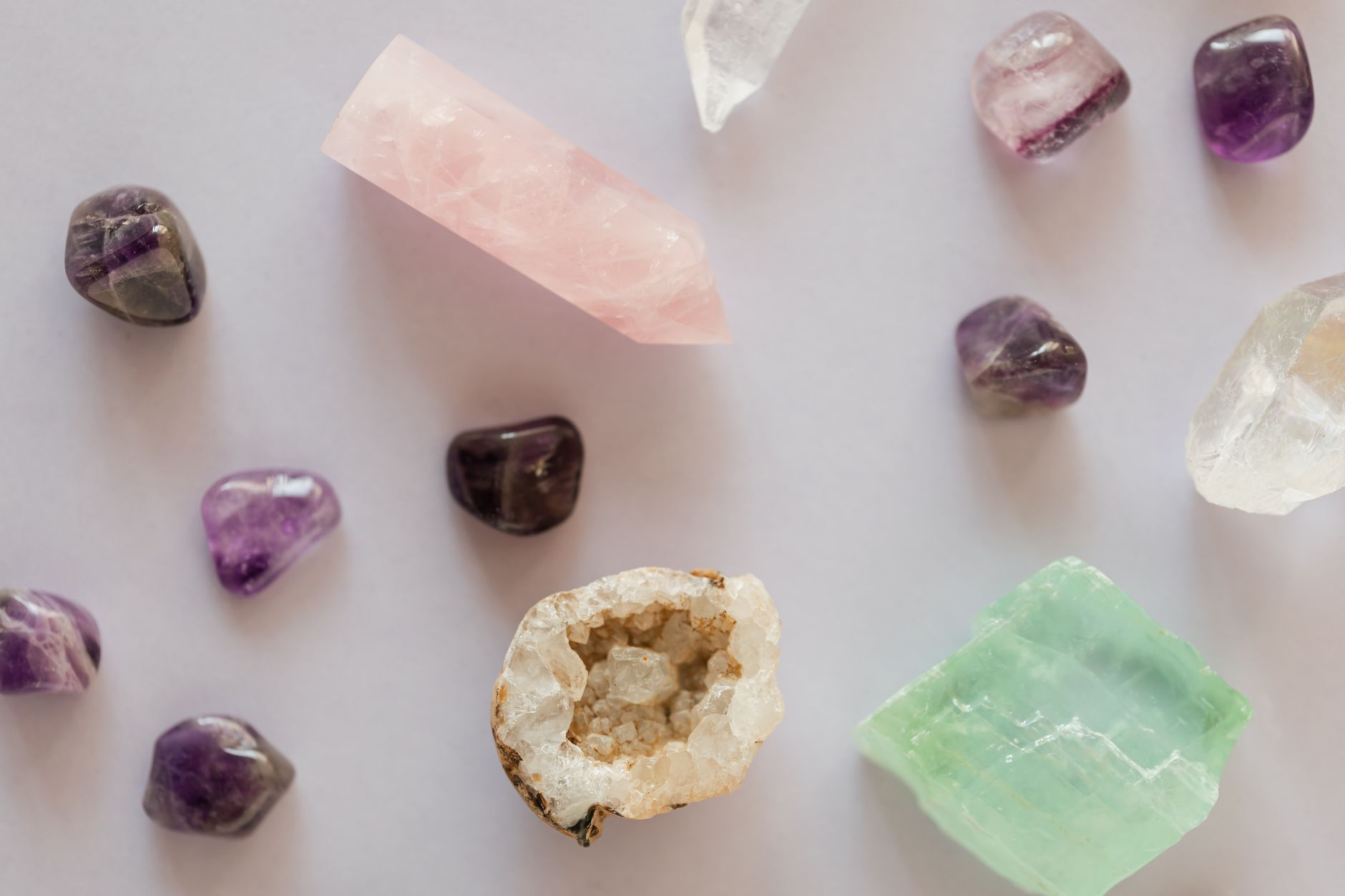
Lake Superior agates are the main draw for many collectors. They are banded chalcedony with a hardness of 6.5 to 7 on the Mohs scale, which means a steel file will not easily scratch them. The Mohs hardness scale guide is a useful field reference when sorting suspected agates from softer minerals. These agates formed about 1.1 billion years ago when silica-rich groundwater filled gas cavities in ancient basalt lava flows. That long formation window created the fine, wavy banding that collectors seek.
For locality data and mineral photographs, Mindat.org is a good starting point before you drive north. Mindat’s database lists hundreds of Michigan mineral occurrences, from old Keweenaw copper prospects to Lake Superior beach gravel localities. This article walks you through the best 2026 strategies for finding Lake Superior agates and other Michigan minerals, from checking water levels to identifying your finds in the field.
You will also need field gear and a few identification tricks. A basic rockhounding gear guide can help you choose a five-gallon bucket, rock hammer, hand lens, and gloves. The steps below cover trip timing, beach reading, legal collecting, and what to do with your finds at home. Always verify land ownership and collecting rules before removing material, especially near Michigan’s state and national lakeshores.
What You’ll Need
- 5-gallon bucket
- rock hammer
- 10x loupe
- work gloves
- safety glasses
- GPS or phone
How Do You Rockhound Michigan 2026?
- Pick a base region and target rocks
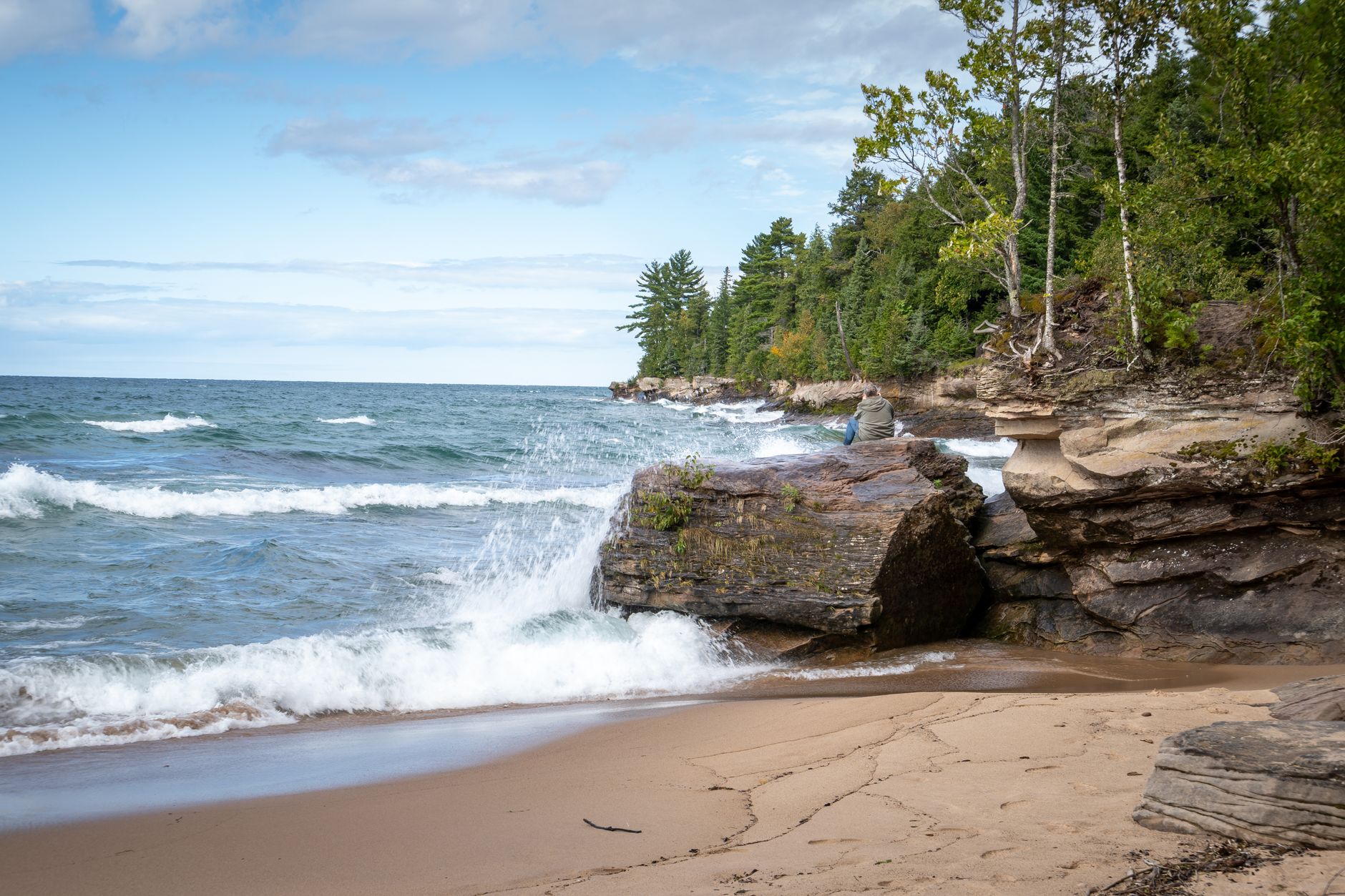
Michigan’s best rockhounding splits into three zones. The western Upper Peninsula, especially the Keweenaw Peninsula, is known for native copper, datolite, prehnite, and old mine dumps. The eastern Lake Superior shoreline from Marquette to Whitefish Point is the classic Lake Superior agate country. The northwestern Lower Peninsula around Petoskey and Charlevoix is prime for Petoskey stones, Charlevoix stones, and Devonian fossils.
Choose one base instead of trying to cover all zones in a short trip. Drive times across the Upper Peninsula are long, and a single storm can change which beach is producing. If your main target is Lake Superior agates, stay near Grand Marais, Munising, or Whitefish Point. Use the existing Michigan rockhounding guide for additional site ideas, but always verify current access before you travel.
Keweenaw collectors should work old mine piles only where public access or owner permission allows. Calumet, Houghton, and Copper Harbor have public mineral collecting areas, but many piles sit on private land. Native copper can weigh several pounds, and datolite nodules often have colored porcelain-like exteriors. Prehnite commonly grows as pale green botryoidal crusts.
For lower Michigan, Petoskey stones are fossil colonial coral of the species Hexagonaria. They are easy to collect from Lake Michigan beaches after wave action, but harder to find as polished stones. This step connects directly to trip timing because the lake conditions control what gets exposed.
- Time your trip around ice-out and fall storms
Spring is the most productive season for Lake Superior agates. As winter ice retreats in April and May, it scours the shore and rolls new gravel onto beaches. Fall storms in September and October also push fresh material up from deeper water. Summer can still work, but popular beaches get picked over quickly.
Check current water levels before you go. High water shrinks exposed cobble, while low water opens wider gravel bars. You can find shoreline and water level updates through the USGS streamgage and lake gauge network. For rockhounding, low water is generally better because it exposes the wave-washed cobble line where agates settle.
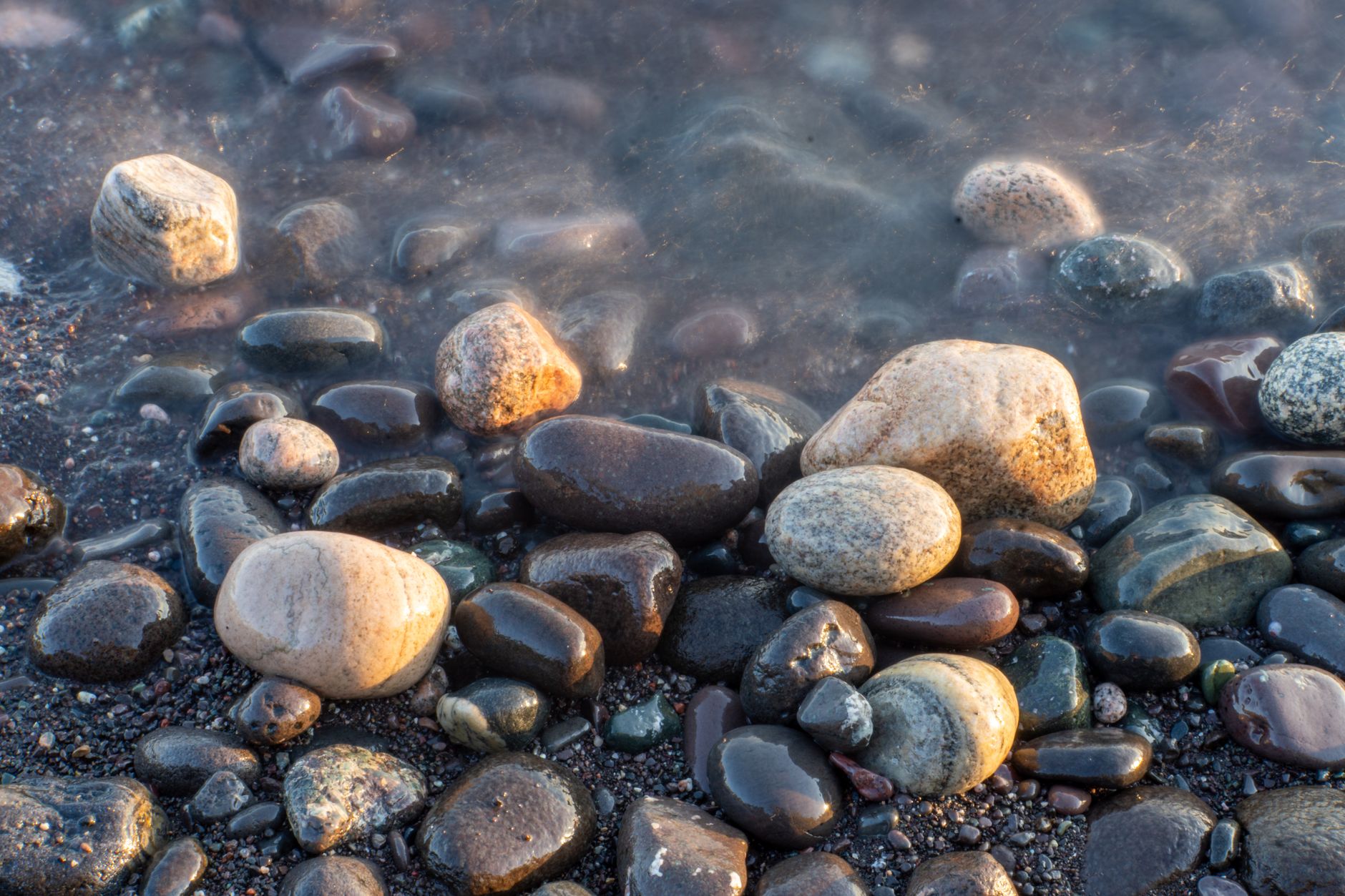
Early morning and the first hours after rain are ideal. Wet stones show banding and color more clearly than dry stones, and you have better contrast with low-angle sunlight. Avoid days with high wave forecasts on Lake Superior. A sudden shelf of water can move fast, especially near points and piers.
If you can only take one trip in 2026, target mid-May to early June. The ice is usually out, the bugs are not yet at their worst, and beach gravel is still fresh. The same timing applies to Lake Michigan Petoskey beaches, where spring wave action often exposes new fossils.
- Assemble the right field kit
A basic Michigan beach kit does not need to be expensive. Start with a five-gallon bucket or backpack, a rock hammer with a flat or chisel edge, work gloves, safety glasses, a 10x hand lens, and a few zip-top bags. A permanent marker and a small notebook help you label collection sites before you forget where a stone came from.
A good rock hammer matters because some agate-bearing basalt is tough. The best rock hammers of 2026 list covers options that balance weight and durability. Check the Estwing rock hammer on Amazon if you want a proven all-steel choice. Pair it with safety glasses and gloves to protect your hands from flying chips.
A 10x magnifying loupe is the single most useful identification tool on the beach. It reveals fine agate banding, tiny copper flakes, or the coral pattern inside a Petoskey stone. Check the 10x magnifying loupe on Amazon if you need a compact, pocketable model. For a broader look at field gear, see the rockhounding gear guide.
Dress for cold water and sharp rocks. Lake Superior stays cold even in summer, so lightweight wading boots or old sneakers protect your feet. A long handle scoop or a small garden trowel can help you probe gravel pockets without bending constantly. Keep extra layers in the car because shoreline wind can drop the temperature quickly.
- Read the beach and work the right zones
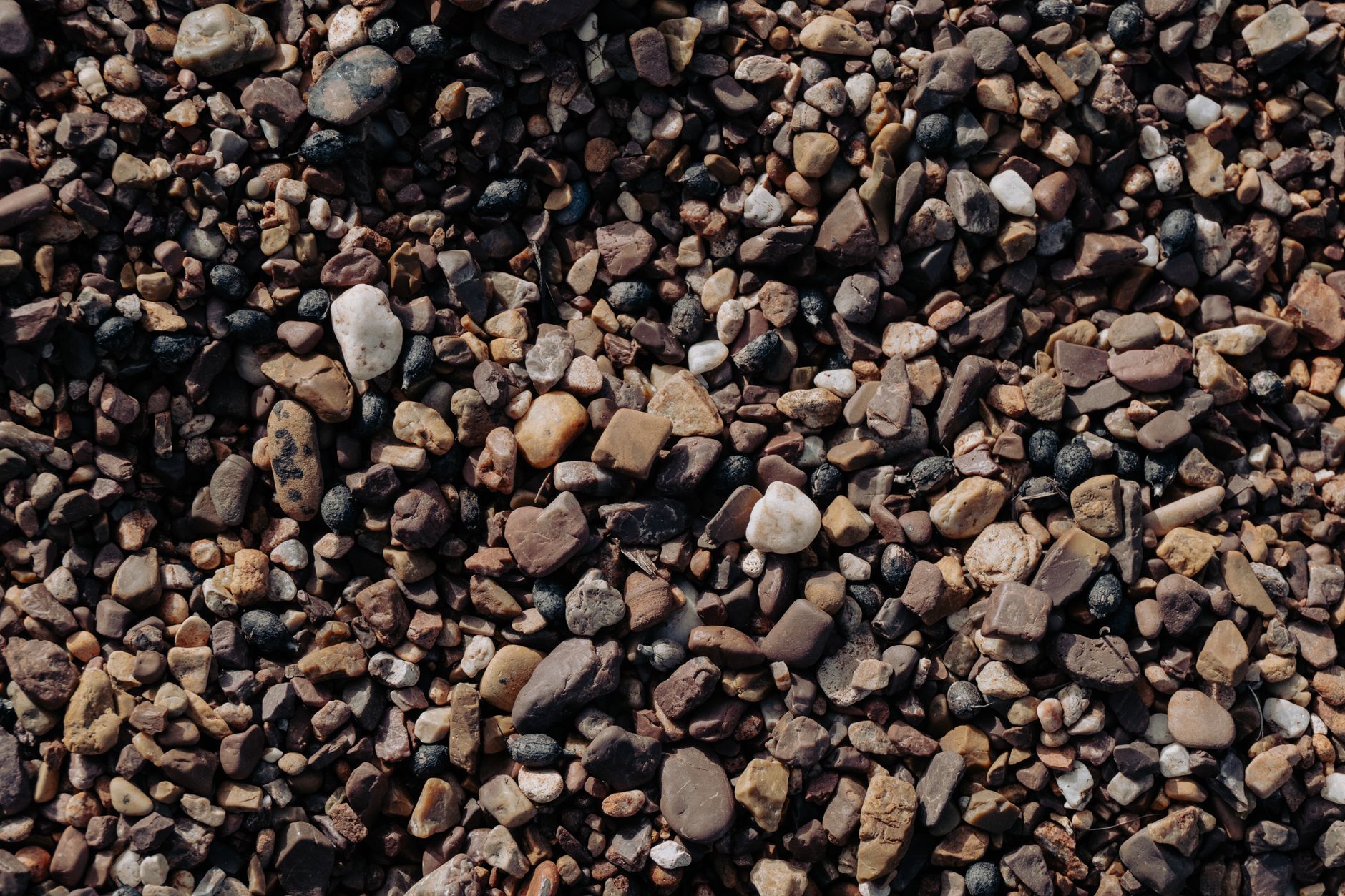
Lake Superior agates concentrate where wave energy sorts stones by size. Look for cobble lines near the water, small gravel bars, and the lower edge of storm berms. Agates are usually mixed with rounded basalt, granite, and quartzite. Instead of wandering randomly, pick a 100-foot section and work it slowly on your hands and knees or with a scoop.
Scan for translucent, waxy-looking stones that catch sunlight differently from the darker basalt. Red, orange, and white bands stand out against wet pebbles. The best time to see this is when the sun is low and behind you, because backlit agates glow. Dry stones often look dull gray, so wet a suspect before you reject it.
On popular beaches, work the edges away from access points and below the high tide line where fewer people look. After a storm, check the highest wave-thrown pile as well as the waterline. Agates can be larger near river mouths where gravel gets reworked, though access rules may differ.
If you are on a cobble beach, do not ignore the small stuff. Many classic Lake Superior agates are under two inches. Use your hand lens on any surface with pitted texture, because agate-filled vesicles often preserve small pits where gas bubbles once were. That pitted surface is a strong clue even before you see banding.
- Identify Lake Superior agates and common lookalikes
Field identification starts with hardness and luster. Lake Superior agate has a Mohs hardness of 6.5 to 7, so it scratches glass and steel but not quartz. Its surface is waxy to vitreous, and the stone feels dense for its size. The agate identification guide explains how to use light, water, and magnification to separate agates from chert and jasper.
Look for fine, wavy banding, not just color. Chert and jasper can be red or orange, but they lack the translucent, semi-banded structure of agate. Slag glass from old smelters sometimes confuses collectors because it has bubbles and bright color. Slag often has a more uniform glassy texture and lacks microcrystalline banding. Wet the stone: a true Lake Superior agate often shows internal banding when lit from behind.
Keweenaw specimens have their own identification rules. Datolite is a calcium borosilicate with a porcelain-like surface and pink, gray, or white color. Prehnite is pale green and often botryoidal. Native copper is metallic and can be tested by its malleability and weight. The gemstone identification guide helps with basic tests for these and other minerals.
Use the 10x loupe to check banding, pits, and crystal structure. If a stone is mostly opaque with no internal bands, it is probably jasper or chert. That does not mean it is worthless; Michigan jasper and unakite still make good tumbling stock. But if your goal is Lake Superior agate, you should prioritize specimens with distinct translucence and wavy lines.
- Collect legally and document your finds
Before you take any rock home, confirm who owns the land. Michigan DNR manages state land, but many Lake Superior beaches sit inside state parks or national lakeshores with collecting restrictions. Pictured Rocks National Lakeshore and Sleeping Bear Dunes National Lakeshore have strict rules. The USGS topographic maps can help you identify public land boundaries, but they do not replace current agency rules.
On public beaches outside protected areas, small personal collecting is often allowed, but rules vary. Michigan limits collecting on some state land to a reasonable personal amount, usually a few pounds per day. The Keweenaw old mine dumps are a different situation. Many are private mining claims or historic sites. Always ask at a local mineral shop or landowner before collecting in mine dumps.
Good documentation makes a collection far more useful. Use a notebook or phone app to record the date, location, and material type. Write a code on each bag or label with a permanent marker. Taking a photo of the specimen in the field helps later when you are cleaning or trading. Keep a mineral collecting field guide on hand to help with locality-specific clues.
Do not disturb archaeological sites, Native American petroglyphs, or culturally modified trees. Removing artifacts can be illegal and can close access for future collectors. In 2026, some beaches may have new stewardship rules or seasonal closures, so check the latest Michigan DNR and local government notices before you dig or hammer.
- Clean, grade, and prepare your Michigan finds
Start with plain water and a soft brush. Many Lake Superior agates need only a rinse to remove sand and lake film. For stubborn iron staining, soak in warm water with dish soap first. Avoid harsh acids until you know what you are doing. The rock and mineral cleaning guide covers safe methods for removing organics and light staining without damaging banding.
Sort your finds into display, tumbling, and cutting grades. Display-grade pieces have strong banding, good color contrast, and no major fractures. Tumbling-grade stones are smaller or have minor surface issues that a tumbler can improve. Cutting-grade material may hide good pattern, but it needs a saw to reveal. This sorting step saves time and prevents you from over-processing a rare specimen.
For Lake Superior agates, many collectors prefer to leave natural surfaces rather than polish them. A long soak in water followed by a light mineral oil or lapidary polish can show banding without changing the stone. If you use a tumbler, start with a small batch and check often. Some agates have fractures that will break in coarse grit.
Label the final location and date on each storage box. Store stones away from direct sunlight to avoid fading some colors. If you plan to tumble, the best rock tumblers of 2026 guide can help you choose a machine sized for Michigan beach gravel. A small tumbler is fine for most agate batches, but do not overload the barrel.
- Turn finds into display pieces or tumbling projects
Once your finds are clean, decide whether to keep them natural, cut them, or tumble them. Lake Superior agates often look best as self-collected specimens because their waxy natural surface is part of the story. If you want to cut a few to reveal banding, a tile saw with a diamond blade is a low-cost entry point. The how to cut rocks with a tile saw article explains the process safely.
Tumbling is the most common way to upgrade small Michigan finds. Agates, jasper, and quartz from Lake Superior beaches respond well to tumbling if they are fracture-free. Start with the best rocks to tumble guide to select pieces. A rotary tumbler with proper grit stages gives a glossy finish. Check the Lortone rock tumbler on Amazon if you want a durable beginner-to-intermediate machine.
Display-grade specimens belong in shallow boxes or mineral flats with labels. Use small tags with the species, locality, and collection date. A well-documented Michigan shelf can include agates, datolite, copper, prehnite, and Petoskey stones. Joining a local gem and mineral club can help you trade duplicates and learn new localities.
If you outgrow basic tumbling or display, lapidary equipment like a trim saw or flat lap opens up cabochon work. The best lapidary equipment for 2026 guide compares entry-level options. Regardless of how you finish your finds, remember that the first step is always legal collecting and careful field identification.
Red Flags & Warnings
- 🚨 Do not remove rocks from Michigan state parks, national lakeshores, or nature preserves without checking current rules. Pictured Rocks and Sleeping Bear Dunes often prohibit rock collecting.
- 🚨 Lake Superior wave conditions can change fast. Never turn your back on large waves, and avoid collecting on isolated points during high surf or storms.
- 🚨 Many Keweenaw mine dumps are private property or historic mining claims. Entering without permission can lead to trespass charges and lost access for everyone.
- 🚨 Do not hammer glassy or tightly fractured rocks without eye protection. Agate chips and basalt flakes can cause serious eye injuries.
- 🚨 Be cautious with chemical cleaning. Oxalic acid and other rust removers require ventilation, gloves, and eye protection, and disposal rules matter.
- 🚨 Do not collect from active road cuts, railroad rights-of-way, or streambeds near known contamination sites. Verify land ownership and possible hazards first.
Frequently Asked Questions
What is the best time to find Lake Superior agates in Michigan?
Spring after ice-out, from late April through early June, and again after fall storms in September and October. Low water levels in 2026 may expose more gravel, but check current lake gauges. Early morning after rain gives the best wet-stone visibility.
Where exactly can I find Lake Superior agates?
The shoreline between Grand Marais and Whitefish Point is the classic zone, but agates can be found from Marquette to the Keweenaw and even on some Lake Michigan beaches. Search cobble lines, gravel bars, and storm berms. Public access varies, so verify land status at each stop.
Is it legal to collect rocks on Michigan beaches?
It depends on the landowner. Many public Great Lakes beaches allow small personal collecting, but state parks and national lakeshores often restrict it. Private beaches require permission. Check Michigan DNR rules and local signs before removing material.
Do I need a permit to rockhound in Michigan?
Generally no permit is needed for casual personal collecting on public lands where it is allowed. However, commercial collecting, large-scale digging, and some mining areas require permits or permission. Keweenaw mine dumps may be private claims, so ask first.
What other minerals can I find in Michigan?
The Keweenaw Peninsula is famous for native copper, datolite, prehnite, and greenstone. The Lower Peninsula yields Petoskey stones, Charlevoix stones, and other Devonian fossils. Some locations also produce agate, jasper, and unakite.
How do I tell a Lake Superior agate from chert?
Agate is translucent and shows fine, wavy banding when wet or backlit. Chert is usually opaque and lacks visible bands. Agate also has a waxy to vitreous luster and a Mohs hardness of 6.5 to 7. Use a 10x loupe and light test.
What Should You Remember?
- Lake Superior agate is banded chalcedony with Mohs hardness 6.5 to 7 and forms in billion-year-old basalt.
- Keweenaw Peninsula targets native copper, datolite, and prehnite, but many mine dumps are private.
- Spring ice-out is the best 2026 timing for fresh beach gravel and lower bug pressure.
- Legal check before collecting: state parks, national lakeshores, and private mining claims have different rules.
- Field identification uses wet-surface banding, translucence, and a 10x loupe to separate agate from chert and slag.
- Cleaning and sorting by display, tumbling, or cutting grade prevents over-processing rare finds.
- Tumbling works for fracture-free agate and jasper, but many Lake Superior agates look better natural.
This article is for general information only. Rockhounding and collecting carry land-access, safety, and legal obligations , always verify claim status, land ownership, and collecting rules before removing material, and get landowner or land-agency permission where required. Field collecting involves physical hazards; use proper safety gear and never enter mines or unstable terrain.