Disclosure: RockhoundGuide earns a commission on qualifying purchases made through links on this page. This does not affect our recommendations.
Quick Answer
For most beginners, the best starting setup is a Hi-Tech Diamond 4" trim saw paired with a combination cabbing unit (such as the Diamond Pacific Genie or a used Lortone). The trim saw handles cutting blanks from rough slabs; the cabbing machine shapes and polishes them. Skip the slab saw until you are buying rough material by the pound — it is the last thing you need, not the first.
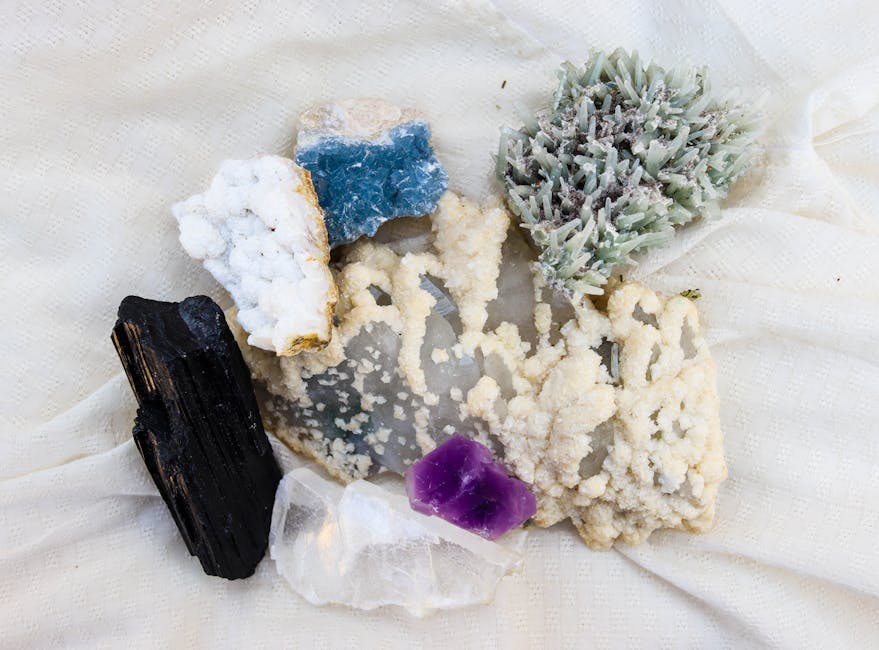
Lapidary work turns rough field finds into finished stones — cabochons, slabs, and polished display pieces. Unlike rock tumbling, which rounds and polishes stones in bulk, lapidary gives you direct control over shape, cut, and finish. It is slower and requires more equipment, but the results are in a different category.
This guide covers the five main equipment types — slab saws, trim saws, cabbing machines, flat laps, and grinders — with specific product picks at each level. We have also included a section on what order to buy equipment in, because most beginners get this wrong and end up with tools they cannot use yet.
What Are the Best Lapidary Equipment Types?
| Equipment | Best Pick | Best For | Price Range | Buy First? |
|---|---|---|---|---|
| Trim Saw | Hi-Tech Diamond 4" | Cutting blanks from slabs | $200–$350 | ✅ Yes — start here |
| Cabbing Machine | Diamond Pacific Genie | Shaping & polishing cabs | $350–$650 | ✅ Yes — second purchase |
| Slab Saw | Hi-Tech Diamond 6" | Cutting large rough specimens | $400–$700 | ⏳ Later — buy rough slabs first |
| Flat Lap | Covington 8" Flat Lap | Flat polishing, faceting prep | $300–$500 | ⏳ Later — once basics are solid |
| Angle Grinder | Dremel 4300 + diamond disc | Freeform shaping, detail work | $80–$150 | ✅ Optional add-on |
What to Look For in Lapidary Equipment
Lapidary tools fail in predictable ways when beginners choose wrong. These are the specs that actually matter:
- Blade diameter and coolant type: Larger blades cut deeper material. Water-cooled saws work better for most hobbyists than oil-cooled — cleaner, less mess, adequate for stones under 4" thick.
- Wheel grit range on cabbing machines: A good combination machine should cover coarse grinding (80–100 grit), medium shaping (220 grit), fine pre-polish (600 grit), and polish wheel. Machines with fewer wheels create bottlenecks.
- Motor amperage: Underpowered motors stall when grinding harder stones. Anything rated below 1/3 HP is a liability for regular use on agate or jasper.
- Replacement parts availability: Diamond wheels, blades, and arbors wear out. Check that the manufacturer sells replacement parts before you buy.
- Coolant reservoir size: Small reservoirs need constant refilling. For trim saws, look for at least 1-quart capacity.
Trim Saws: The First Tool to Buy
A trim saw takes a purchased slab — or a piece cut from rough on a slab saw — and slices it into cabochon blanks. This is the first machine most hobbyists actually need. Pre-cut slabs are widely available through lapidary suppliers and rock shows, so you do not need a slab saw to get started.
Hi-Tech Diamond 4" Trim Saw — Best for Beginners
The standard entry-level trim saw. Water-cooled, 4" diamond blade, handles material up to 1.5" thick. Runs quiet enough for a garage or basement workshop. Replacement blades are easy to find.
- ✅ Water-cooled — easier to maintain than oil
- ✅ Compact footprint — fits on a workbench
- ✅ Adequate for agate, jasper, obsidian up to 1.5" thick
- ❌ Blade capacity limits material size
- ❌ Not for large rough specimens (use a slab saw instead)
~$230–$280
Check Price on Amazon →Hi-Tech Diamond 6" Trim Saw — Best Mid-Range
The step up from the 4" model. Handles material up to 2.5" thick, which covers most purchased rough slabs. Worth the upgrade if you plan to cut a lot of material or work with thicker pieces.
- ✅ Handles thicker material than the 4" saw
- ✅ Same brand — replacement blades interchangeable
- ✅ Still fits on a standard workbench
- ❌ Higher cost — not necessary for occasional cutting
~$340–$390
Check Price on Amazon →Cabbing Machines: Shaping and Polishing Cabochons
A cabbing machine — also called a combination unit — does the work of shaping a rough-cut blank into a finished cabochon. Most units include a series of grinding wheels at different grits, from coarse shaping down to polish. This is the second piece of equipment most beginners need, and for many hobbyists it is also the most-used machine in their shop.
Before you start cutting stone, knowing the hardness of your material matters. Our Mohs hardness scale guide covers field testing and what each hardness level means for grinding and polishing. Softer stones require less aggressive wheel grits; harder stones need more time on the coarse wheel.
Diamond Pacific Genie — Best Overall Cabbing Machine
The most-recommended combination unit in hobbyist lapidary communities. Six-wheel setup covers coarse through polish in one machine. Splash guards keep the workspace manageable. Used Genies hold their value well and are worth buying secondhand.
- ✅ Six-wheel progression — coarse, medium, fine, pre-polish, polish, leather
- ✅ Splash guards on every wheel
- ✅ Strong resale value — easy to find used
- ❌ Learning curve on wheel speed settings
- ❌ Replacement wheels are proprietary (Diamond Pacific brand)
~$550–$650 new, $250–$350 used
Check Price on Amazon →Lortone Combination Unit — Best Budget Option
Lortone makes well-known rock tumblers and their combination cabbing unit carries the same build quality. Fewer wheels than the Genie but covers the essential range. A good choice if budget is a hard constraint.
- ✅ Lower entry price than Diamond Pacific
- ✅ Reliable motor — same quality as Lortone tumblers
- ✅ Replacement wheels widely available
- ❌ Four-wheel setup means more manual stage management
- ❌ Less polish control than six-wheel machines
~$350–$420
Check Price on Amazon →
When Do You Need a Slab Saw?
A slab saw makes the initial cut through large rough specimens, producing flat slabs that can then be trimmed into cabochon blanks. Most beginners do not need a slab saw. Purchasing pre-cut slabs from lapidary suppliers or rock shows is cheaper than buying a slab saw and rough material until you are working at volume.
When a slab saw makes sense:
- You are buying rough material by the pound from mines or shows
- You collect material in the field and want to cut your own finds
- You are producing enough volume that pre-cut slabs are a consistent cost
Hi-Tech Diamond 6" Slab Saw — Best Hobbyist Slab Saw
The standard entry-level slab saw for hobbyists. Handles material up to 2" thick. Oil-cooled at this size — messier than water but standard for slab work. Runs on 110V standard household current.
- ✅ Handles most field-collected rough material
- ✅ 110V — no rewiring needed
- ✅ Wide blade selection available
- ❌ Oil-cooled — requires more cleanup than trim saws
- ❌ Larger footprint than a trim saw
~$430–$500
Check Price on Amazon →Flat Laps and Grinders: Expanding Your Capability
Once you can cut and cab stones reliably, two machines extend what you can do: flat laps for precision flat-surface polishing and faceting preparation, and rotary grinders (or a Dremel with diamond accessories) for freeform shaping and detail work on irregular pieces.
A flat lap is also useful for polishing the faces of slabs for display — something a cabbing machine cannot do well. If display-quality slabs are part of your workflow, a flat lap is worth considering earlier than most people expect.
For freeform grinding — shaping irregular pieces, carving channels, or detail work on mineral specimens — a Dremel 4300 with a set of diamond burrs and cutting discs gives you more flexibility than any bench machine. It works on the same principle as a full-size grinder but fits in one hand. Our complete rockhounding gear guide includes Dremel setups alongside field tools for a full picture of the equipment stack.
What Should You Buy First?
Most beginners buy equipment in the wrong order and end up with a slab saw and no way to finish the stones they cut. Here is the order that makes practical sense:
- Trim saw — Buy pre-cut slabs from a supplier to start. Use the trim saw to cut blanks. This gets you producing finished stones with the minimum investment.
- Combination cabbing machine — Add this once you understand blank sizing. The trim saw and cabbing machine together are a complete workflow.
- Dremel + diamond accessories — Optional but cheap. Adds freeform capability without a large footprint.
- Flat lap — Add when you want to polish slab faces or prepare stones for faceting.
- Slab saw — Add when you are buying rough material in quantity and the cost of pre-cut slabs exceeds the machine investment.
If you are still in the earlier stages of the hobby — collecting material and deciding what to do with it — start with rock tumblers. Tumbling requires much less equipment and produces satisfying results quickly. Lapidary is the natural progression once you want more control over the final shape. For identifying what you have collected before you cut it, our gemstone identification guide covers the key tests.
Frequently Asked Questions
What lapidary equipment do I need to start?
Most beginners start with a trim saw and a combination unit cabbing machine. A trim saw lets you cut rough stones into workable blanks. A cabbing machine shapes and polishes them into finished cabochons. You can add a slab saw later once you are buying rough material in quantity.
How much does a beginner lapidary setup cost?
A basic beginner setup — trim saw plus a combination cabbing unit — runs $600 to $900 new. Budget options like the Hi-Tech Diamond 4-inch trim saw and a used combination machine can get you started for under $500 if you shop the used market. Slab saws and flat laps are additions you can make later.
What is the difference between a trim saw and a slab saw?
A slab saw uses a larger blade (6 to 10 inches) to make initial cuts through rough rock specimens, producing flat slabs. A trim saw uses a smaller blade (4 to 6 inches) to cut slabs into cabochon blanks or precise shapes. Most hobbyists start with a trim saw and only add a slab saw once they are working with larger rough material.
Can I do lapidary work at home?
Yes. Most hobbyist lapidary equipment runs on standard household current (110V). You need water access for cooling, good ventilation (stone dust is a respiratory hazard), and a stable work surface. A small trim saw and cabbing machine fit on a workbench and generate manageable noise and mess with proper setup.
What stones are best for beginner lapidary work?
Agate, jasper, and petrified wood are the best beginner lapidary materials. They are hard enough (6.5 to 7 on the Mohs scale) to take a good polish, consistent in texture, and widely available as rough. Avoid soft stones like calcite or selenite until you understand how the equipment responds to different hardnesses. See our guide to rocks by hardness for a breakdown of common finds.
Keep Reading
- Complete rockhounding gear guide — field tools, loupes, bags, and everything else in the kit
- Best rock tumblers 2026 — the easier entry point before investing in lapidary equipment
- Mohs hardness scale guide — understanding hardness before you start cutting
- Gemstone identification guide — identify what you have before you cut it
Get weekly guides from RockhoundGuide
No spam. Unsubscribe anytime.