Rock tumbling transforms rough, dull stones into polished gems through a patient, multi-stage process. While it seems simple — put rocks in a barrel with grit and let it spin — mastering each stage is what separates amateur results from professional-quality polished stones.
What Is the 4-Stage Tumbling Process?
All quality rock tumbling follows the same four-stage progression:
- Stage 1: Coarse Grinding (60/90 silicon carbide grit) — Removes rough edges, shapes stones
- Stage 2: Medium Grinding (120/220 silicon carbide grit) — Smooths surfaces, removes scratches
- Stage 3: Pre-Polish (500 aluminum oxide or 600 silicon carbide) — Creates satin finish
- Stage 4: Polish (aluminum oxide or tin oxide polish) — Produces mirror shine
Each stage typically takes 7-10 days. Rushing any stage compromises the final polish.
What Is Stage 1: Coarse Grinding (7-10 days)?
The coarse stage does the heavy lifting. It removes sharp edges, rounds corners, and shapes stones into tumbling-friendly forms.
60/90 Silicon Carbide Grit (Coarse)
1 lb bag · Removes 1/16" material per week · For shaping rough stones
$8.99
Check Price on Amazon →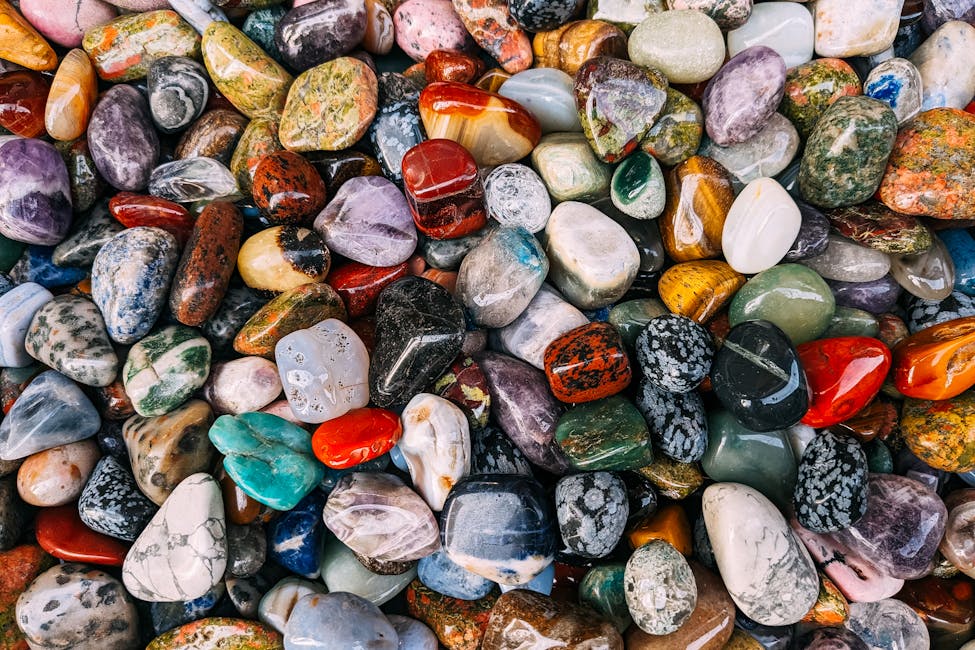
How to Load Stage 1:
- Fill barrel 2/3 full with stones (mixed sizes work best)
- Add 2-3 tablespoons of 60/90 grit per pound of stone
- Add water until stones are covered plus 1/4 inch
- Run tumbler for 7-10 days, checking daily for water level
Stage 2: Medium Grinding (7-10 days)
Medium grit removes the deep scratches left by coarse grit and creates a smoother surface.
120/220 Silicon Carbide Grit (Medium)
1 lb bag · Creates smooth surface · Prepares for pre-polish
$8.99
Check Price on Amazon →Critical Step: Cleaning Between Stages
Every stage change requires thorough cleaning:
- Remove stones from barrel
- Rinse stones individually under running water
- Scrub barrel with brush and soap
- Rinse barrel until water runs clear
- Inspect stones for cracks or chips (discard damaged ones)
Stage 3: Pre-Polish (7-10 days)
Pre-polish creates a satin finish that accepts the final polish. This stage is often skipped by beginners, but it's essential for mirror finishes.
500 Aluminum Oxide Pre-Polish
Creates satin finish · Essential for high-gloss results
$12.99
Check Price on Amazon →
Stage 4: Polish (7-10 days)
The final stage produces the shine. Use less polish than grit — about 1-2 tablespoons per pound of stone.
Aluminum Oxide Polish (Final)
Creates mirror finish · Works on quartz, agate, jasper
$14.99
Check Price on Amazon →Common Problems & Solutions
| Problem | Cause | Solution |
|---|---|---|
| Stones not polishing | Insufficient cleaning between stages | Clean more thoroughly, add ceramic media |
| Barrel leaking | Worn rubber lid, overfilling | Replace lid, fill only 2/3 full |
| Excessive noise | Stones too large, not enough cushion | Add smaller stones, plastic pellets |
| Grit sticking to stones | Not rinsing enough | Rinse individually, use toothbrush |
Pro Tips for Better Results
- Use ceramic media: Fills space, cushions stones, improves polish
- Mix stone sizes: Small stones fill gaps between large ones
- Record your process: Note grit amounts, run times, results
- Be patient: Good tumbling takes 4-8 weeks minimum
- Start with easy stones: Agate, jasper, and quartz tumble best
For tumbler recommendations, see our best rock tumblers guide. For a detailed breakdown of each grit stage, timing, and quantities, read our complete grit guide. For rock collecting locations, check our beginner rockhounding sites.
Keep Reading
- Rock tumbling grit guide — exact grit quantities, cleaning protocols, and what to do when stages go wrong
- Best rocks to tumble — which minerals produce the best polished finish and which to avoid
- Best rock tumblers 2026 — choose the right machine before starting your first batch
Frequently Asked Questions
How long does each tumbling stage take?
Each stage typically takes 7-10 days. Complete 4-stage process: 4-8 weeks. Coarse: 7-10 days, Medium: 7-10 days, Pre-polish: 7-10 days, Polish: 7-10 days. Patience is key for quality results.
What's the most common tumbling mistake?
Insufficient cleaning between stages. Grit contamination ruins polish. Always: 1) rinse stones individually, 2) scrub barrel with brush, 3) rinse until water runs clear, 4) inspect stones for damage.
Can I tumble different types of rocks together?
Only tumble rocks of similar hardness together. Hard stones (7+ Mohs): agate, jasper, quartz. Soft stones (3-6 Mohs): calcite, fluorite, marble. Mixing hardness causes softer stones to powder while harder ones remain rough.
How full should the tumbler barrel be?
Fill barrel 2/3 to 3/4 full. Underfilled: stones bang together, causing chips. Overfilled: insufficient tumbling action, poor results. Add ceramic media or plastic pellets to fill space if needed.
What rocks tumble best for beginners?
Agate (hard, consistent), Jasper (beautiful colors), Quartz varieties (amethyst, citrine), Petrified wood (shows grain). Avoid: soft stones (limestone), porous rocks (pumice), mixed-hardness rocks (granite).
Get weekly guides from RockhoundGuide
No spam. Unsubscribe anytime.