
Rockhounding sits at the intersection of geology, treasure hunting, and outdoor adventure — a hobby with deep roots that has seen remarkable growth in the digital age. Whether you're curious about the scale of the hobby, the value of the gemstone market, or how public land rules work in practice, this statistics roundup pulls the best available data from government agencies, market research firms, and industry associations.
All statistics below are sourced and cited. Where figures vary between research firms (as gemstone market estimates often do), both are presented.
1. Rockhounding Hobby Size & Participation
Rockhounding has never been a niche pursuit — it's one of the most widespread Earth-science hobbies in North America. Here's what the data tells us about the scale of the community.
📌 Stat #1
The Bureau of Land Management estimates there are more than 3 million active rockhounds in the United States. This figure, originally cited in reference to the 1960s growth era, is still widely used as the baseline by government agencies and tourism bodies. [BLM / Massachusetts Office of Travel & Tourism, 2025]
📌 Stat #2
By the 1960s, more than 3,000 rock shops and mineral clubs had been established across the United States as the post-war rockhounding boom took hold. [Massachusetts Office of Travel & Tourism, 2025]
📌 Stat #3
The American Federation of Mineralogical Societies (AFMS) is the umbrella organization for rockhounding in the U.S., organizing clubs and societies into 7 regional federations covering all U.S. regions. The AFMS promotes geology, mineralogy, paleontology, and lapidary arts. [AFMS, 2024]
📌 Stat #4
The Northern Federation of Mineralogical Societies (NFMS) alone includes approximately 70 affiliated clubs and societies with a combined membership of well over 5,000 individuals — and that's just one of the seven AFMS regional federations. [NFMS / Feather River Lapidary & Mineral Society, 2024]
📌 Stat #5
Overall outdoor recreation participation in the U.S. hit a record 175.8 million participants in 2023, representing 57.3% of the total U.S. population — growth of 4.1% year-over-year. Nature-based collecting hobbies, including rockhounding, benefited from this sustained post-pandemic surge. [Outdoor Industry Association, 2024]
📌 Stat #6
2024 marked the ninth consecutive year of record outdoor recreation participation in the United States, according to the Outdoor Industry Association's 2025 Participation Trends Report. [OIA, 2025]
The hobby's growth is being driven by a mix of YouTube channels, TikTok discovery content, and a post-pandemic desire to get off screens and into nature. Rockhounding offers something increasingly rare: a low-cost outdoor activity with a tangible reward.
2. Gemstone & Mineral Market Size
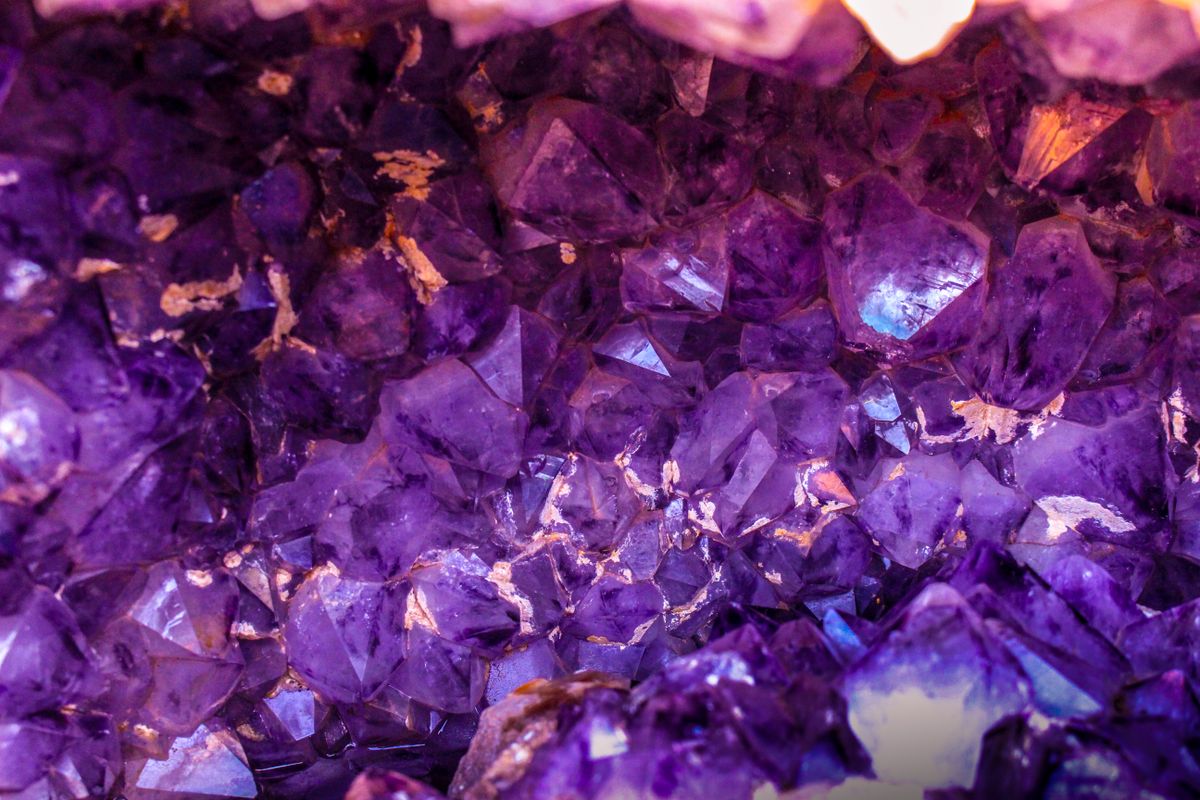
Rockhounding doesn't just feed a hobby — it feeds a global industry. Understanding the scale of the gemstone and mineral market helps put hobbyist activity in context.
📌 Stat #7
The global gemstone market was valued at $101.73 billion in 2026 and is expected to reach $106.81 billion in 2026, according to Grand View Research. This broader figure includes diamonds, colored gemstones, and synthetic stones across all commercial channels. [Grand View Research, 2024]
📌 Stat #8
A narrower market research definition (focusing on natural collectible gemstones) puts the market at $28.77 billion in 2024, projected to grow to $42.5 billion by 2035 at a CAGR of 3.61%. [Market Research Future, 2025]
📌 Stat #9
The global gemstones market is projected to reach $44.25 billion by 2030 at a compound annual growth rate of 6.1%. [The Business Research Company, 2026]
📌 Stat #10
U.S. mines produced $105 billion worth of nonfuel mineral commodities in 2023 — a $4 billion jump from the prior year — covering industrial minerals, aggregates, ferrous and nonferrous metals. Gemstones represent a smaller fraction but contribute to this total. [USGS Mineral Commodity Summaries, January 2024]
📌 Stat #11
The USGS Mineral Commodity Summaries track more than 90 individual mineral commodities annually, providing the earliest comprehensive source of U.S. and world mineral production data. Gemstones are one dedicated chapter. [USGS, 2024]
For rockhounders, these numbers matter because gemstone market growth translates directly into demand for the raw material — the uncut, field-collected specimens that hobbyists find. A rising commercial market lifts all boats, including amateur collectors who sell or trade specimens.
3. Public Land Access & BLM Rules
One of rockhounding's greatest advantages over almost every other collecting hobby is the sheer scale of public land available to collect on — for free. Understanding the rules is essential for any serious rockhound. If you're planning your first trip, our guide to the best rockhounding states in 2026 covers top destinations by region.
📌 Stat #12
BLM regulations (43 CFR 8365.1-5) allow casual collectors to take up to 25 pounds of rocks, minerals, or gemstones per day (plus one additional piece) for personal, non-commercial use on most BLM-managed public lands. [Bureau of Land Management / Utah Geological Survey, 2024]
📌 Stat #13
The annual collection limit on BLM land is 250 pounds per year per person for casual collecting of rocks, mineral specimens, semiprecious gemstones, common invertebrate fossils, and petrified wood. No permit is required within these limits. [BLM, 2024]
📌 Stat #14
The BLM manages approximately 245 million acres of public land — primarily in the 12 western states — making it the single largest land manager in the United States and the most important agency for rockhounders. This represents about 10% of the total U.S. land area. [Bureau of Land Management]
📌 Stat #15
Collecting is prohibited in all National Parks — no rocks, minerals, fossils, or plants may be removed. The same prohibition applies to designated Wilderness Areas and many State Parks. Always verify land management rules before your trip. [National Park Service / BLM]
📌 Stat #16
The BLM has designated special rockhounding areas across the western U.S. — sites like the Spectrum Sunstone Public Collection Area (Oregon), Glass Buttes (Oregon), and the Jade Cove trail (California) — where collecting access is explicitly maintained and documented. [BLM]
Want to gear up before hitting the field? Our complete rockhounding gear guide covers everything from rock hammers and chisels to eye protection and field bags.
4. Tucson Gem Show: The World's Largest Mineral Event
📌 Stat #17
The Tucson Gem, Mineral & Fossil Showcase is not a single event — it's a collection of nearly 50 distinct shows held at various locations across Tucson, Arizona, every January–February. [Tucson Gem Show 101, 2026]
📌 Stat #18
The 2026 Tucson showcase drew 113,342 total attendees, including international buyers, collectors, and trade professionals. This set a new record for buyer attendance at the event. [Tucson Gem Show 101 / Visit Tucson Economic Impact Report, 2025]
📌 Stat #19
The 2025 Tucson Gem Show generated $286 million in direct spending — a 77.7% increase in direct visitor expenditures compared to 2019 figures. Even accounting for inflation, this represents real post-pandemic growth. [Visit Tucson Economic Impact Report, 2025]
📌 Stat #20
The showcase hosted 6,700+ exhibitors across 52 venues throughout Tucson, with vendors from every continent representing minerals, fossils, gemstones, lapidary supplies, and finished jewelry. [Tucson Gem Show 101, 2025]
📌 Stat #21
The event generated $229.5 million in state GDP, created 2,766 direct jobs, and paid $131.1 million in combined labor income during the 2025 showcase period. [Tucson Gem Show Economic Impact Report, 2025]
📌 Stat #22
The Tucson Gem Show generated approximately $27.9 million in state and local tax revenues — directly funding government operations, infrastructure, and public services. [Visit Tucson, 2025]
📌 Stat #23
Out-of-area buyers accounted for more than 75% of the total economic impact, with an average daily expenditure of $293.34 per buyer. The event also generated 189,244 hotel room nights, distributing revenue across the entire city for more than a month. [Tucson Gem Show Economic Impact Report, 2025]
📌 Stat #24
81.8% of exhibitors at the 2025 Tucson Gem Show were repeat participants, and 91% plan to return the following year — signaling extraordinary industry loyalty and event satisfaction. [Tucson Gem Show, 2025]
📌 Stat #25
At the AGTA GemFair (one of the flagship Tucson sub-shows), buyer attendance increased +1% and vendor count grew +3% in 2026 compared to the prior year, with most interviewed vendors reporting strong, growing sales. [GIA Gems & Gemology, Spring 2024]
5. Popular Finds & What They're Worth
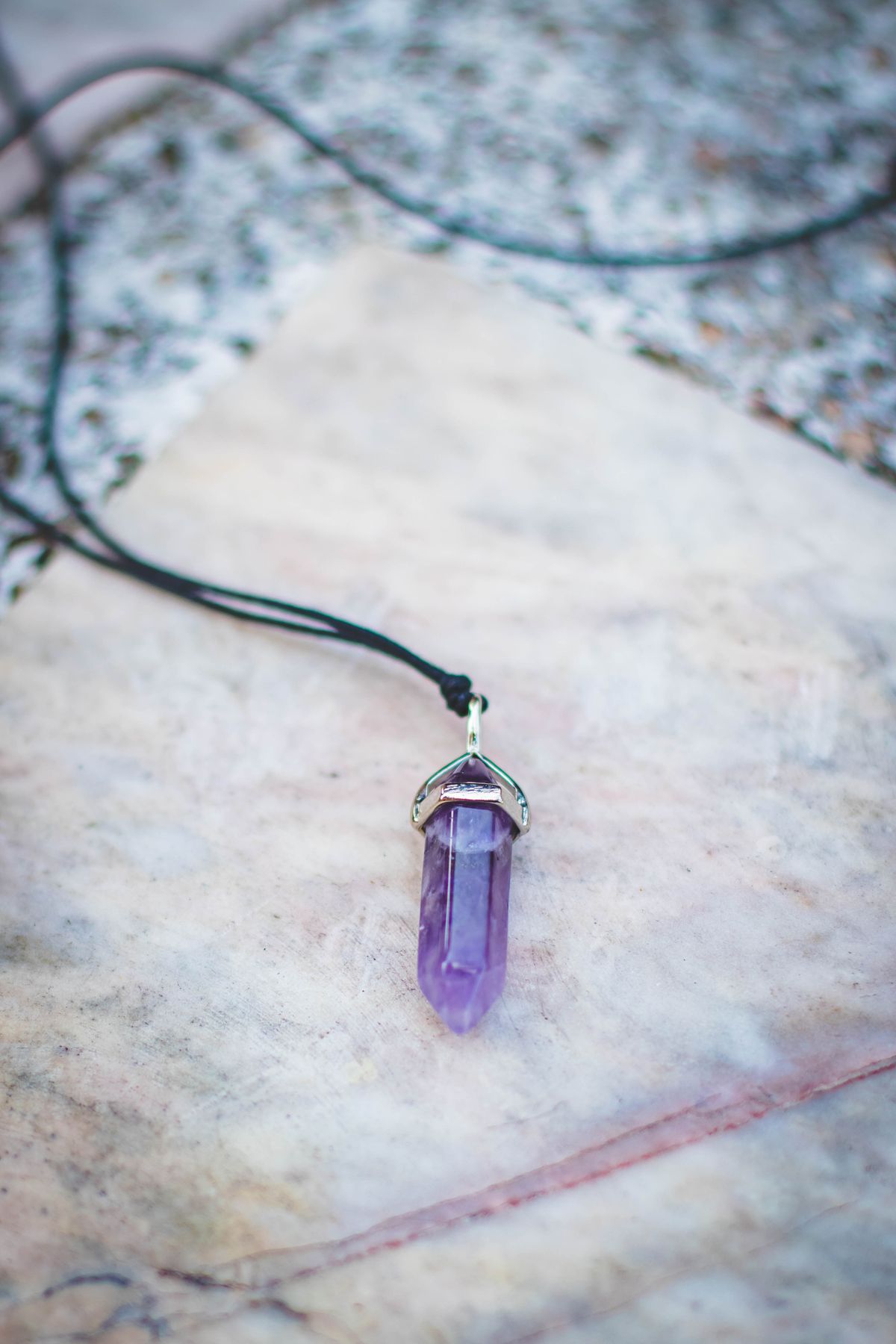
What rockhounders actually find — and what it's worth — varies enormously by region and skill level. Understanding the Mohs hardness scale is the foundation for identifying and valuing field specimens.
📌 Stat #26
Watermelon tourmaline (showing both red/pink and green zones) trades at roughly $30–$50 per carat in the retail collector market. Top paraíba tourmalines from Brazil can reach $10,000+ per carat. [Folkmarket Gems, February 2026]
📌 Stat #27
Quality amethyst — the purple variety of quartz and one of the most commonly collected gemstones — retails at approximately $20–$50 per carat for mid-grade material. Deep Siberian-color amethyst with minimal inclusions can fetch significantly more. [GemSelect, 2024]
📌 Stat #28
Montana Yogo Gulch is the only deposit in the world known to produce naturally blue sapphires without heat treatment. The Yogo Gulch mine has produced an estimated 180+ million carats of rough sapphire since its discovery in the 1890s. [Montana Geological Society / industry records]
📌 Stat #29
The Mindat.org mineralogy database — the world's largest online mineral reference — currently lists over 5,900 valid mineral species and more than 200,000 mineral localities worldwide. It's the primary reference tool for serious collectors and researchers. [Mindat.org, 2025]
📌 Stat #30
Oregon's Sunstone — the state gemstone — is found almost exclusively in Harney County, Oregon. The Ponderosa Mine is among the few places in the world where the public can dig for copper-bearing feldspar sunstones showing a rare red or blue schiller effect. [Oregon Department of Geology & Mineral Industries]
📌 Stat #31
The diamond — rated 10 on the Mohs hardness scale — is the hardest known natural material. The Crater of Diamonds State Park in Arkansas is the only public diamond mine in the world, where visitors have recovered more than 75,000 diamonds since 1972. [Arkansas State Parks]
6. Fossil Collecting Statistics
Fossil collecting overlaps heavily with rockhounding — many rock clubs include paleontology as part of their charter, and BLM land rules cover common invertebrate fossils under the same casual collection guidelines as minerals.
📌 Stat #32
Amateur fossil collectors contributed 75.9% of Santa Margarita Formation specimens in museum collections, and over a third of all Purisima museum specimens — demonstrating the critical role hobbyists play in scientific paleontology. [Palaeo-Electronica, peer-reviewed study, 2016]
📌 Stat #33
A survey of non-professional fossil hunters found that 57% prefer the term "amateur paleontologist", while 17% prefer "avocational paleontologist," 10% "citizen paleontologist," and 10% "hobbyist paleontologist." The field has a strong identity. [Crippen et al., Palaeo-Electronica, 2016]
📌 Stat #34
The BLM's casual collecting rules also cover common invertebrate fossils (ammonites, trilobites, crinoids) under the same 25 lbs/day personal-use exemption. Vertebrate fossils (fish, reptiles, mammals) require a permit on BLM land regardless of purpose. [BLM / Society of Vertebrate Paleontology]
📌 Stat #35
The Lapidary Journal — the hobby's flagship print publication — ran for 74 consecutive years (1947–2021), covering all aspects of rockhounding, lapidary, and fossil collecting. Its archive is being preserved digitally at Currently Rockhounding. [Lapidary Journal / Currently Rockhounding, 2026]
7. Gold Prospecting Statistics
Gold prospecting is one of the fastest-growing segments of rockhounding — driven by rising gold prices and the romance of finding something with real monetary value. Our beginner's guide to gold panning covers where to start and what equipment you need.
📌 Stat #36
U.S. mine production of gold totaled approximately 170 metric tons (5.5 million troy ounces) in 2023, maintaining the U.S. position as one of the world's top gold-producing nations. Nevada accounts for roughly 72% of domestic production. [USGS Mineral Commodity Summaries, January 2024]
📌 Stat #37
Oregon's total historical gold production is estimated at 1.2 million troy ounces (37.3 tonnes), with the majority originating from the Klamath Mountains in southwestern Oregon — a region still popular with recreational prospectors. [USGS / Wikipedia, 2024]
📌 Stat #38
Recreational gold mining and prospecting is legal and popular across the western United States, Canada, Australia, New Zealand, and South Africa. The activity is regulated at the state/territory level, with most public land agencies permitting small-scale hand-mining with no permit required. [Wikipedia: Recreational Gold Mining, 2026]
📌 Stat #39
The Great Seal of California — adopted in 1849 — features a gold miner with a rocker box, reflecting the historical centrality of gold prospecting to American identity. California's Gold Rush of 1848–1855 drew an estimated 300,000 prospectors from around the world. [California State Archives]
8. Equipment & Gear Market
The rockhounding gear market spans everything from $20 rock hammers to professional lapidary wheels costing thousands. Understanding market scale helps buyers know they're shopping in a well-supported category with many options. Our guide to the best rock tumblers covers the top machines at every price point.
📌 Stat #40
The global mineral processing equipment market reached $24.65 billion in 2025 and is projected to grow at a CAGR of 5.76% to reach $38.58 billion by 2033. While dominated by industrial machinery, this includes lapidary equipment, vibratory tumblers, and field collection tools. [Market Data Forecast, 2025]
Quick Reference: Hobbyist Gear Costs in 2026
| Item | Entry Level | Mid-Range | Professional |
|---|---|---|---|
| Rock Hammer | $15–$25 | $35–$60 | $80–$150 |
| Rock Tumbler | $35–$60 | $80–$200 | $300–$800+ |
| Magnifying Loupe | $8–$20 | $30–$70 | $100–$300 |
| Gold Pan Kit | $15–$30 | $45–$90 | $150–$400 |
| Field Bag / Backpack | $25–$50 | $60–$120 | $150–$300 |
Rock tumblers specifically have seen strong demand in 2026–2026, driven by parents buying them for kids and a growing YouTube/social media community around the "oddly satisfying" genre of polished-stone content. The best rock tumblers on Amazon regularly rank in the top sellers of the hobby/craft category. Many can be purchased using affiliate links with the tag ggref-20 to support this site.
Key Takeaways
- Rockhounding has 3+ million active hobbyists in the U.S. alone, organized through hundreds of clubs under the AFMS umbrella.
- The global gemstone market is worth $100+ billion (broad definition) and growing steadily at 3–6% annually.
- BLM public land offers free collecting access to 245 million acres under simple personal-use rules.
- The Tucson Gem Show is an economic powerhouse: 113,000+ attendees, $286M in spending, 6,700+ vendors.
- Amateur collectors make scientifically significant contributions — contributing the majority of some museum fossil collections.
- Gold prospecting remains viable — the U.S. produced 170 metric tons commercially in 2023, with recreational prospecting legal on most BLM land.
- Outdoor recreation hit record levels for the 9th straight year in 2024 — and rockhounding is part of that trend.
Primary Sources & Further Reading
- Bureau of Land Management: Rockhounding on Public Lands
- USGS Mineral Commodity Summaries 2024
- American Federation of Mineralogical Societies (AFMS)
- Visit Tucson: Gem Show Economic Impact Report
- Outdoor Industry Association: 2024 Participation Trends Report
Frequently Asked Questions
How many people go rockhounding in the United States?
The Bureau of Land Management estimates more than 3 million active rockhounds in the U.S. The hobby is organized through the American Federation of Mineralogical Societies (AFMS), which represents hundreds of clubs across 7 regional federations nationwide.
How big is the global gemstone market?
The global gemstone market was valued at approximately $101.73 billion in 2024 (Grand View Research). A narrower definition focused on collector and natural gemstones places the market at $28.77 billion in 2024, projected to reach $42.5 billion by 2035.
How much can I collect on BLM land?
Under BLM regulations, casual collectors may take up to 25 pounds per day (plus one piece) and no more than 250 pounds per year for personal, non-commercial use. No permit is required within these limits on most BLM-managed land.
How big is the Tucson Gem Show?
The Tucson Gem, Mineral & Fossil Showcase is the largest gem and mineral event in the world. The 2026 show drew 113,342 attendees, generated $286 million in direct spending, and hosted 6,700+ exhibitors across 52 venues.
Is rockhounding growing in popularity?
Yes. Overall outdoor recreation participation grew to 175.8 million Americans in 2023 — a record for the ninth consecutive year (OIA, 2024). The pandemic drove a surge in nature-based hobbies including rockhounding, fossil hunting, and gold prospecting, and participation has remained elevated.
What is the most valuable thing you can find rockhounding?
It depends on region and luck. Gem-quality Montana Yogo sapphires, North Carolina emeralds, and Arizona fire agates can command hundreds to thousands of dollars per carat. Even common finds like quality amethyst can fetch $20–$50/carat at retail.