Field collecting is the heart of rockhounding. There's nothing like finding a crystal in situ — seeing it emerge from the matrix exactly where nature placed it millions of years ago. This guide covers the practical skills of field collecting: reading geology, identifying promising spots, extracting specimens safely, and documenting your finds.
How Do You Read Geological Maps?
Geological maps show what rocks are where. They're your treasure map for mineral collecting.
Roadside Geology Book Series
State-by-state guides · Written for non-geologists · Focus on visible features
$19.99
Check Price on Amazon →
Key Map Symbols:
- Igneous rocks (granite, basalt): Often contain quartz, feldspar, mica
- Metamorphic rocks (schist, gneiss): Can contain garnet, staurolite, kyanite
- Sedimentary rocks (limestone, shale): May contain fossils, geodes, concretions
- Fault lines: Mineralization often occurs along faults
- Contact zones: Where different rock types meet — prime mineral locations
How Do You Identify Promising Field Locations?
1. Road Cuts & Construction Sites
Freshly exposed rock reveals what's underground. Look for:
- Color variations (mineral veins)
- Crystal faces sparkling in sunlight
- Quartz veins (often host other minerals)
- Safety first: Never enter active construction sites
2. Creek Beds & River Gravels
Water transports and concentrates heavy minerals:
- Look for gravel bars on inside bends of rivers
- Check after floods (fresh material exposed)
- Use a gold pan to test concentrates
3. Old Mines & Quarries
Proven mineral locations. Safety precautions are critical:
- Never enter underground mines
- Collect only from waste dumps (tailings)
- Watch for unstable rock faces
- Check ownership — many are on private land
What Are the Essential Field Tools?
Estwing Rock Pick & Chisel Set
22 oz rock pick · 3 chisels (1/2", 3/4", 1") · Carrying case · For field extraction
$49.99
Check Price on Amazon →Geologist's Field Bag
Waterproof · Multiple compartments · Padded for specimens · Shoulder strap
$34.99
Check Price on Amazon →Extraction Techniques
Loose Specimens
For crystals in clay or soft matrix:
- Gently brush away loose material
- Use dental picks or small brushes
- Work from edges toward crystal
- Support specimen with your hand
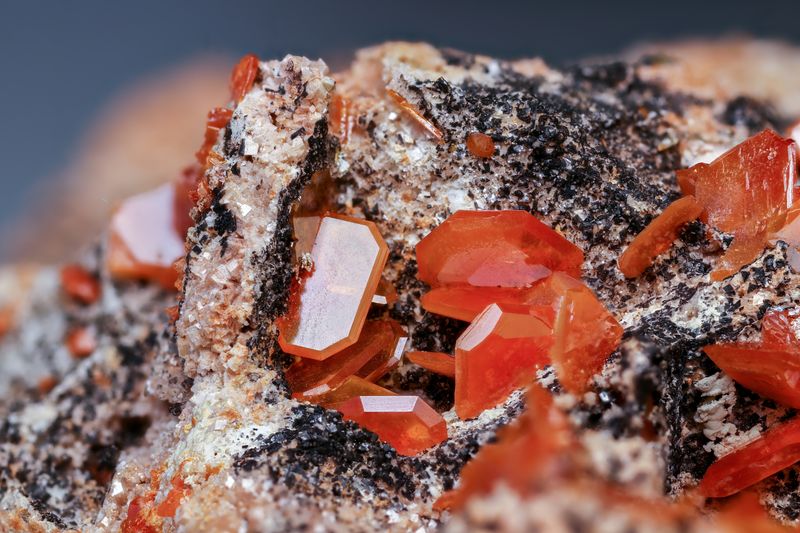
Hard Rock Extraction
For crystals in solid rock:
- Identify natural fracture lines
- Place chisel along fracture
- Light taps with hammer — don't smash
- Work around crystal, not through it
Documenting Your Finds
Good documentation increases scientific value and helps you remember locations:
| Data to Record | Why It Matters |
|---|---|
| GPS coordinates | Exact location for return visits |
| Date & time | Seasonal variations in access |
| Rock type | Geological context |
| Associated minerals | Mineral paragenesis clues |
| Photos in situ | Shows crystal orientation |
Ethical Collecting Practices
- Take only what you'll study or display — don't hoard
- Fill holes — leave the site looking natural
- Respect private property — always get permission
- Share knowledge — report significant finds to local clubs
- Follow regulations — different rules for public lands
For collecting locations, see our best beginner rockhounding sites. For identification help, check our gemstone identification guide. A quality field hammer matters more than any other tool — see our rock hammer buying guide for tested picks.
Keep Reading
- Complete rockhounding gear guide — every tool you'll want in the field, with tested recommendations
- Gemstone identification guide — identify what you find using the 7-property system
- Best beginner rockhounding sites — top publicly accessible collecting locations to visit first
Frequently Asked Questions
What's the best way to find collecting locations?
Join a local rockhounding club — members share proven sites. Study geological maps for rock types that host minerals. Check online databases like Mindat.org. Visit fee-dig sites first to learn techniques.
How do I read a geological map?
Focus on rock type symbols and contact zones. Igneous rocks (granite) often contain quartz/feldspar. Metamorphic rocks (schist) may have garnet. Sedimentary rocks (limestone) can contain geodes. Contact zones between different rocks are mineral-rich.
What safety gear is essential for field collecting?
Safety glasses (non-negotiable), gloves, sturdy boots, hard hat (in quarries), first aid kit, plenty of water. Tell someone your location and expected return time. Never work alone in remote areas.
How do I extract delicate crystals without damage?
Work slowly with small tools: dental picks, brushes, small chisels. Support the specimen. Work from edges toward the crystal. For hard rock, follow natural fractures. Patience produces better specimens than force.
Is collecting legal on public land?
BLM and National Forest lands generally allow casual collecting for personal use (reasonable amounts). National Parks prohibit ALL collecting. State parks vary — check regulations. Always verify current rules before collecting.
Get weekly guides from RockhoundGuide
No spam. Unsubscribe anytime.